

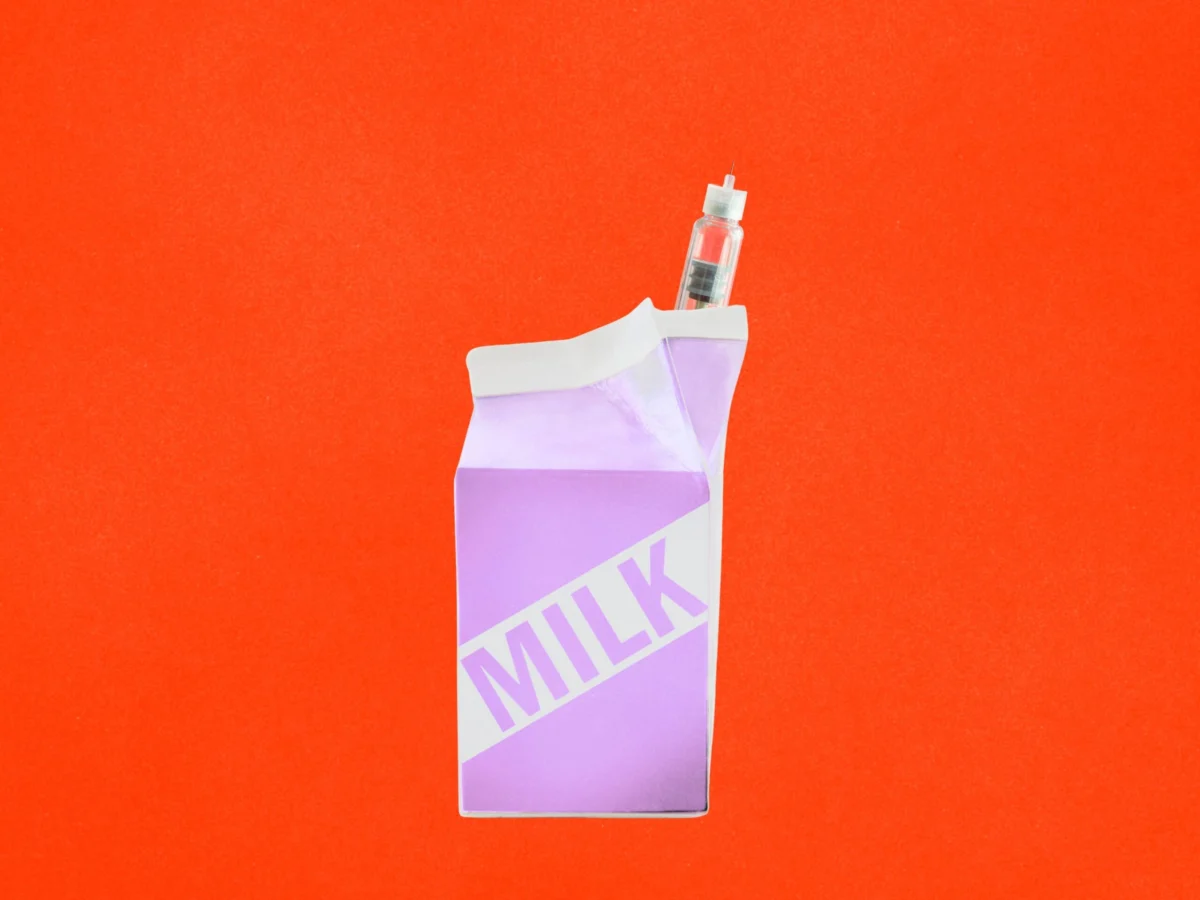
For many, the journey to weight loss is a public victory—a transformation shared through social media posts, gym check-ins, and candid conversations with loved ones. But for an increasing number of women, the journey is a clandestine operation. They are not hiding affairs or illicit substances; they are hiding refrigerators full of Wegovy, Ozempic, and Zepbound.
This phenomenon, while unconventional, reveals a deep-seated cultural anxiety surrounding weight, body autonomy, and the social stigma that continues to shroud weight-loss medications. As the popularity of GLP-1 agonists surges, so too does a subculture of users who have chosen to keep their health choices entirely to themselves, often at the cost of their own peace of mind.
A Double Life: The Case of "Caroline"
Caroline, a 34-year-old from Montreal, describes her experience as a "necessity of survival." Her first encounter with Wegovy was transparent. When she began the medication, she informed her boyfriend, mother, and closest friends. Over six months, she successfully dropped 30 pounds, returning to her baseline weight of 100 pounds. Despite the success, her inner circle grew concerned, labeling the weight loss as excessive.
"I had tried every way under the sun to lose weight," Caroline tells SELF. "I was really tired of trying."
When she eventually cycled off the medication, the reality of the drug’s long-term nature set in: she gained 10 pounds in a single month. Realizing that the weight was a persistent struggle, she returned to Wegovy. This time, however, the script changed. Her boyfriend, having witnessed the previous "side effects" and the intensity of her initial weight loss, had become vocal about his disapproval.
To keep the peace, Caroline began a life of deception. Living alone makes it easier to store the temperature-sensitive pens in the back of her refrigerator, but the anxiety follows her everywhere. When traveling with her partner, she must navigate the logistical nightmare of hiding the medication in hotel mini-fridges or, more awkwardly, her in-laws’ kitchen. "I’m hiding stuff in my parents-in-laws’ fridge, hoping they won’t see them," she says. "It’s super awkward."
The Chronology of Stigma and Secrecy
The trajectory from open health management to "secret-keeping" usually follows a predictable pattern. It often begins with the patient’s fear of being judged for using a "shortcut" to weight loss.
- Phase One: The Initial Attempt. The patient seeks medical intervention, often via telehealth, to bypass the friction of a primary care physician who may be skeptical of prescribing GLP-1s for patients who are not clinically obese.
- Phase Two: The Transformation. As the weight sheds, the patient receives compliments, but also scrutiny. Loved ones may comment on the speed of the loss or express fear regarding health complications.
- Phase Three: The Withdrawal. The patient stops the medication, fearing the stigma or the cost, only to experience rapid weight regain, reinforcing their belief that the drug is a permanent requirement.
- Phase Four: The Concealment. The patient restarts the medication, this time shielding the process from those who previously voiced opposition. They transition to "stealth mode," using household items—from empty probiotic bottles to butter boxes—to mask their medical regimen.
The "Tomato Paste" Strategy: A Subculture of Hiding
The ingenuity displayed by those hiding their medication is a testament to their desperation. On forums like Reddit’s r/GLP1microdosing, threads dedicated to concealment strategies have become common. Users share tips on how to effectively disguise vials and injectors.
Common hiding spots include:
- Kitchen Staples: Empty boxes of tomato paste, anchovy paste, or baking soda.
- Supplement Containers: Old bottles of probiotics, Alani Nu, or other vitamins.
- Household Objects: Child’s play-kitchen equipment, metal water bottles, and even boxes of wine.
These tactics aren’t just about avoiding a conversation; they are about avoiding a conflict. As one user, Vivid-Act-6442, noted: "If my husband found out, it would just be a series of lectures." For many, the mental energy required to defend their health decisions to a partner or family member is more exhausting than the physical act of hiding the medicine itself.
Professional Perspectives: Empowerment vs. Isolation
Dr. Kia Mitchell, an obesity medicine specialist based in Jacksonville, Florida, confirms that this is a widespread reality. She views the behavior through a dual lens. On one hand, she understands the patient’s desire to "control the narrative."
"There’s this loss of control with the gaining of the weight, but being able to control the narrative around weight loss has been empowering and exciting," Dr. Mitchell explains. "Because now they can reveal it on their own terms."
However, Dr. Mitchell expresses significant concern about the lack of a support network. "Anyone on a health journey benefits from having a network that’s really cheering for you," she notes. The secrecy acts as a barrier to authentic connection. Furthermore, there are tangible medical risks. If a patient experiences side effects or accidental pregnancy—a known risk associated with GLP-1s—the lack of transparency with a partner can create a dangerous information vacuum.
"When someone is trying to lose weight, we want their stress hormones to be as low as possible," says Dr. Mitchell. "If you’re trying to hide medication, we’ll be fighting an uphill battle if you’re stressed about that."
Telehealth: The Double-Edged Sword
The rise of telemedicine companies like Hers and Ro has revolutionized access, but it has also facilitated this culture of secrecy. Patients can now secure prescriptions without the watchful eye of a primary care physician who might otherwise coordinate care or flag potential drug interactions.
Caroline, for instance, is currently taking Accutane and Ritalin alongside Wegovy. She is terrified of telling her doctor, so she has turned to AI tools. "I use ChatGPT as my doctor at this point," she admits. While acknowledging it is "probably not the best option," the lack of judgment provided by a screen makes it the preferred alternative to a face-to-face conversation with a healthcare provider who might view her differently.
Dr. Craig Primack, head of weight loss at Hers, acknowledges the reality of the situation. He notes that while the company encourages patients to speak with their primary providers, they understand why people are hesitant. "Your weight and persona set up a dynamic in your couple," Dr. Primack observes. "When you start changing that, sometimes spouses get very jealous… not that weight is directly linked to that, but that’s what I hear them say."
Implications: The Path Toward Honesty
The long-term psychological toll of maintaining this secrecy remains to be seen. For many women, the medication is no longer just a weight-loss tool; it is a source of identity-defining stress.
Dr. Rachel Goldman, a clinical psychologist specializing in weight management, suggests that the secrecy often stems from a fear of invalidation. She advises patients to shift their perspective. "Framing it around their own experience and needs can make the conversation feel more manageable and less like something they have to defend," she says.
Dr. Goldman recommends a structured approach to disclosing the use of GLP-1s:
- Identify the "Why": Understand your own motivations for taking the medication before explaining them to others.
- Use "I" Statements: Focus on personal health, energy levels, and long-term wellness rather than aesthetic goals.
- Anticipate Reactions: Prepare for a range of responses, understanding that a partner’s initial reaction is often rooted in their own biases or fear, and may evolve over time.
- Define Boundaries: Clearly state what you need from your partner—whether it is active support, or simply the space to manage your own health without criticism.
Ultimately, the goal of these conversations is to move away from the "anchovy paste box" lifestyle and toward a place of authenticity. As Dr. Goldman puts it, "The goal isn’t to have a perfect conversation, but to open the door to more honesty, connection, and support over time."
Until that trust is established, however, the secret refrigerators of the world will remain full, and the battle between personal health autonomy and social expectation will continue to play out in the quiet corners of the kitchen.
 Iffa Jayyana
 Lina Irawan
 Asro
Asro
