

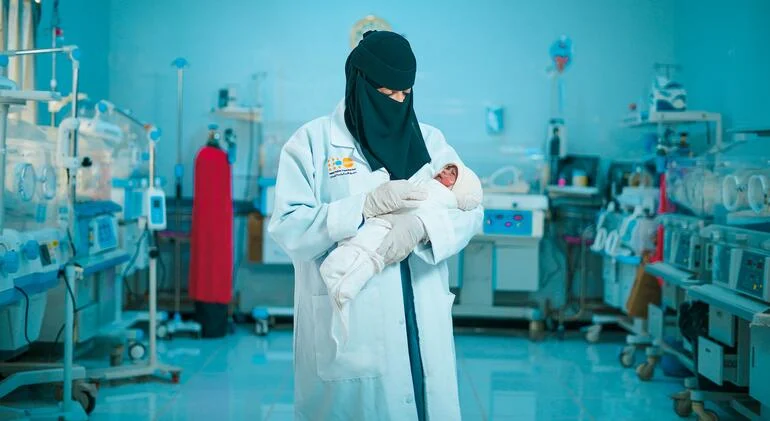
As the world’s attention shifts toward new theaters of conflict and emerging geopolitical crises, Yemen remains trapped in a protracted, "forgotten" emergency that is quietly decimating the most vulnerable segments of its population. The United Nations Population Fund (UNFPA), the agency at the forefront of reproductive healthcare in the country, has issued a harrowing warning: a lethal convergence of systemic malnutrition, crumbling healthcare infrastructure, and escalating violence is claiming the lives of Yemeni women and girls at an alarming rate.
With humanitarian funding drying up, the thin safety net that once prevented total catastrophe is fraying. The result is a preventable human tragedy, where the lack of a midwife or a simple clinic visit is increasingly becoming a death sentence.
Main Facts: A Crisis of Survival
The situation in Yemen is not merely a political stalemate; it is a profound humanitarian failure. Despite the end of major active combat in some regions, the structural damage inflicted by years of war remains pervasive.
The most staggering metric of this crisis is maternal mortality. Yemen currently holds the highest maternal death rate in the Arab region. Every single day, three women die due to complications arising from pregnancy or childbirth. UNFPA officials stress that this figure is not a statistical inevitability; approximately two-thirds of these deaths are entirely preventable. They occur not because of incurable conditions, but because of a lack of access to basic medical intervention—a trained midwife, a functioning delivery room, or emergency obstetric care.
Beyond the delivery ward, the fabric of society is tearing. Economic hardship, exacerbated by the war, has led to a surge in food insecurity. Malnutrition, long a silent killer in Yemen, is now reaching critical thresholds. For pregnant and lactating women, this means a compromised immune system and an inability to provide the essential nutrients required for fetal development, leading to long-term health consequences for the next generation.
Chronology: The Erosion of Stability
To understand the current desperation, one must look at the timeline of the collapse:
- 2015–2018: The Escalation: The outbreak of full-scale conflict shattered Yemen’s public health system. Hospitals were bombed, staff fled the country, and medical supply chains were severed.
- 2019–2021: The Pandemic Overlay: The arrival of COVID-19 acted as a force multiplier for an already weakened system, diverting limited resources away from reproductive health and prenatal care.
- 2022: The Funding Pivot: Global donor fatigue began to set in. As attention shifted toward the war in Ukraine and other high-profile crises, humanitarian appeals for Yemen began to fall short of targets.
- 2023: The 40% Cut: The UNFPA faced a catastrophic 40% reduction in its humanitarian funding. This forced an immediate, painful contraction of services, leading to the suspension of support for nearly one-third of the agency’s vital health and protection programs.
- 2024: The Current Reality: Today, the crisis has entered a phase of stagnation. With no long-term political resolution in sight, the humanitarian sector is operating in "maintenance mode," struggling to provide even the most basic lifesaving services while demand continues to outstrip supply.
Supporting Data: The Human Cost of Austerity
The numbers provided by the UNFPA paint a grim picture of the consequences of the 40% funding gap. When aid organizations are forced to choose which clinics to keep open and which to shutter, the "human cost" is measured in lost lives.
- Maternal Mortality: With 66% of maternal deaths deemed preventable, the direct correlation between funding cuts and mortality rates is undeniable. A midwife is often the only barrier between life and death; when her salary is no longer covered, that barrier vanishes.
- Service Suspension: The withdrawal of support for one-third of UNFPA services means thousands of women are left without prenatal check-ups, safe birthing facilities, or emergency care during labor.
- Protection Gaps: Gender-based violence (GBV) has spiked in the shadow of the conflict. UNFPA-supported shelters were once a sanctuary for survivors. Today, due to the lack of funding, these shelters are forced to turn away new victims, leaving women and girls with nowhere to go and no recourse for legal or psychological justice.
Official Responses: The View from the Frontlines
Francesco Galtieri, the UNFPA’s senior official in Yemen, has been vocal in his critique of the international community’s waning commitment. Speaking from the agency’s Executive Board meetings in New York, Galtieri described the situation as an agonizing paradox.
"I always wonder why, when a society enters into a phase of tension and confrontation, women and girls become the focus of that political confrontation," Galtieri noted. He expressed deep frustration that essential, lifesaving healthcare has become a bargaining chip in global political debates.
Galtieri’s appeal to international decision-makers is clear: prioritize the basics. He argues that funding midwifery and reproductive health should not be a controversial political issue; it is a fundamental humanitarian imperative. He warns that when global leaders prioritize other geopolitical agendas over the basic survival of Yemeni women, they are effectively sanctioning the preventable deaths of thousands.
Implications: A Future in Jeopardy
The implications of this crisis extend far beyond the immediate death toll. The long-term societal damage is becoming increasingly difficult to reverse.
The Cycle of Trauma
When a generation of children is raised in an environment where maternal mortality is common, and where their mothers are subjected to systemic violence and malnutrition, the cycle of trauma is perpetuated. Children who survive the birth process often face developmental stunting due to early-life malnutrition, creating a burden on the healthcare and educational systems for decades to come.
The Erosion of Rights
The political climate surrounding sexual and reproductive health is currently facing unprecedented scrutiny. As Galtieri observed, the rights of women are being pulled into a "renewed debate" at the UN level. In Yemen, this manifests as a dangerous trend: as resources dwindle, the social status of women is often the first thing to be sacrificed. The closure of vocational training centers and economic empowerment programs further strips women of their agency, forcing them into positions of total dependence and increased vulnerability.
The Risk of Regional Instability
A society where half the population is denied basic healthcare and protection is a society that cannot rebuild. By failing to support the health and empowerment of Yemeni women, the international community is effectively stalling the country’s potential for post-conflict recovery. Peace is not merely the absence of bombs; it is the presence of functioning social infrastructure. Without this, Yemen remains a volatile vacuum, susceptible to further exploitation and suffering.
Conclusion: A Call for Renewed Commitment
The crisis in Yemen is a test of the international community’s moral consistency. If humanitarian aid is truly based on need rather than the political visibility of a conflict, then the funding of UNFPA programs in Yemen should be a top-tier priority.
The "forgotten crisis" label is a indictment of the global news cycle, but it is also a call to action. The data is clear, the solutions are known, and the cost of inaction is documented in the lives of those who perish daily in clinics without supplies. As Mr. Galtieri continues to advocate for the prioritization of lifesaving care, the international community stands at a crossroads: continue the current path of austerity, which guarantees the suffering of millions, or reaffirm the commitment to the basic, universal right to health and safety for the women and girls of Yemen.
The lives of thousands of mothers and their infants hang in the balance. For them, the debate in New York is not a political exercise—it is a matter of life and death. The question remains: will the world listen before the silence in Yemen becomes absolute?
 Lina Hope
 Asro
Asro
 Layla Zulfa
