

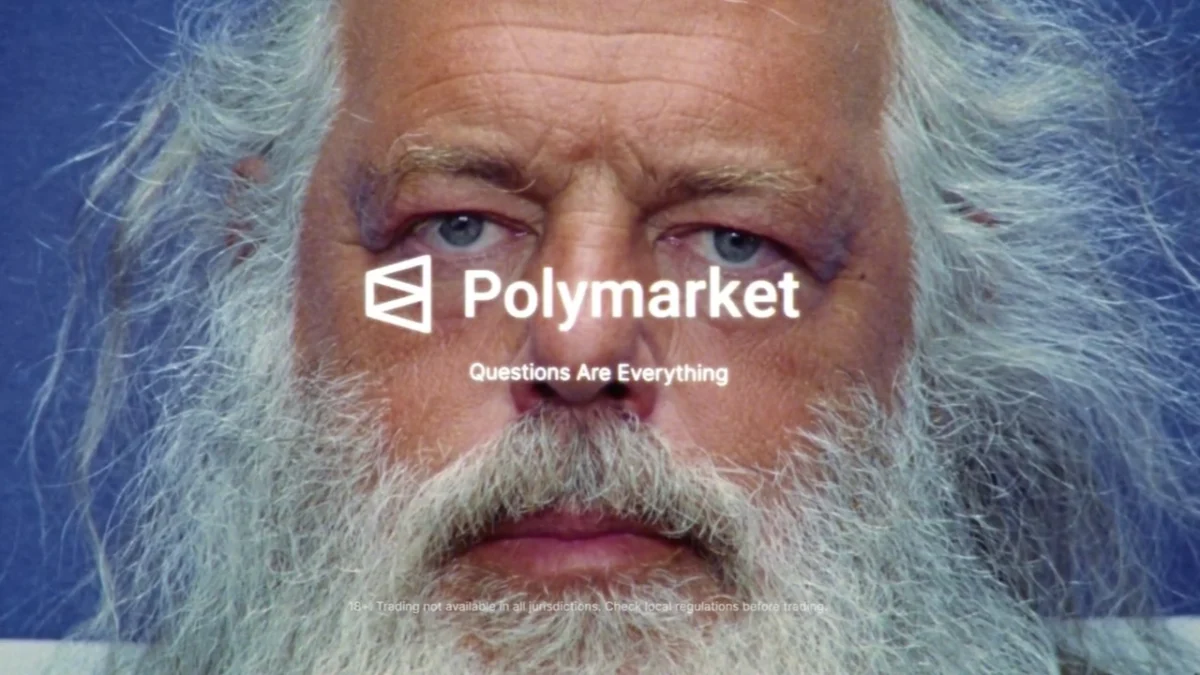
If you have been tuning into the 2026 FIFA World Cup, you have likely been treated to more than just the spectacle of elite athleticism on the pitch. Between the high-stakes goals and the roar of the global crowd, a recurring, tranquil face has appeared in the commercial breaks. Cloaked in his signature aesthetic—barefoot, bearded, and radiating a Zen-like stillness—legendary music producer Rick Rubin is the star of a new, high-profile advertising campaign for the decentralized prediction market platform, Polymarket.
The crossover of die-hard soccer fans and music aficionados has sparked a collective curiosity across social media: Is that really Rick Rubin?
The answer is a definitive yes. The eight-time Grammy winner, the man who helped shape the trajectory of hip-hop with Def Jam, redefined metal with Slayer, and polished the sounds of pop titans like Adele, is now the face of a brand dedicated to the gamification of global events. This unlikely partnership has reignited conversations about the intersection of high-concept art, the commodification of public discourse, and the evolving role of the "influencer" in the digital age.
The Campaign: Philosophizing the Wager
The commercial itself is a masterclass in atmospheric marketing. Rubin, sitting in his characteristic meditative pose, narrates the spot with the calm, deliberate cadence that has become his trademark. He opens the ad with a probing, existential query: “If you could ask one question, what would you ask?”
The imagery is stark, intentional, and undeniably “Rubin-esque.” However, the sonic backdrop provides the true layer of intrigue. As Rubin speaks, the unmistakable, haunting piano intro from Kanye West’s 2010 masterpiece, “Runaway,” begins to swell.
The choice of track is significant. Despite the well-documented volatility surrounding West—ranging from his history of antisemitic rhetoric and his vocal admiration for Adolf Hitler to his subsequent, high-profile apology letter published in the Wall Street Journal earlier this year—the association remains intact. By leveraging West’s music, Polymarket is essentially betting that the artistic legacy of My Beautiful Dark Twisted Fantasy transcends the scorched-earth controversies that have defined the rapper’s recent years. It is a calculated move that positions Polymarket not merely as a betting site, but as a venue for the intellectually curious.
Chronology: From Def Jam to Digital Prediction
To understand the gravity of Rubin’s current commercial pivot, one must look at the breadth of his career. Born Frederick Jay Rubin, he rose to prominence in the early 1980s by co-founding Def Jam Recordings in his NYU dorm room. He was the architect of the minimalist, hard-hitting sound that defined the Beastie Boys, LL Cool J, and Public Enemy.
Throughout the 90s and 2000s, Rubin’s influence expanded into the rock and metal spheres, producing seminal works for Red Hot Chili Peppers, Johnny Cash, and Slayer. His reputation as a “music guru”—a producer who strips away the artifice to reach the core truth of a recording—has made him one of the most respected figures in modern music history.
- 1984: Def Jam is founded, effectively launching the golden era of hip-hop.
- 2000s: Rubin undergoes a career renaissance, producing the American Recordings series with Johnny Cash, cementing his status as a legendary auteur.
- 2020s: Rubin becomes an omnipresent figure in the cultural zeitgeist, authoring books on creativity and embracing emerging technologies, including artificial intelligence.
- 2026 (June): Rubin makes his debut as the primary brand ambassador for Polymarket during the FIFA World Cup, signaling a shift toward corporate advocacy for decentralized finance and predictive gambling.
The Intellectualization of Betting
The core strategy behind the Polymarket campaign is to rebrand gambling as "information processing." By hiring a man who is the antithesis of the typical "sports bettor"—Rubin is often framed as a meditative, ascetic figure—Polymarket is attempting to decouple their product from the seedy, high-risk connotations of traditional bookmaking.
Rubin’s involvement gives the platform an "artful" veneer. He does not talk about odds, payouts, or losing money; he talks about the power of inquiry. In the eyes of the advertisers, if the man who produced Blood Sugar Sex Magik finds value in the platform, the average consumer might find it worthy of their time.
However, critics argue that this is a sophisticated form of “vibe washing.” By utilizing an icon of authenticity to shill for a platform that bets on the outcomes of geopolitical elections, wars, and social crises, the campaign effectively commodifies human anxiety. The implication is that your curiosity about the world’s future is best served by placing a stake on it.
Supporting Data: Rubin’s Busy 2026
While the commercial has garnered the most attention, it is important to note that Rubin’s commercial activities have not slowed his output as a creative force. His schedule for 2026 remains remarkably packed:
- The Strokes Collaboration: Rubin has been working extensively with The Strokes on their upcoming album, Reality Awaits. Fans of the indie-rock legends have noted that Rubin’s influence is expected to bring a raw, stripped-down aesthetic to the record.
- JAY-Z Documentary: Rubin is currently putting the finishing touches on an eight-part HBO documentary series centered on the life and work of JAY-Z. This project is expected to be a career-defining retrospective, arriving in the fall of 2026.
- Prolific Production: Throughout the 2020s, Rubin has maintained a high volume of work, producing over a dozen albums for a diverse array of artists, including Lil Uzi Vert, Neil Young, Imagine Dragons, and Tyler Childers.
This diversity of output is what makes the Polymarket endorsement so jarring. Rubin is a man who champions the “soul” of music, yet he is now lending his voice to a machine that reduces complex reality to binary outcomes—win or lose, yes or no.
AI and the Future of Creativity
Rubin’s interest in Polymarket is, perhaps, a logical extension of his recent technological fascinations. In 2025, Rubin famously expressed support for “AI vibe coding,” suggesting that the future of music creation lies in the symbiotic relationship between human intuition and algorithmic efficiency.
If one views Polymarket as a tool for "crowd-sourced predictive coding," it becomes clear that Rubin sees little difference between generating a melody with an AI and predicting a global event via a betting market. To Rubin, both are systems of information; both are tools to be harnessed.
Implications: The Ethics of the Endorsement
The primary implication of this campaign is the total blurring of lines between the artist-as-philosopher and the artist-as-corporate-vessel. Historically, Rubin’s brand was built on the idea of removing barriers between the artist and the audience. By attaching his name to a prediction market, he is creating a new type of barrier: one where the audience is not just a listener, but a gambler.
There is also the question of Polymarket’s own ethics. By associating with a platform that thrives on the volatility of current events, and by utilizing the music of Kanye West—a figure currently embroiled in intense debate regarding his past rhetoric—the campaign is taking a calculated risk. They are betting that the public’s desire for "the next big thing" (or the next big bet) will override their concerns regarding the ethics of the platform or the controversies of the associated talent.
Conclusion: A Legacy in Motion
Rick Rubin has always been a contrarian. He produced the first hit rap songs when the industry thought rap was a fad. He worked with Johnny Cash when the industry thought Cash was a relic. Today, he is working with a decentralized betting platform while the world watches the World Cup, seemingly unbothered by the potential for public backlash.
Whether this is a stroke of genius—a way to bring thoughtful inquiry to a disreputable industry—or a cynical cash grab remains to be seen. What is certain is that Rubin remains the ultimate curator of the moment. By placing himself at the center of the World Cup’s commercial discourse, he has ensured that regardless of who wins on the field, the conversation will be framed by his voice, his image, and his peculiar, meditative perspective.
As the ad fades to black and the question remains hanging in the air—What would you ask?—one wonders if Rubin, in his quest to find the "truth" of the world, has inadvertently helped turn that truth into just another market commodity.
 Pevita Pearce
 Asro
Asro
 Lina Irawan
