

For over three decades, the Toy Story franchise has been more than just a series of animated films; it has been a cultural cornerstone of modern cinema. From the groundbreaking 3D animation of 1995 to the emotional resonance of Toy Story 3, Pixar has consistently redefined what it means to tell a story about childhood, abandonment, and the enduring nature of friendship. However, as Toy Story 5 hits theaters, a lingering, persistent issue has bubbled to the surface: the franchise is suffering from a massive case of bloat.
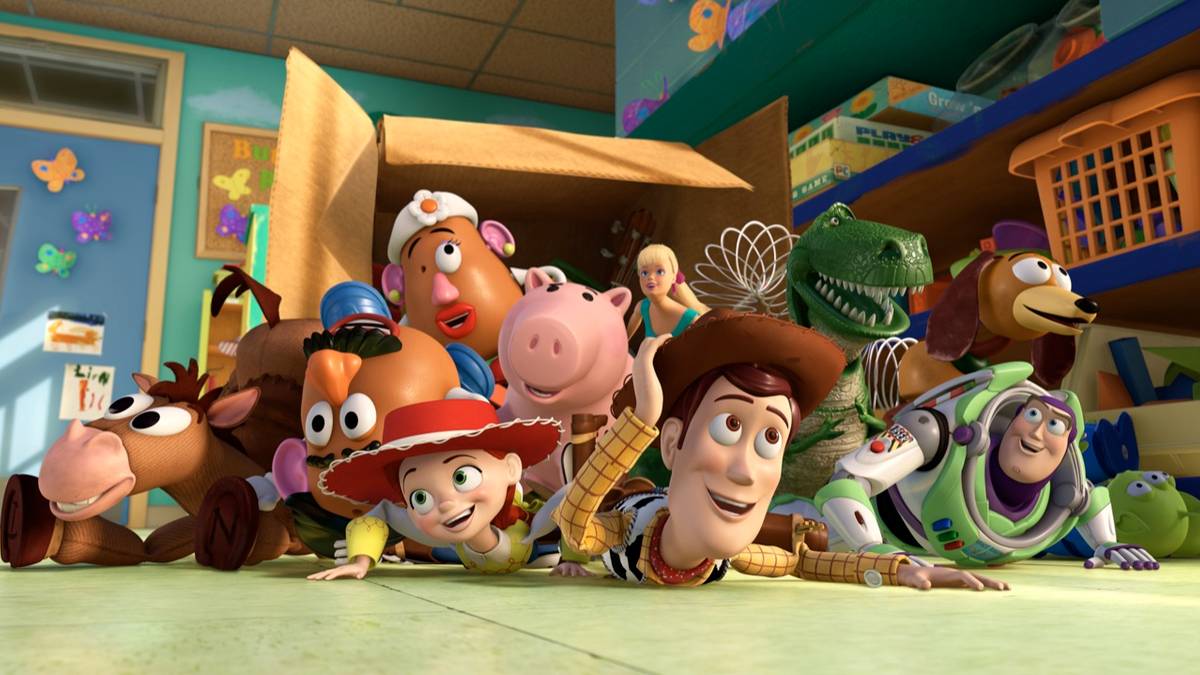
With an ever-expanding cast of characters, the "original gang"—the toys that defined Andy’s childhood—are increasingly being relegated to the background, functioning more as set dressing than active participants in the narrative.
The Evolution of the Toy Box: A Chronological Expansion
To understand the current crisis, one must look at how the Toy Story roster has ballooned over the last thirty years.
The Era of Andy’s Originals (1995)
The original film introduced a tight-knit, focused group: Woody, Buzz Lightyear, Hamm, Rex, Slinky Dog, and Mr. Potato Head. This ensemble was essential, with every character serving a specific function in the plot. The dynamics were clear, and the limited scope allowed for deep character development.
The Era of Expansion (1999–2010)
Toy Story 2 expanded the lore, bringing in Jessie the Yodeling Cowgirl, Bullseye, and Mrs. Potato Head. It was a masterclass in growth; these additions felt organic and necessary, expanding the world without losing the focus on the original group. Toy Story 3 introduced Bonnie’s toys—a massive influx of new personalities including Lotso, Ken, and Barbie. While the transition was jarring, the emotional stakes of the film justified the inclusion.
The Modern Bloat (2019–2026)
Toy Story 4 introduced Forky and a host of carnival toys, further diluting the screen time for legacy characters. By the time we arrive at Toy Story 5, the cast list has become an unwieldy roster of electronic toys and new arrivals. While Toy Story 5 attempts to pivot by placing Jessie, Buzz, and Woody at the center of the narrative, the sheer volume of supporting characters has effectively silenced the voices of the toys that built the franchise’s foundation.
The Shrinking Spotlight: Analyzing Screen Time and Utility
In Toy Story 5, the structural shift is evident. By centering Jessie (Joan Cusack) as the protagonist, the film creates a refreshing change in leadership. Yet, this shift comes at a cost. When we examine the distribution of dialogue and agency in the film, the disparity becomes glaring.
The "Rex" Exception
Rex (voiced by Wallace Shawn) stands out as a rare exception in the latest installment. He is granted a comedic, albeit morbid, subplot involving a wedding ceremony during playtime. It is a moment of genuine character agency—a rare commodity in the current state of the series. This proves that Pixar can write meaningful moments for legacy characters; it is a question of intent and priority.
The Silencing of the Classics
Conversely, icons like Mr. Potato Head, Slinky Dog, and Hamm have been reduced to "room noise." In Toy Story 5, Mr. Potato Head delivers a handful of quips, but lacks the narrative weight he carried in the 90s. Even more egregious is the treatment of Mrs. Potato Head and the Green Aliens, the latter of whom are completely mute throughout the runtime of the latest feature.
When characters who have been with the audience for over 30 years are relegated to post-credits cameos or silent background shots, it creates a sense of abandonment that mirrors the very themes the movies are meant to explore.
Supporting Data: Why "More" Isn’t Always Better
The fundamental challenge for any long-running film franchise is the tension between maintaining nostalgia and introducing freshness. Pixar’s current strategy appears to favor the latter.
According to industry analysts, modern animated features often lean toward larger ensemble casts to drive merchandising potential. Each new toy is a potential SKU (Stock Keeping Unit) on a store shelf. However, from a narrative standpoint, this approach has diminishing returns. When an audience can no longer distinguish between the "core" group and the "guest" characters, the emotional stakes of the story weaken.
In Toy Story 5, we see a clear divide:
- The Lead Trio: Woody, Buzz, and Jessie receive the majority of the development.
- The New Guard: The electronic toys receive significant screen time to justify their existence in the plot.
- The Legacy Ensemble: Slinky, Hamm, and the Potato Heads are treated as legacy assets that are "too big to fail" but "too crowded to develop."
Official Perspectives and the Pixar Philosophy
While Pixar has not issued a formal "response" to the critique of character bloat, the studio has long maintained that their priority is the story, not the roster. Historically, the studio has argued that characters must serve the arc of the film.
In past interviews, creative leads at Pixar have noted that the challenge of the Toy Story series is ensuring that Woody and Buzz remain relevant. However, the fan base—and many critics—argue that the "original gang" are not just side characters; they are the audience’s anchors. When the audience feels that the legacy characters are being sidelined, it impacts the long-term brand equity of the franchise.
The Implications: Where Do We Go From Here?
The current trajectory suggests that if the franchise continues, the list of characters will only grow. To rectify the current imbalance, several strategies could be employed:

1. Curating the Roster
Not every character needs to appear in every film. Much like Toy Story 3 saw the departure of characters like RC and Wheezy, future installments could benefit from a "narrative rotation." By limiting the cast, Pixar could ensure that those who do appear are given meaningful dialogue and plot contributions.
2. The "Short-Form" Solution
As mentioned previously, the Partysaurus Rex (2012) short was a brilliant way to give a supporting character their own moment in the sun without forcing them into a 90-minute feature film. Pixar should double down on these short-form digital releases to flesh out the backstories of the original toys. A Hamm-centric heist short or a Potato Head family adventure would satisfy fans who are tired of seeing their favorites relegated to background noise.
3. A Return to Focused Narratives
The most significant implication for Pixar is the need to remember that the franchise was built on the backs of these specific plastic figures. If a character is not essential to the plot, their inclusion—or lack thereof—should be deliberate. Using characters as mere "easter eggs" feels cynical to a fan base that has invested decades of emotional capital into these specific toys.
Conclusion
Toy Story 5 is, in many ways, a testament to the longevity of the brand. It proves that the audience is still hungry for these stories. However, the "Toy Box Dilemma" is real. Pixar must find a way to balance the excitement of new, modern characters with the respect owed to the legacy of the original gang.
If the studio continues to treat the foundational characters as mere background furniture, they risk alienating the very fans who made the franchise a global phenomenon. The solution isn’t necessarily to stop adding new toys, but to ensure that when we see Slinky or Hamm on screen, they are doing more than just occupying space. They are the heart of the series, and they deserve to be heard.
As we look toward the future of the franchise, the hope is that Pixar will rediscover the intimacy that made the first Toy Story so transformative. After all, a sandwich is only as good as the ingredients inside—and it’s high time we got some more "Hamm" in the Toy Story mix.
 Basiran
 Nana Muazin
 Layla Zulfa
