

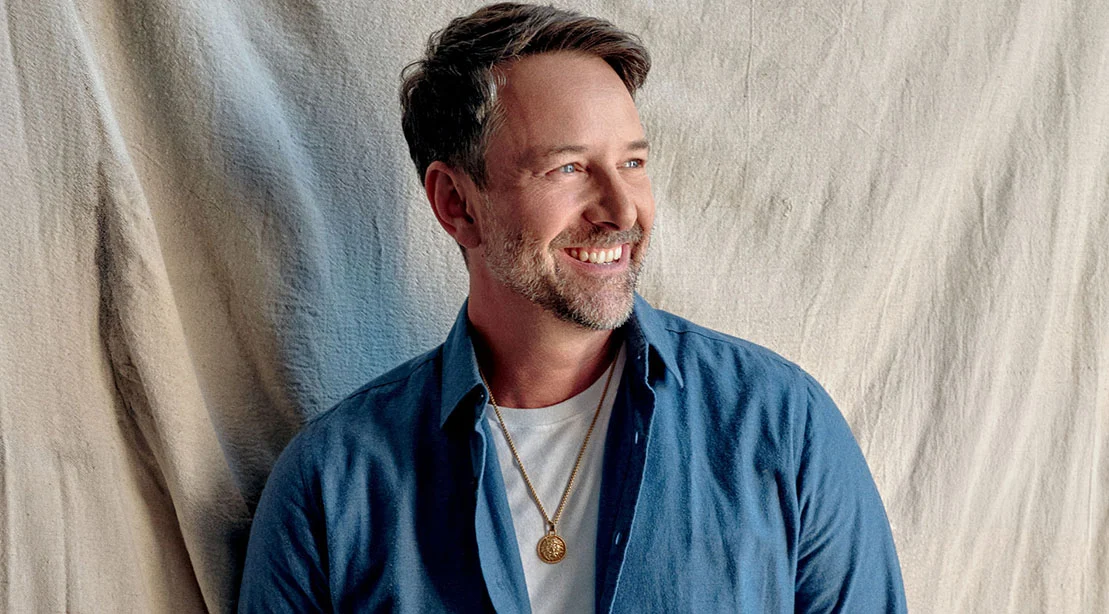
In the high-stakes world of professional bodybuilding, the common perception is that fat loss requires a grueling regimen of high-intensity interval training (HIIT), punishing sprints, and endless hours under the heavy barbell. However, IFBB Pro Sheriff Taiwo, a transformation coach and social media influencer widely known as "FitDad," is challenging these conventional fitness dogmas. Taiwo, who ascended to the professional ranks in 2025, argues that the secret to a lean, sustainable physique isn’t found in maximal intensity, but in the most fundamental human movement: walking.
For the average individual balancing a career, family responsibilities, and personal health, the "no pain, no gain" mentality is often a recipe for burnout. Taiwo’s philosophy offers a refreshing, science-backed alternative that prioritizes consistency and recovery over exhaustion. By integrating strategic walking into a daily routine, he contends that anyone can shed fat without compromising their metabolic health or sanity.
Main Facts: The Low-Impact, High-Reward Strategy
At the core of Taiwo’s philosophy is the realization that many people view exercise through an "all or nothing" lens. They believe that if they aren’t gasping for air, the session doesn’t count. Taiwo disagrees.
"What I’m about to share with you is one of the biggest fat loss hacks," says the IFBB Men’s Physique competitor. "It is not a fad or a gimmick. It is simply walking."
The primary appeal of this strategy lies in its metabolic efficiency. Unlike intense cardio, which often triggers a significant cortisol response—the stress hormone that can lead to water retention and cravings—walking is a low-stress activity. It allows the body to tap into fat stores for fuel without signaling the brain that the body is in a state of emergency.
Key takeaways from Taiwo’s approach include:
- Zero Recovery Penalty: Walking does not tax the central nervous system (CNS), meaning it can be performed daily without interfering with heavy resistance training sessions.
- Appetite Regulation: High-intensity cardio is notorious for inducing "compensatory eating," where the body demands an immediate influx of calories to replace glycogen stores. Walking, by contrast, has a negligible effect on appetite.
- Scalability: Whether you are an elite athlete or someone just beginning their fitness journey, the intensity and duration of walking can be adjusted to fit your current conditioning level.
A Chronology of the "FitDad" Methodology
Sheriff Taiwo’s transition from a fitness enthusiast to an IFBB Pro was not the result of overnight success or extreme dieting. It was a gradual evolution defined by a deeper understanding of human physiology.
In the early stages of his career, Taiwo, like many, fell into the trap of overtraining. He found himself hitting the pavement for sprints and subjecting his body to extreme cardio sessions, only to find that his leg training in the gym suffered. His recovery time increased, and his energy levels plummeted.
By 2023, he began shifting his focus toward "LISS" (Low-Intensity Steady-State) cardio. He tracked his progress, comparing his body composition changes when using traditional HIIT versus his new, walking-heavy protocol. He discovered that while his scale weight might drop faster with HIIT, his muscle retention and energy levels were significantly superior when he utilized walking.
By the time he earned his IFBB Pro card in 2025, the "FitDad" brand was fully formed. His daily routine became a testament to his philosophy: he would integrate short, manageable walks into his schedule, regardless of his travel or competition demands. Today, he coaches his clients to treat walking not as an optional addition, but as a non-negotiable pillar of their health.
Supporting Data: The Science of the Stroll
The logic behind walking as a primary fat-loss tool is supported by a growing body of exercise science. While HIIT is excellent for cardiovascular VO2 max improvements, it is not always the most effective tool for long-term body composition management.
The Caloric Math
For an average American adult weighing approximately 190 pounds, a brisk 30-minute walk at 3 mph burns approximately 150 calories. While this may seem modest compared to an hour of high-intensity CrossFit, the cumulative effect is staggering.
- Daily: 150 calories burned.
- Weekly: 1,050 calories burned.
- Annually: Over 54,000 calories burned—the equivalent of roughly 15 pounds of body fat, simply by moving consistently.
The Cortisol-Fatigue Loop
High-intensity exercise increases cortisol levels. In the context of a stressful life—deadlines, parenting, financial pressure—added cortisol from excessive exercise can lead to systemic inflammation and stubborn fat storage, particularly in the midsection. Walking, conversely, has been shown in various studies to lower stress markers, improve sleep quality, and enhance recovery. By keeping the heart rate in the "fat-burning zone" (typically 60-70% of maximum heart rate), the body is encouraged to utilize adipose tissue for energy rather than breaking down muscle protein.
Official Responses and Expert Consensus
The fitness community has increasingly moved toward the "Walking for Health" model. Personal trainers, physical therapists, and medical professionals are largely in agreement with Taiwo’s assessment.
"The most underrated exercise in existence is walking," notes a leading sports physiologist. "When we look at the longevity of elite athletes, the ones who incorporate walking as their primary form of recovery and conditioning are the ones who stay in the game the longest."
From the perspective of metabolic health, doctors often prescribe walking for patients who are contraindicated for high-impact exercise due to joint issues or cardiovascular risks. The accessibility of walking—requiring nothing more than a pair of shoes—makes it the most "democratized" form of fitness available.
Taiwo’s social media presence acts as a bridge between the clinical data and the average person’s reality. By showing his own "FitDad" lifestyle, he provides a visual validation of these principles. His followers frequently report that by ditching the treadmill sprints and opting for "The FitDad Walk," they are finally seeing the fat loss results they chased for years without success.
Implications for Modern Life
The most profound implication of Taiwo’s method is the concept of "stacking." Modern life is fragmented, and few people have a clean, uninterrupted hour to dedicate to the gym.
"It stacks," Taiwo explains. "Ten minutes after breakfast, fifteen at lunch. Twenty pushing my son around the neighborhood after dinner. That’s 45 minutes, and I never ‘worked out.’"
This removes the mental barrier of needing a gym bag, a pre-workout drink, and a shower. By weaving movement into the fabric of daily life, exercise ceases to be a chore and becomes a lifestyle.
Sustainability as the Ultimate Goal
The final, and perhaps most critical, implication is sustainability. Most people quit their fitness programs within 90 days because they are too intense. If the workout is miserable, you will eventually find an excuse to skip it.
"It’s the one thing you’ll actually still be doing in six months," says Taiwo. "And that’s the whole game. Consistency beats intensity every single time."
In a fitness industry driven by influencers promising rapid, overnight transformations through dangerous supplements or extreme training methods, Sheriff Taiwo’s message is a necessary, grounding force. He reminds us that the human body was designed for movement, not necessarily for punishment. By choosing to walk—whether on a treadmill, in the park, or around the office—you are making an investment in your long-term metabolic health.
For those looking to adopt the "FitDad" approach, the advice is simple: start where you are. Aim for that 150-minute weekly goal, break it into manageable chunks, and prioritize consistency. In six months, you won’t just look different; you will have built a foundation of health that will last a lifetime.
As Taiwo continues his journey on the professional bodybuilding stage, he remains a symbol of the fact that you don’t have to sacrifice your life, your time, or your recovery to achieve your dream physique. You just have to put one foot in front of the other.
 Lina Hope
 rifanmuazin
 Laily UPN
