

GENEVA – The Independent International Fact-Finding Mission (FFM) on the Islamic Republic of Iran has issued an urgent, high-level appeal to Tehran, demanding an immediate cessation of all executions linked to recent nationwide protests. The intervention follows a grim escalation in the judicial application of the death penalty, which human rights experts characterize as a calculated instrument of state suppression against civil unrest.
The call to action comes in the immediate wake of the July 19 execution of two young men—Erfan Esfandiari, 18, and Gol Mohammad Mohammadi, a 23-year-old Afghan national. Their deaths have catalyzed international condemnation and reignited debates regarding the Iranian judiciary’s adherence to international human rights standards, particularly concerning due process and the rights of juvenile offenders.
The Escalating Crisis: A Pattern of Retribution
The recent executions are not isolated incidents but part of a broader, systemic response to political instability that has gripped Iran since late December. The 12 men at the center of the current controversy were arrested in connection with demonstrations on January 8 in Isfahan’s Alikhani Square. The protest, which culminated in the deaths of four security personnel, triggered a sweeping crackdown that led to mass arrests and expedited judicial proceedings.
"According to credible information, the families of at least two of the remaining 10 men have been summoned for final visits," the FFM stated in a formal communique. This chilling development is widely interpreted by human rights monitors as a precursor to imminent execution, effectively signaling that the state has reached a final stage of its legal—and lethal—process.
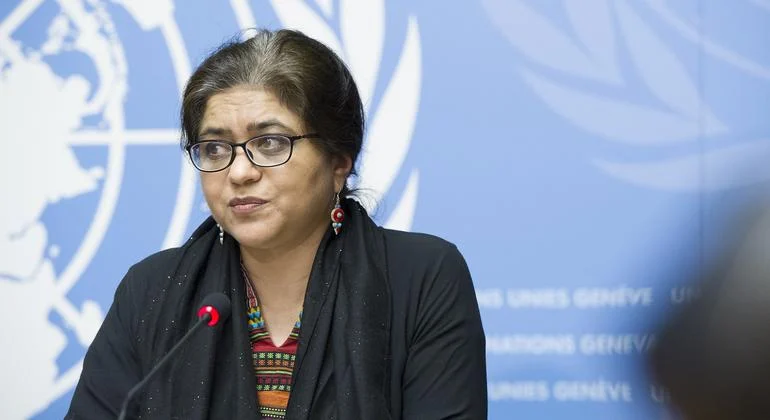
The FFM, comprised of independent experts Sara Hossain (chair), Viviana Krsticevic, and Max du Plessis, has documented a pattern where the Iranian judiciary utilizes capital punishment as a tool of deterrence during periods of social upheaval. By fast-tracking these cases, the state seeks to project an image of absolute control, even at the cost of international isolation and internal dissent.
Chronology of Judicial Expediency
To understand the gravity of the current situation, one must look at the rapid-fire succession of state-sanctioned killings over the past six months:
- December 2023: Nationwide protests erupt, marking the start of the current cycle of civil unrest.
- March 2024: Three young men are executed in Qom following convictions related to the deaths of security forces during the protests.
- April 2024: Four individuals are executed in Tehran following allegations of an attack on a Basij paramilitary base—an organization under the Islamic Revolutionary Guard Corps (IRGC).
- Late February 2024: New regional hostilities commence, compounding the existing internal pressure on the Iranian state.
- July 15, 2024: Tehran Prosecutor General Ali Salehi, acting on a directive from Head of the Judiciary Gholam-Hossein Mohseni-Eje’i, announces that all cases related to the December, February, and June unrest have been finalized and referred to courts for immediate resolution.
- July 19, 2024: The executions of Erfan Esfandiari and Gol Mohammad Mohammadi are carried out, triggering the current UN outcry.
The directive to "expedite" these cases has effectively dismantled the standard appellate process, leaving those accused with little opportunity to mount a credible defense or seek clemency.
Supporting Data: The Statistics of Fear
The surge in the use of the death penalty has become a primary focus of the UN’s monitoring efforts. Since December, the data provided by the Fact-Finding Mission and allied human rights organizations presents a disturbing picture:
- Total Death Sentences: More than 60 individuals have been sentenced to death since the onset of the latest wave of protests.
- Demographics of the Condemned: Among those facing the gallows are at least three women and two boys, underscoring the indiscriminate nature of the state’s crackdown.
- Confirmed Executions: According to the Iranian Judiciary’s own reporting, 23 men have been executed specifically in relation to the protest-related unrest since March.
These figures represent a significant spike compared to previous years, reflecting a "securitized" approach to legal proceedings where political dissent is increasingly classified as a capital offense against national security.
Official Responses and the "Expedition" Mandate
The Iranian authorities maintain that these judicial actions are necessary to restore order and hold perpetrators of violence accountable. In mid-July, the announcement by Tehran Prosecutor General Ali Salehi served as a public declaration that the state would no longer tolerate delays in the judicial pipeline. By consolidating cases related to the protests and "hostilities" (a broad category used to describe anti-government activities), the judiciary has removed the procedural safeguards that typically slow down capital cases.
The UN experts have voiced grave concern over this move. By fast-tracking proceedings, the state is effectively creating a conveyor belt of executions that bypasses the scrutiny required for such finality. "The announcement raises serious fears of further death sentences and executions," the Mission warned, pointing out that the speed of the legal process is inversely proportional to the quality of justice afforded to the defendants.
Implications for Human Rights and Regional Stability
The implications of this trend extend far beyond the walls of Iran’s prisons. The international community, led by the UN Human Rights Council, views these executions as a direct violation of international law, including the International Covenant on Civil and Political Rights (ICCPR), to which Iran is a signatory.
1. The Erosion of Due Process
The use of the death penalty for protest-related activities—particularly when the evidence is based on confessions extracted under duress—undermines the fundamental right to a fair trial. The lack of transparency in these trials makes it impossible to verify the claims made by the prosecution, leading to widespread suspicion that these individuals are being scapegoated.
2. The Deterrence Fallacy
While the Iranian state argues that these executions are a deterrent against future violence, history suggests that such measures often serve to deepen public resentment and radicalize the opposition. The use of the death penalty against young people, including teenagers, creates a generational trauma that is likely to fuel, rather than quell, future dissent.
3. Diplomatic Isolation
The persistent disregard for international calls to establish a moratorium on the death penalty puts Iran at odds with the global human rights community. As the FFM continues its work, the documentation of these executions will likely serve as evidence in future legal and diplomatic forums, further complicating Iran’s efforts to re-engage with the global order.
Conclusion: A Call for a Moratorium
The Independent International Fact-Finding Mission remains steadfast in its mandate. Established in November 2022 by the UN Human Rights Council, the Mission operates as an independent body, tasked with investigating the human rights implications of the protests. Its members—who serve without compensation—are dedicated to ensuring that the voices of the victims and their families are heard on the global stage.
In its most recent statement, the Mission reiterated its fundamental demand: Iran must immediately halt all executions. Furthermore, it urged the Iranian government to establish a formal moratorium on the use of the death penalty with the ultimate goal of full abolition.
As families across Iran wait in fear for news of their loved ones, the international community faces a critical juncture. The actions of the next few weeks will determine whether the Iranian state chooses to continue its path of judicial violence or whether it will heed the call to respect the fundamental right to life—a cornerstone of any just society. The world is watching, and for those on death row in Iran, the clock is running out.
 Lina Hope
 Asro
Asro
 Layla Zulfa
