


As the oppressive heat of summer gives way to the crisp, amber-hued afternoons of autumn, a familiar cultural shift takes hold. Barbecue grills are packed away, pool floats are deflated, and pop culture simultaneously pivots toward the macabre. The arrival of the "spooky season" is bolstered this year by critical darlings like Zach Cregger’s widely praised Resident Evil feature film adaptation, signaling to the public that it is once again time to seek out thrills and chills.
Yet, for a distinct subset of gamers, the appetite for horror extends far beyond seasonal novelty. These enthusiasts treat spine-chilling titles like Silent Hill f and Resident Evil Requiem not as harrowing ordeals to be endured, but as comforting, reliable escapism. To them, navigating a nightmare-fueled landscape carries the same relaxed psychological weight as curling up with a classic sitcom or sinking a few hours into a peaceful farming simulator like Stardew Valley.
This phenomenon—often colloquially termed "cozy horror"—has flourished across media. While cinematic and television landscapes have long embraced approachable scares (think Gremlins, Tremors, or the Emmy-winning horror-comedy series Widow’s Bay), interactive gaming is uniquely positioned to maximize the appeal. By marrying the cozy mechanics of management and simulation games with the high-stakes tension of the macabre—as seen in titles like Grave Seasons and Devolver Digital’s roguelike hit Cult of the Lamb—developers have tapped into a deep, evolutionary psychological need.
To understand why millions of players actively seek out terror for relaxation, we must examine the intersection of affective neuroscience, evolutionary biology, and modern game design.

Main Facts: The Rise of "Cozy Horror" in Gaming
The concept of cozy horror might initially sound like an oxymoron, but its foundational pillars are well-established in entertainment history. Traditional horror aims to disorient, terrify, and push audiences to their emotional limits, often utilizing relentless gore and jump scares (exemplified by franchises like Saw or Terrifier). In contrast, cozy horror provides a safety net. It delivers atmospheric dread, compelling mysteries, and stylized suspense, all while wrapping the player in familiar, manageable gameplay loops.
In the gaming sector, this sub-genre has evolved rapidly:
- Genre Blending: Modern developers are increasingly subverting cozy tropes. Games like Grave Seasons merge the community-building and agricultural routines of Stardew Valley with a hidden serial killer mystery, forcing players to balance crop yields with forensic deduction.
- Psychological Safety: Unlike pure survival horror games designed to induce unmitigated panic, cozy horror offers predictability, aesthetic charm, and structured progression systems that mitigate genuine distress.
- The Comfort of Catharsis: For many players, engaging with virtual horror acts as a controlled exposure therapy, allowing them to process existential dread and anxiety within the confines of a simulated, escapist space.
Chronology: How Virtual Terror Became a Comfort Food
The journey of horror games from niche, stress-inducing experiments to mainstream comfort food spans decades of technological and cultural evolution.
- The Genesis of Survival Horror (Late 1990s): The release of foundational titles like the original Resident Evil and Silent Hill established the baseline for interactive terror. At the time, these games were strictly designed to frighten, utilizing fixed camera angles, scarce resources, and oppressive sound design to induce maximum anxiety.
- The Action-Horror Shift (2000s–2010s): As hardware evolved, horror games leaned heavily into action and cinematic spectacle (such as Resident Evil 4). While thrilling, this shift inadvertently diluted the atmospheric dread, pushing some hardcore fans to seek alternative ways to engage with the genre—often treating replayed classics as familiar, comforting routines.
- The Indie Revolution and Genre Mashups (Early 2020s): The indie game development scene democratized game design, leading to clever cross-pollinations. The 2022 release of Cult of the Lamb proved that players loved managing a cute, wholesome community while simultaneously engaging in dark, occult rituals and dungeon crawling.
- The Modern Era (Present Day): Today, major publishers and indie studios alike actively design games around the "cozy horror" ethos. With anticipated titles like Silent Hill f leaning heavily into atmospheric, folkloric dread alongside aesthetic beauty, the industry has officially recognized that horror can double as a comfort genre.
Supporting Data and Neuroscientific Perspectives: Taking Back Control
To uncover the biological mechanics behind why human beings derive comfort from fear, we spoke with affective neuroscientist Dr. Eric Leonardis, an expert in how the human brain processes emotions through play and media entertainment.

According to Dr. Leonardis, the primary driver behind our attraction to virtual horror is the psychological concept of dark play—the human urge to safely explore negative, taboo, or terrifying themes to gain a sense of future mastery.
"It’s what they call dark play in the literature, this idea that if you have these explorations of negative themes, sometimes doing so will actually make you feel like you have more control over what might happen in the future," Dr. Leonardis explains. "Because we’ve simulated it, we’ve thought it through, right? The classic example is like when Michael Myers comes up the stairs, and you’re like, ‘Don’t go into the basement, go out the front door. Get out of there.’ You know what I mean? This is what I would do in this situation, right? And that can be comforting."
This sense of comfort is further reinforced by the absolute psychological safety of the medium. Even when a player’s virtual avatar is brutally dispatched by a grotesque monster, the conscious mind remains anchored in reality, fully aware of its physical safety.
Furthermore, human neurological wiring treats virtual spaces with surprising biological authenticity. Dr. Leonardis points to specialized neurons known as place cells, which fire to help us map our physical environments. Surprisingly, these same cells are heavily recruited during virtual gaming.

"About 25 to 30 percent of place cells are recruited for virtual spaces versus real life," Dr. Leonardis notes. "It speaks to our brain’s ability to actually project ourselves into these environments. We’re engaging the same evolutionary structures that we’ve used in the past to perceive real humans and animals. It’s another situation where we can use our machinery in the brain to actually perceive very complex aspects of these environments."
This neural immersion explains why navigating virtual danger triggers genuine evolutionary responses—keeping our survival instincts sharp—while the cerebral safety net allows us to remain entirely at ease.
Official Responses and Industry Insights
Game developers and industry analysts have increasingly leaned into these psychological insights when designing modern horror experiences. Rather than relying solely on cheap jump scares—which often trigger exhaustion rather than engagement—designers focus on atmospheric immersion, pacing, and player agency.
Recent developer roundtables at major gaming conventions have highlighted a marked shift in player demographics. A growing segment of the gaming audience uses horror titles as decompression tools after high-stress workdays. The predictability of enemy patrol paths, the steady accumulation of inventory upgrades, and the eventual mastery of a terrifying map provide a structured dopamine loop that casual puzzle or farming games sometimes fail to deliver.
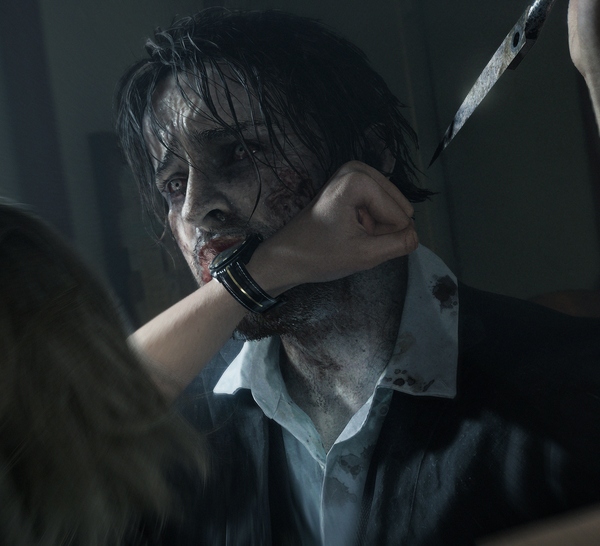
By balancing terror with mastery, developers are effectively weaponizing comfort, turning what was once meant to cause sleepless nights into a soothing bedtime routine.
Implications: What Cozy Horror Means for the Future of Interactive Media
The burgeoning popularity of cozy horror carries significant implications for the future of entertainment technology and game design.
- Broadened Market Appeal: By stripping away the pure, unadulterated stress of traditional survival horror and injecting cozy, accessible mechanics, developers are successfully onboarding players who would have otherwise avoided the genre entirely.
- Evolution of Virtual Reality (VR): As VR hardware becomes more immersive, understanding how place cells and emotional processing intersect will be crucial. Creators will need to carefully balance the hyper-realistic terror of virtual environments with psychological grounding techniques to ensure players can enjoy the thrill without experiencing genuine trauma.
- Redefining "Relaxing" Media: Cultural definitions of relaxation are expanding. Where past generations turned exclusively to pastoral landscapes and lighthearted comedies to unwind, modern audiences increasingly find solace in confronting their fears within safe, simulated boundaries.
As we step further into the autumn season—preparing to dive back into the decaying streets of Raccoon City or the fog-drenched alleyways of Silent Hill—players can take comfort in knowing that their hobby is more than mere escapism. It is a complex, biologically grounded exercise in emotional regulation, agency, and survival preparation.
So, the next time you willingly subject your virtual avatar to a horde of the undead, give yourself some credit: you aren’t just playing a game—you’re mastering your fears, one pixelated nightmare at a time.
 Nana Muazin
 Layla Zulfa
 Basiran
