

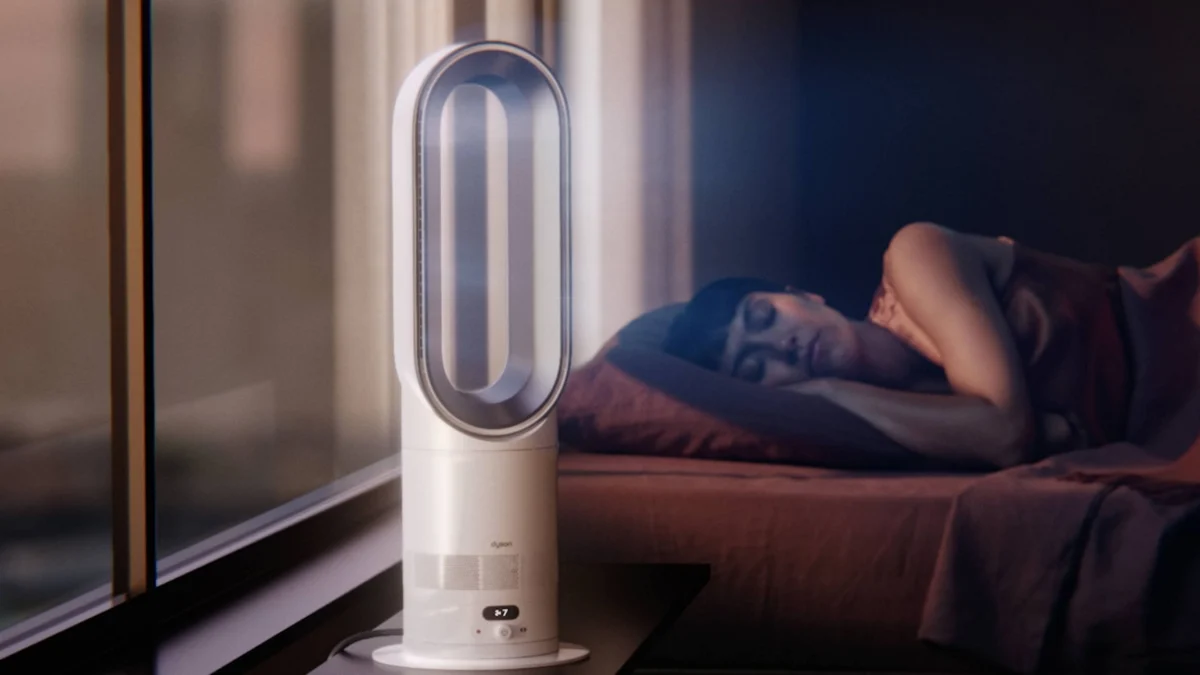
In an era of smart-home integration, the appliances we rely on for comfort are undergoing a significant transformation. Leading this charge is the Dyson Hot+Cool HF1, a premium, dual-purpose device designed to eliminate the seasonal clutter of space heaters and tower fans. Retailing at $499, the HF1 promises to streamline home climate management through advanced engineering, intuitive software, and a minimalist aesthetic.
After three months of rigorous daily testing, it is clear that the HF1 is more than just a space-saving gimmick. It represents a shift toward "set-it-and-forget-it" environmental control, though potential buyers should calibrate their expectations regarding its cooling capabilities.
Main Facts: The Intersection of Heating and Cooling
The Dyson Hot+Cool HF1 serves two distinct purposes: it acts as a space heater during colder months and a high-velocity air circulator when temperatures rise. Its signature bladeless design—a Dyson hallmark—is not merely aesthetic; it is the cornerstone of the unit’s safety, ease of maintenance, and air projection capabilities.
- Pricing: $499.
- Dimensions: 23 inches in height, weighing under six pounds.
- Safety Features: Tip-over auto-shutoff; bladeless design (no exposed spinning parts).
- Smart Integration: Compatibility with the MyDyson app for remote scheduling, oscillation control, and thermostat monitoring.
- Acoustics: 26-decibel output in dedicated Sleep mode.
Unlike traditional resistance heaters that rely on exposed coils, the HF1 uses an intelligent thermostat to monitor ambient room temperature, adjusting its output dynamically to reach a user-defined setpoint. This creates a more stable thermal environment compared to standard heaters that cycle on and off based on rudimentary timers.
Chronology: Three Months of Real-World Testing
The testing process was designed to simulate the varied climate needs of a modern professional, moving from late-season heating requirements into the onset of summer cooling.
Phase 1: The Heating Transition
In the first month, the device was tested in a drafty home office. The primary advantage noted during this period was the precision of the thermostat. Traditional heaters often cause "hot spots" or wild temperature swings. The HF1, conversely, maintained a steady warmth. The oscillation settings (15, 40, and 70 degrees) were particularly effective at distributing heat evenly across the workspace without blowing hot air directly onto the user.
Phase 2: Software Integration
By the second month, the focus shifted to the MyDyson app. The ability to toggle the device from a smartphone—whether from a different room or while commuting—transformed the user experience. The scheduling feature allowed the room to be pre-warmed before the workday began, a level of convenience that justifies a portion of the premium price tag.
Phase 3: The Cooling Reality Check
During the final month, as temperatures rose, the unit was transitioned to cooling mode. This is where the user must be clear on definitions: the HF1 is not an air conditioner. It does not utilize a compressor or refrigerant to lower the ambient air temperature. It is a high-performance fan. While it excels at moving air and creating a cooling breeze, it cannot lower the actual temperature of a room during a heatwave.
Supporting Data: Engineering and Performance
The performance of the HF1 is supported by its mechanical versatility. The adjustable tilt mechanism is a subtle but critical feature, allowing the user to direct airflow toward a desk, a bed, or across an entire living space.
Acoustic Performance
For those sensitive to noise, the 26-decibel "Sleep mode" is a standout feature. During testing, the unit proved exceptionally quiet, barely audible over the ambient background noise of a quiet house. The dimming display is an added touch for bedroom use, ensuring the device remains unobtrusive during the night.

Maintenance and Efficiency
Traditional fans collect dust on their blades, which then requires tedious disassembly to clean. Because the HF1 is bladeless, cleaning consists of a simple wipe-down with a microfiber cloth. This design choice significantly extends the lifespan of the unit’s internal components, as dust buildup on motor housing is a common cause of premature fan failure.
Official Responses and Safety Considerations
Dyson has positioned the HF1 as a "family-first" appliance. The lack of exposed blades is a vital safety feature for households with small children or pets. However, in our testing, we identified a necessary caveat: while the airflow is safe, the metal casing at the front of the unit can become warm to the touch when the heating element is running at high capacity. While it does not reach the dangerous temperatures of a glowing red wire-coil heater, it is not "cool to the touch" during operation.
Regarding the unit’s intelligence, the software receives periodic firmware updates via the MyDyson app. Dyson’s commitment to updating the software implies that the device’s capabilities—specifically regarding scheduling and energy-tracking—could theoretically improve over time.
Implications: Is the $499 Price Tag Justified?
The decision to invest in a $499 climate control unit is not one to be made lightly. To determine if the HF1 is the right choice, consumers must weigh the following implications:
The "All-in-One" Value Proposition
If you live in a space where storage is at a premium, the HF1 is a game-changer. By replacing two distinct appliances, it declutters closets and minimizes the number of devices requiring maintenance and seasonal setup. For urban dwellers in small apartments, this consolidation is a significant benefit.
The "Smart" Utility
The integration with the MyDyson app elevates the device from a "dumb" heater to a part of an automated home ecosystem. The convenience of remote scheduling and precise temperature monitoring provides a level of comfort that basic space heaters cannot match. However, if you are a user who prefers physical buttons and dislikes app-dependent technology, you may find the reliance on the software to be an unnecessary hurdle.
The Performance Ceiling
It is imperative to emphasize that this device is not a replacement for central air conditioning or an HVAC system. If the goal is to significantly lower the temperature of a room on a sweltering summer day, the HF1 will fall short. Its strength lies in its ability to circulate existing air and maintain a consistent, pre-set temperature through efficient heating.
Sustainability and Longevity
Dyson’s build quality suggests a device intended for long-term use. Given the ease of maintenance and the lack of mechanical degradation typically seen in rotating-blade fans, the HF1 is likely to have a longer operational life than budget-tier alternatives. Over a period of five years, the cost-per-year of the device becomes much more palatable.
Conclusion
The Dyson Hot+Cool HF1 is a masterclass in product design and refinement. It succeeds by identifying the primary pain points of home climate control—seasonal storage, safety, maintenance, and noise—and addressing them with elegant engineering. While the price is undeniably steep, it is an investment in convenience and comfort. For the light sleeper, the busy professional, and the design-conscious homeowner, the HF1 offers a polished, intelligent, and highly capable solution to the challenges of year-round temperature management.
 Asep Darmawan
 Siti Muinah
 Ali Ikhwan
