

BOSTON — The intersection of major league sports, corporate venue management, and international geopolitics has once again claimed a casualty in the live music industry. The controversial decision by pop megastar Ed Sheeran to drop rapper Macklemore from his stadium tour—prompted by political pressure from New England Patriots owner Robert Kraft—has sparked fierce debate across the music community.
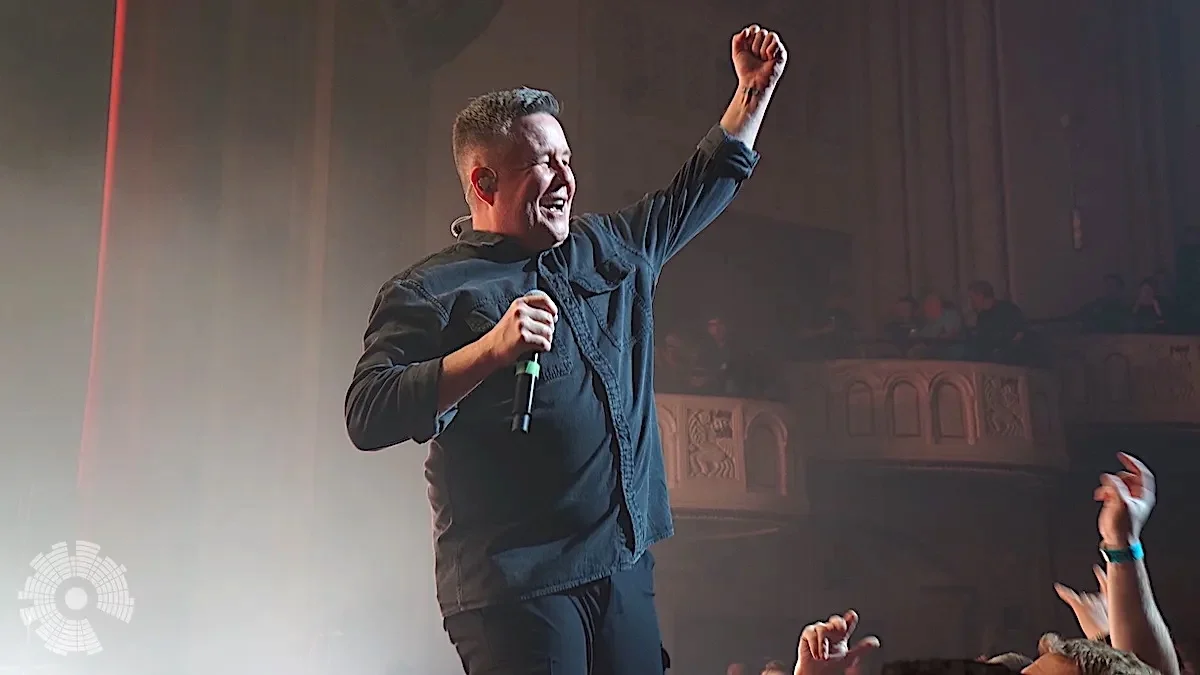
Among the most vocal critics is Ken Casey, the outspoken frontman of Celtic punk icons Dropkick Murphys. Appearing on Boston Public Radio, Casey did not mince words regarding Sheeran’s compliance with stadium executives, championing a code of tour solidarity that he argues should supersede bottom-line corporate interests.
As the fallout from the incident continues to reverberate, industry analysts, civil libertarians, and artists alike are examining what this high-profile clash means for freedom of expression on the modern concert stage.
Main Facts: Anatomy of a Tour Cancellation
The controversy centers on a high-stakes standoff between live entertainment conglomerates, stadium ownership, and artistic autonomy.
- The Catalyst: Macklemore, who served as a supporting act on select dates of Ed Sheeran’s sprawling stadium tour, delivered pro-Palestine remarks from the stage during a concert, drawing immediate and intense public scrutiny.
- The Ultimatum: Robert Kraft, owner of the New England Patriots and Gillette Stadium in Foxborough, Massachusetts, reportedly issued a direct ultimatum to Sheeran and his promotional team: remove Macklemore from the lineup, or face the cancellation of an upcoming high-profile show at Gillette Stadium. Kraft allegedly spearheaded efforts, encouraging other NFL and major stadium owners to adopt a similar hardline stance against political discourse on their properties.
- The Capitulation: Rather than standing by his opening act or relocating the performance, Sheeran complied with the venue’s demands, cutting Macklemore from the tour.
- The Backlash: The decision triggered widespread condemnation from free-speech advocates and fellow musicians, who viewed the move as an alarming capitulation to corporate censorship and political blacklisting.
Chronology of Events: From the Stage to the Airwaves
To understand the gravity of Casey’s comments, it is necessary to trace the rapid escalation of the dispute over the course of the tour cycle.
Phase 1: The Inciting Incident
During a live performance on the tour, Macklemore addressed the crowd regarding the ongoing humanitarian crisis in Gaza, offering vocal support for Palestine. While artists have historically used stadium stages as platforms for socio-political commentary, the remarks immediately attracted the attention of conservative commentators, pro-Israel advocacy groups, and corporate venue stakeholders who view partisan or geopolitical messaging as a liability.
Phase 2: The Kraft Intervention
As the video clips circulated online, Robert Kraft—one of the most influential figures in American sports and stadium real estate—stepped in. Operating under the philosophy that major sports venues should remain neutral ground or adhere strictly to corporate-approved standards of conduct, Kraft exercised his leverage as a primary stadium owner. By threatening to pull the plug on Sheeran’s lucrative Gillette Stadium date, Kraft forced the headliner into a corner: protect the supporting act and lose millions in stadium revenue, or drop the artist and preserve the tour itinerary.
Phase 3: The Removal and Public Fallout
Sheeran’s camp quietly moved forward with Macklemore’s removal. While the pop star initially attempted to weather the PR storm with minimal commentary, the silence from the headlining camp only fueled public outrage. Fans and critics alike questioned the ethics of abandoning a tour partner under economic duress.
Phase 4: Ken Casey Weighs In
Entering the fray during his Boston Public Radio appearance, Ken Casey injected a dose of blue-collar punk ethos into the high-brow pop controversy. Drawing on three decades of road-tested experience, Casey publicly rebuked Sheeran’s handling of the situation, cementing the story as a major talking point across cultural and political spheres.
Supporting Data and Industry Context: The Code of the Road
For decades, the unwritten laws of touring have dictated a deep sense of mutual reliance between headliners and support acts. Bands often hand-select their openers to cultivate a community, build a cohesive stylistic narrative for the audience, and provide emerging or stylistically aligned artists with crucial exposure on the live circuit.
The "Family" Dynamic of Touring
Ken Casey encapsulated this long-standing industry tradition during his radio interview:
"I know that, as a musician for 30 years, anytime we’ve gone on tour we’ve selected the bands that have opened for us. That’s brotherhood, sisterhood, that’s family. You live or die with the people you bring on the road. They’re your people."
Casey contrasted this collaborative philosophy directly with Sheeran’s actions, arguing that financial convenience should never outweigh loyalty to a tour partner:
"And the fact that Ed Sheeran took the knee, no matter what the cause is, and not stood with his fellow tour partner, just doesn’t sit right with me. And that’s not how Dropkick Murphys would operate."
Putting Principles Over Profits
To prove his point, Casey pointed to his own band’s recent experiences with political polarization. Referencing the Dropkick Murphys’ recent performance at the Rocklahoma festival—where Casey delivered sharp anti-Donald Trump messaging—the frontman acknowledged that his rhetoric likely alienated a significant portion of the audience and displeased festival organizers.
Despite the potential commercial fallout, Casey maintained that true artistry requires conviction: "We probably lost half the crowd… but you felt that you needed to do what you had to do."
Official Responses and Perspectives
The clash between Sheeran, Macklemore, and Kraft highlights a deep ideological divide within the modern entertainment industry, pitting corporate risk-management against the historic tradition of artist activism.
- The Corporate/Venue Perspective: Stakeholders like Robert Kraft argue that massive sports stadiums are commercial enterprises designed for broad-appeal entertainment, not geopolitical rallies. From this viewpoint, venue owners have a fiduciary and public-relations responsibility to ensure that events hosted on their properties do not alienate vast segments of the ticket-buying public or invite civic unrest. Proponents of this stance believe venue operators are well within their rights to enforce codes of conduct.
- The Artist/Free-Speech Perspective: Conversely, musicians and civil liberties organizations view venue-imposed blacklists and headliner capitulations as a direct threat to the First Amendment and artistic freedom. Critics argue that when billionaires and stadium owners can dictate what artists are allowed to say—or who they are allowed to tour with—live music loses its potency as a countercultural medium and is reduced to sanitized, corporate product.
Implications: What This Means for Live Music
As the dust settles on the Sheeran-Macklemore controversy, industry insiders are left pondering the long-term ramifications for touring artists, independent musicians, and major venues alike.
1. Increased Self-Censorship on Tour
The chilling effect of Macklemore’s removal is palpable. Artists who rely on major arenas and stadiums for their livelihoods may think twice before speaking out on controversial international issues, fearing that a single off-hand remark could result in canceled dates, severed contracts, and multimillion-dollar lawsuits from venue operators.
2. The Power Imbalance in Live Entertainment
The incident underscores the immense, unchecked power wielded by stadium conglomerates and sports team owners who control critical touring infrastructure. When a handful of multi-industry moguls can dictate the rosters of global pop tours, the autonomy of the artist is severely compromised.
3. A Return to Grassroots and Independent Spaces
As mainstream venues become increasingly hostile to political discourse and controversy, alternative and independent spaces may see a resurgence. Punk, indie, and folk artists who prioritize ideological freedom over arena-sized profits—much like the Dropkick Murphys—are likely to lean further into DIY venues, independent festivals, and self-promoted tours where corporate ultimatums hold no sway.
What Lies Ahead for Dropkick Murphys
True to form, the Dropkick Murphys are charging forward with their characteristic defiance. Following his fiery statements on the radio, Casey and the band are gearing up for high-profile appearances, including a slot at Tom Morello’s upcoming Power to the People festival in Columbia, Maryland, on October 3rd. From there, the band will embark on an international tour across Australia and New Zealand alongside Rise Against—a lineup built, true to Casey’s creed, on mutual respect and shared solidarity.
Whether mainstream pop acts like Ed Sheeran will rethink their approach to tour partnerships under pressure remains to be seen, but one thing is certain: the battle lines between corporate pragmatism and artistic defiance have officially been drawn.
 Asro
Asro
 Lina Irawan
 rifanmuazin
