

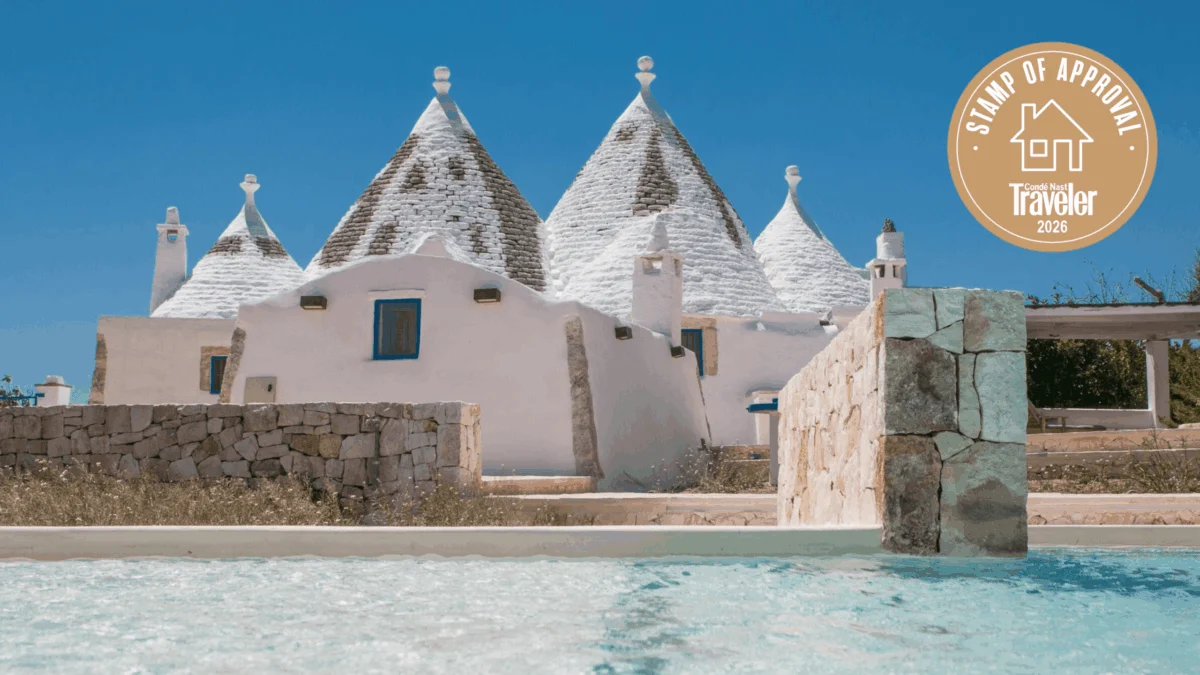
Planning a family vacation is an exercise in complex diplomacy. When multi-generational groups travel together, the objective is to find a sanctuary that satisfies disparate desires: comfort for parents, convenience for siblings, and, for the discerning traveler, a sense of place that transcends the typical tourist experience. For one family visiting Italy’s sun-drenched Puglia region in September, this pursuit led to a deep dive into the Itria Valley, resulting in an unforgettable stay at the historic and beautifully curated Trullo Giulio.
The Architecture of Memory: Defining the Search Criteria
The search for the perfect holiday home in Southern Italy is rarely just about square footage. It is about geography, history, and the specific aesthetic identity of the Mediterranean. For this travel party, the requirements were rigid: a trullo—the iconic, conical-roofed limestone dwelling unique to the Apulian countryside—was the non-negotiable anchor.
Beyond the architectural mandate, practical considerations were paramount. A functional laundry facility was required for an extended stay, and a swimming pool was deemed essential for the humid September afternoons. Finally, as the party included a former design editor, the interior aesthetic had to honor the region’s minimalist, rustic elegance rather than detract from it. After hours of meticulous filtering, the search narrowed to Trullo Giulio, located just 15 minutes outside the picturesque town of Martina Franca.
Chronology of the Stay: From Bari to the Olive Groves
The journey began with a 90-minute drive from the airport in Bari, a transition from the urban bustle of the regional capital to the serene, rolling landscapes of the Itria Valley. Upon arrival, the remoteness of the location was underscored by the sight of the local property manager, Anna, arriving in a vintage, dust-coated red farm truck—a quintessential rural scene set against a backdrop of endless, silver-leafed olive groves.
Days 1-2: Orientation and Immersion
The initial phase of the trip was defined by orientation. Despite language barriers, a combination of the father’s three years of Italian study and universal non-verbal communication facilitated a smooth check-in. The property, comprised of a main trullo housing two bedrooms and a bath, plus two additional outbuildings for the kitchen and extra sleeping quarters, provided a sprawling, decentralized living experience that encouraged outdoor movement.

Days 3-5: The Ritual of the Pool and Pergola
By the third day, the rhythm of the trip had fully settled. The pool, a saltwater infinity-edge masterpiece, became the epicenter of the vacation. Gazing out over the ancient olive groves from a whirlpool vantage point provided a sensory reset. Mid-trip, the focus shifted to culinary exploration, utilizing the massive outdoor dining table under a shaded pergola for breakfast, lunch, and long, lingering dinners.
Day 6: The Culmination
The final chapter of the stay was dedicated to the art of the region. The group participated in an authentic pasta-making class hosted by local residents, Cristiana and her mother. This experience, held in a beachside trullo in Cozze, served as a poignant reminder of the importance of local knowledge. Hand-rolling orecchiette while sipping homemade limoncello offered a deeper connection to the culture than any museum or historical monument could provide.
Supporting Data: Understanding the Trullo Phenomenon
The trullo is more than a vacation rental; it is a UNESCO World Heritage-recognized marvel. Historically used as field shelters or storehouses, these limestone structures are constructed using a prehistoric technique known as dry-stone masonry.
- Design Influence: The interior aesthetic of Trullo Giulio mirrors the Cycladic influences often found in the Mediterranean—whitewashed walls, deep blue accents, and an emphasis on raw, breathable stone surfaces.
- Sustainability and Modernity: Modern renovations have carefully integrated utilities while maintaining the integrity of the vaulted ceilings. However, travelers should note that these heritage sites often present unique challenges:
- Connectivity: Wi-Fi and cell service in rural Itria Valley are notoriously intermittent, forcing guests to disconnect from the digital world.
- Climate Control: While outbuildings often feature modern AC, the thick stone walls of the main trullo offer natural insulation, though they may lack the high-tech climate precision of modern hotels.
- Privacy: Many trulli rely on traditional curtain partitions rather than heavy doors, reflecting the historical communal nature of these homes.
Expert Insights and Local Recommendations
To truly experience Puglia, one must look beyond the well-trodden paths of Alberobello. For those basing their stay near Martina Franca, the following regions and establishments are highlighted as essential components of an authentic itinerary:
- Grottaglie: Widely considered the ceramic capital of the region, it is a mandatory day trip for those seeking artisanal pottery and local craftsmanship.
- Dining: Local establishments such as Sale e Pepe offer a high-quality, accessible introduction to Apulian gastronomy, featuring wood-fired pizzas and local grilled meats. For seafood enthusiasts, Ricciolandia is frequently cited by locals for its fresh sea urchin preparations.
- Day Trips: The property’s location serves as a strategic "launchpad." Within a 60-minute radius, travelers can reach the white-washed heights of Ostuni, the dramatic cliffside views of Polignano a Mare, and the iconic limestone clusters of Alberobello.
Implications for Future Travelers
The experience at Trullo Giulio serves as a case study for the evolving "slow travel" movement. In an era where travel is often defined by "checking off" landmarks, this trip highlights the shift toward experiential domesticity.

The Shift in Value
Travelers are increasingly prioritizing the "home base" experience over hotel luxury. The success of this family vacation was not dictated by thread counts or 24-hour room service, but by the ability to create a "micro-community" within the rental property. The kitchen, the pergola, and the pool deck became the primary stages for family interaction.
The Trade-offs of Authenticity
Prospective guests should be prepared to embrace the "quirks" of historic properties. The lack of constant connectivity is not a failure of infrastructure, but a defining feature of the trullo lifestyle. By accepting that certain modern conveniences may be limited, travelers open themselves up to a slower, more intentional form of leisure.
Conclusion: The Table as the Center of the World
Ultimately, the architecture, the scenic views, and the proximity to beach towns are secondary to the primary goal of any family excursion: time spent together. Trullo Giulio provided the necessary environment to facilitate that connection. Whether it was the quiet mornings spent in the olive groves or the evening sessions of kneading dough, the home acted as a catalyst for memory-making.
For families looking to recreate this experience, the lesson is clear: seek out accommodations that encourage gathering. When the home becomes a sanctuary, the vacation ceases to be a sequence of events and becomes a collective experience, anchored by the simple, enduring joy of sharing a meal around a table.
 Lina Irawan
 Suro Senen
 Lina Hope
