

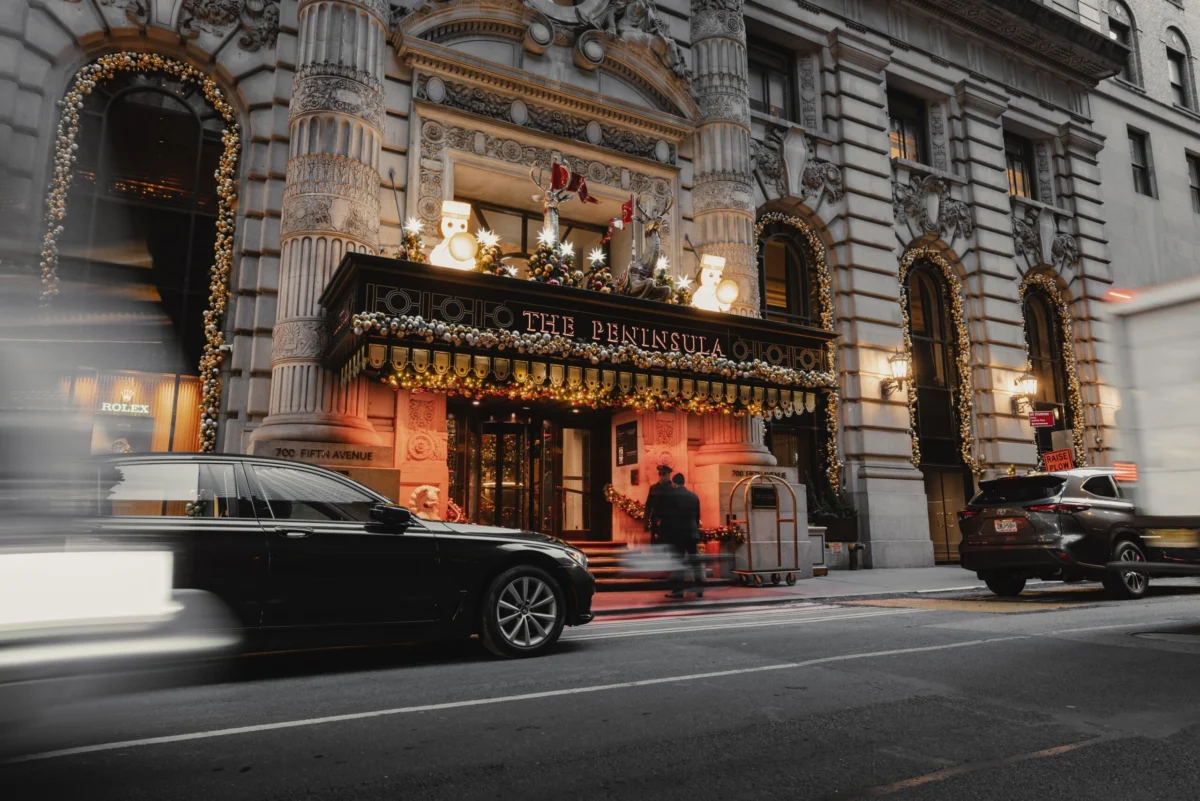
There is a singular, kinetic energy that defines New York City in December—a frantic, glittering alchemy of freezing temperatures, glowing window displays, and the unmistakable scent of roasted nuts and evergreen. For those who have lived the Manhattan experience, December is not merely a month; it is a season of endurance and enchantment. Whether it is the rhythmic clatter of skates at Bryant Park, the architectural splendor of the Rockefeller Center tree, or the elaborate dioramas lining Fifth Avenue, the city functions as a theater of holiday nostalgia.
However, transitioning from a resident to a visitor changes the perspective. For families returning to the city for the holidays, the logistical challenge of recapturing that "magic" is often balanced by the need for a sanctuary that extends the festive spirit beyond the sidewalk. Today, New York’s hospitality sector has pivoted to meet this demand, transforming luxury properties into immersive holiday destinations. From in-room tree trimming to curated scavenger hunts, the city’s top-tier hotels are increasingly prioritizing the "kid-centric" holiday experience.
The Evolution of the Festive Stay: Main Facts
In recent years, the competitive landscape of NYC luxury hospitality has shifted from offering standard amenities to providing high-touch, experiential programming. This trend is particularly pronounced during the winter holidays. Hotels are no longer just places to sleep; they are base camps for holiday excursions.

The core of this trend is the personalization of the guest room. Leading properties are now offering "Holiday Packages" that include pre-arrival setup services. Families can request fully decorated Christmas trees, customized stockings, and artisanal hot cocoa kits, ensuring that the festive atmosphere begins the moment the elevator doors open. Furthermore, these properties have leveraged their proximity to major tourist landmarks to create concierge-led itineraries, effectively serving as personal planners for families navigating the chaos of midtown Manhattan during the peak tourist season.
A Chronological Guide to the NYC Holiday Experience
To understand why families are flocking to these specific properties, one must look at the rhythm of a holiday visit to New York.
The Arrival: Setting the Scene (Early December)
The first phase of the stay involves immersion. Guests arriving in early December often prioritize proximity to the iconic tree-lighting ceremonies. Hotels near Rockefeller Center and the Fifth Avenue corridor see a surge in bookings as families seek to minimize travel time in the biting cold. During this phase, the focus is on the "Wow Factor"—the lobby displays, the gingerbread houses, and the first cup of complimentary hot cider.

The Mid-Month Rush: Active Exploration (December 10–20)
As the city reaches its peak congestion, families transition to the "activity-based" phase of their trip. This is when the hotels’ specific programming—such as hotel-sponsored ice skating sessions, private viewings of window displays, or visits from "in-house" Santas—becomes crucial. This period is defined by the balance between outdoor exposure and indoor recovery.
The Final Stretch: Coziness and Ritual (December 21–26)
As Christmas approaches, the emphasis shifts toward tradition. Families who have spent their mornings skating at Bryant Park or exploring the American Museum of Natural History return to their hotels for scavenger hunts, movie nights featuring holiday classics, and communal events in the hotel lounges. The hotel serves as a "home away from home," where the fatigue of the city is managed through service-oriented comforts.
Supporting Data: The Economic and Social Impact
The hospitality sector in New York City has seen a significant recovery and expansion in holiday-specific revenue streams. According to recent data from the New York City Tourism + Conventions board, the last quarter of the year represents the highest concentration of domestic travel for the city.

Surveys conducted among luxury property managers indicate that:
- 72% of families prioritize "family-friendly amenities" over proximity to transit when booking for the December period.
- 45% of high-end hotels have increased their budget for "seasonal activations," including lobby décor and in-room gift services.
- Average Length of Stay (ALOS): Families booking these holiday packages stay an average of 1.5 nights longer than standard business travelers, citing the need for "downtime" between city activities.
This data underscores a shift in consumer behavior. Guests are willing to pay a premium for a "frictionless" holiday—one where the logistics of holiday cheer are outsourced to the hotel concierge team.
Official Responses: The Philosophy of Holiday Hospitality
Industry leaders note that the competition to provide the "most magical" stay is intense.

"Our goal is to remove the stress of the holiday," says a spokesperson for one of Manhattan’s leading luxury chains. "New York is a wonderful city, but it is physically taxing. When a family walks into their room to find a tree already decorated with their children’s names on the ornaments, that is the moment the vacation truly begins. It allows parents to relax, knowing that the ‘holiday’ portion of the trip is taken care of."
Similarly, hotel concierges report a shift in requests. "We are seeing a move away from standard restaurant reservations toward experiential requests," says one senior concierge. "Parents want us to arrange private photos with Santa, or to find the best quiet spots to view the windows without the crushing crowds. They want a bespoke holiday."
Implications: The Future of the Festive Getaway
The success of these programs has significant implications for the future of urban tourism. As families seek more "meaningful" travel experiences, hotels are evolving into curators of memory.

The "Home-Away-From-Home" Model
The trend toward in-room personalization suggests that the definition of a luxury hotel is changing. The future of the industry lies in its ability to mimic the comforts of a private residence while providing the service standards of a five-star hotel. This "resimercial" (residential-commercial) blend is particularly effective during the holidays, where the emotional stakes of the travel experience are at their highest.
Sustainability and Efficiency
As these programs grow, hotels are also being pressured to address the environmental impact of their holiday spectacles. Many properties are moving toward LED lighting, reusable décor, and locally sourced catering for their festive menus, recognizing that the modern traveler is increasingly conscious of their carbon footprint, even while seeking luxury.
The Challenge of Scalability
While these high-touch services provide an incredible experience, they present a challenge for scalability. As more hotels attempt to offer bespoke holiday services, the labor cost and the pressure on staff to maintain these high standards increase. The most successful properties will be those that can integrate technology—such as app-based requests for hot cocoa or digital scavenger hunt interfaces—with the traditional, high-touch hospitality that defines the New York experience.

Conclusion
For those of us who have moved away, the magnetic pull of a New York Christmas is undeniable. It is a city that doesn’t just celebrate the season; it consumes it. By transforming hotel stays into extensions of the holiday narrative, New York’s hospitality industry is ensuring that the magic isn’t lost on the next generation.
Whether you are skating at Bryant Park, exploring the vibrant, crowded chaos of Fifth Avenue, or hiding candy canes in a hotel suite for your children to find, the city remains the ultimate holiday stage. As we prepare for our return to the city this year, we are reminded that the best part of New York in December isn’t just the sights—it’s the feeling that, for a few short days, you are living inside a story. And for families traveling to the city, the modern hotel has become the best way to ensure that story has a happy, and very comfortable, ending.
 rifanmuazin
 Lina Irawan
 Suro Senen
