

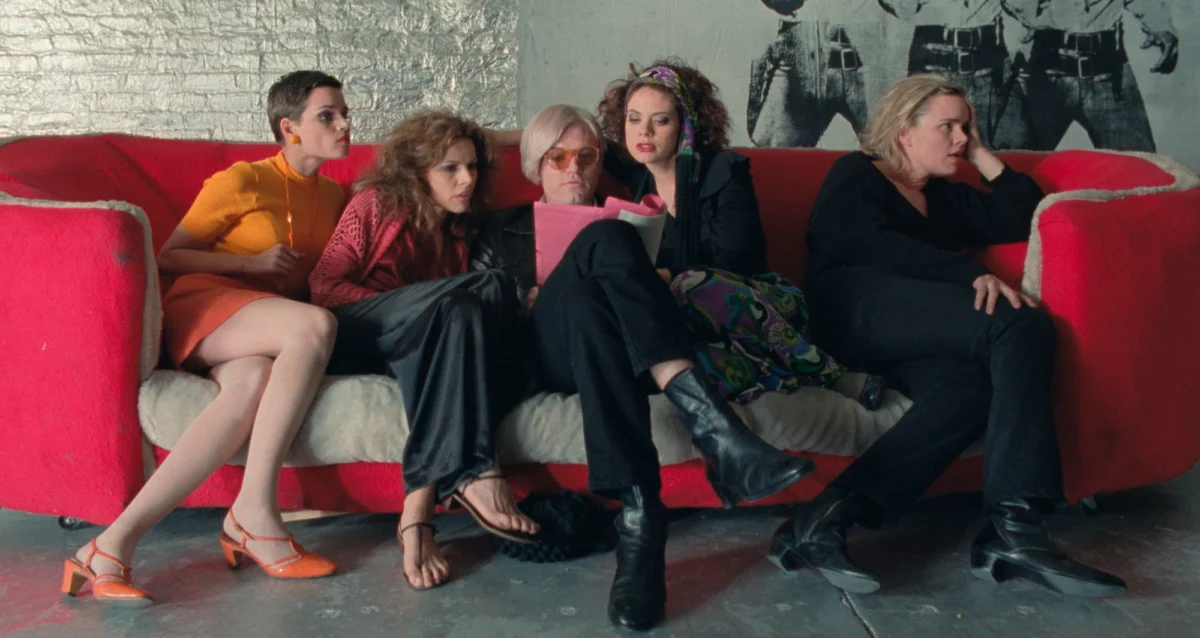
Andy Warhol occupies a singular, almost spectral position in the American cultural consciousness. He is simultaneously a man—the shy, wig-wearing Midwesterner who dutifully took his mother to Sunday mass—and a monolithic brand, the "Rumpelstiltskin" of the art world who spun the ephemeral detritus of consumer culture into gold. He was a creature of profound contradiction: a social recluse who presided over the most debauched parties in New York history, and a man who was simultaneously desperate for attention and deeply uncomfortable in his own skin.
Thirty years ago, director Mary Harron sought to penetrate this veil of myth. Her 1996 drama, I Shot Andy Warhol, has returned to theaters in a stunning 4K restoration, serving as a reminder that the film was not merely a biopic, but a subversive interrogation of celebrity, gender, and the predatory nature of the 1960s avant-garde.
The Collision of Two Outsiders
The film centers on the radical feminist Valerie Solanas, the author of the 1967 SCUM Manifesto (Society for Cutting Up Men). To the public, she is a footnote—the woman who attempted to assassinate the most famous artist of the 20th century. To Harron, however, Solanas was a mirror to Warhol. Both were outsiders, both were hungry for a validation that the establishment had denied them, and both were fundamentally misunderstood by the era that consumed them.
By re-examining this collision through a contemporary lens, the 4K restoration highlights how I Shot Andy Warhol feels more relevant today than it did upon its initial release. In an age of digital clout-chasing and hyper-polarized discourse, the tragic, codependent dance between the pop-art icon and the misandrist radical feels hauntingly familiar.
A Chronology of Obsession: The Road to the Factory
To understand the friction that led to the shooting on June 3, 1968, one must look at the timeline of Solanas’s descent into the Factory orbit.
- 1965: Valerie Solanas writes Up Your Ass, a transgressive, vulgar play that she believes will be her ticket to mainstream recognition.
- 1966: Solanas begins loitering around Warhol’s "Factory" on East 47th Street. She attempts to interest Warhol in her manuscript. He, perhaps out of boredom or a genuine, detached curiosity for the "freakish," accepts the script.
- 1967: Solanas publishes the SCUM Manifesto in mimeographed form. It is a searing, polemical document that calls for the elimination of the male gender. Simultaneously, she grows increasingly paranoid, believing Warhol has stolen her work and is conspiring to ruin her career.
- June 3, 1968: Solanas enters the Factory and fires three shots at Warhol. One bullet hits him, causing catastrophic internal injuries that he would survive, though his health would never fully recover.
- 1996: Mary Harron releases I Shot Andy Warhol, bringing the narrative of the fringe-dweller back into the conversation of art history.
Behind the Lens: The Factory as a Crucible
Harron’s film is less interested in the literal biography of Warhol than in the texture of his environment. Cinematographer Ellen Kuras captures the gritty, decaying glamour of mid-90s New York, which served as a perfect stand-in for the late 60s. The film utilizes long, meandering tracking shots to pull the viewer into the chaotic, drug-fueled orbit of the Factory.
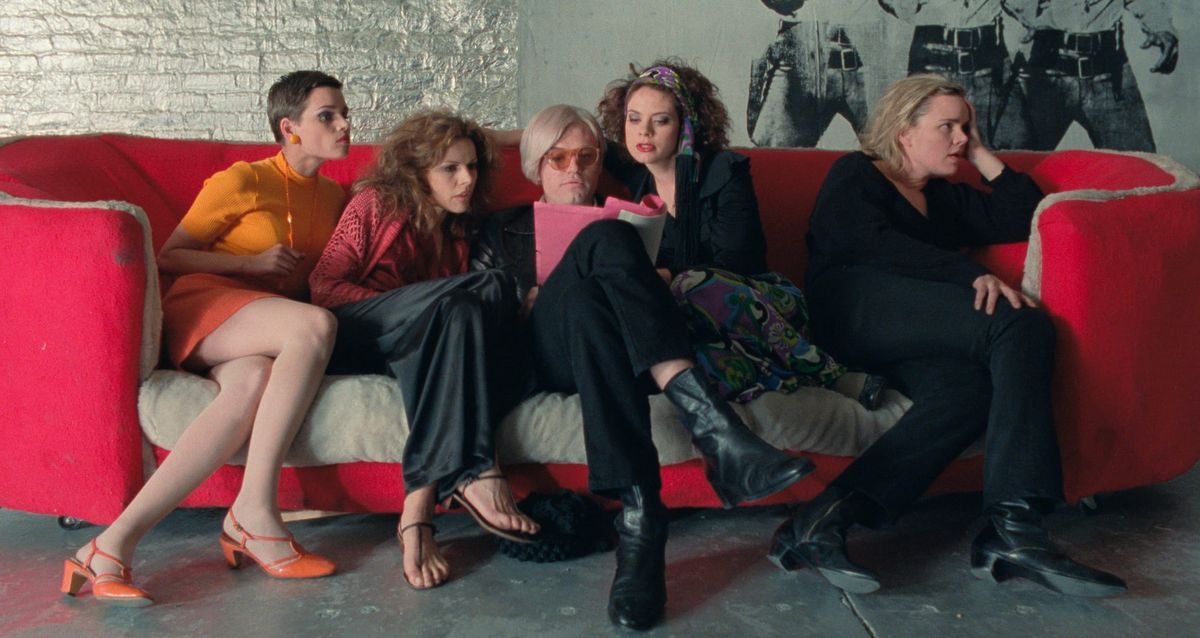
In one pivotal ten-minute sequence, the camera floats through a party where the Velvet Underground provides the soundtrack. We see aristocrats, drag queens, and desperate artists sharing space. In the background, Warhol and Solanas sit in separate corners—both somber, both isolated, both entirely alone despite the crush of people. It is here that the film makes its most profound argument: that the Factory was not a community, but a collection of lonely people seeking a substitute for family.
Character Studies: Taylor and Harris
The performances are the film’s anchor. Lili Taylor, playing Solanas, manages a feat of immense difficulty: she makes a woman who is clearly losing her grasp on reality sympathetic without romanticizing her violence. She possesses a "scrappy newsie" energy, a mix of genuine intellectual fire and brittle vulnerability.

Jared Harris’s portrayal of Warhol is equally surgical. He plays the artist as a skittish, aloof figure who is fundamentally incapable of intimacy. He is not the villain of the story, nor is he a victim; he is a vacuum, a passive vessel into which his followers pour their projections of fame and success. When he tells Solanas that "anyone can be a star," he is speaking a truth that he himself barely understands, yet one that destroys everyone who believes it.
The Economics of Celebrity
Supporting data regarding the 1960s art market suggests that Warhol’s genius lay in his ability to commodify the "subculture." By inviting figures like Candy Darling (played by Stephen Dorff in the film) into his circle, he provided them with a platform, but it was a platform that demanded they perform their own trauma for the cameras.
The implication for the viewer is clear: the Factory was a precursor to the modern influencer economy. When Solanas badgers Warhol to produce her play, she is not just asking for artistic patronage; she is asking for access to the machinery of fame. Her later obsession with the idea that Warhol was "trapping" her is a projection of her own failure to navigate a system that she simultaneously hated and desperately wanted to dominate.
Implications for Modern Cinema
Perhaps the most striking aspect of the film’s 30th-anniversary reappraisal is its perspective on gender. Harron, a woman directing a film about a female radical in a male-dominated art world, uses the story to indict the casual, crushing misogyny of the 1960s.
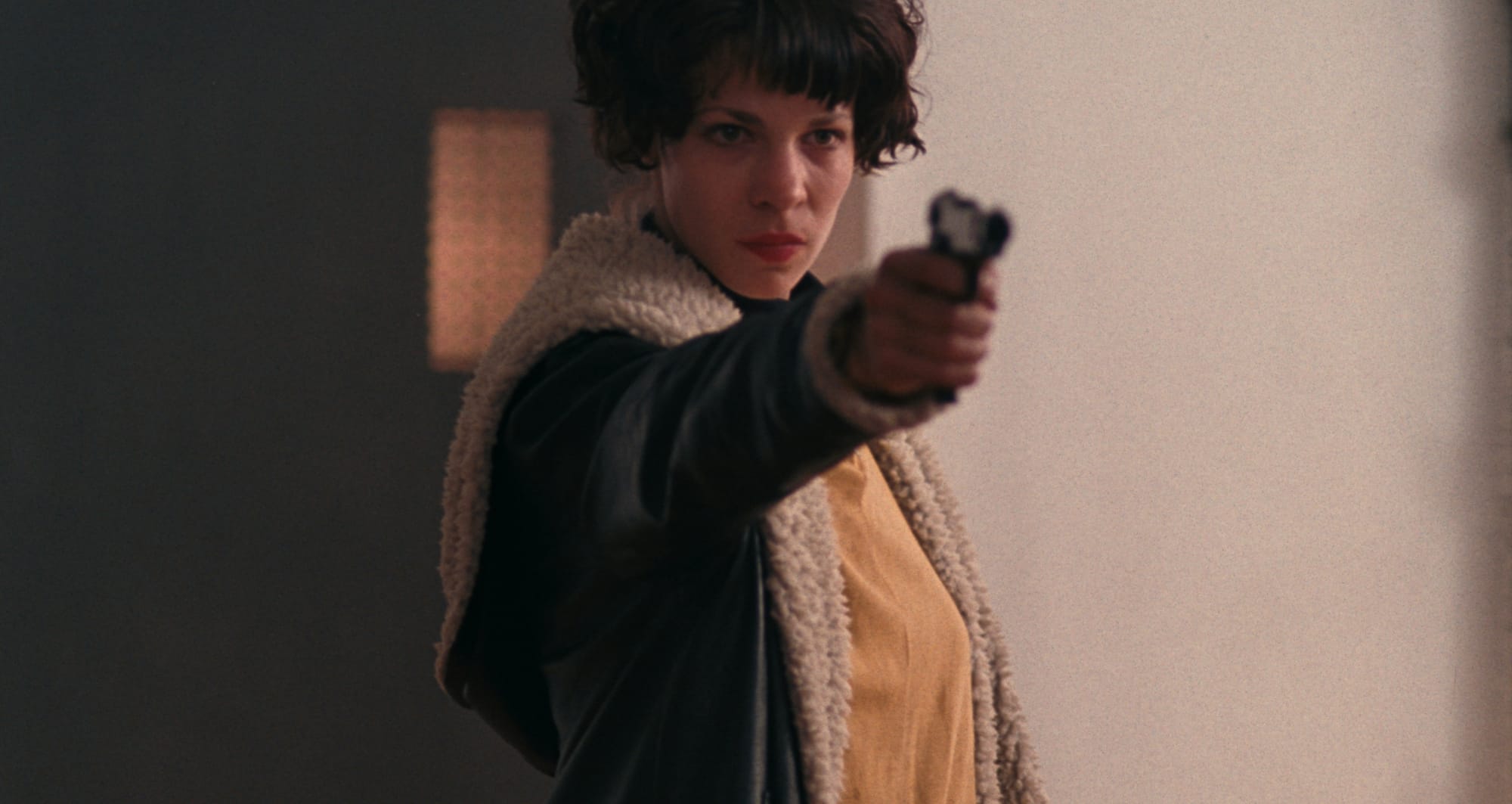
However, the film avoids the trap of martyrdom. Solanas is not a feminist hero; she is a deeply flawed, violent individual whose politics were as much about her own ego as they were about liberation. The film forces us to confront the uncomfortable question: Can we recognize the systemic rot that drives an individual to madness without endorsing their actions?
In 2026, where the "female gaze" is a topic of constant industry debate, the fact that this film was made three decades ago is a testament to Harron’s foresight. It remains a rare example of a biographical drama that refuses to offer easy answers or moral absolution.
Conclusion: A Lingering Echo
I Shot Andy Warhol does not attempt to "solve" the mystery of Valerie Solanas or the enigma of Andy Warhol. Instead, it invites the audience to inhabit the space between them. As the 4K restoration brings the textures of the Factory back to life, it reminds us that history is not just a collection of dates and facts, but a series of collisions between people who are all, in their own ways, broken.
The film screens through June 18 at the IFC Center in Greenwich, Manhattan, and at select theaters in Los Angeles. It serves as a necessary, if uncomfortable, reminder of what happens when the desire for fame meets the reality of being ignored. As Solanas famously tells the detective in the film when asked why she shot him: "It’s complicated." Three decades later, the film proves that it still is.
 Sagoh
Sagoh
 Muslim
 Dwi Wanna
