

As the United States approaches its 250th anniversary, the traditional narrative of the nation’s founding—often characterized by triumphalist myth-making—is undergoing a profound transformation. In a landscape defined by political volatility, economic shifts, and a collective search for identity, the word "celebration" feels insufficient, perhaps even inappropriate, to many cultural institutions. Instead, museums and galleries across the country are opting for a more rigorous, reflective, and often uncomfortable examination of what it means to be "American" at this historical juncture.
The arts, in this capacity, serve as a vital mirror and a laboratory. By centering marginalized perspectives, acknowledging the "grotesque histories" of colonization and exclusion, and highlighting the resilience of those who have been left out of the canon, these 25 exhibitions provide more than just historical context; they provide the tools to imagine and potentially build a more equitable future.

The Foundations of a Re-examination
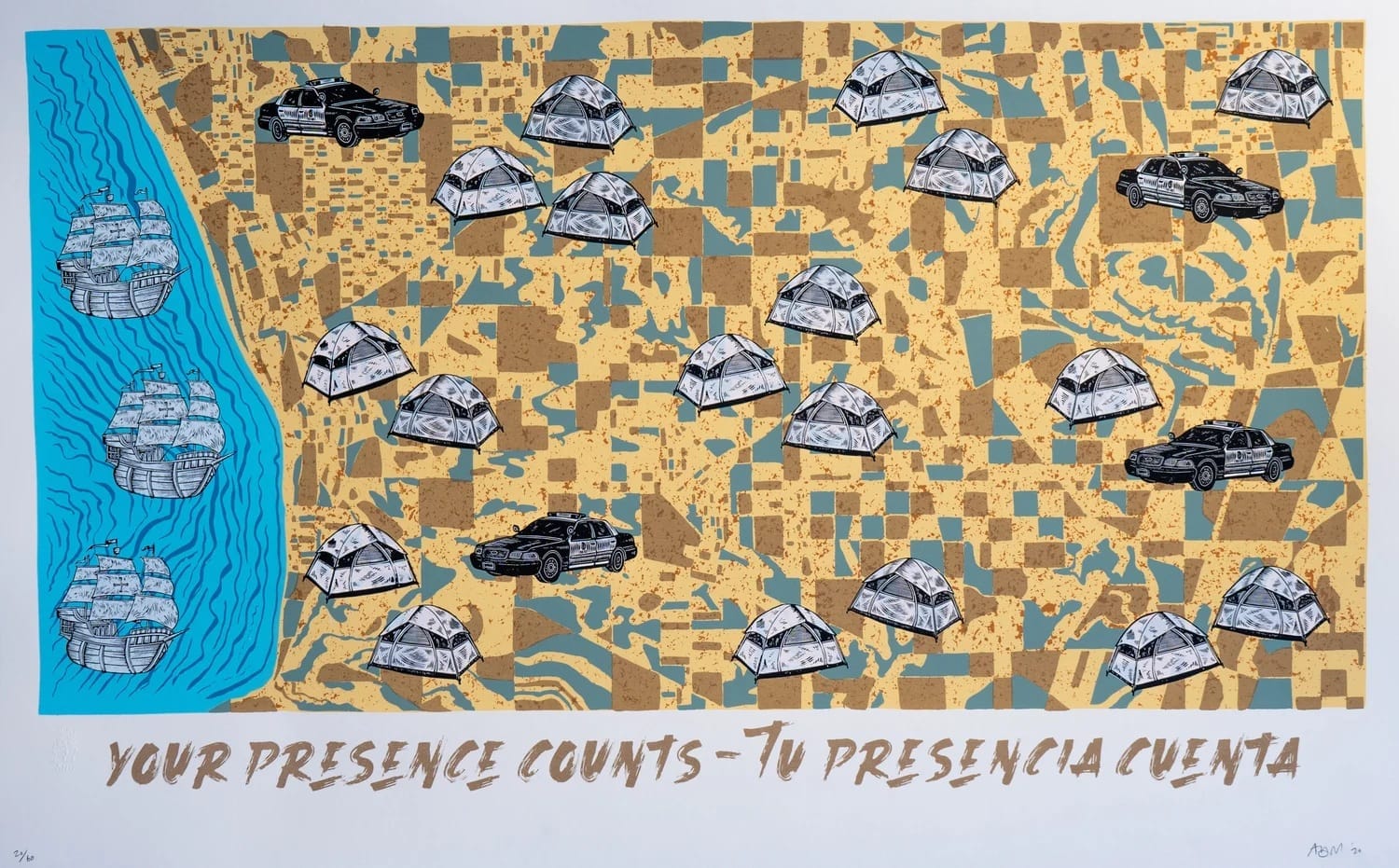
The current surge in commemorative programming is not merely about marking a birthday. It is an acknowledgment that the American experiment is an unfinished project. Institutions are moving away from the singular, monolithic "story" of the United States and toward a polyphonic approach that embraces Indigenous survivance, the labor of women artists, and the intersectional struggles for civil rights.
This shift is perhaps best exemplified by the move toward institutional accountability. Rather than glossing over the darker chapters of the past, curators are using archives, manuscripts, and artistic expression to confront the gap between the nation’s founding ideals and its historical reality. From the Smithsonian to the Brooklyn Museum, the focus has shifted to "reclaiming" the narrative for those whom history books previously silenced.
A Chronology of Critical Reflection
The following exhibitions represent a nationwide dialogue, each contributing a piece to the complex puzzle of the American experience:
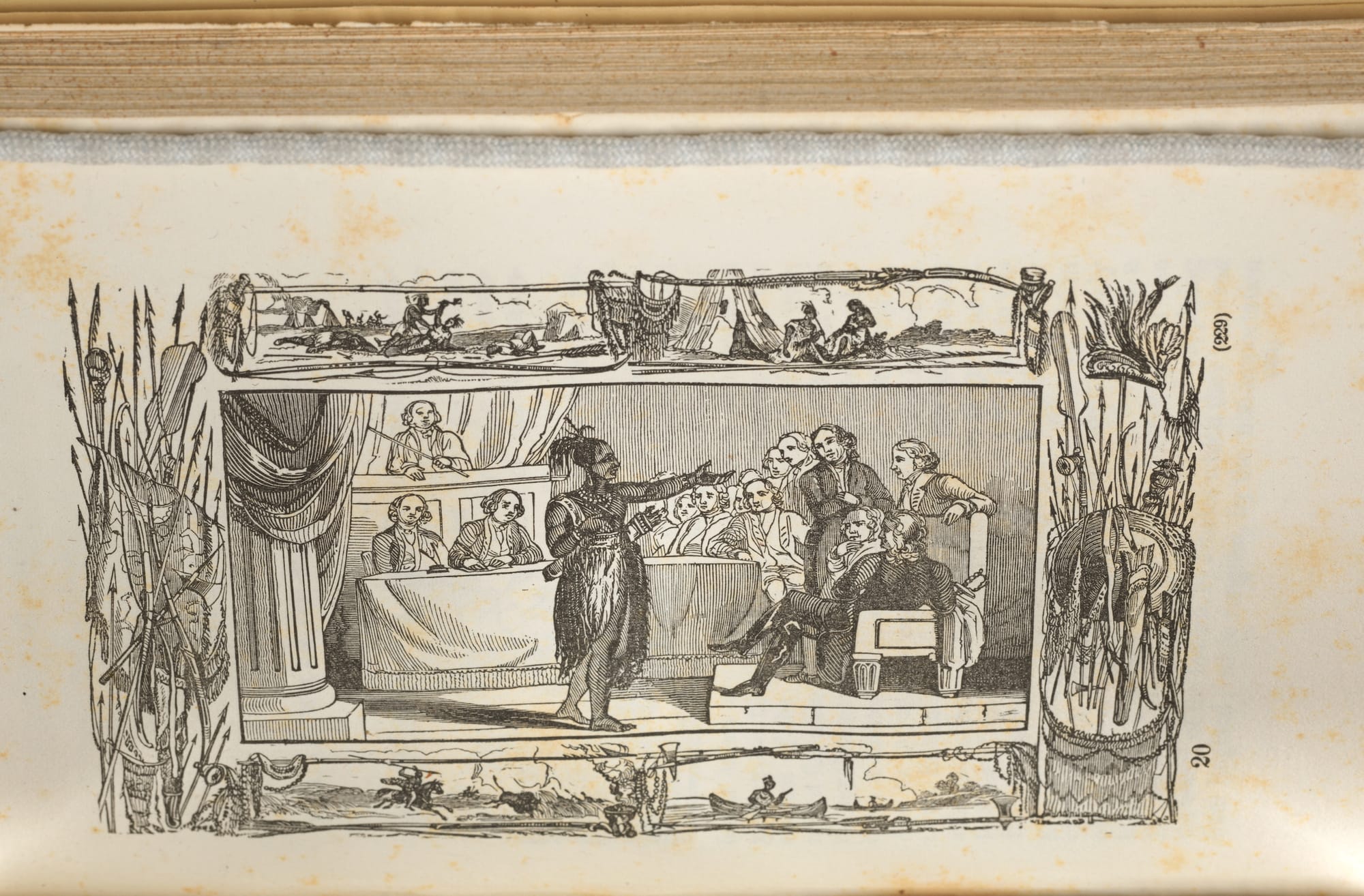
Indigenous Survivance and Community
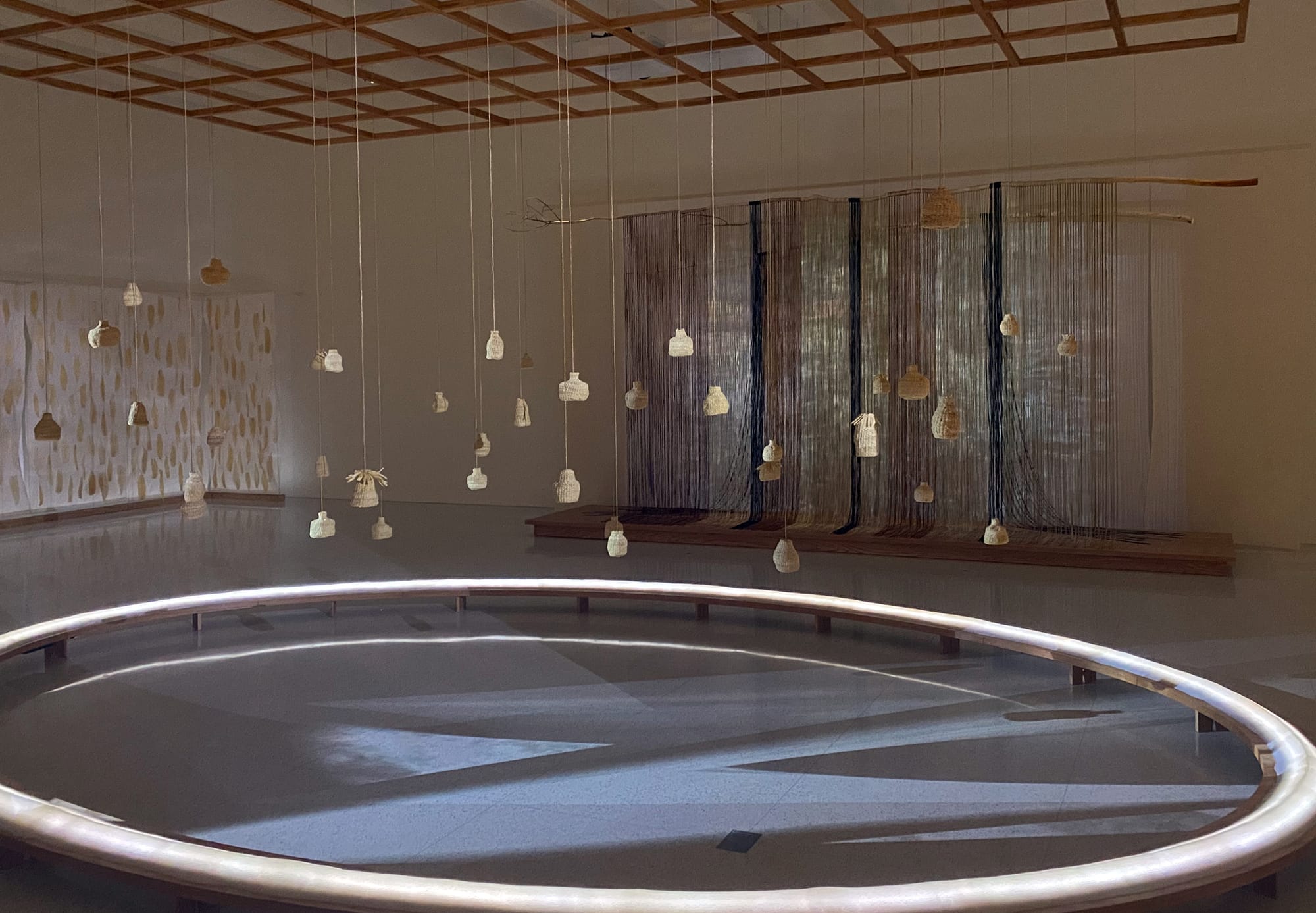
- Rosy Simas: A:gajö:gwah dësa’nigö:wënye’ (i hope it will stir your mind) (Walker Art Center, Minneapolis, MN): Closing July 5, this residency-culmination highlights Hodinöhsö:nih philosophies. Simas emphasizes the circle—a shape representing equity, protection, and endurance—as a direct rebuttal to the divisive rhetoric of contemporary politics.
- Indigenous Independence: America 250 at Gilcrease (Gilcrease Museum, Tulsa, OK): Running through July 11, this exhibition utilizes rare manuscripts, including a 1777 copy of the Declaration of Independence, to demonstrate how Native nations were not mere bystanders but active participants in the formation of the country.
The Refusal of Exclusion: Women in the Canon
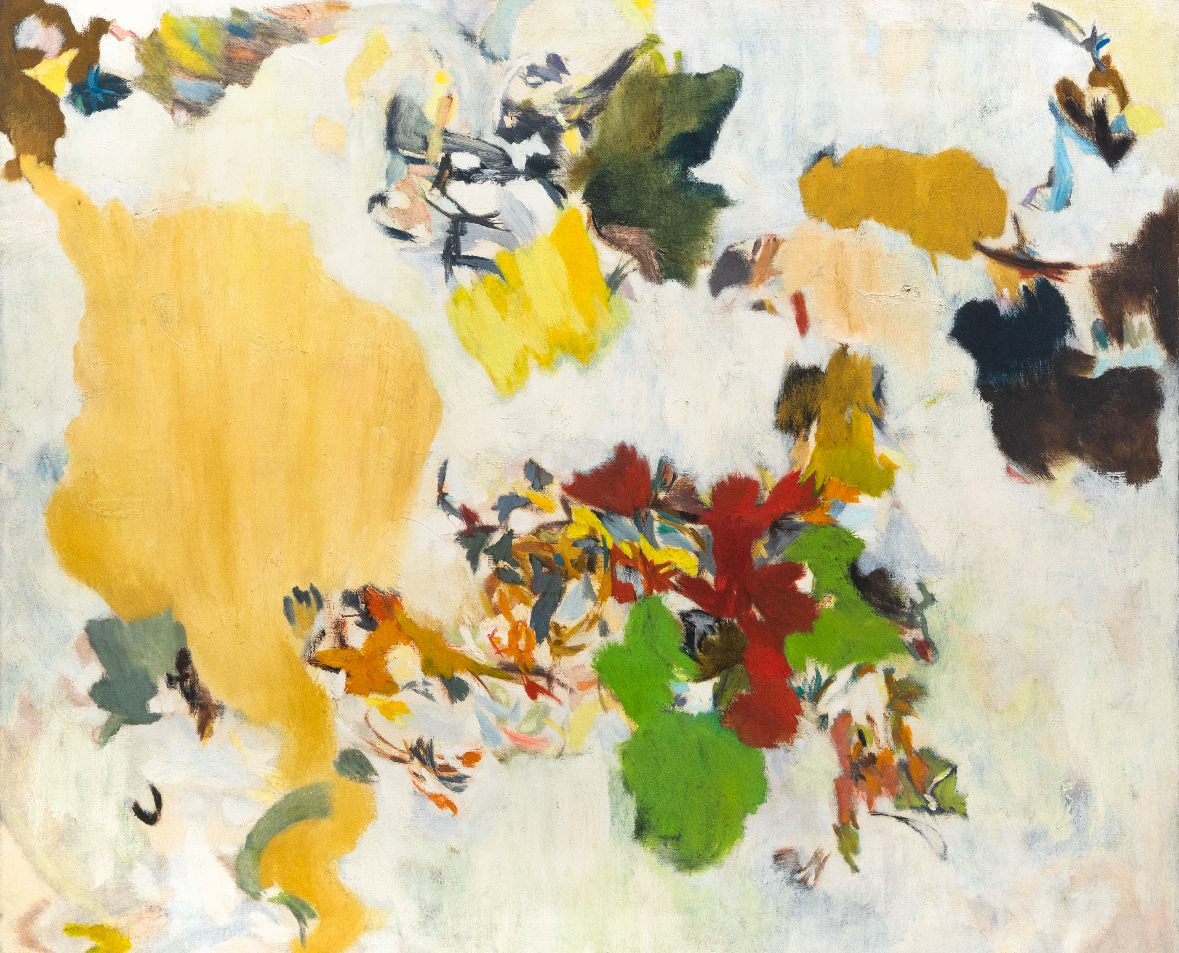
- Women Across America: 1945-1979 (Eric Firestone Gallery, New York, NY): Open through July 11, this show reclaims the post-war art movement by placing women—including Helen Frankenthaler and Lee Krasner—at the center of Surrealism and Abstract Expressionism, challenging the male-dominated history of the era.
- Ms. Americana (National Museum of Women in the Arts, Washington, DC): This October-bound exhibition spotlights 18th- through 20th-century trailblazers. It documents the lives of artists who traveled the world and professionalized their practice, effectively carving out a space for women in the rigid structures of early American academia.
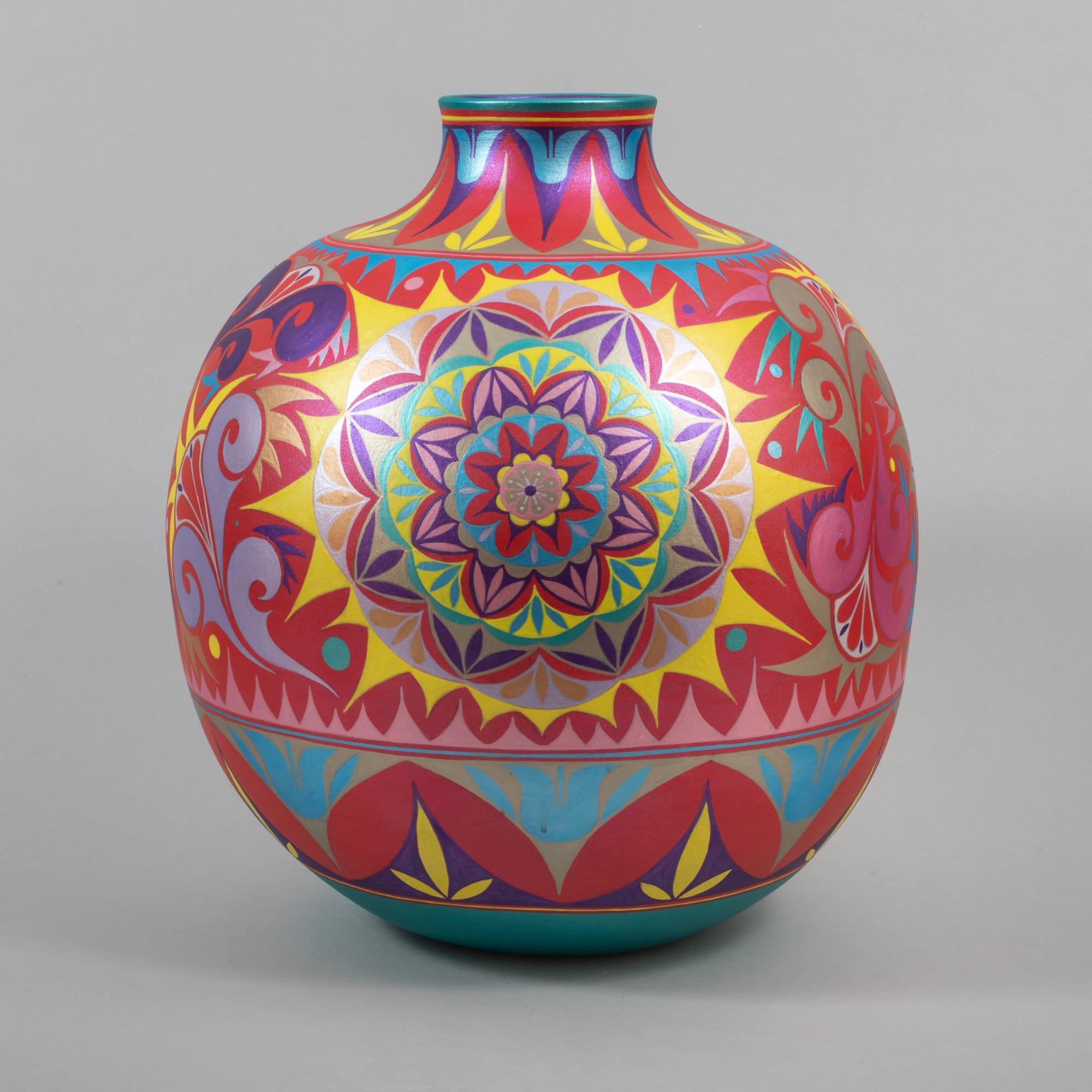
- Burnished: Pueblo Pottery (National Museum of Women in the Arts, Washington, DC): Running through September 27, this exhibition honors a matrilineal legacy, showcasing how women-led pottery traditions have preserved cultural identity through a millennium of upheaval.
Democracy, Resistance, and the Printed Word
- America Today: Voices in Contemporary Print (The Print Center, Philadelphia, PA): Through July 25, this exhibit examines printmaking as a tool for political resistance. It explores how artists like Howardena Pindell and Chakaia Booker use the reproducibility of prints to challenge the integrity of the American democratic fabric.
- Reclamation Day: A Reunion of Hope (Brooklyn, NY, June 20): This experimental, one-day event serves as a counter-ritual to Independence Day, focusing on reparative justice through workshops and performances led by Black and Indigenous creators.
Supporting Data and Institutional Scope
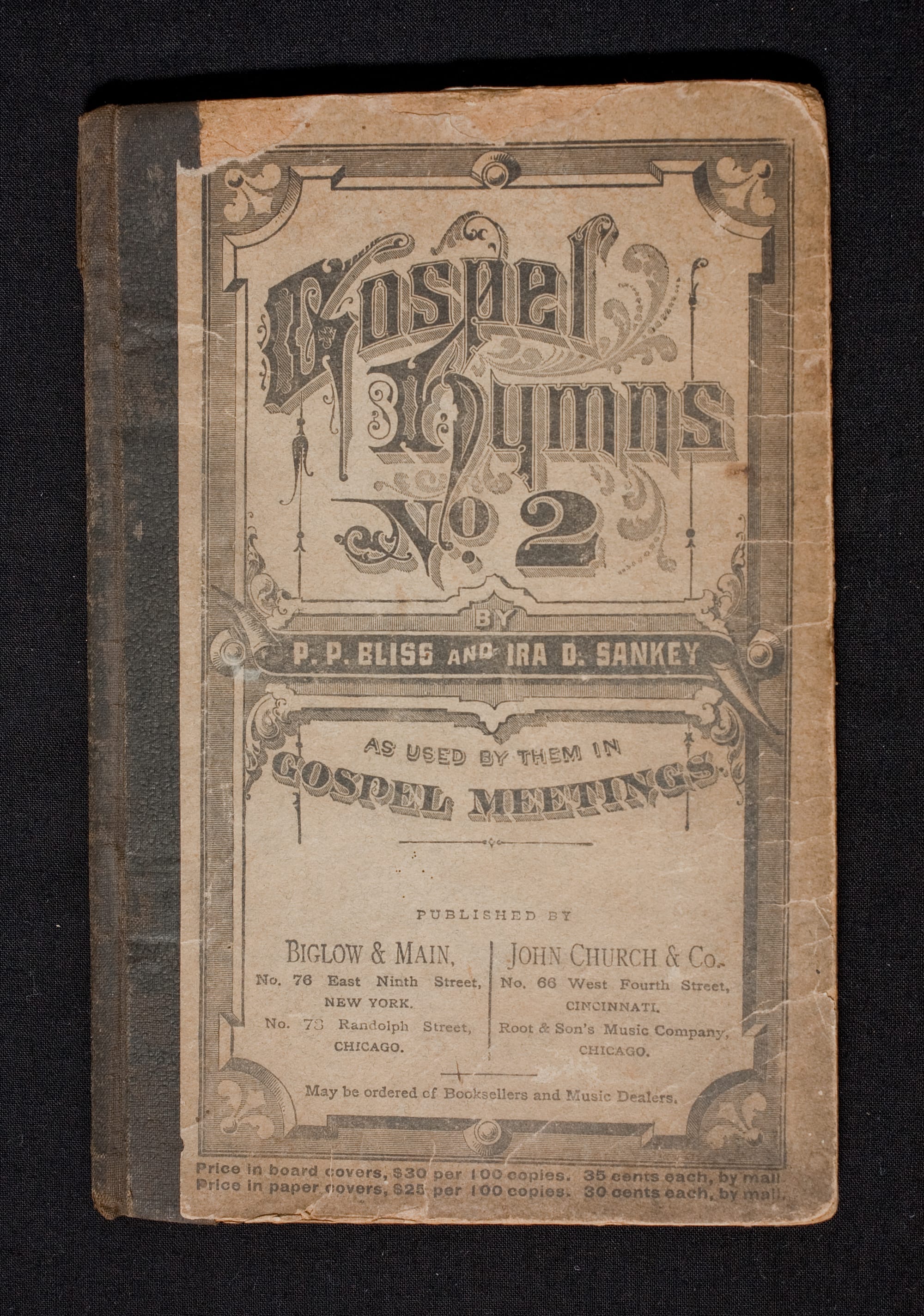
The scope of these exhibitions is national, spanning from the coast of Maine to the streets of Miami. The breadth of objects included—from Thomas Edison’s lightbulb and Harriet Tubman’s hymn book at the Smithsonian Castle (American Aspirations, through July 26) to the thousands of archival documents in Best Laid Plans at the Reynolds Center (through October 18)—reveals an institution-wide effort to digitize, catalog, and reinterpret the American material record.
At the National Museum of American History, the exhibition In Pursuit of Life, Liberty & Happiness manages a "herculean effort" by condensing the nation’s history into 250 objects. By placing a 2002 iPod next to a 17th-century shilling, the museum highlights the sheer velocity of American innovation and the erratic nature of its progress.
Official Perspectives and Curatorial Intent
Curators across the country are echoing a common sentiment: the 250th anniversary is not a finish line but a crossroads. Lonnie Bunch III, Secretary of the Smithsonian, has positioned American Aspirations as a way to mindfully engage with both "wide-net dreams" and "profound injustice."
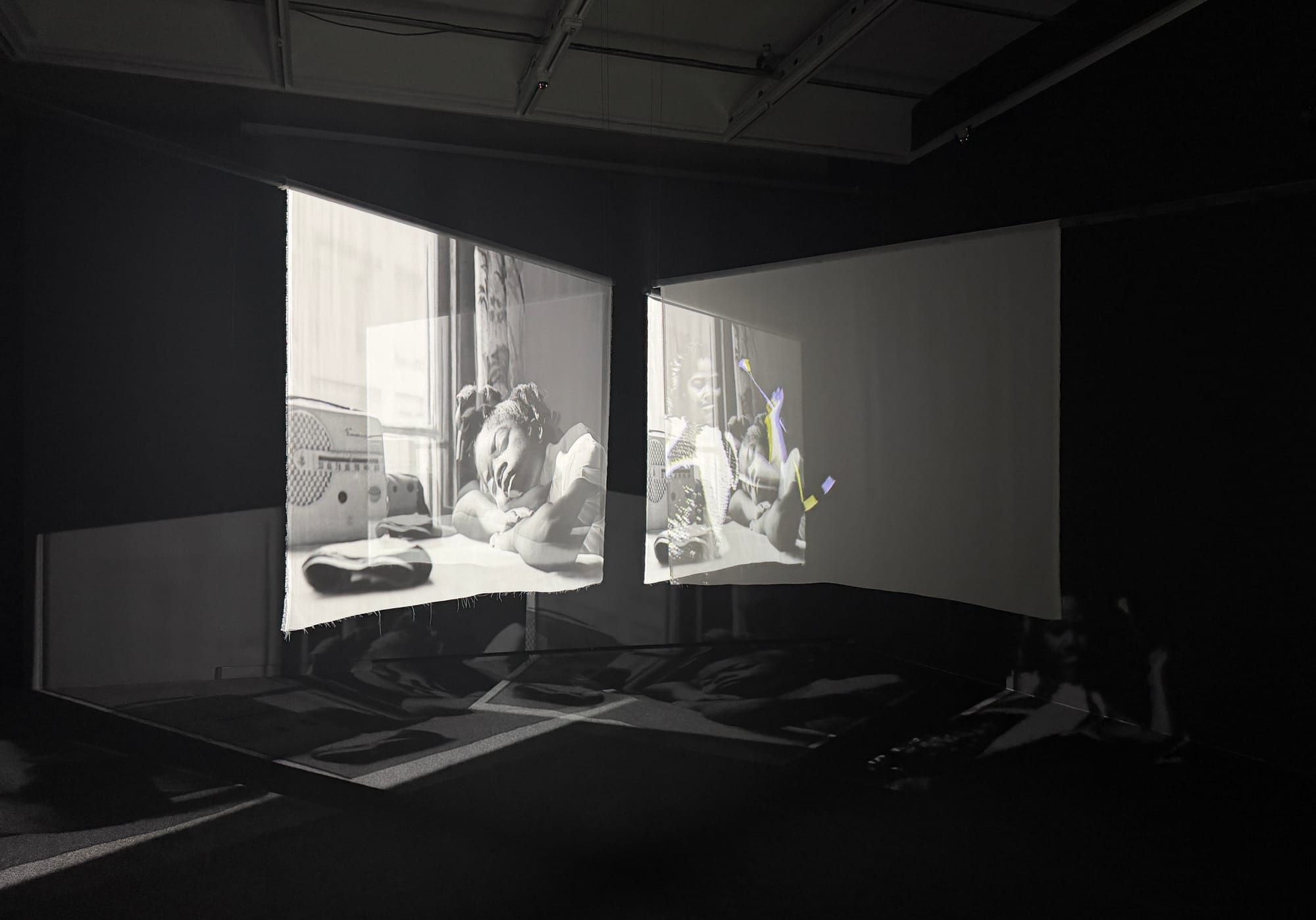
Similarly, the Pérez Art Museum Miami with its exhibition This Is America (through May 23, 2027) bridges the gap between the Civil War and the COVID-19 pandemic. By juxtaposing works from various socio-political eras, the museum argues that resilience is the constant, unifying thread of American history.
Implications for the Future
The implications of this shift in institutional focus are significant. By "undressing" the American story, these museums are inviting the public to participate in a more honest appraisal of national identity.
- Healing through Repair: Initiatives like the America 250 Collaborative Quilt-Along at the National Museum of the American Indian suggest that the act of "making" is a form of civic engagement. By inviting the public to contribute, the museum transforms history from a static academic study into a participatory act.
- Challenging the "Hero" Narrative: Exhibitions like the Thomas Cole National Historic Site‘s focus on the Hudson River School, when paired with contemporary series like Light Atlas, force viewers to confront the conflict between the romanticized "American wilderness" and the harsh realities of industrialization.
- Modernizing the Canon: Whether through the Portland Museum of Art’s Passages in American Art (through January 1) or the Newark Museum of Art’s Liberty & Legacy (through March 7), the reinstallation of permanent collections to include Black and Indigenous voices is not just a trend—it is a permanent change in the way American history is curated and taught.
Conclusion: A Path Undefined
As the nation moves toward the official 250th anniversary, the art world has provided a roadmap for what comes next. It is a path characterized by intellectual humility, historical rigor, and the courage to look at the "best laid plans" of the past and acknowledge where they failed.
The exhibitions listed here—from the watercolor mastery of Andrew Wyeth in Cleveland to the Black Feminist perspectives in Annapolis—do not offer easy answers. Instead, they offer a complex, layered, and deeply human portrait of a nation that is still struggling to live up to its own promises. As we stand at this 250-year mark, the arts remind us that the "undefined path ahead" is not something to be feared, but something to be actively shaped by the collective memory and creative output of all its citizens.
 Muslim
 Evan Lee Salim
 Jia Lissa
