

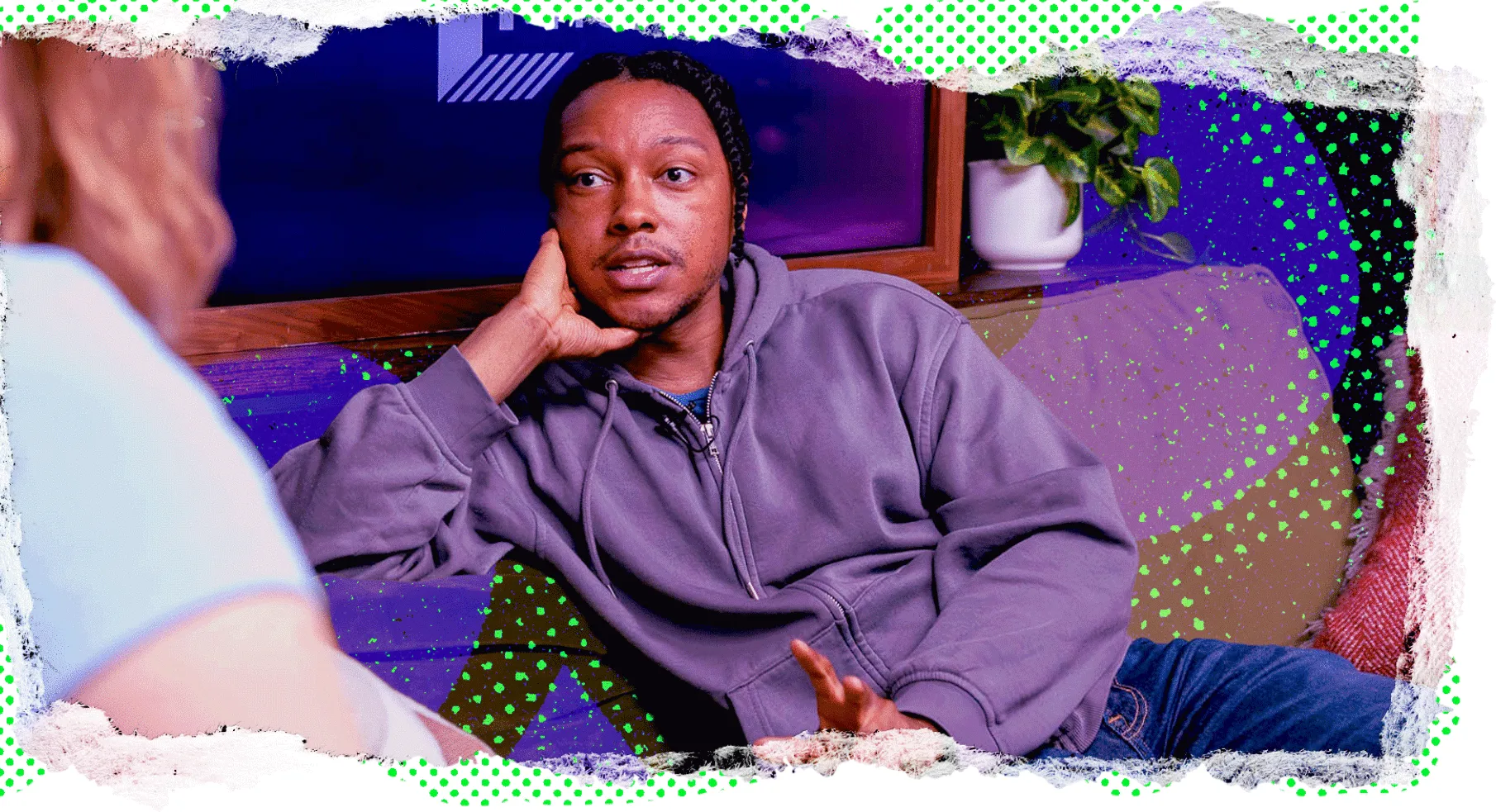
In an era defined by the algorithmic thirst for outrage and the hyper-kinetic pace of short-form content, comedian Josh Johnson stands as an unlikely outlier. The Daily Show correspondent and stand-up virtuoso has cultivated a massive, multi-million-strong digital following not by pandering to the frantic pulse of the internet, but by stubbornly resisting it.
Clad in his signature gray hoodie—a garment that has evolved from a thrifted comfort item into a cultural totem—Johnson operates with a deliberateness that feels radical in the attention economy. While the platforms he dominates are designed to reward speed and vitriol, Johnson’s comedy relies on the slow burn of the storyteller: a winding, conversational rhythm that prioritizes human connection over viral bait.
A Legacy of Digital Wandering
To understand Johnson’s approach, one must look at his formative years. Long before he was selling out theaters or becoming a fixture on late-night television, Johnson was a digital native of a different stripe. As a child, he spent his afternoons in the quiet sanctuary of the local library, using public terminals to navigate the nascent landscapes of the early 2000s web.

While his peers were personalizing their MySpace layouts, Johnson was immersed in collaborative creative spaces: writing Dragon Ball Z fanfiction, haunting niche message boards, and engaging in online short-story competitions. These formative experiences shaped his understanding of the internet not as a tool for vanity or monetization, but as a vast, global library of human experience.
"Everything about being on the internet was about engaging with and learning about other people," Johnson reflects. This early exposure to the "good parts of the internet"—where conversation flowed organically and personality mattered more than polish—remains the blueprint for his current career.
The Chronology of a Comedy Career
Johnson’s path to the upper echelons of comedy was paved by a dedication to craft that prioritized substance over spectacle.

- Early Roots: Cutting his teeth in the Louisiana comedy circuit before migrating to Chicago’s vibrant stand-up scene, Johnson developed a style characterized by unusually patient pacing.
- Late-Night Breakthrough: His talent for observation led to a writing position at The Tonight Show Starring Jimmy Fallon, followed by his move to The Daily Show in 2017.
- The Correspondent Era: As a regular on The Daily Show, he sharpened his ability to synthesize complex societal issues into digestible, biting comedy alongside Jon Stewart and the rest of the show’s rotating ensemble.
- Digital Domination: Parallel to his television success, Johnson began syndicating his stand-up clips online. His growth is staggering: 2.5 million subscribers on YouTube, 2.7 million on TikTok, and 2.4 million on Instagram.
- Current Projects: Following the success of his Peacock special Up Here Killing Myself, his latest HBO special, Symphony, premiered on May 22, 2026, marking a new chapter in his storytelling evolution.
The Economics of Attention vs. The Art of the Story
In our current digital climate, "clipping" has become the dominant industry standard. Platforms incentivize creators to extract the most provocative, out-of-context fragments from long-form content to drive engagement. Johnson is acutely aware of this, yet he remains deeply critical of the practice.
"Back in the day, debate used to mean something," Johnson notes. "Now it feels like everybody is saying the most outrageous thing possible for the click. There are people who aren’t even trying to debate anymore. They’re trying to get clipped."
Despite the pressure to optimize his content for these algorithms, Johnson refuses to pivot. He continues to upload full-length, hour-long sets to his platforms, trusting his audience to stay for the duration. His comedy sets—which tackle everything from the absurdity of the Drake vs. Kendrick Lamar beef to the surreal experience of "proving he was Black to a blind man"—succeed because he treats the viewer as an intellectual peer rather than a data point.

Human Perspective in the Age of AI
Johnson’s skepticism of the modern internet is not a Luddite’s rejection of technology; rather, it is a human-centric critique of its trajectory. When discussing the rise of Artificial Intelligence, he expresses a nuanced concern regarding the "dehumanization" of the creative process.
"You scraped the internet and stole from us just to tell us you were going to replace us because we aren’t worthy," he says, pointing to the inherent irony of tech companies building models on the back of human labor while simultaneously framing that labor as redundant. To Johnson, the value of comedy—and by extension, the internet—lies in the specific, lived experience of the teller. A machine can replicate the structure of a joke, but it cannot replicate the vulnerability required to make an audience feel understood.
The "Good Parts" of the Internet: A Sociological Perspective
Beyond the metrics, Johnson finds the true value of his digital presence in the community that forms in his comments sections. He speaks with palpable enthusiasm about instances where fans use his platform to check in on one another, offering support to strangers during difficult times.

This phenomenon aligns with sociologists’ theories on "Third Spaces"—digital environments that exist outside the home and the workplace, where individuals can form bonds based on shared values. By cultivating a space that feels like a conversation rather than a broadcast, Johnson has inadvertently fostered a community that functions as a digital version of the forums he frequented as a child.
Implications for the Future of Digital Media
What can the media landscape learn from the "Josh Johnson model"?
- Authenticity as a Scalable Asset: Johnson’s refusal to "perform" a hyper-curated version of himself has made him more, not less, popular. The gray hoodie is the physical manifestation of this—an unpretentious, recurring motif that provides a sense of familiarity to a global audience.
- The Return of Patience: The success of Symphony and his long-form YouTube presence suggests that there is a massive, untapped appetite for content that rewards, rather than drains, the viewer’s attention span.
- Community-First Growth: By prioritizing the interaction between fans over the optimization of the algorithm, Johnson has built a "sticky" audience—a base that is far more resilient than one built on the whims of a trending hashtag.
Conclusion: The Search Continues
Josh Johnson is a man who famously once joked that the internet was a "bad idea," yet he remains one of its most compelling architects. He sits at the intersection of a dying traditional media model and a volatile, rapidly evolving digital future.

When asked if he still believes the internet was a mistake, he offers a thoughtful pause. "It depends on the day," he admits. "I think incredible good and connection have come from it. But there’s also this level of cruelty online that’s very hard to pull off in person."
Ultimately, Johnson’s goal is not to escape the digital world, but to inhabit it with integrity. He isn’t trying to win the internet; he is trying to ensure that the internet remains a place where human beings can still find each other. In his view, we are closer than we think to a more connective, less extractive version of the web. Whether or not that future arrives, Josh Johnson will be there, likely wearing a gray hoodie, waiting to tell the next story.
 Neng Nana
 Reynand Wu
