

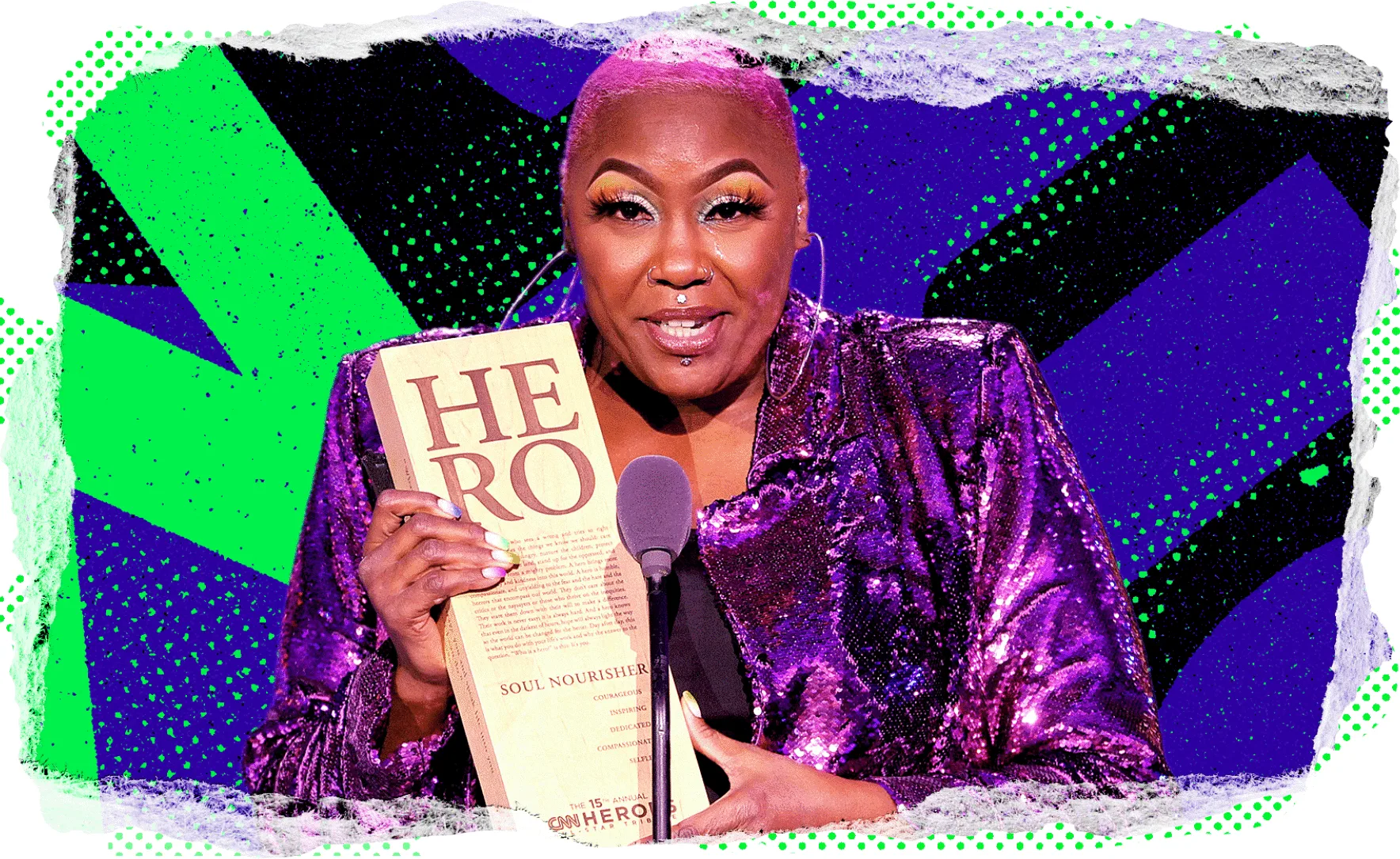
When the news broke in January 2026 that Shirley Raines—the vibrant, neon-haired force of nature known to millions as "Ms. Shirley"—had passed away, the silence that followed in the digital sphere was deafening. For nearly a decade, Raines had been the beating heart of Los Angeles’ Skid Row, a woman who didn’t just offer charity; she offered dignity. Her death from hypertensive heart disease at the age of 58 left a city in mourning and a global online community grappling with the loss of a pioneer who redefined what it meant to be an influencer.
The Genesis of a Movement: From Grief to Grace
The story of Beauty 2 The Streetz is not one of calculated branding, but of profound human necessity. Born in Compton, California, Shirley Raines’ path to becoming a beacon of hope was paved with personal tragedy. In 1990, she suffered the unimaginable loss of her young son. The grief was a chasm that threatened to consume her, but rather than retreating into the shadows of her trauma, Raines found a radical, restorative path forward: service.
By 2017, she had begun taking her mission to the streets of downtown Los Angeles. She recognized a glaring deficiency in traditional humanitarian aid—it addressed the stomach but often ignored the soul. Raines began distributing more than just food and hygiene kits; she brought makeup, hair care, and, most importantly, the transformative power of human touch. She treated the unhoused population not as a demographic to be managed, but as "kings and queens" to be honored.
Chronology of a Digital Revolution
Raines’ rise to prominence on TikTok and Instagram was as unconventional as her approach to philanthropy. She didn’t seek followers for clout; she sought them for community.

- 2017: Raines begins consistent, grassroots outreach in Skid Row, initially funded by her own resources.
- 2019–2020: As her TikTok presence grows, the raw, unvarnished nature of her livestreams begins to capture the attention of a global audience. Her videos—alternating between joyful dancing and sobering conversations about poverty—break through the noise of social media.
- 2021: The world takes notice. Raines is honored as a CNN Hero of the Year, validating her methodology on a global stage.
- 2025: A banner year for her advocacy. She is named to the Time100 Creators list and wins the Outstanding Social Media Personality award at the NAACP Image Awards.
- January 2026: Shirley Raines passes away. Her death triggers a wave of tributes from civic leaders, celebrities, and the thousands of individuals she served directly on the streets.
- June 2026: LA Pride announces a posthumous tribute, naming Raines an Icon Grand Marshal for the 56th annual parade.
The Power of the "Digital Boots on the Ground"
For public figures like TV and radio personality Joy Taylor, discovering Raines on social media was a catalyst for action. Taylor, like many others, was struck by the intimacy of Raines’ content.
"I was looking for a place to volunteer," Taylor recalls. "There are a lot of different ways that you can give back, but I really wanted to be boots on the ground. The experience of working with her is spiritual in a way."
Taylor’s testimony highlights the unique "Raines effect." By livestreaming the reality of homelessness, Raines dismantled the apathy often associated with the crisis. Her followers weren’t just passive consumers of content; they became partners in her mission. The generosity of her community was so profound that it led to the acquisition of an abandoned building in Las Vegas, repurposed as an outreach center. This demonstrated a new model of social activism: the "digital-to-physical" pipeline, where online empathy translates directly into tangible infrastructure.
Humanizing the Invisible: The Philosophy of Beauty
The core of Beauty 2 The Streetz was the belief that self-esteem is a human right. Critics of traditional aid often focus on caloric intake and shelter; Raines focused on the "light behind the eyes."

When an unhoused individual receives a haircut, a fresh shave, or a makeup application, it does more than improve their appearance. It signals to society—and to the individual themselves—that they are worthy of care. "Most Americans take it for granted that they can have a hot shower or blow-dry their hair," Taylor notes. "When you feel good about yourself, that flows over into how you treat other people, how you feel, how you look, your motivation to go to work."
This philosophy was not just a luxury; it was a psychological intervention. By restoring the dignity of grooming, Raines provided the psychological armor necessary for people to navigate the brutal reality of living on the streets.
Official Responses and Lasting Legacies
The institutional recognition of Raines’ work has been as significant as her grassroots support. Lawrence Carroll, board president of LA Pride, reflects on the profound impact she left on those who encountered her.
"She just reminded me of family," Carroll says. "She was just so real, so much of herself. We need more Ms. Shirleys, right?"

By naming her a posthumous Icon Grand Marshal for the 2026 LA Pride, the organization is cementing her status not just as a charity worker, but as a civil rights icon. She stands alongside figures like Mia Yamamoto and actor Jeff Hiller, signaling that her work was deeply intersectional—advocating for the marginalized regardless of their background or identity.
Implications for the Future of Social Media
As we look at the legacy of Ms. Shirley, the implications for social media are clear. In an era where platforms are often criticized for polarization and "empty" content, Raines provided a blueprint for redemption. She turned the smartphone from a tool of distraction into a bridge for human connection.
Her successor-led board, including members like Joy Taylor, remains committed to the mission. The organization continues to hold events, such as the recent Mother’s Day Restoration Brunch, proving that the foundation is robust enough to survive its founder.
However, the question remains: Can the "Ms. Shirley" model be replicated? Her success relied on a rare combination of radical empathy, personal charisma, and an unwavering commitment to face-to-face interaction.

As Lawrence Carroll poignantly notes, "No matter how much technology influences our day-to-day, you can’t substitute human connection. We are social beings by nature… [It’s something] that a device, a phone, and social media could never do."
Conclusion
Shirley Raines taught the world that the digital age does not have to be an era of isolation. She proved that if you focus the camera on the right things—on the humanity of the forgotten, the strength of the resilient, and the beauty inherent in every person—you can inspire millions.
As LA Pride prepares to honor her memory this June, her legacy continues to ripple outward. The "Skid Row Angel" may no longer be walking the streets, but the path she paved remains wide open, waiting for those who, like her, are willing to break through the noise to touch a life. Ms. Shirley did not just change the streets; she changed the way we see them, ensuring that the light she brought to the darkness of Skid Row will continue to burn for years to come.
 Suro Senen
 Nana Wu
