

Art Movements, published every Thursday afternoon, serves as your essential digest of the most pressing developments, institutional shifts, and cultural milestones in the contemporary art world. This week, we navigate the tectonic plates of media ownership, the practical application of climate-focused philanthropy, and the surreal intersection of immersive art and prime-time animation.
1. The Consolidation Crisis: Penske Media Corporation Absorbs Vox Media
The landscape of digital media underwent a seismic shift on June 18, 2026, as Jay Penske’s Penske Media Corporation (PMC) finalized its acquisition of the remaining Vox Media portfolio. This maneuver cements PMC’s status as the world’s largest digital publisher, a title that carries significant implications for the future of editorial independence and the centralization of cultural discourse.
Chronology of the Acquisition
The deal follows a high-profile transaction from last month, in which James Murdoch acquired key components of the Vox Media ecosystem, including New York Magazine and the company’s extensive podcast network, in a deal valued at over $300 million. Today’s announcement by PMC accounts for the remaining assets, including flagship digital outlets Eater, The Verge, and SB Nation. These entities will now be integrated into a sprawling media empire that already encompasses Variety, Rolling Stone, and, significantly, the art world’s own pillars: Artforum, Artnews, and Art in America.
Implications for Editorial Independence
The aggregation of these titles under a single corporate umbrella—one already heavily criticized for its reliance on $200 million in capital from Saudi Arabian interests—raises profound questions regarding the integrity of specialized journalism. When a single entity controls both the primary art-market trade publications and a vast network of lifestyle and technology news sites, the boundaries between independent reporting and corporate sycophancy become dangerously porous.
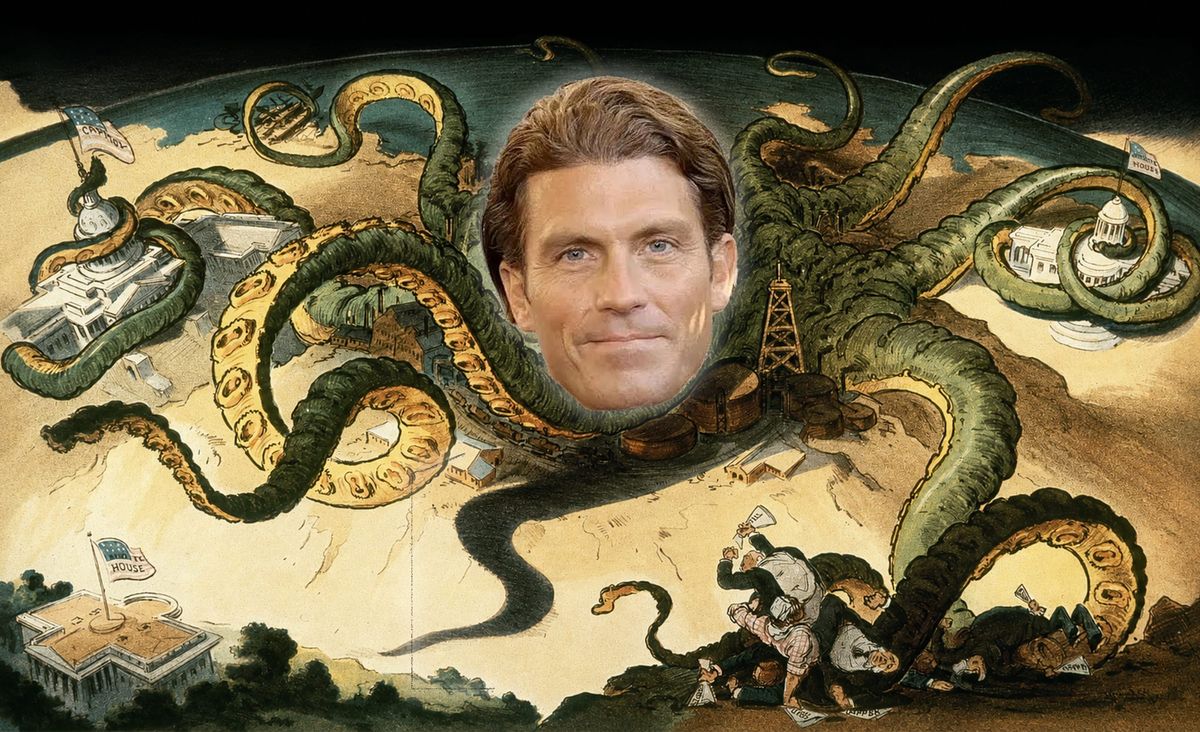
Industry analysts are watching closely to see how the "Penske model"—often characterized by aggressive cross-promotion and the integration of events like South by Southwest and the Golden Globes—will impact the specific editorial voices of the art publications. The fear among veteran journalists is that the pressure to drive traffic and monetize digital engagement will homogenize the nuanced, often critical, coverage required in the visual arts sector. As PMC strengthens its grip, the autonomy of these legacy publications remains the subject of intense, often anxious, scrutiny.
2. A Tangible Boost for Climate Resilience in the Arts
While corporate mergers dominate the headlines, a more constructive development emerged from the Helen Frankenthaler Foundation. On June 18, the foundation announced the recipients of its 2026 Frankenthaler Climate Initiative (FCI) grants, signaling a continued commitment to environmental stewardship within the arts.
Supporting Data: The 2026 Grant Cycle
This year, the FCI awarded a total of $4.5 million to 83 organizations. The initiative, which focuses on long-term sustainability, provides essential funding for visual arts organizations to implement energy-efficient technologies, thereby reducing their carbon footprint and building resilience against environmental instability.
The 2026 cohort includes a diverse array of institutions:

- Minneapolis Institute of Art (Mia): Secured funding for the installation of aquifer geothermal wells. This project is a critical component of the museum’s new sustainable energy facility, designed to drastically lower the institution’s reliance on traditional power grids.
- Albuquerque Museum: Awarded a grant to facilitate the installation of high-efficiency solar panels on the roof of its newly constructed education facility.
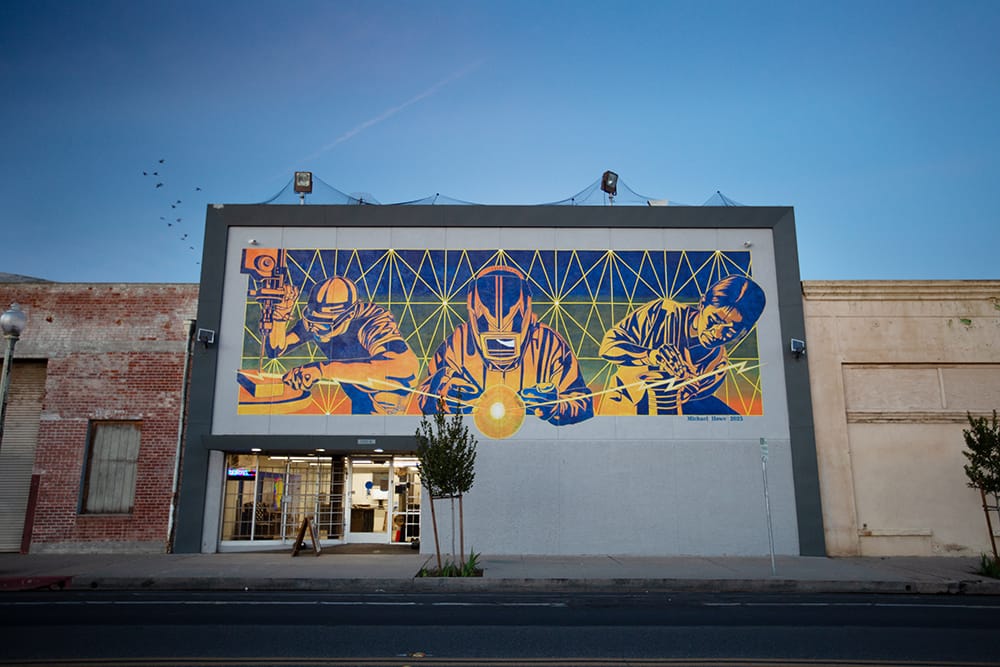
- Fresno Ideaworks: Received support for comprehensive lighting upgrades and the implementation of advanced energy monitoring systems, serving as a model for community-driven maker spaces aiming to modernize their infrastructure.
The Significance of the Initiative
The Frankenthaler Climate Initiative stands as one of the most significant philanthropic efforts in the sector, moving beyond performative climate pledges toward tangible, capital-intensive infrastructure improvements. By enabling museums to invest in their physical plants, the foundation is effectively lowering the overhead costs of sustainable operation, making "going green" a feasible goal for institutions of varying sizes.
3. Institutional Acquisitions and Cultural Preservation
The Schomburg Center for Research in Black Culture continues to bolster its archival and permanent collections, reaffirming its role as a premier repository for African American history and contemporary artistic expression.
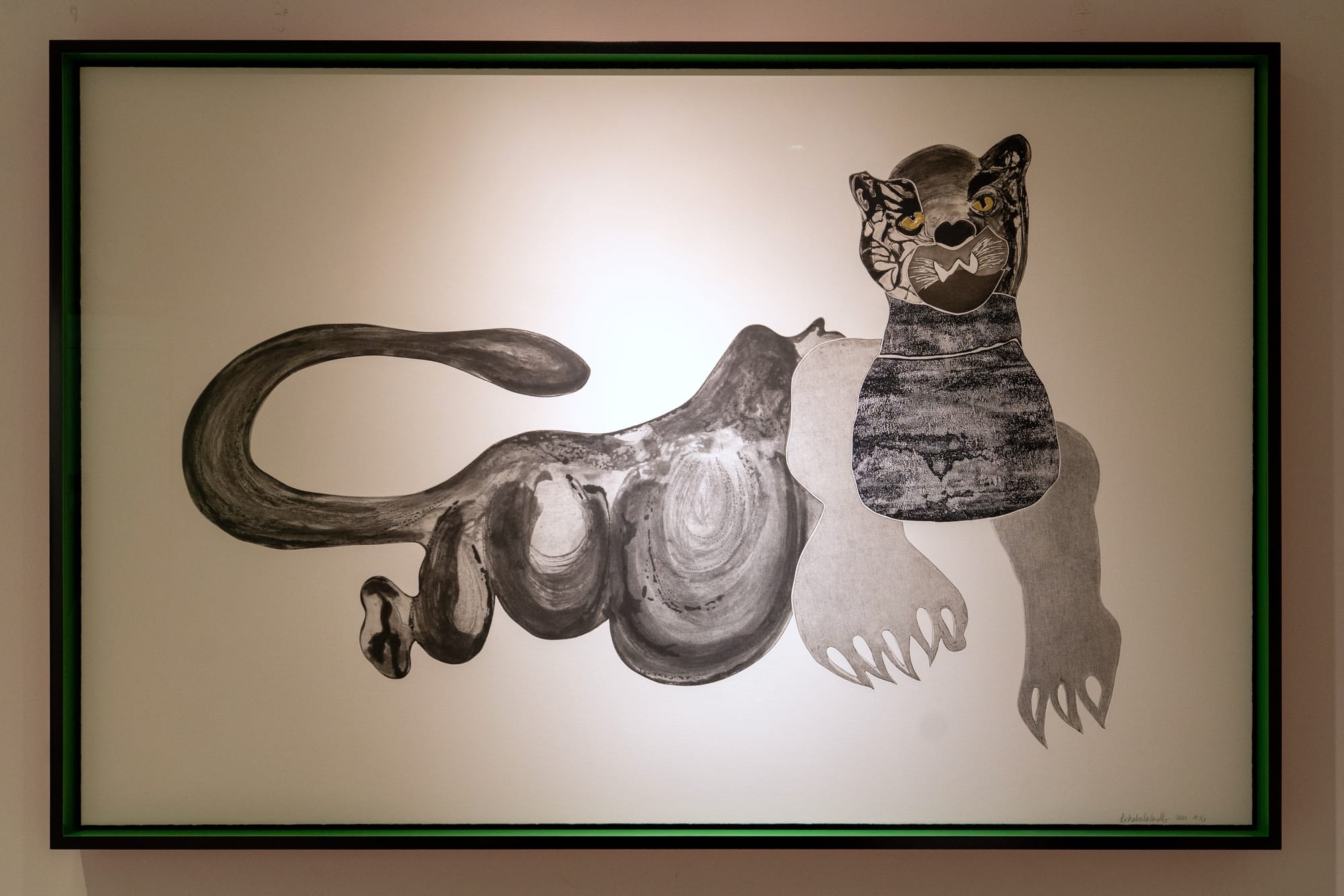
The center’s latest acquisitions demonstrate a deliberate effort to bridge historical narratives with contemporary visual practices. Among the highlights is the addition of significant works by artists such as Tschabalala Self, whose piece Black Panther (2022) was recently acquired. By centering these acquisitions, the Schomburg Center is not merely preserving history; it is actively shaping the canon of the 21st century.
These acquisitions serve as a vital counterpoint to the broader, often market-driven, consolidation occurring in the media sector. While commercial media conglomerates look to maximize reach, institutions like the Schomburg Center focus on depth, community representation, and the enduring power of the object.
4. From Underground to Prime Time: Meow Wolf’s Simpsons Cameo
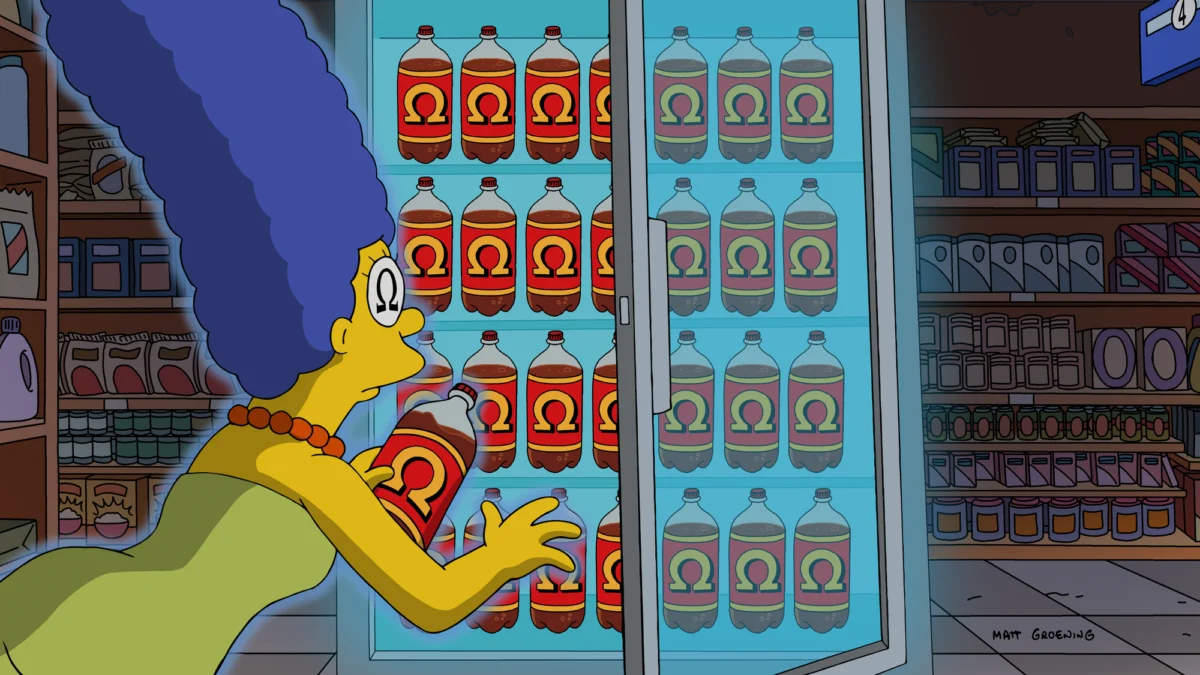
In a lighter, yet culturally telling, development, the immersive art collective Meow Wolf has officially entered the American cultural pantheon. In the episode of The Simpsons titled "Extreme Makeover: Homer Edition," which premiered on June 17, 2026, the collective’s aesthetic was woven into the fabric of the show’s legendary opening "couch gag."
Pop-Culture Canonization
The Simpsons has long served as a litmus test for cultural relevance, with previous collaborators including high-profile street artist Banksy and visionary filmmaker Guillermo del Toro. For Meow Wolf, an organization that originated in the DIY, non-profit art spaces of Santa Fe, this recognition marks a full transition from an "alternative" art movement to a mainstream consumer brand.
The episode features unmistakable visual references to Omega Mart, the group’s wildly popular, interactive supermarket installation in Las Vegas. By satirizing the surreal, hyper-consumerist environment of Omega Mart, The Simpsons highlights how deeply Meow Wolf has penetrated the public consciousness.
Implications: The Mainstreaming of Immersive Art
The inclusion of Meow Wolf in such a high-profile medium raises questions about the future of immersive art. Does the "mainstreaming" of these experiences dilute their subversive edge? For years, the collective was celebrated for its rejection of traditional gallery constraints. Now, as it finds itself the subject of network television jokes, the challenge for Meow Wolf—and for the immersive movement at large—will be to maintain its experimental core while navigating the expectations of a global audience.
5. Conclusion: A Chaotic, Interconnected World
This week’s developments illustrate the widening chasm within the art world. On one side, we see the aggressive, top-down consolidation of the media outlets that report on art, threatening to standardize the cultural conversation. On the other, we see a burgeoning commitment to climate-conscious infrastructure, supported by foundation-led philanthropy, alongside the continued efforts of public institutions to acquire and preserve diverse cultural narratives.
As we look toward the remainder of 2026, the tension between these forces will define the landscape. Whether through the preservation of historic archives at the Schomburg Center or the surreal integration of art collectives into mainstream animation, the art world remains in a state of constant, often uncomfortable, evolution.
Readers with tips, inquiries, or insights into these ongoing shifts are encouraged to reach out to the editorial team as we continue to track the intersections of capital, climate, and creativity.
 Basiran
 Muslim
 Evan Lee Salim
