

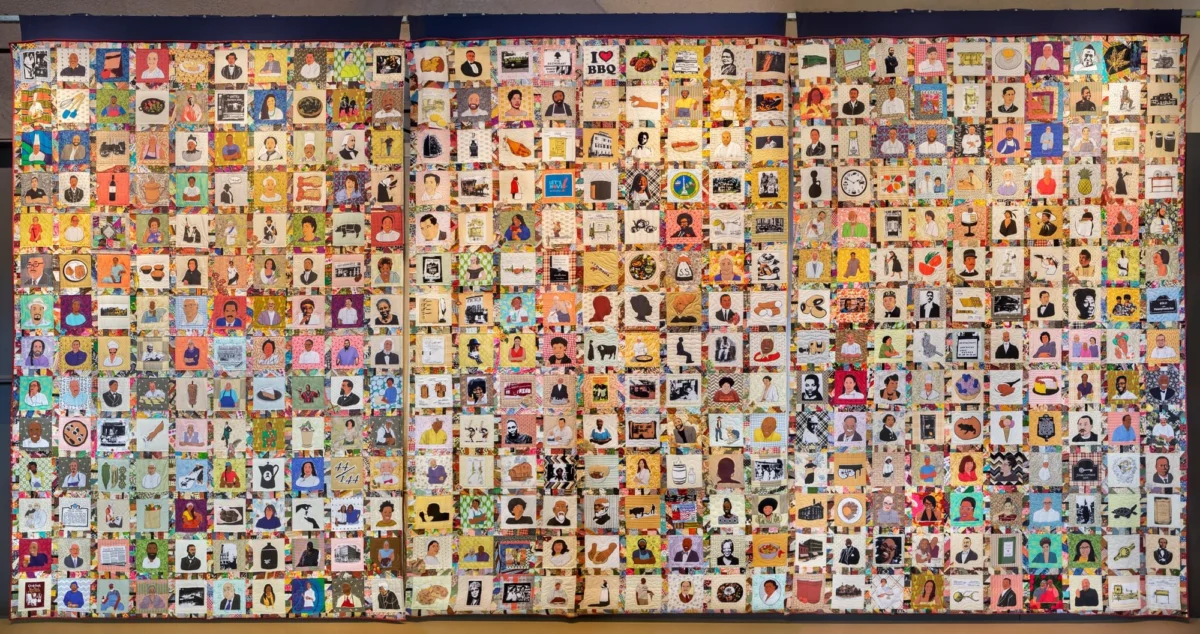
In the humid, red-clay landscapes of the American South, existence is often defined by a "multisensory culture"—a tapestry of lived experiences that encompasses the scent of approaching rain, the tactile grit of earth, and the quiet, profound weight of family heirlooms. Among these treasures, the Black quilt stands as a monumental archive. It is not merely a utilitarian covering for a bed, but a ledger of survival, sovereignty, and ancestral reverence.
As a curator and scholar, I have spent years listening to the hum of the sewing machine, a sound that mirrors the humming of our elders in church when words alone could not carry the weight of their souls. My upcoming book, Stories in the Seams: A People’s History of Black Quilts and Their Makers (2026), seeks to rectify a persistent imbalance in the art world: the tendency to view Black quilts as simple, improvisational craft while ignoring the complex, liberated intellectual life of the women who construct them.
The Archive of the Patchwork
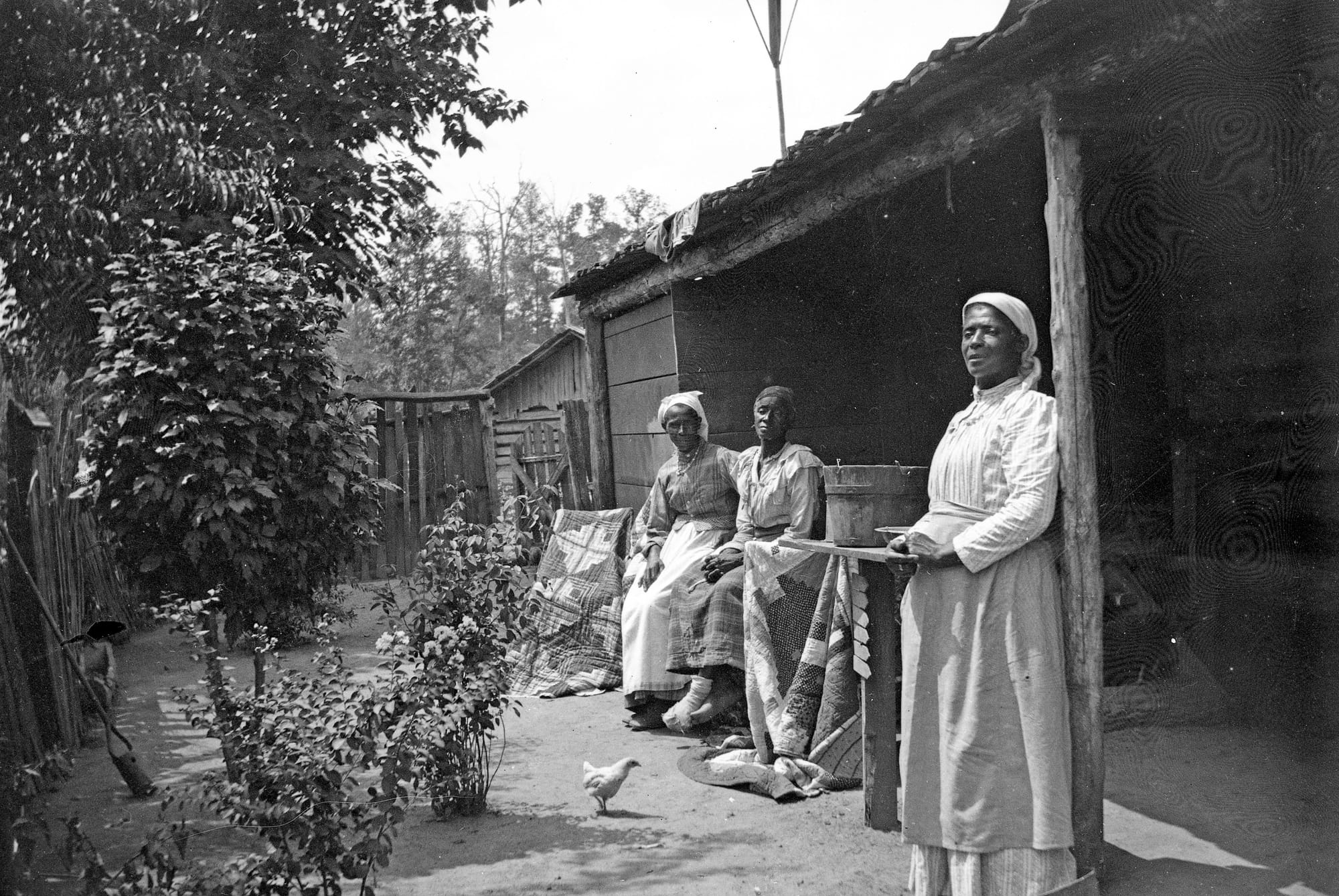
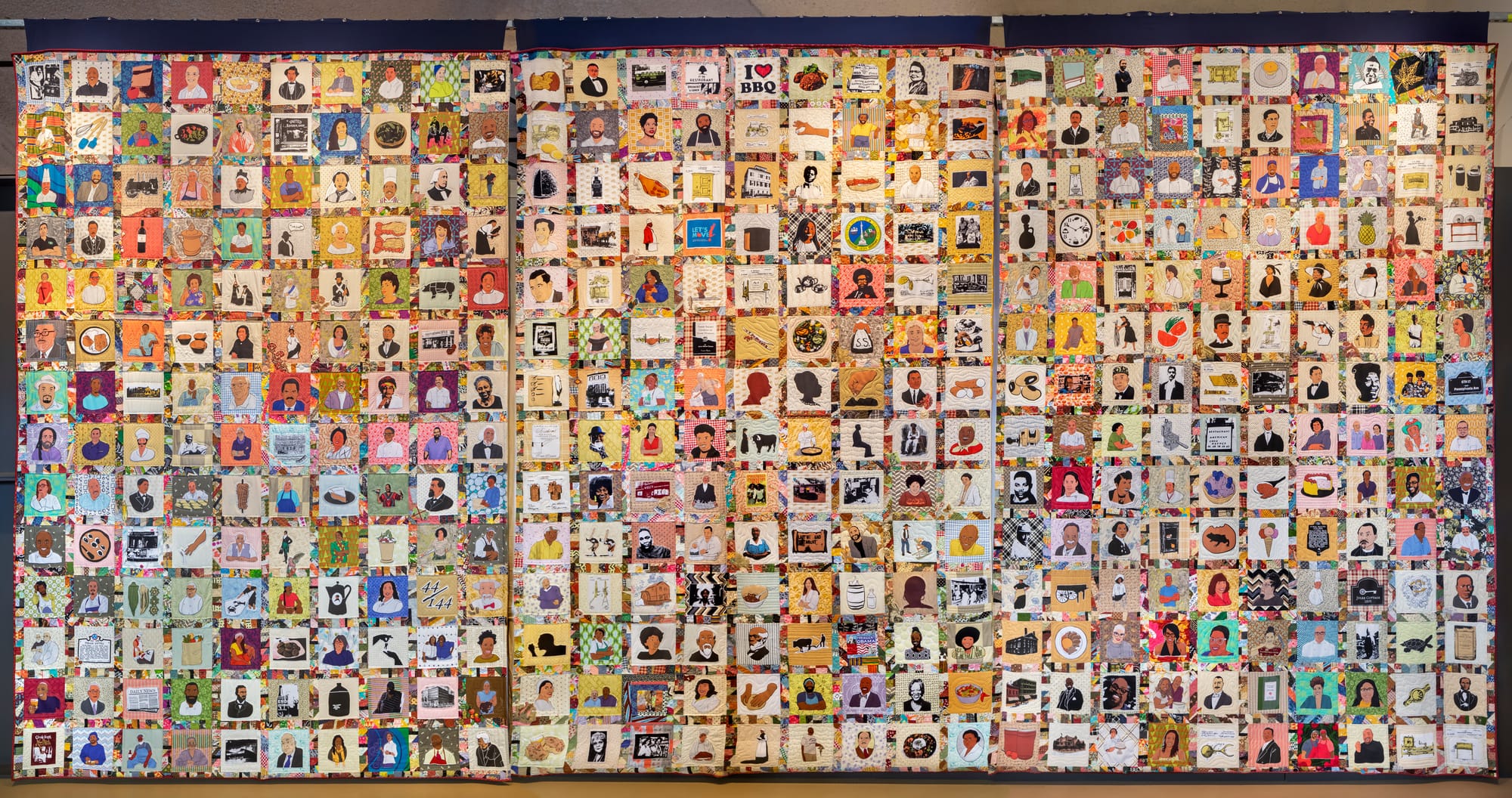
To the uninitiated, a quilt may appear to be a static object—a byproduct of domestic labor relegated to a "bygone era." However, this perspective ignores the radical nature of the Black quilt. From the legendary works of Hystercine Rankin to the contemporary narratives of Faith Ringgold, these textiles serve as historical documents. They contain stories that, for generations, could only be shared within the safety of a quilting circle.
The history of these quilts is tethered to the South, yet it is a migratory history. As Black families moved North and West, they carried their textile traditions with them, planting seeds of community and resistance in new soil. When we look at a quilt, we are not just looking at scraps of wool and polyester; we are looking at a roadmap of self-determination. These works represent a form of sovereignty that is rarely taught in traditional art school curricula, forged instead at the feet of matriarchs.
Chronology: From Survival to Sanctuary
The trajectory of Black quilting is a history of endurance. While institutions have begun to acknowledge the brilliance of makers from communities like Gee’s Bend, that recognition is often fragmented, failing to account for the breadth of the craft.
- Pre-1900s: Quilting served as a primary site of communal gathering for enslaved and post-emancipation Black women, providing a rare space for the exchange of knowledge, spiritual solace, and the preservation of African-derived aesthetics.
- 1910s–1950s: The "golden era" of functional heirloom quilting, where fabric was scarce and every scrap—from worn-out work shirts to Sunday dresses—was repurposed into protective, layered blankets.
- 1970s–1990s: A shift toward "art quilting," where practitioners began to explicitly document the Black experience, civil rights struggles, and familial lineages on cloth.
- 2000s–Present: The formalization of these practices into the fine arts, marked by the rise of advocacy groups like the Women of Color Quilters Network (WCQN) and a growing scholarly focus on the "inner worlds" of the makers.
Supporting Data: The Politics of Recognition
The "binary of appreciation"—the gap between how quilt-holders experience these objects and how the art market observes them—is rooted in long-standing prejudices. The labeling of quilting as "women’s work" has historically served to diminish its value in a capitalist art market that prizes "fine art" over "domestic craft."
Data from the Quilt Index and various ethnographic studies of the African Diaspora suggest that Black quilts are among the most under-documented historical records in American art. While a gallery may categorize a quilt through the lens of "improvisation" or "geometric abstraction," these terms are reductive. They ignore the deliberate, intentional choices made by the quilter—the use of specific colors to evoke mourning, the integration of family clothing to preserve identity, and the use of patterns that mirror African cosmologies.
Official Perspectives and the Act of Bearing Witness
The movement to reclaim the narrative of the Black quilt is spearheaded by visionaries who reject the limitations placed on their work by mainstream criticism.
Dr. Carolyn Mazloomi: The Activist’s Needle
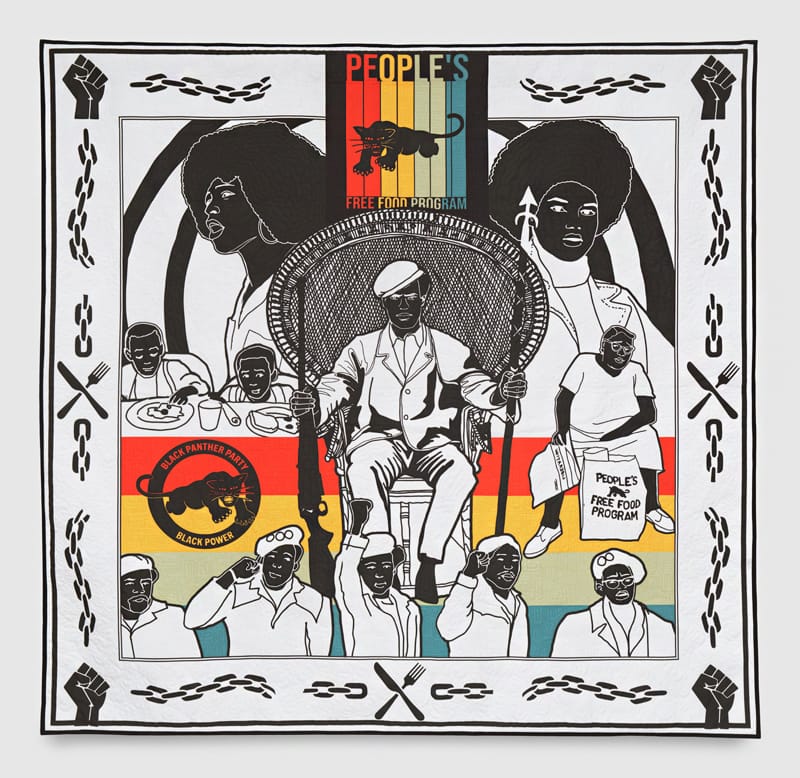
Dr. Carolyn Mazloomi has spent four decades ensuring that the work of Black quilters is not just seen, but heard. Through the Women of Color Quilters Network, she has shifted the conversation from aesthetics to activism. Her own quilts, often executed in high-contrast "whole-cloth" styles, bear witness to the cyclical nature of history. By documenting the Black Panther Party or the realities of systemic racism, Mazloomi uses the quilt as a public statement—a way to permanently etch truths into the fabric of American history.
Dawn Williams Boyd: Sanctuary in Stitches
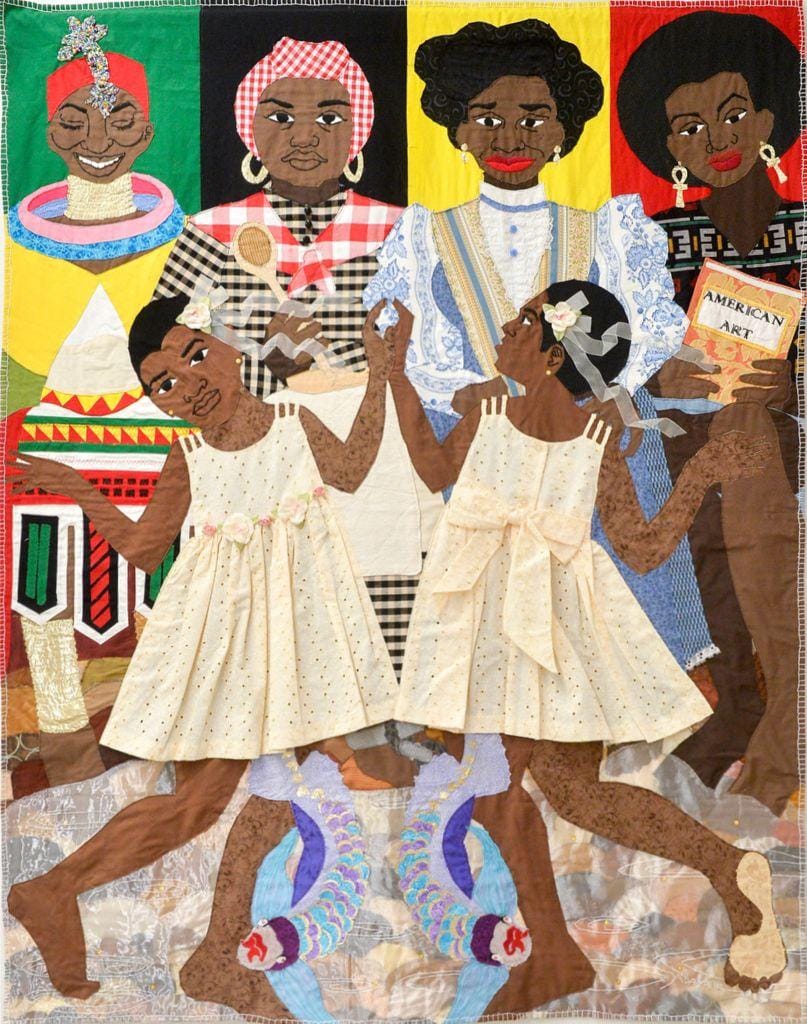
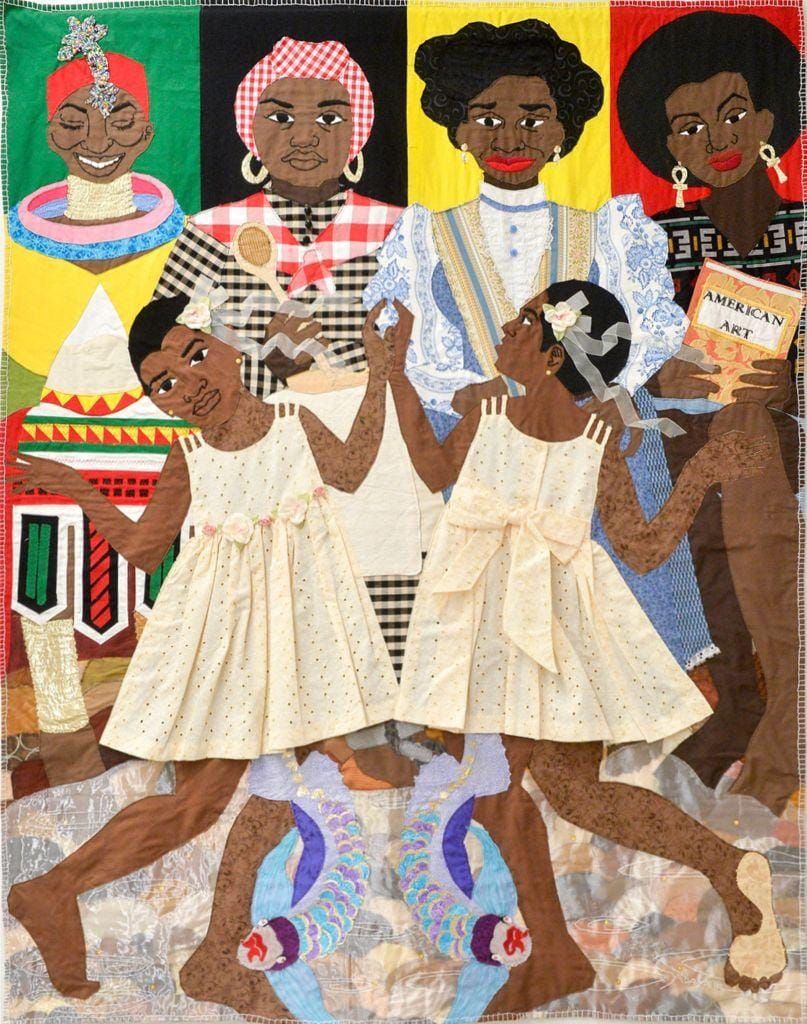
For artist Dawn Williams Boyd, the act of quilting is a survival strategy. In her 2022 reflections, she noted that the studio is the only place where she feels true calm. Her work, such as "Piscean Dancer" (2016), exemplifies the beauty of Black girlhood. Boyd’s work highlights that for many Black women, the quilt is not an object of labor, but a space of refuge—a "safe harbor" where the surveillance of the outside world is replaced by the quietude of creation.
Tina Williams Brewer: The Ritual of the Spirit
Pittsburgh-based artist Tina Williams Brewer treats the quilt as a ritualistic vessel. Her 2023 piece, "Sequences: Soul Heart Spirit," utilizes organza, Ghanaian batik, and intricate beadwork to bridge the gap between the physical and the spiritual. By incorporating adinkra symbols, she invites viewers to adopt a "celestial view" of existence, where the water serves as the boundary between the living and the ancestors.
Implications: A Necessary Reset
What does it mean to truly "see" a Black quilt? It requires a fundamental shift in how we engage with art. We must move beyond form and color theory and toward an understanding of the maker’s lineage.
The implications of this shift are profound:
- Curatorial Responsibility: Museums and galleries must move away from the "outsider artist" label, which strips Black women of their agency and intentionality.
- Pedagogical Change: Art history curricula must integrate the study of textiles as primary historical texts, acknowledging that the knowledge systems of Black quilters are as rigorous as those of the Western canon.
- Humanizing the Maker: By centering the "inner worlds" of these women, we move toward a more holistic appreciation of the Black experience. We begin to understand that when a woman sits at a quilt frame, she is not just sewing—she is engaging in an act of profound, liberated language.
As we look toward the future of art, we must recognize that Black women quilters are not merely participants in the art world; they are its architects. They have been weaving our history, our resistance, and our joy into the very fabric of our lives for centuries. It is time we learned how to listen to the story being told in the seams.
 Muslim
 Jia Lissa
