

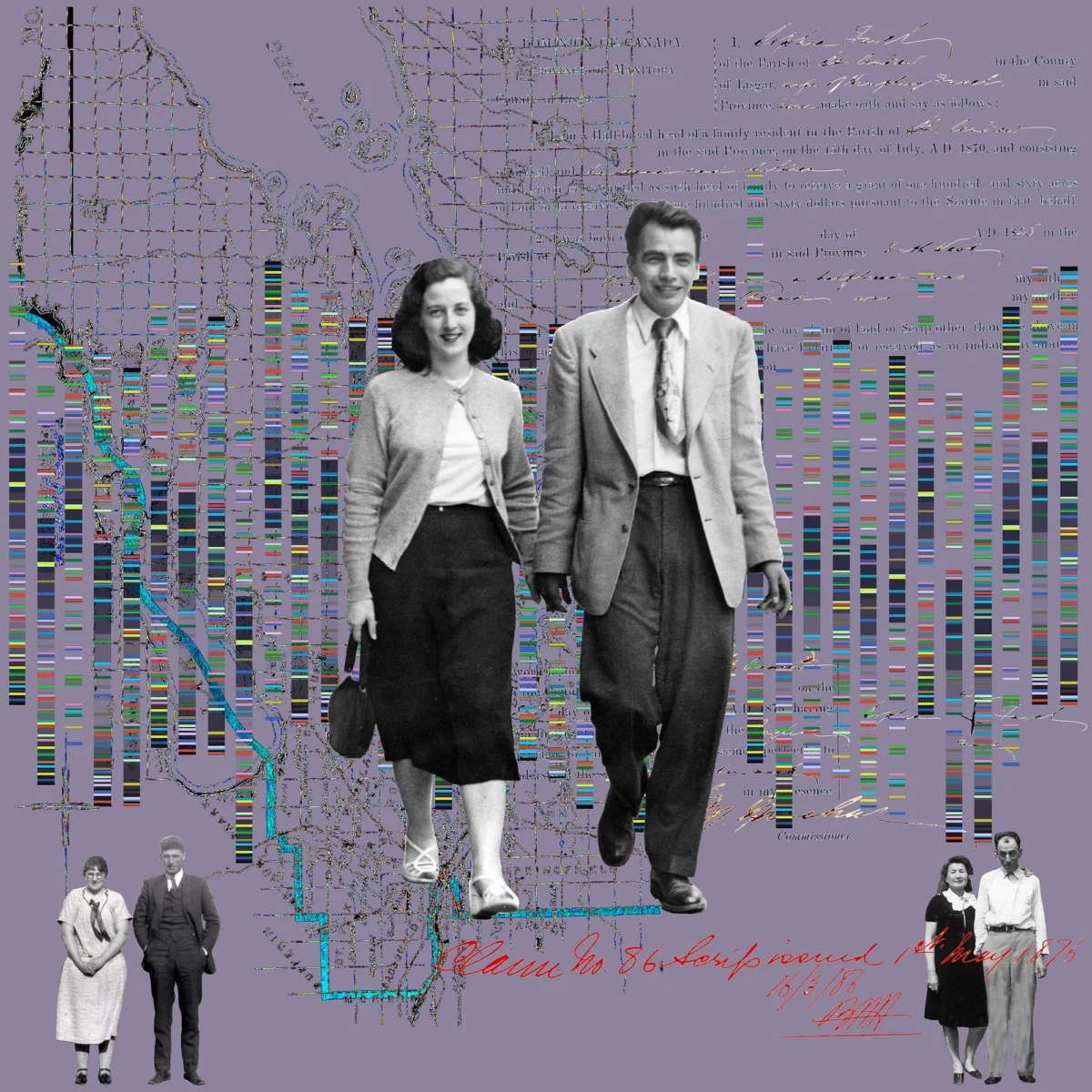
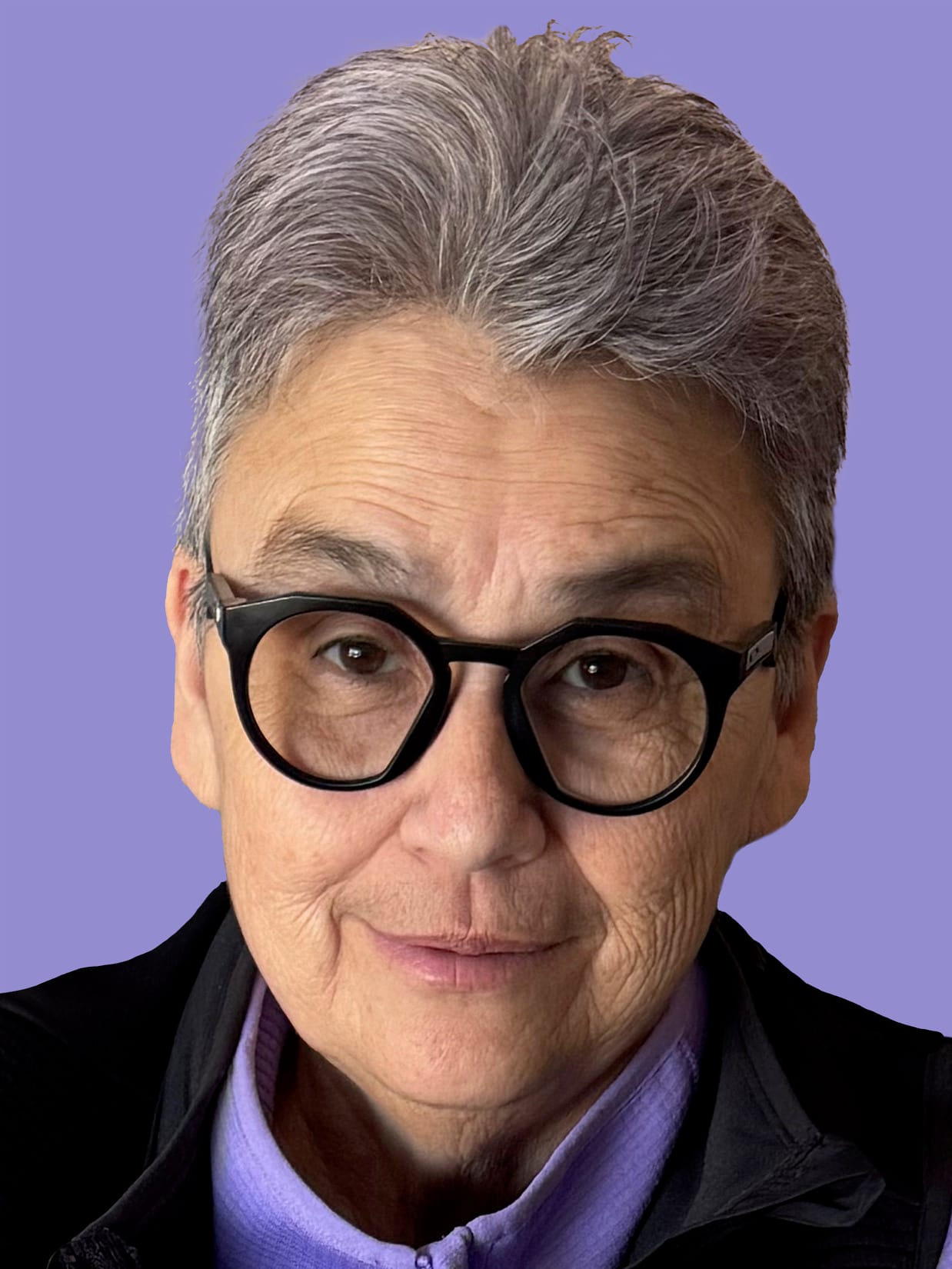
In the vibrant landscape of contemporary Canadian art, few figures have bridged the gap between personal memory and collective history as poignantly as Rosalie Favell. A multidisciplinary artist based in Ottawa, Favell has spent over four decades utilizing photography, digital collage, and autobiographical text to explore the complexities of her identity as a Métis woman and a lesbian. Her work serves as a form of visual archaeology, reclaiming narratives that were often suppressed by the forces of colonialism and societal prejudice.
As part of Hyperallergic’s 2026 Pride Month series, this retrospective analysis explores how Favell moved from the darkrooms of her youth to the forefront of Indigenous contemporary art, proving that visibility is not just a political act—it is an act of survival.
A Legacy in Focus: The Chronology of an Artist
Rosalie Favell’s artistic trajectory began in the quiet intimacy of family photo albums. Growing up in Winnipeg, she discovered early on that the camera was a powerful tool for self-definition. "I started photography because I couldn’t draw," Favell recalls. "I found a way to express myself by picking up a camera, and off I went. I loved the family photo albums we had, too. Especially once you get into the darkroom, it’s just really incredible to watch something materialize right in front of you."
Her career, spanning from 1982 to 2024, is currently being celebrated in a traveling retrospective titled Rosalie Favell: Belonging. The exhibition, which recently concluded a run at the Art Gallery of Algoma and is slated to debut at the Kitchener-Waterloo Art Gallery on August 8, serves as a comprehensive map of her evolution.

The Search for Ancestry
Favell’s exploration of her Métis identity was a deliberate, often arduous process of reconstruction. In Canada, the Métis—the descendants of First Nations women and European traders—often faced systemic pressure to pass as White to survive the realities of colonial displacement.
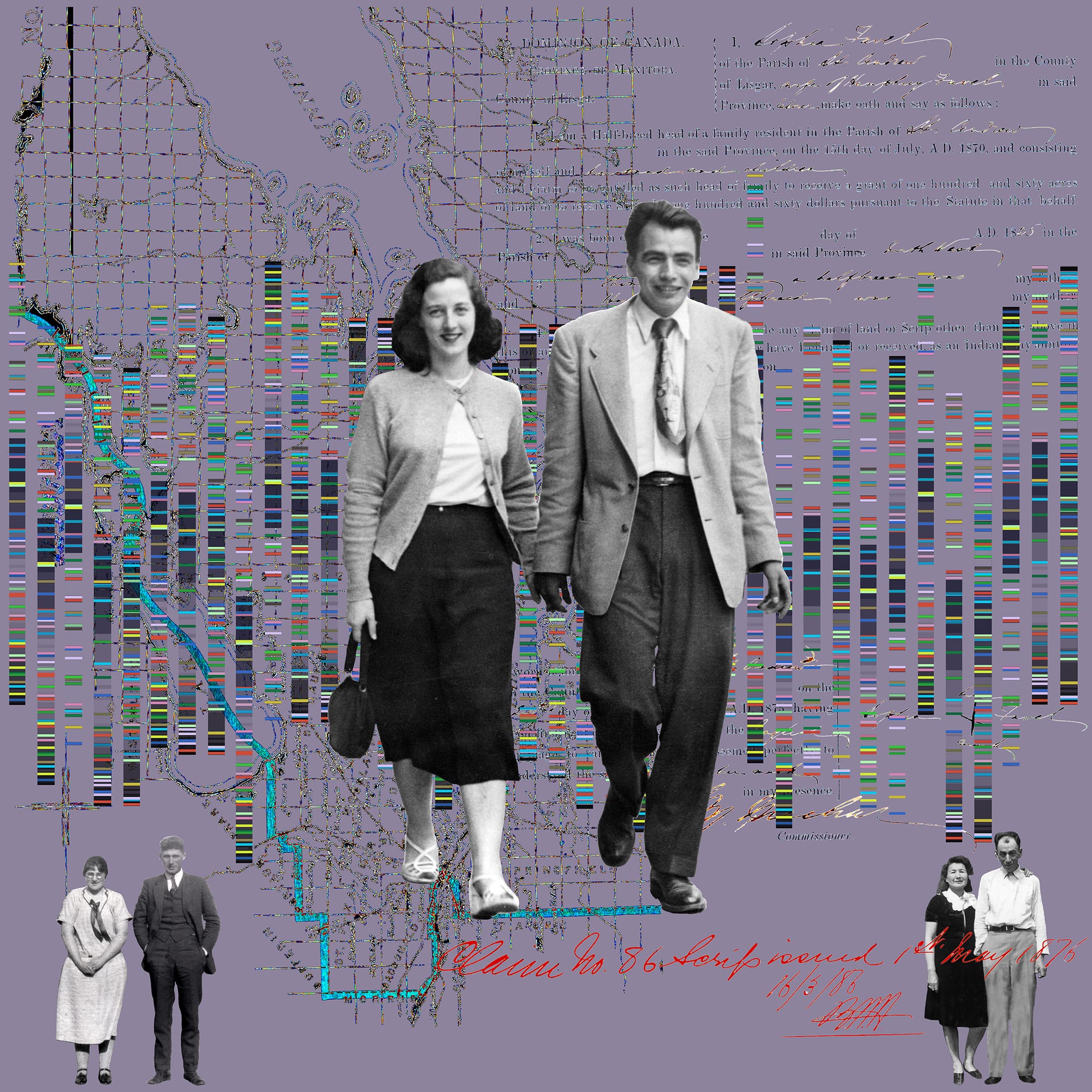
"We didn’t grow up identifying with it because part of the history is that it was more important to pass to survive in the world that took First Nations people off of their ancestral land," she explains. It was not until her early 20s that Favell began to peel back the layers of her family tree, utilizing Hudson’s Bay Company records to trace her lineage back to her Cree great-great-great-great-grandmother. This process of recovery informed her early series, Portraits in Blood (1990–93), where she sought connection with the Indigenous community in Winnipeg to reconcile her personal history with her cultural heritage.
The Intersecting Identity of the Queer Indigenous Woman
For Favell, the discovery of her Indigenous identity occurred in parallel with her journey as a lesbian. Having come out during the second wave of feminism, she navigated a world where both aspects of her identity required a clandestine existence.
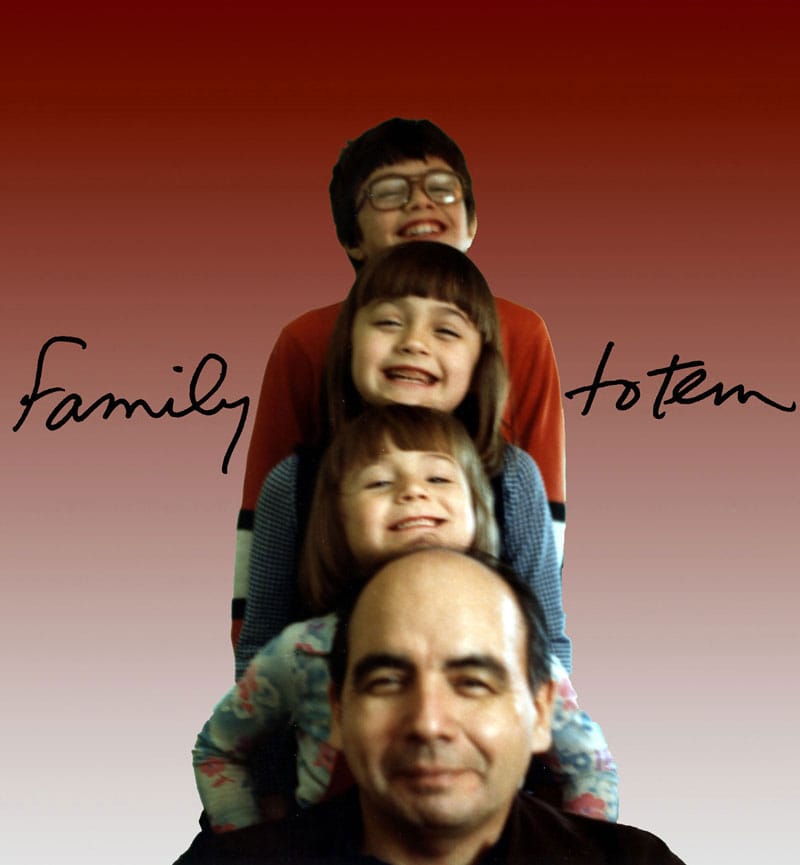
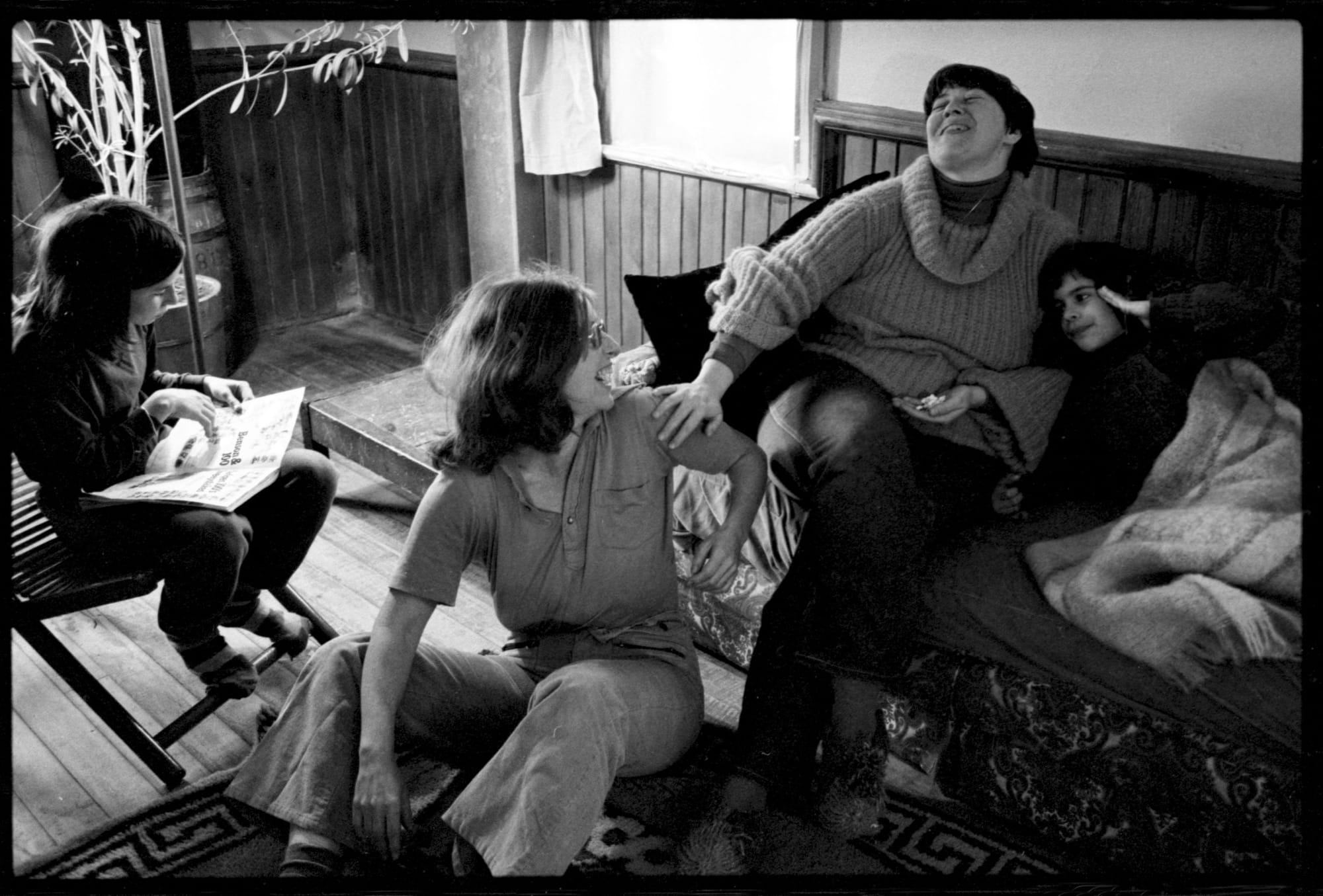
"I came out as a lesbian before I came out as an Indigenous woman," Favell notes. Her early work, such as Family Circle (1982), which documented a queer family living in rural Ontario, captures the spirit of a generation creating its own social infrastructure during a time of intense political marginalization, including the era of the Toronto bathhouse raids.
Supporting Data: The Mechanics of Memory and Collage
Favell’s methodology has shifted significantly over the decades, moving from straight documentary photography to complex digital assemblages. Her transition to digital media in the mid-1990s allowed her to manipulate her own image, literally inserting herself into the narratives of her heroes.
Reclaiming the Heroic
In her series Plain(s) Warrior Artist (1999–2003), Favell began digitally collaging her own portrait onto the bodies of iconic characters like Xena: Warrior Princess. This was not merely an aesthetic choice; it was a psychological reclamation. "I was attempting to become my own hero rather than keep looking for heroes out there because it was time for me to step up," she says.
By combining press photos with her own image, Favell created a new visual language—one that challenged the exclusivity of Western cultural icons. This work was further informed by her time in New Mexico, where she pursued a Master’s degree and deepened her understanding of the connections between Indigenous and broader North American cultures.
The Ethics of "Facing the Camera"
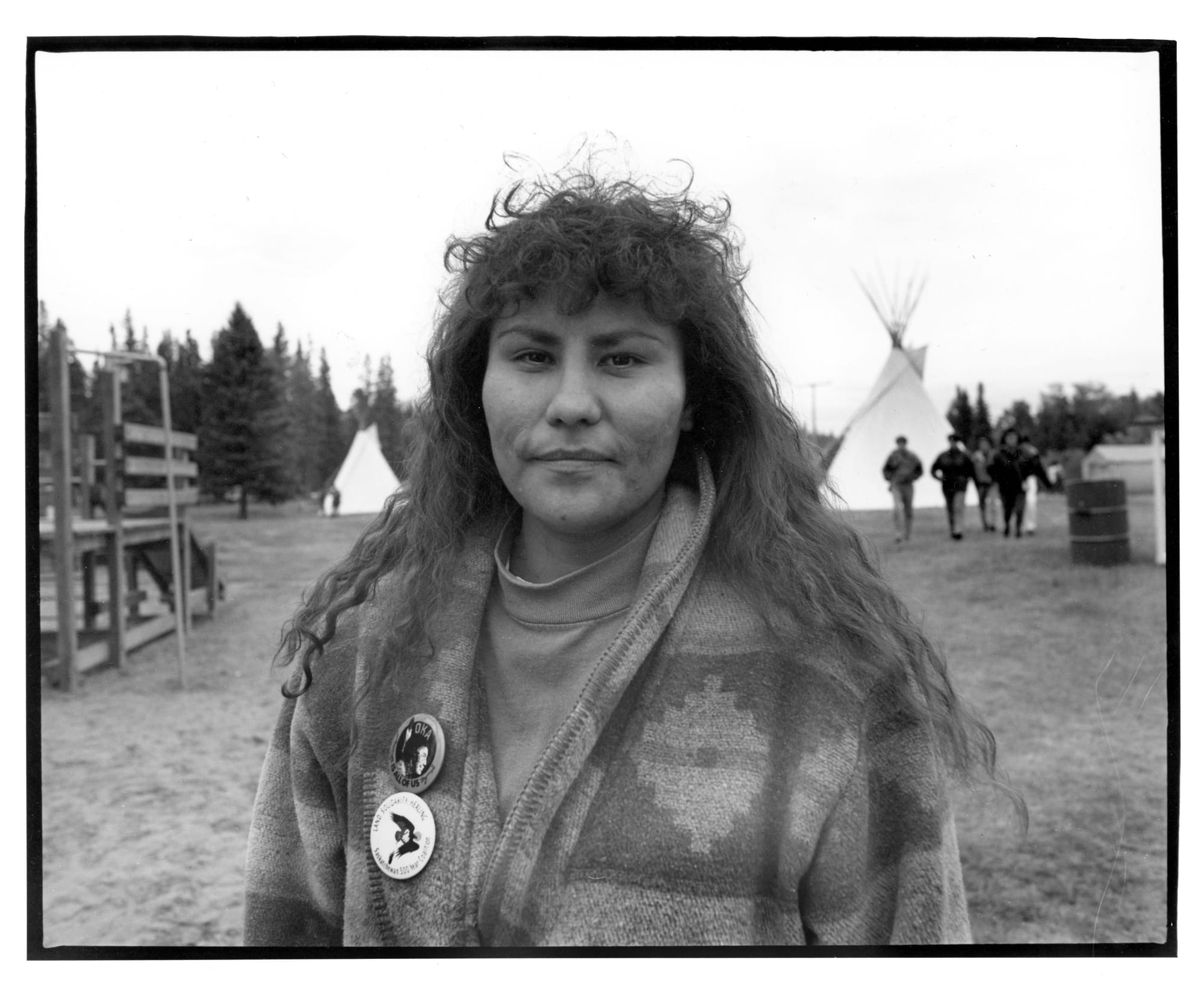
Perhaps her most ambitious project to date is Facing the Camera (2008–2023), a sprawling portrait series documenting hundreds of Indigenous artists across Canada, the United States, and Australia. The project serves as a rebuttal to the reductive stereotypes of what an Indigenous person "should" look like.
"With Facing the Camera, I walked into an opening and heard someone say, ‘Well, they don’t look Indigenous. I would never know.’ I mean, what do you think we look like?" Favell asks. By documenting these artists, she is creating a "time capsule" that preserves the spirit and physical presence of a community often ignored by mainstream institutions.
Official Responses and Curatorial Impact
The critical reception of Favell’s work has consistently highlighted her ability to balance profound vulnerability with academic rigor. Curators of Rosalie Favell: Belonging note that the exhibition is not just a retrospective of an individual, but a document of a changing Canada. By centering the experiences of a Métis lesbian, the exhibition forces institutions to confront the gaps in their own collections and historical record-keeping.
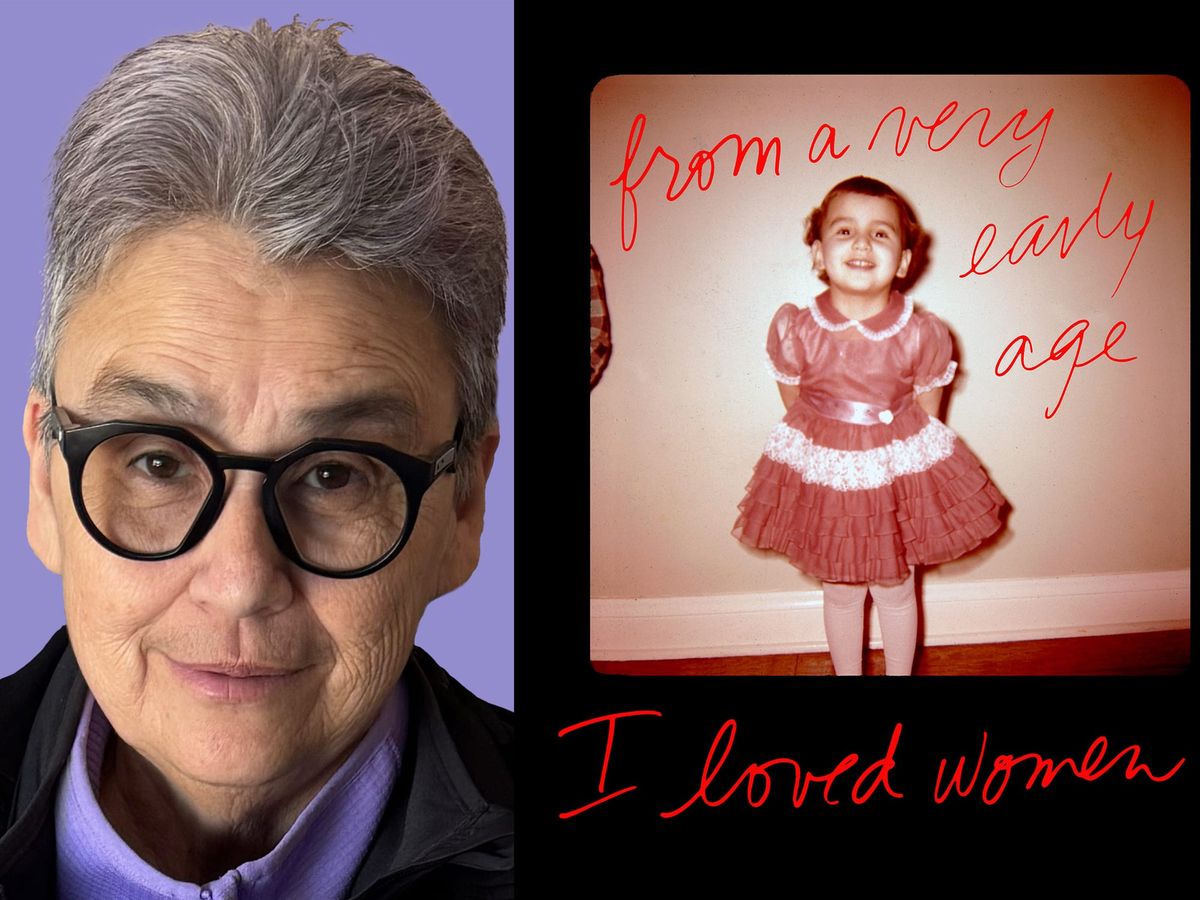
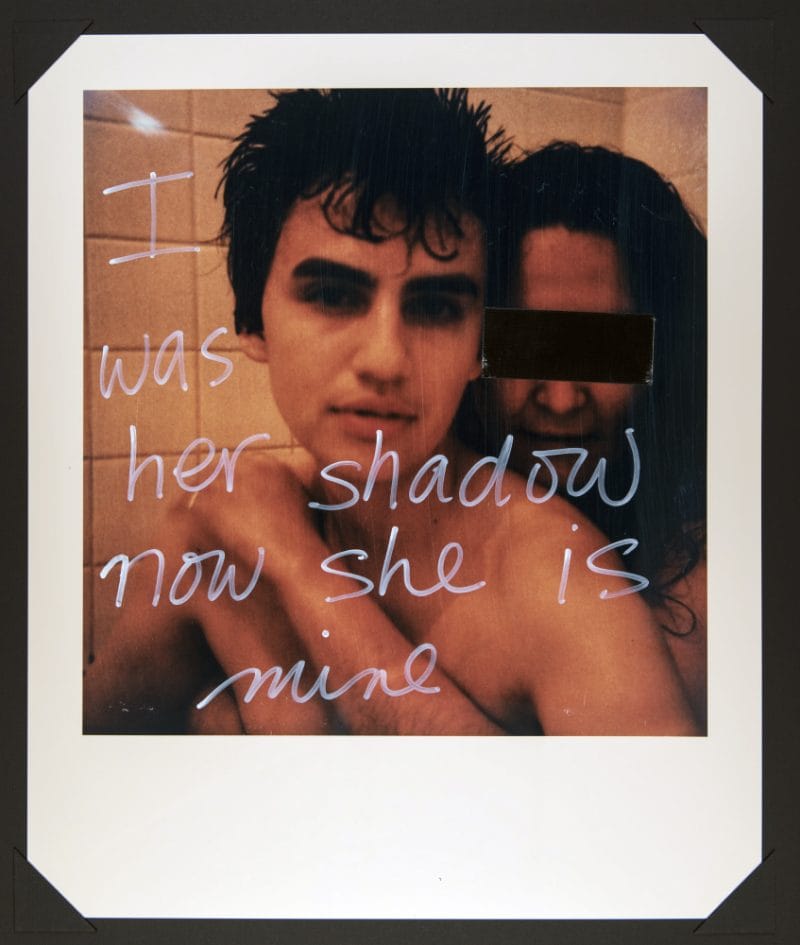
Favell’s work serves as a reminder that the archive is not static. When she takes an old family photograph—like the one of herself as a three-year-old in a crinoline dress—and inscribes it with the text, "From an early age, I loved women," she is engaging in a radical act of historical revisionism. She is not merely observing her past; she is actively shaping it to reflect the truth of her present self.
Implications for Future Generations
The broader implications of Favell’s practice are particularly resonant for younger generations of artists who navigate multiple, intersecting marginalized identities. Her career demonstrates that the "convoluted way of finding community"—which once required secret handshakes and underground social circles—has evolved into a more public, albeit still challenging, landscape of visibility.
Advice for the Modern Seeker
When asked what she would say to queer, Indigenous youth who are struggling to find their place in the world, Favell offers a message of radical self-acceptance and community building.
"You do belong, it’s okay to be who you are and love yourself the way you are," she says. "In my ideal world, that comes from yourself. But you do function in a larger world; you need to seek out and find support from community. If you could find just one person or one place, reach out."
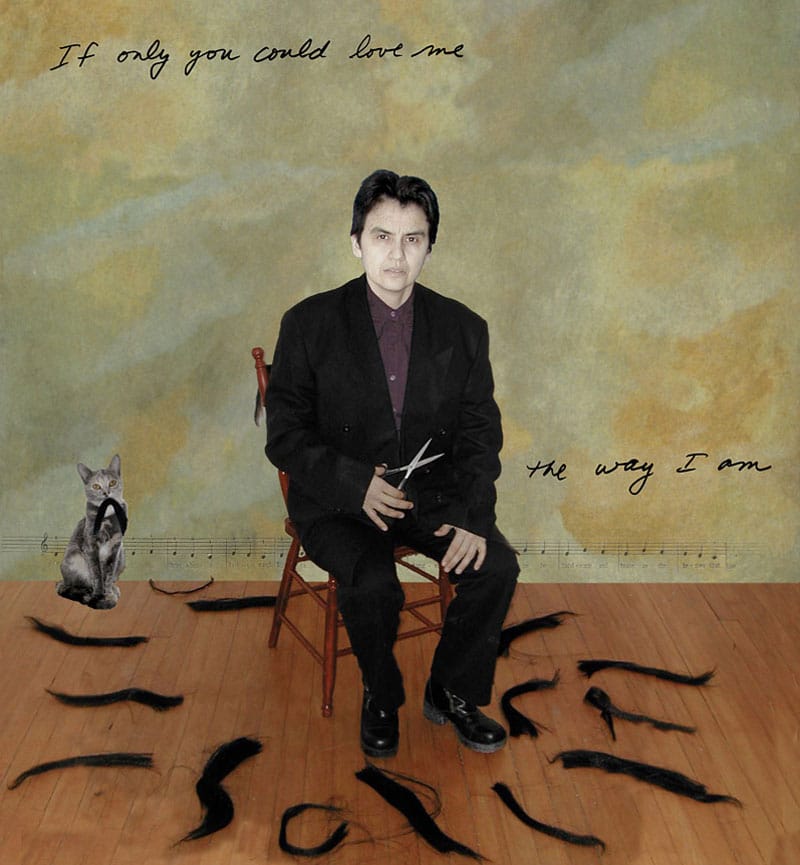
Favell’s life work suggests that while the structures of power may try to keep identities separate or hidden, the act of art-making can weave them together into a coherent, powerful whole. Through her photography, she has effectively turned the lens back on history, ensuring that the stories of Métis women and the queer community are not just seen, but are central to the cultural record.
As Rosalie Favell: Belonging continues its tour, it remains a testament to the idea that identity is not something we are given; it is something we curate, protect, and ultimately, create.
 Basiran
 Muslim
 Evan Lee Salim
