


In the often-cynical landscape of American electoral politics, the intersection of grassroots activism and creative labor is a rare and compelling frontier. As the June 23 Democratic primary for New York’s 7th Congressional District approaches, the candidacy of New York State Assemblywoman Claire Valdez has emerged as a litmus test for the viability of a new, artist-led political paradigm. Valdez, a former painter and career union organizer, is running a campaign that fundamentally challenges the traditional divide between cultural practice and legislative policy.
The Evolution of an Artist-Politician
Claire Valdez’s journey to the precipice of Congressional representation is rooted in the precarity of the modern creative class. Moving to New York City in 2015 with the aspirations of a painter, Valdez quickly encountered the harsh economic realities that define the lives of most working artists. Her early years in the city were defined by the "hustle"—a cycle of labor involving stints at Taco Bell, Trader Joe’s, and Pizza Hut. These experiences were not merely survival mechanisms; they were the crucible in which her political consciousness was formed.

The transition from the easel to the podium was not an abrupt pivot, but rather a logical progression of her commitment to labor rights. Having witnessed the systemic exploitation of workers in the service and creative sectors, Valdez pivoted toward organized labor, eventually emerging as a formidable union organizer. This professional background serves as the bedrock of her platform: a rigorous, unabashedly progressive agenda that includes Medicare for All, universal rent control, the abolition of ICE, the taxation of extreme wealth, and a vocal stance on the necessity of freedom for Palestinians.
A Chronology of a Grassroots Campaign
- 2015: Valdez arrives in New York City, immersing herself in the local art scene while working various service-industry jobs to sustain her practice.
- 2018–2022: Deepening involvement in labor organizing, where Valdez gains prominence for her advocacy on behalf of underrepresented and precarious workers.
- Early 2024: Valdez officially announces her campaign for the New York State Assembly, successfully connecting with voters frustrated by the status quo.
- Mid-2024: Following a successful term in the State Assembly, she pivots to the federal level, filing for the 7th Congressional District.
- June 23, 2026 (Upcoming): The Democratic primary election, which will determine if Valdez moves forward to represent the district in the US House of Representatives.
The Intersection of Culture and Governance
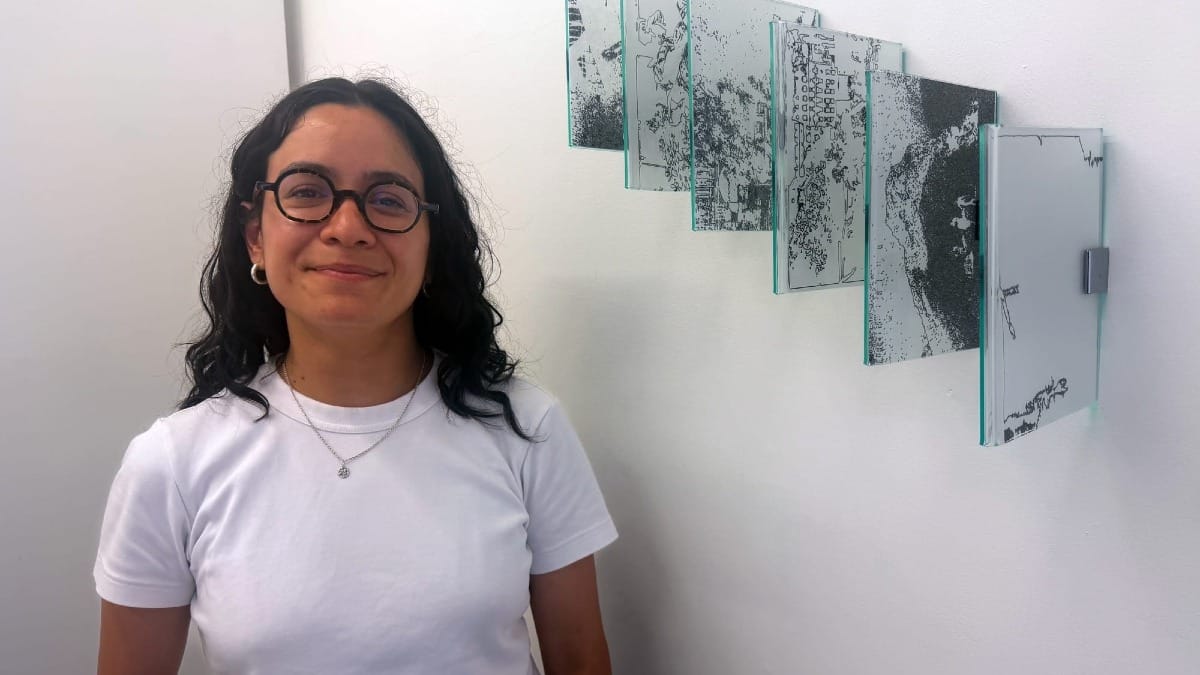
Valdez’s candidacy is being closely watched by political analysts and art world observers alike, largely because she represents a burgeoning movement of "artist-activists" who view political power as an extension of their creative work. In a recent interview at a gallery in Ridgewood, Queens, Valdez articulated her vision for a Congress that treats "culture" not as a secondary concern, but as a central component of social infrastructure.
She is heavily endorsed by figures such as New York City Council Member Zohran Mamdani, who has himself pioneered a form of socialist politics in New York that resonates with younger, urban demographics. Together, they represent a significant shift in the city’s political geography, moving away from establishment liberalism toward a more radical, structural approach to governance.
The "Radical Imaginatory": Intellectual Context
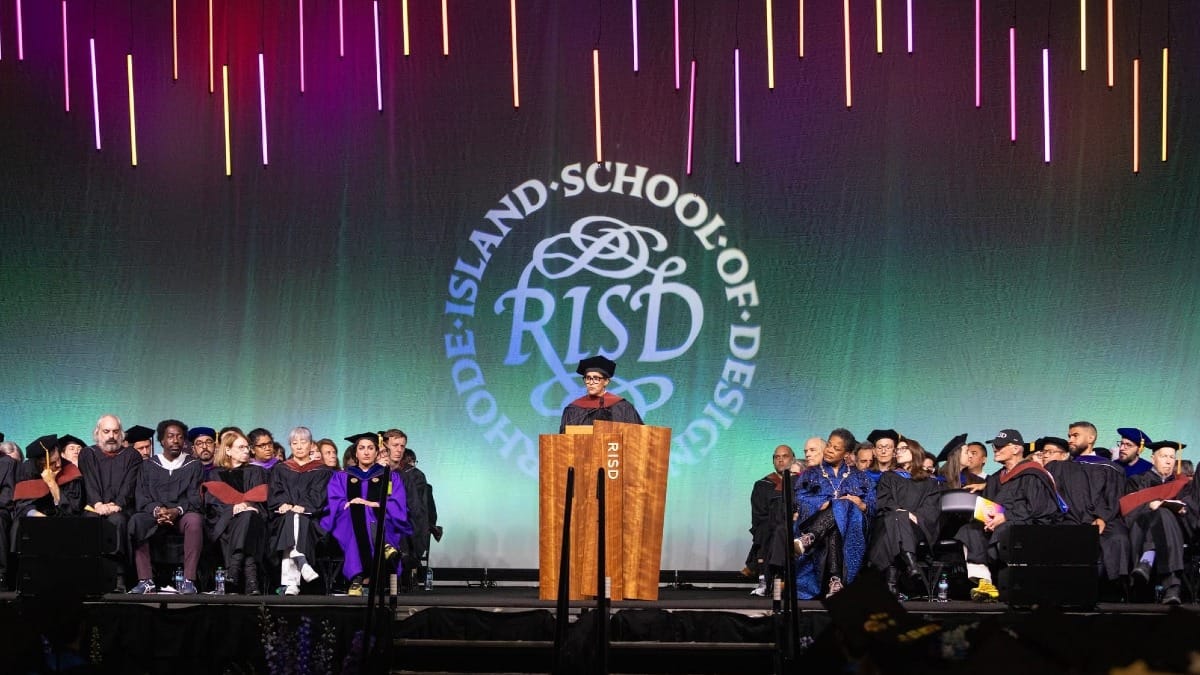
The spirit of Valdez’s campaign finds a parallel in the intellectual discourse currently circulating within the art world. This week, artist Julie Mehretu delivered a landmark commencement address at the Rhode Island School of Design (RISD), which serves as a vital touchstone for the moment we are in. Addressing the Class of 2026, Mehretu reflected on the role of the artist in an era defined by ecological collapse, political violence, and the erosion of institutional trust.
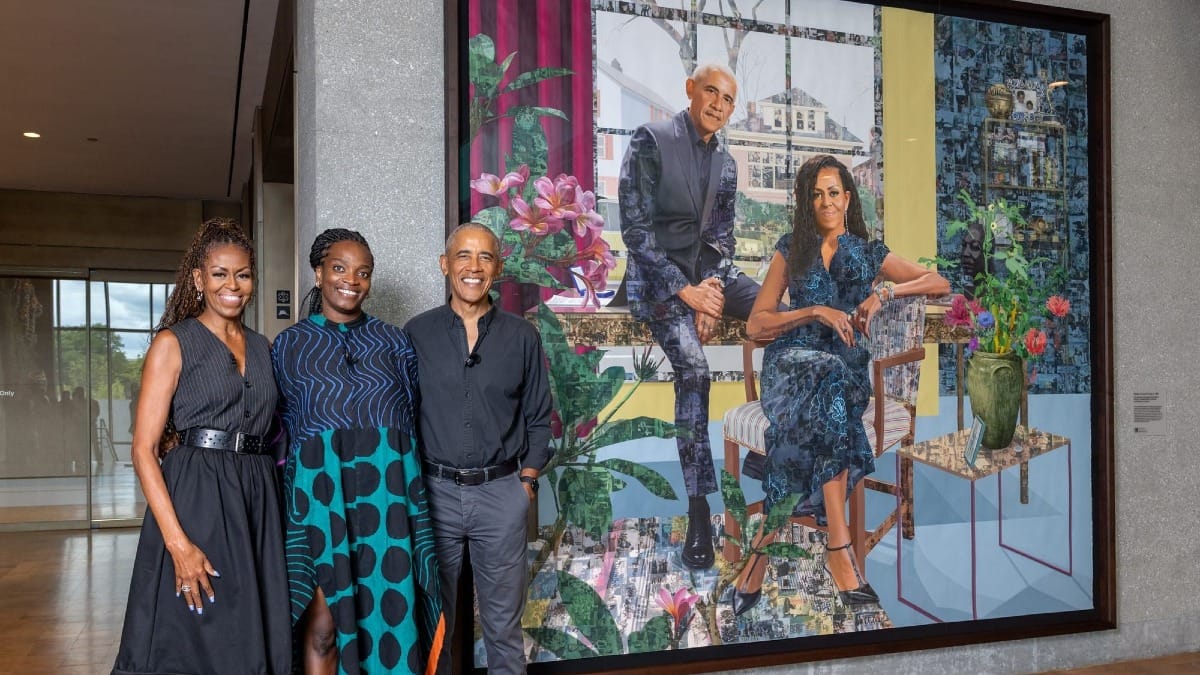
"Beauty and poetics carry weight," Mehretu remarked. "They are how human beings have always processed what is unbearable, imagined what is not yet possible, and kept alive the sense that something else could exist."
This concept—the "radical imaginatory"—is the philosophical counterpart to Valdez’s political platform. Just as Mehretu urges graduates to "fruit in the wreckage" rather than mourn lost systems, Valdez’s campaign seeks to dismantle ineffective political structures and replace them with policies that directly address the material conditions of the working class.
Supporting Data and Policy Implications
The implications of a Valdez victory are profound. Her platform is not merely a list of demands but a critique of the neoliberal order that has dominated New York politics for decades. By focusing on universal rent control and the abolition of ICE, she is directly challenging the corporate donor class that has historically dictated the terms of local and federal policy in New York.
Policy Comparison: The Valdez Agenda
| Policy Area | Stance | Rationale |
|---|---|---|
| Labor | Unionization for all | Closing the gap between management and worker. |
| Housing | Universal Rent Control | Preventing displacement of the working class. |
| Immigration | Abolish ICE | Decoupling immigration from the prison-industrial complex. |
| Fiscal | Tax the Rich | Funding social programs through wealth redistribution. |
The Broader Cultural Landscape
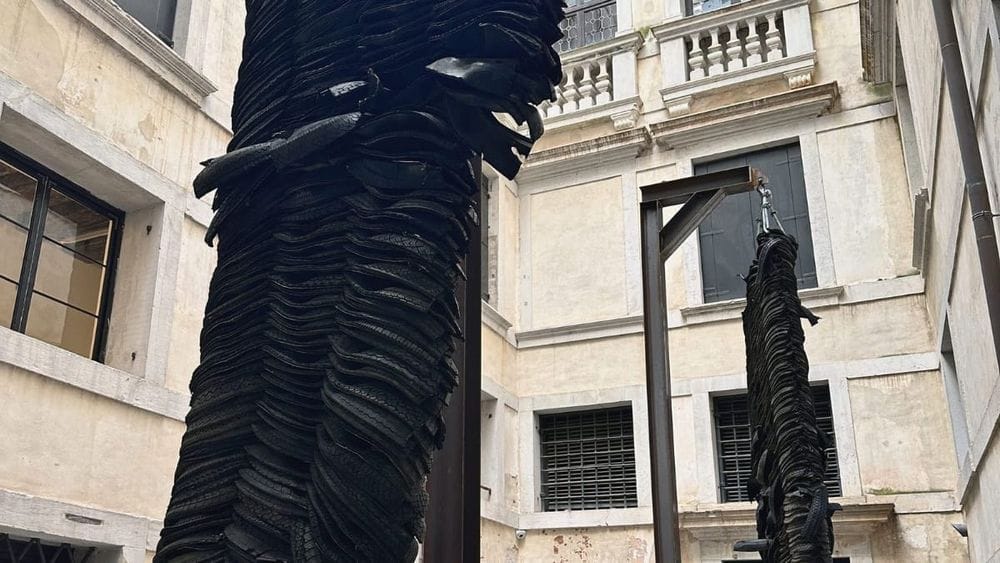
While the political headlines are dominated by the Congressional race, the cultural sector continues to grapple with its own relationship to current events. The recent exhibition featuring Arthur Jafa and Richard Prince in Venice has drawn sharp criticism from thinkers like Aruna D’Souza, who argues that the show’s binary visual language is insufficient for the complexity of the current moment. This critique mirrors the sentiment felt by many voters: that the old institutions of power—whether in the gallery or the legislative hall—are failing to adequately reflect or represent the diverse, nuanced reality of modern life.
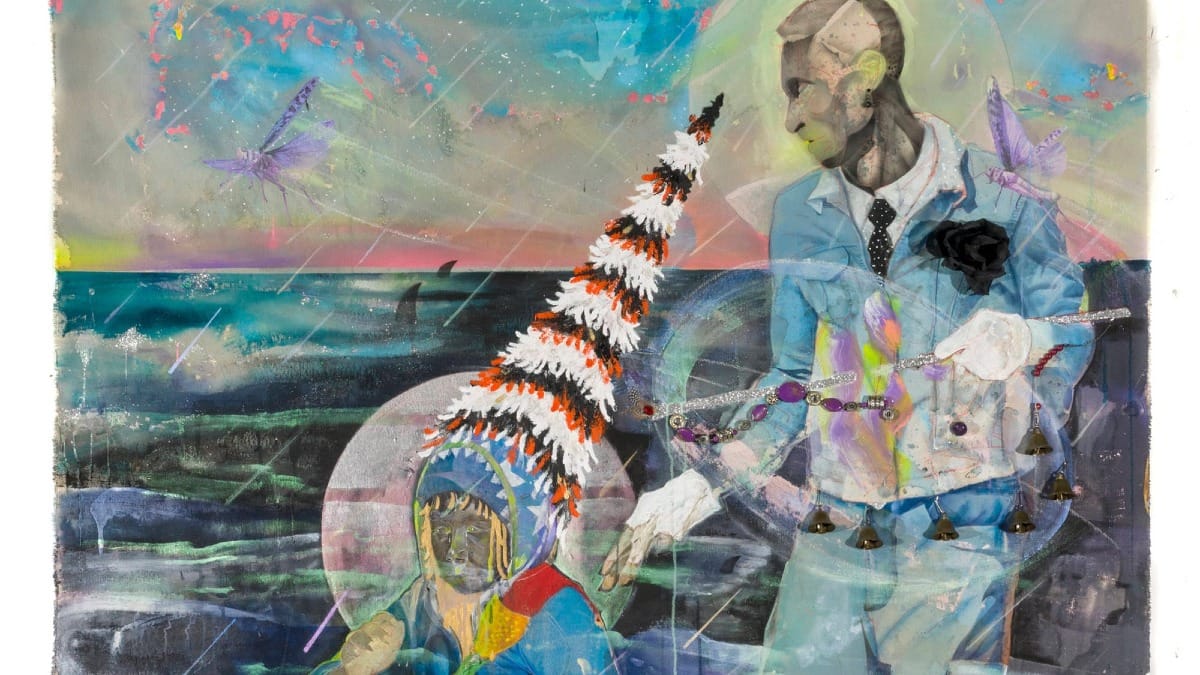
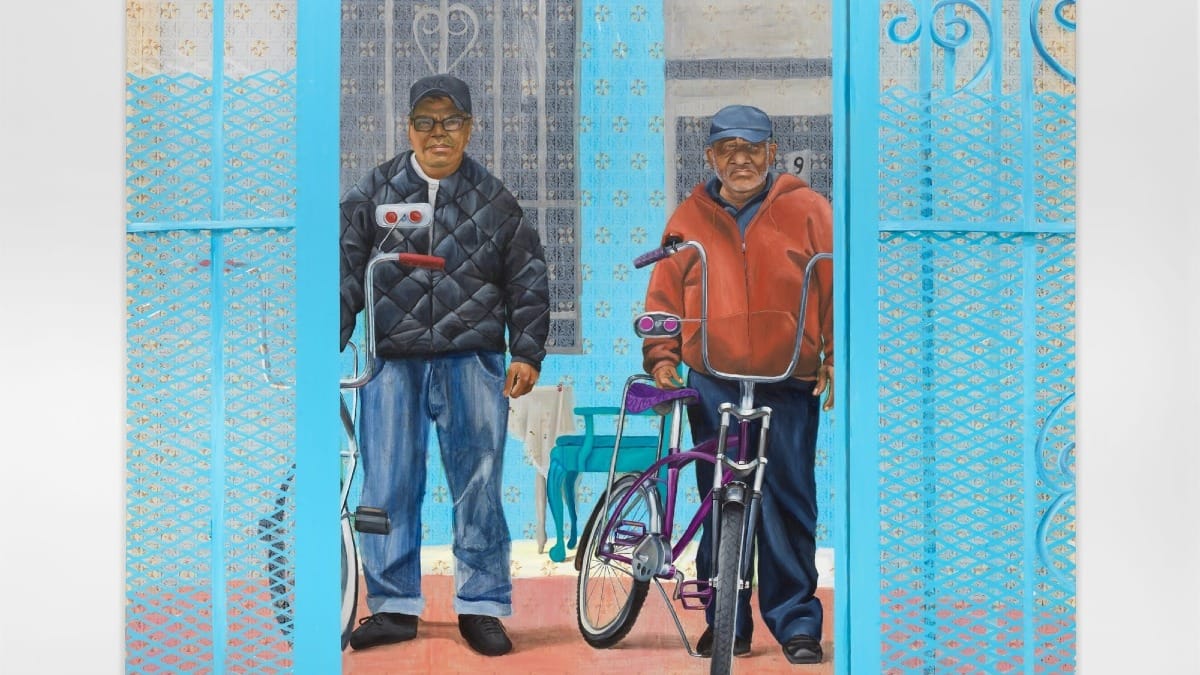
Simultaneously, as Father’s Day approaches, a broader reflection on the nature of domesticity and care is emerging through art. Hyperallergic’s recent roundup of artists exploring fatherhood—including Melissa Joseph, Arleene Correa Valencia, and Ruby Neri—highlights a trend toward centering the personal and the familial as a form of resistance against cold, bureaucratic dehumanization.
Official Responses and Public Reception
The establishment’s response to Valdez has been one of wary observation. While traditional party elites remain skeptical of her "Democratic Socialist" credentials, the grassroots reception has been electric. Her campaign rallies in Queens have drawn record numbers of young voters, many of whom are participating in the electoral process for the first time.
Supporters argue that her lack of "career politician" polish is, in fact, her greatest asset. In an era where the electorate is tired of performative politics, her background as a service-industry worker and union organizer provides a level of authenticity that resonates with a base currently struggling with rising costs of living and housing instability.
Conclusion: A New Era?
Whether or not Claire Valdez secures a seat in Congress, the movement she represents has already left an indelible mark on the political landscape. By merging the aesthetic with the legislative, and the personal struggle with the structural, she has created a blueprint for future generations of artists to engage with the machinery of power.
As the city watches the results of the June 23 primary, it is clear that the questions raised by this campaign—how we survive in the ruins, how we imagine the radical, and who gets to represent the working class—will continue to define the cultural and political discourse for years to come. In the words of the artist-activist herself, the work of building a more just society is not so different from the work of a painter: it requires patience, a vision of what does not yet exist, and the courage to act upon the canvas of reality.
For those interested in supporting independent, critical reporting on the intersection of art, culture, and politics, please consider joining the Hyperallergic community. Independent journalism is the cornerstone of a healthy democracy, and your membership ensures that these stories continue to be told without the influence of corporate or billionaire interests.
 Muslim
 Evan Lee Salim
 Jia Lissa
