

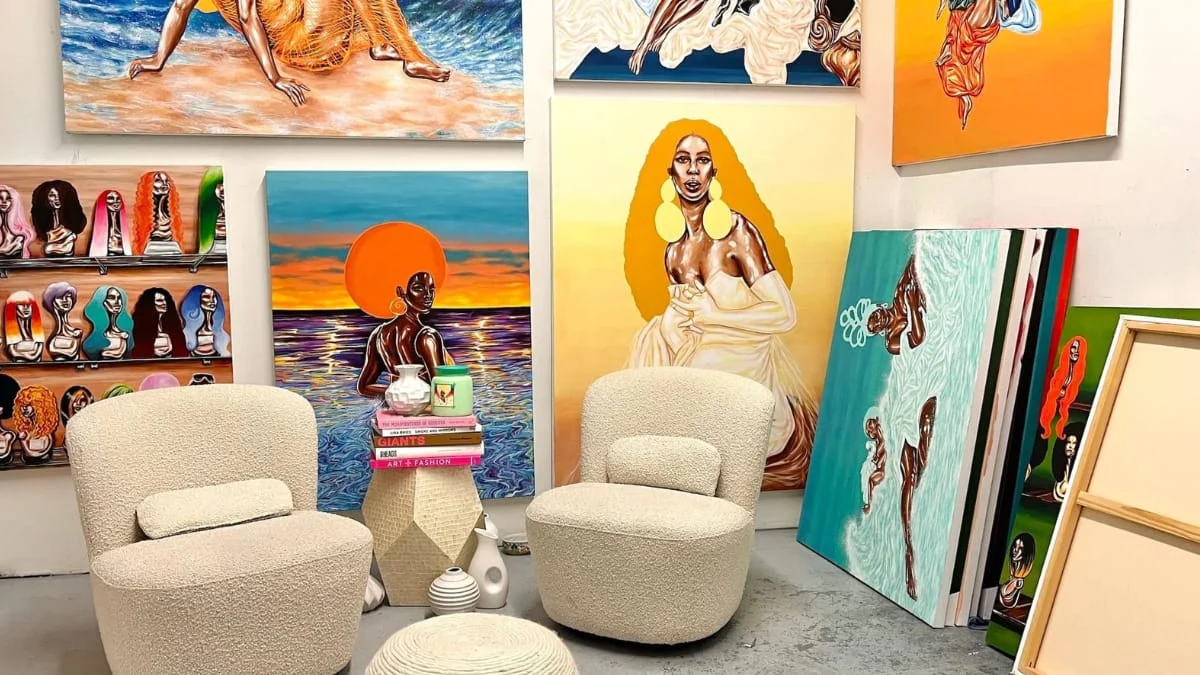
As the dust settles on another Father’s Day, the cultural conversation surrounding the paternal figure has shifted from traditional tropes of stoicism and provider-roles to a more nuanced, often complicated interrogation of what it means to be a father—or to have one—in the modern era. This week, Hyperallergic turns its lens toward these shifting dynamics, exploring how contemporary artists are reclaiming the narrative of fatherhood, how queer elders are redefining their own ancestral legacies, and how historical icons like Georgia O’Keeffe are being liberated from the shadows of their male contemporaries.
Main Facts: The Paternal Spectrum in Contemporary Art
The archetype of the father in art history is often rigid: the patriarch, the provider, or the distant authority figure. From Goya’s harrowing Saturn Devouring His Son to the idealized, domestic stability found in Dutch Golden Age portraiture, art has long wrestled with the paternal shadow. However, a new generation of artists is dismantling these hierarchies.

In a recent curated feature, Hyperallergic highlighted ten contemporary artists who are actively reckoning with the multifaceted nature of fatherhood. These artists are moving beyond the simplistic iconography of the past to document the "messiness" of the human experience. Their work encompasses the immigrant father’s sacrifice, the void left by the absent parent, the complexity of flawed father figures, and the hopeful, speculative visions of what fatherhood might look like in a future unburdened by rigid gender expectations. By centering these narratives, these artists are not just observing fatherhood; they are rewriting the script, transforming the paternal figure from an immutable monolith into a malleable, human subject.
Chronology: A Week of Cultural Reflection
The current discourse is part of a broader, ongoing effort to re-examine the canon of art history and personal identity. The timeline of this week’s cultural offerings reflects a commitment to diversity and historical accuracy:
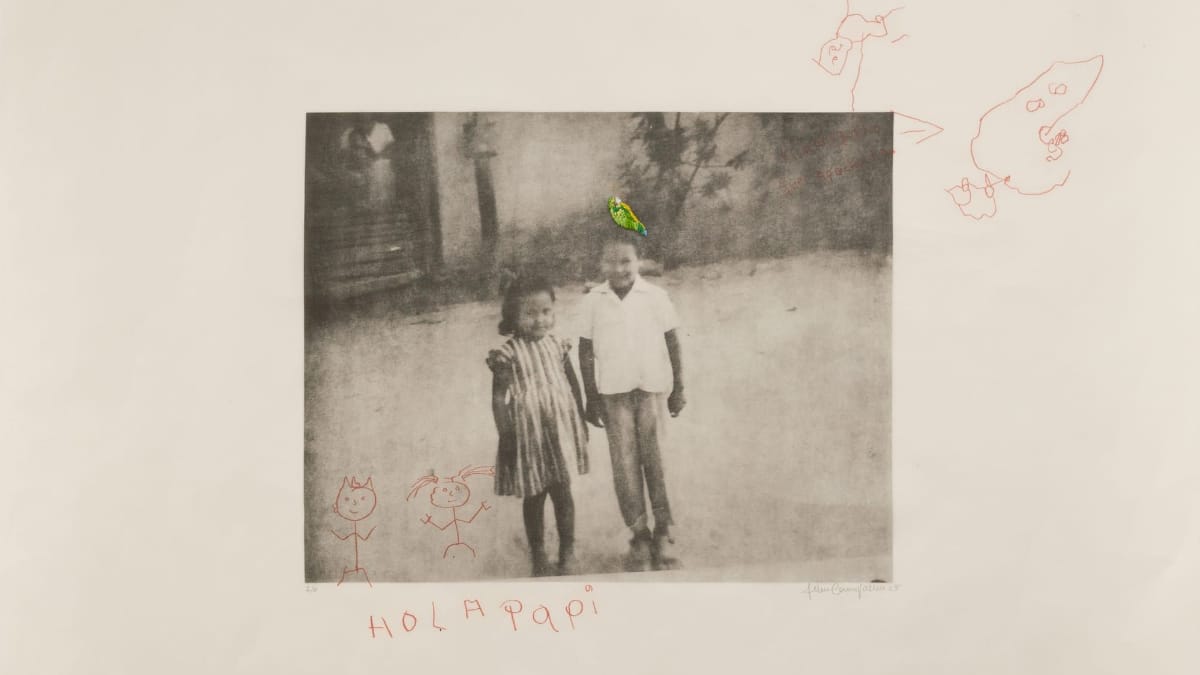
- June 16–17: Hyperallergic released its curated look at contemporary art and fatherhood, timed to coincide with the post-Father’s Day period to allow for a reflective, rather than celebratory, analysis of the holiday.
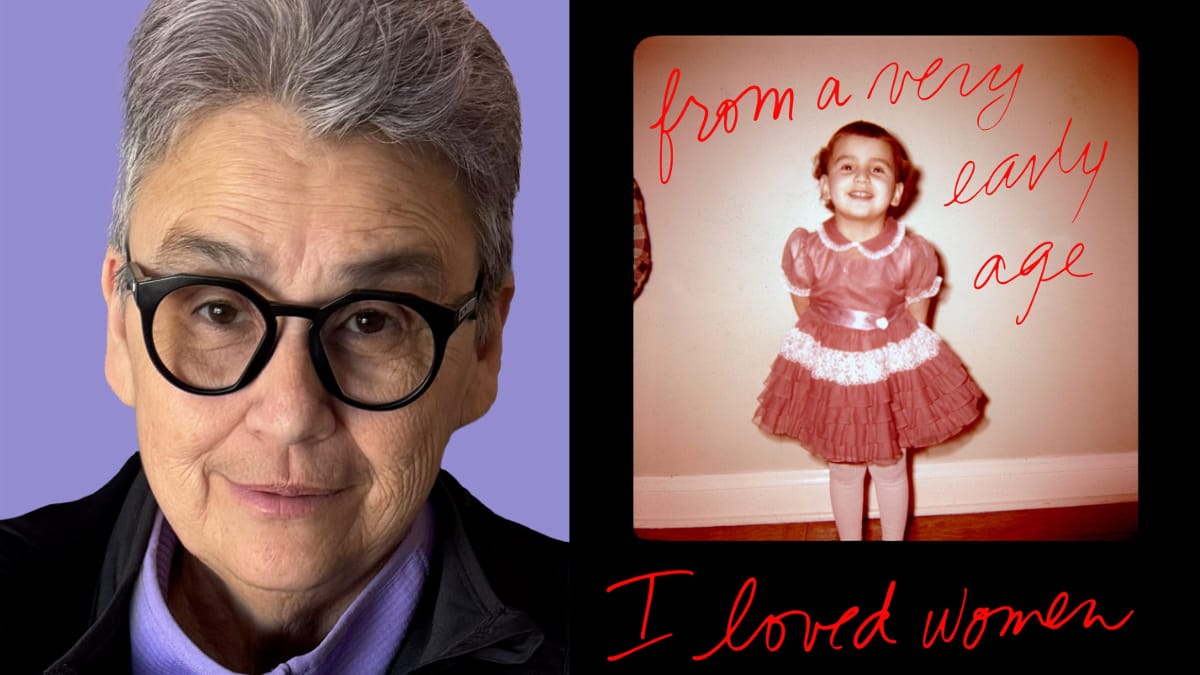
- June 18: The release of the latest Queer Elders feature, spotlighting Métis artist Rosalie Favell. The interview, conducted by staff reporter Rhea Nayyar, provides a critical look at the intersection of Indigenous identity and queer experience.
- Ongoing: The release of critical reviews regarding the latest Georgia O’Keeffe documentary, which attempts to decouple her artistic legacy from the pervasive influence of her husband, Alfred Stieglitz.
- Summer 2026: The publication of comprehensive guides to art exhibitions across Upstate New York, designed to encourage a summer of regional cultural exploration.
Supporting Data: The Queer Elder Experience
A standout element of this week’s coverage is the interview with Rosalie Favell, an artist whose work weaves together personal history, Indigenous culture, and queer identity. Favell’s confession—"I came out as a lesbian before I came out as an Indigenous woman"—is a profound statement on the hierarchies of identity.
For many within the queer community, the concept of "chosen family" often supplants traditional paternal or familial structures. Favell’s work is a testament to this, acting as a visual archive that centers queer joy and Indigenous resilience. By documenting these "Elders," the series serves as a critical bridge between generations, ensuring that the histories of those who navigated the closet in previous decades are not lost to time. Data regarding the visibility of queer artists in major institutions continues to show a positive, albeit slow, upward trend, reinforcing the necessity of oral histories like the one conducted with Favell.
Official Responses and Critical Re-evaluations
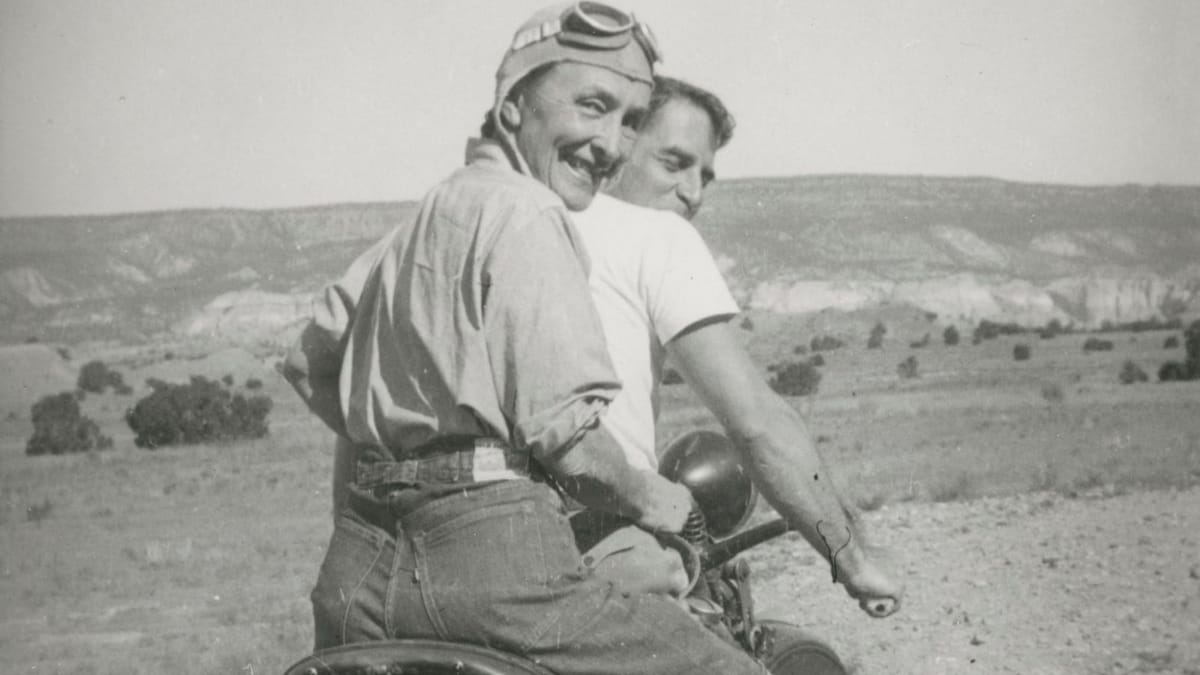
The reception of the new Georgia O’Keeffe documentary has been a focal point for art critics this week. For decades, the narrative of O’Keeffe’s career has been inseparable from the promotion and mentorship provided by Alfred Stieglitz. However, recent critical reappraisals, including those featured in Hyperallergic, suggest that this focus has often served to diminish O’Keeffe’s own agency and wanderlust.
The documentary presents O’Keeffe as a "perpetual voyager," moving beyond the trope of the desert-bound recluse. By focusing on her lesser-known works and her independent travels, the film effectively challenges the myth that her artistic evolution was merely a response to the men in her life. This shift in perspective is part of a wider trend in art criticism—a "de-centering" of the male gaze—that is gaining momentum across galleries and museums worldwide.
Implications: The Future of Cultural Narratives
The implications of these diverse, fragmented, and honest portrayals of life are significant. As we move further into the 21st century, the definition of what constitutes a "subject" worthy of artistic exploration is expanding.
1. The Decentralization of the Paternal Figure
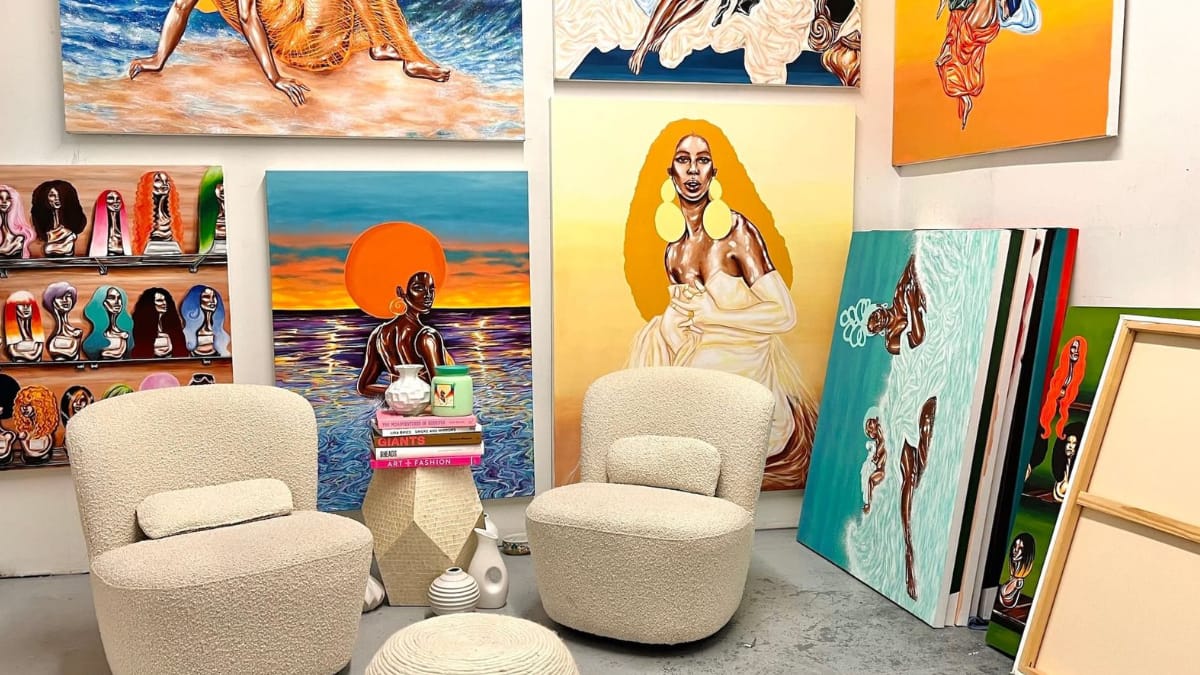
By "repicturing" Black fatherhood and interrogating the flaws of the traditional patriarch, society is moving toward a more empathetic understanding of men. As noted in the archives of Hyperallergic, for many, the absence of a biological father necessitates the creation of new models—adopted father figures, mentors, and communal caregivers. The art world is now reflecting this reality, providing a visual language for relationships that have previously been relegated to the margins.
2. The Intersection of Identity
The spotlight on artists like Rosalie Favell underscores that identity is not a monolith. The intersection of Métis heritage and queer identity creates a unique vantage point that challenges colonial and heteronormative standards simultaneously. This suggests that the future of art history will be increasingly characterized by intersectionality, where the "personal" is explicitly understood as "political."
3. Regionalism vs. The Global Canon
The emphasis on Upstate New York summer art shows signals a move away from the hyper-centralization of the art world in major urban hubs like New York City or London. By encouraging audiences to explore regional galleries, the discourse promotes a more decentralized cultural economy, where local history and regional talent are afforded the same prestige as global icons.
4. Critical Listening as Cultural Consumption
The inclusion of the Iconoclast Art History podcast in this week’s editorial content highlights a change in how we consume information. In an era of instant, ephemeral social media content, there is a clear appetite for deep-dive intellectual discourse. The podcast, hosted by Caroline Fowler of the Clark Art Institute, invites listeners to push against "received narratives," a call to action that resonates with the overarching theme of this week’s content: that history is not a settled fact, but a living, breathing dialogue that requires constant questioning.
Conclusion
Whether it is through the brushstrokes of a contemporary painter reckoning with their father’s legacy, the oral histories of queer elders, or the critical re-evaluation of a legendary wanderer like O’Keeffe, the message remains clear: the stories we tell about our past and our families define our capacity for growth.
As we look toward the remainder of the summer, the art world invites us to be curious, to be critical, and to be open to the narratives that have historically been overlooked. By dismantling the icons of the past, we create the necessary space for the complex, beautiful, and sometimes difficult truths of the present. Happy Monday, and may your week be filled with the kind of intellectual and artistic discovery that challenges you to see the world—and the people in it—a little differently.
 Sagoh
Sagoh
 Muslim
 Dwi Wanna
