

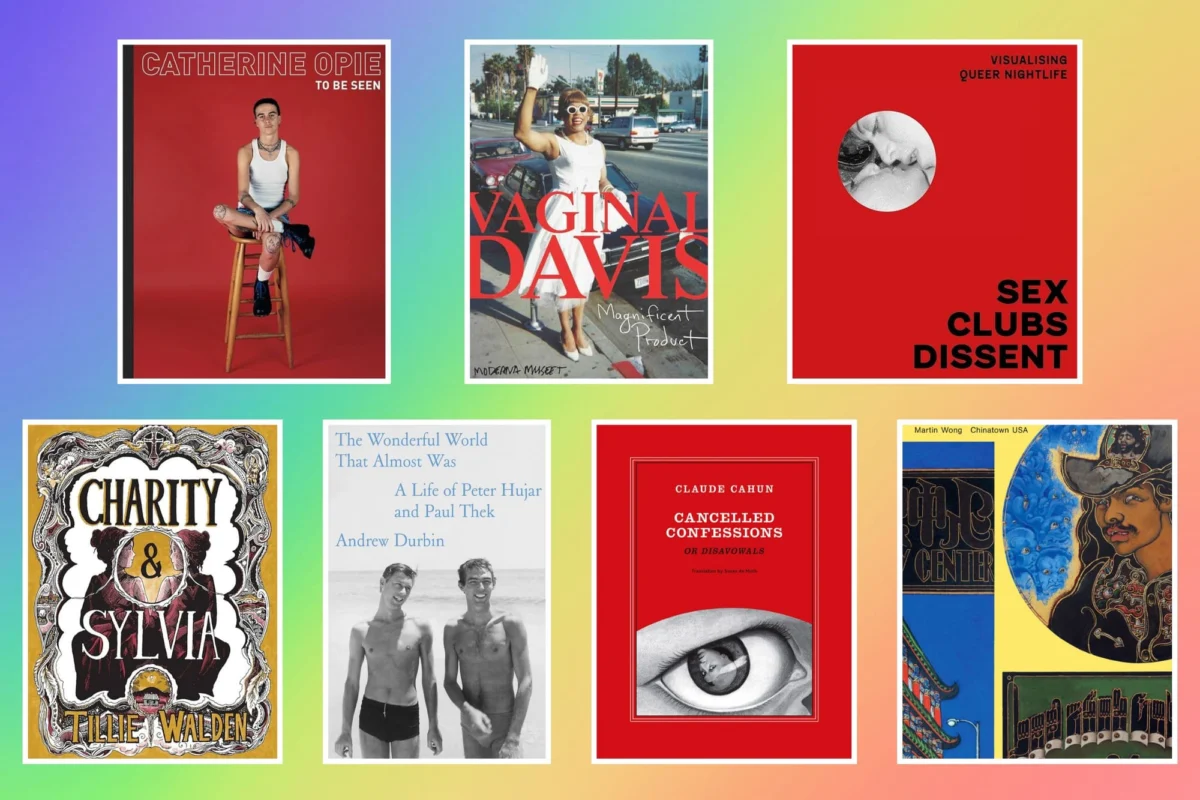
As the global discourse surrounding LGBTQ+ rights faces renewed scrutiny and legislative hostility, the power of visual art to serve as a record of resistance, joy, and community has never been more urgent. This Pride Month, we look beyond the typical narratives to explore a curated selection of literature that documents the lives, struggles, and radical creativity of queer and trans artists. From the surrealist subversions of the 1930s to the gritty, neon-lit archives of contemporary queer nightlife, these seven books provide an essential map of how queer identity has consistently reshaped the aesthetic and political landscape.
The Core Narrative: Why Queer Art History Matters Now
The art world is currently undergoing a necessary reckoning. For decades, the contributions of queer and trans artists were relegated to the margins, often labeled as "subcultural" or "too niche" for mainstream institutional attention. However, as retrospectives for figures like Vaginal Davis and Martin Wong reach major museums, the art historical canon is finally expanding to include the voices that were always present, even when they were intentionally obscured.
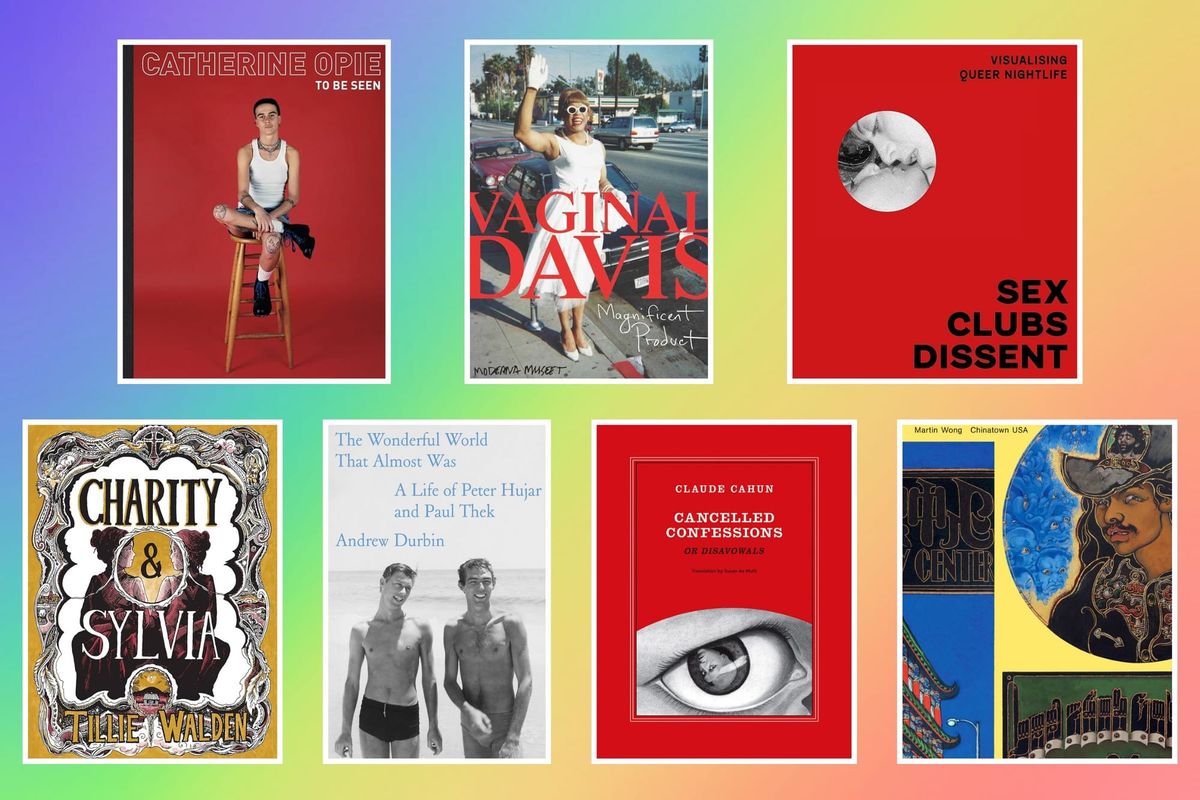
This year’s reading list reflects a shift toward intersectional storytelling. These books do not merely present biography; they engage in a "relational" practice—documenting how queer artists formed families, survived epidemics, and built underground infrastructures that have allowed subsequent generations to thrive. Whether it is the archival work of the Archivo de la Memoria Trans Argentina or the intimate domestic portraits of Catherine Opie, these texts argue that queer art is not just an aesthetic choice; it is a fundamental act of survival.
A Chronological Journey Through Queer Creativity
To understand the current state of queer art, one must trace its evolution through the decades. The books selected here provide a timeline of resistance:
- 19th Century: Tillie Walden’s Charity and Sylvia explores the hidden history of 19th-century Vermont, proving that queer life is not a modern invention but a long-standing tradition of resilience.
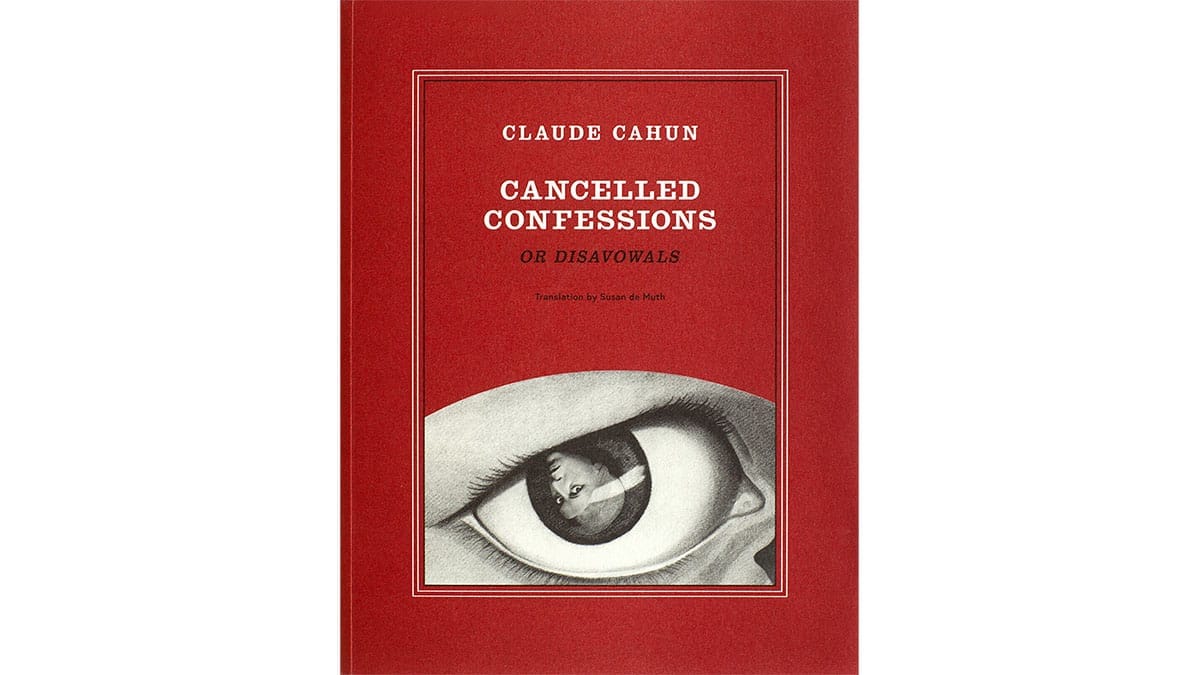
- 1930s–40s: Claude Cahun and Marcel Moore’s Cancelled Confessions documents the surrealist movement’s queer pioneers, whose lives were defined by both artistic brilliance and anti-Nazi resistance on the Isle of Jersey.
- 1970s–90s: The era defined by the works of Peter Hujar, Paul Thek, and the burgeoning queer punk scenes that fostered artists like Vaginal Davis.
- 1990s–Present: The transition into the contemporary era, marked by Catherine Opie’s photographic examinations of community and the ongoing documentation of nightlife as a vital space for queer existence.
Supporting Data: Spotlight on the Featured Volumes
1. Cancelled Confessions (Or Disavowals) by Claude Cahun
Claude Cahun’s work is a masterclass in the rejection of fixed identity. As a member of the Paris Surrealist orbit, Cahun—along with partner Marcel Moore—utilized photography, theater, and literature to challenge gender binaries long before they were commonly discussed. Cancelled Confessions is not a standard memoir; it is a radical act of self-invention. Originally turned down by mainstream publishers in the 1930s, the manuscript survives as a testament to an artist who refused to be pinned down by the constraints of linear autobiography.
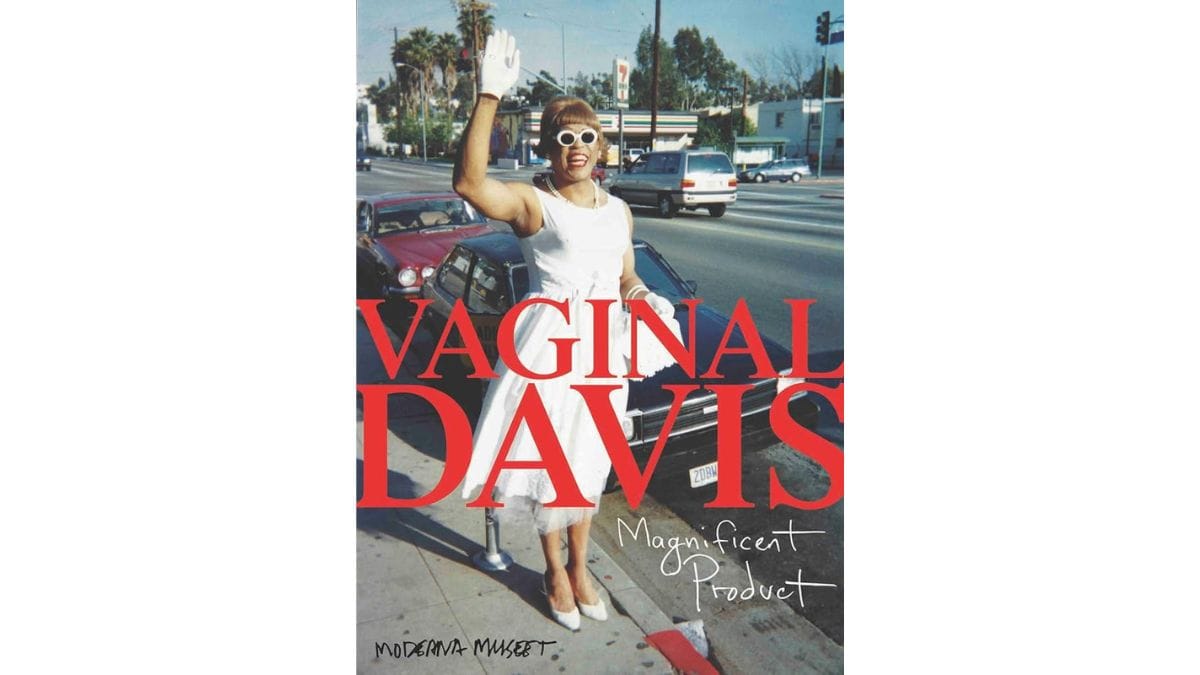
2. Vaginal Davis: Magnificent Product (Ed. Hendrik Folkerts)
Vaginal Davis has long been the "fairy godmother" of the queercore punk scene. Her work—spanning film, performance, and curatorial practice—blends the subversive energy of punk with the vulnerability of queer existence. This retrospective catalog provides the critical framework necessary to understand her influence. As contributor Bojana Kunst notes, Davis’s work is an "inevitable creative collision" that bridges the gap between the underground trans activism of the 1990s and today’s broader cultural awareness.
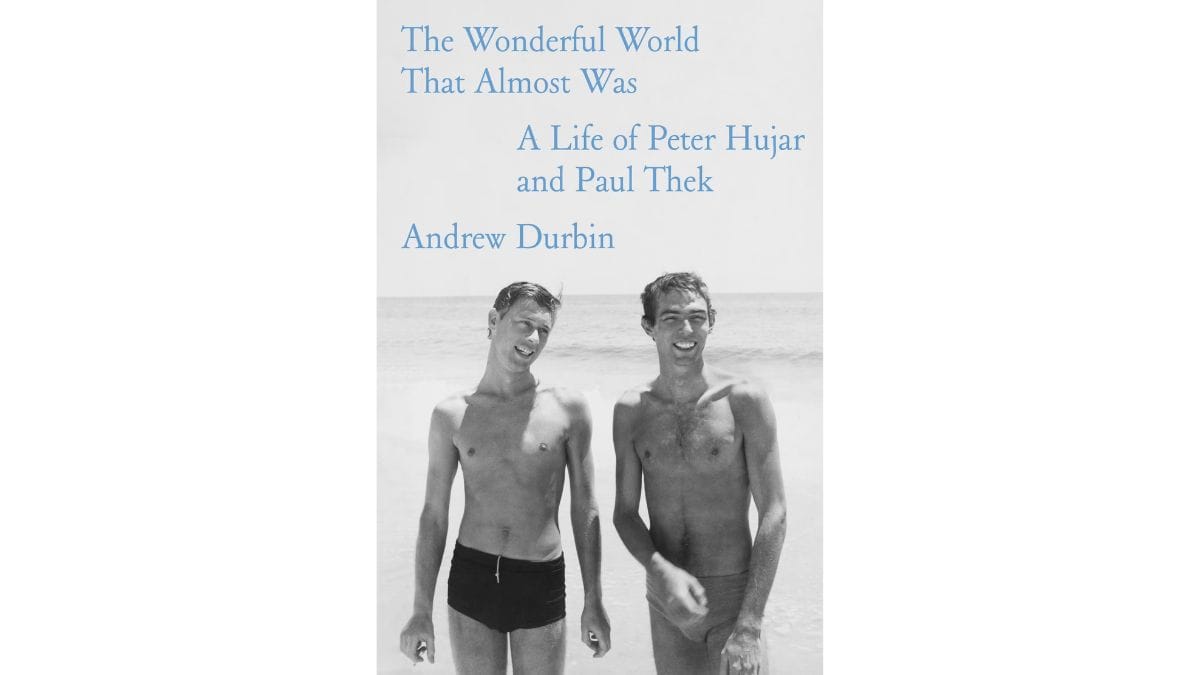
3. The Wonderful World That Almost Was: A Life of Peter Hujar and Paul Thek by Andrew Durbin
Andrew Durbin’s biography is an exercise in the radical prioritization of relationships over objects. By tracking the lives of photographer Peter Hujar and sculptor Paul Thek, Durbin explores the complexities of artistic partnership, estrangement, and grief. The book is significant for its refusal to treat the artist as a solitary genius, instead framing their legacy through the web of friendships and artistic influence that defined their era.
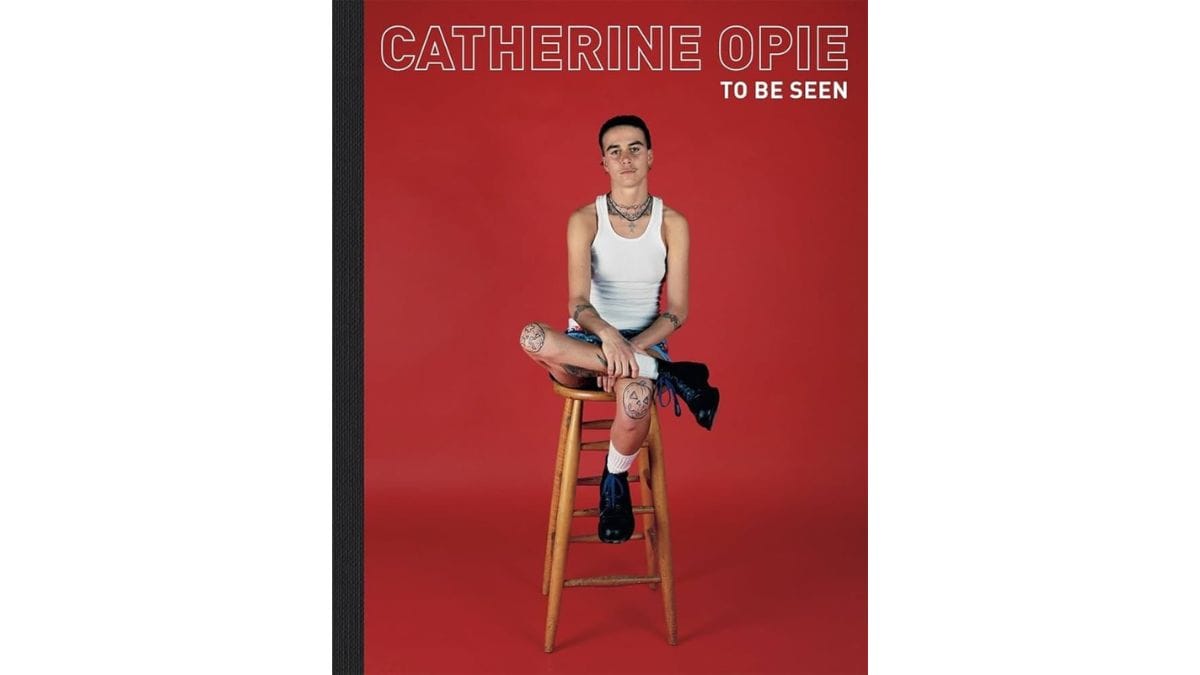
4. Catherine Opie: To Be Seen (Ed. Clare Freestone)
Catherine Opie’s work has defined the visual language of the American queer experience for over thirty years. From her Domestic series, which captured the intimacy of lesbian households in the 1990s, to her expansive urban landscapes, Opie’s photography serves as a social document. This catalog, released alongside her National Portrait Gallery retrospective, illustrates her commitment to the "structure of urban space" and the ways in which communities form in the face of societal exclusion.
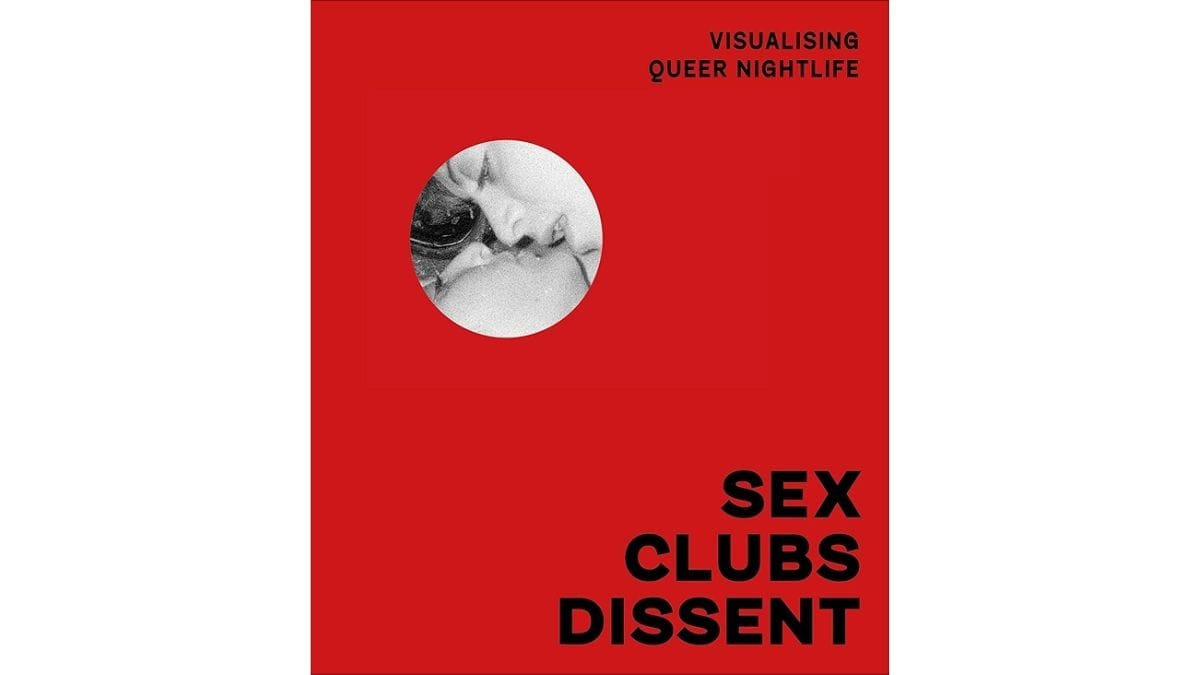
5. Sex, Clubs, Dissent: Visualising Queer Nightlife (Ed. Amelia Abraham)
Perhaps the most vital social document on this list, Sex, Clubs, Dissent argues that the dance floor is a site of political resistance. Through a collection of essays and photography—including work by Sunil Gupta and interviews with figures like Tourmaline—this book documents the "after-hours" as a space of survival. It serves as a reminder that for queer and trans communities, nightlife is more than recreation; it is a place where identity is safely performed and community is solidified.
Official Responses and Curatorial Perspectives
The editors and authors of these volumes emphasize a common theme: the institutional shift toward recognizing "the outsider." For years, artists like Martin Wong—whose complex, brick-wall-laden paintings captured the spirit of the Lower East Side—were viewed through a singular, often reductive lens. However, as noted in the catalog Martin Wong: Chinatown USA, edited by Yasufumi Nakamori, contemporary scholarship is finally moving to "refract" these artists’ contradictions rather than resolve them.
The consensus among these curators is clear: the history of art is incomplete without the inclusion of those who lived outside the heteronormative status quo. By providing space for these stories, institutions are not just adding to their collections; they are correcting the historical record.
Implications: The Political Necessity of Queer Literature
The rise of anti-LGBTQ+ legislation globally lends these books a heightened level of importance. When history is erased in schools and public libraries, the art book becomes a repository for truth.
- Preservation of Memory: Books like Charity and Sylvia and the Archivo de la Memoria Trans Argentina ensure that the existence of queer ancestors is not lost to time.
- Radical Community Building: By documenting the "underground" spaces—from the drag balls of the 1960s to the queercore scene of the 1990s—these books provide a blueprint for how to build community under pressure.
- Institutional Accountability: The successful publication and exhibition of these artists demonstrate that the art market and academic institutions are beginning to value the "unapologetically Black and Chicano, queer, trans art praxis" that Vaginal Davis pioneered.
As we celebrate Pride Month, these seven titles invite us to look closer, read deeper, and recognize that the art of the past is not a static object—it is a living, breathing, and deeply political testament to the persistence of the human spirit. Whether you are interested in the granular history of the Lower East Side or the surrealist subversions of 1930s Paris, this collection serves as a vital reminder that, as McKenzie Wark notes in Sex, Clubs, Dissent, the "queerness of the night… does not end when day steals over the world."
 Muslim
 Evan Lee Salim
 Jia Lissa
