

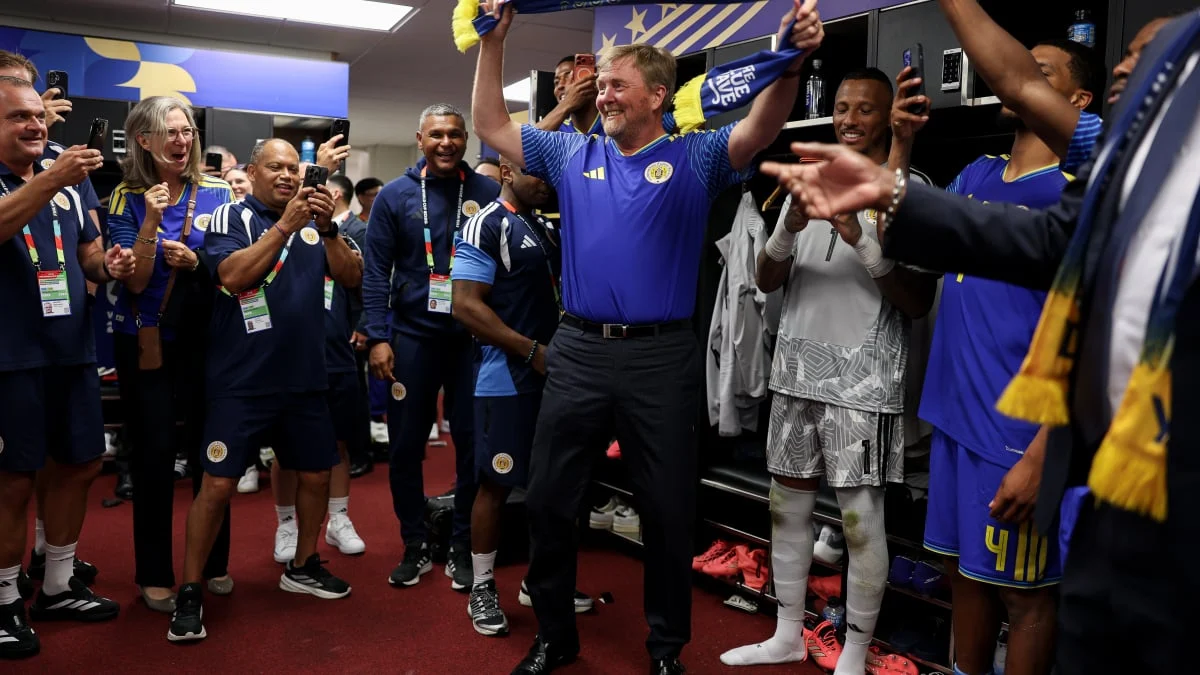
Since the inaugural tournament in 1930, the FIFA World Cup has functioned as the ultimate theater of the human spirit. While history books prioritize the names etched onto the base of the golden trophy, the true legacy of the beautiful game is often found in the margins—the moments where the global hierarchy of football is momentarily dismantled by the sheer force of will. The 2026 FIFA World Cup has solidified this tradition, serving not as a coronation for the traditional elite, but as a breakthrough stage for the world’s most persistent underdogs.
From the sun-drenched capital of Willemstad to the bustling streets of Cairo, this tournament has been defined by nations that were, until recently, viewed as peripheral participants. Whether it is a hard-fought draw against a European powerhouse or a long-awaited first victory, the narratives emerging from the 2026 edition suggest that the gap between the sport’s giants and its rising stars is narrowing at an unprecedented rate.
The Chronology of Breakthroughs
The early stages of the 2026 tournament have provided a frantic, exhilarating timeline of historic milestones.
- The Curaçao Resistance: The tournament’s underdog spirit was signaled early when Curaçao, the smallest nation to ever qualify for a World Cup with a population of just 156,000, shook off a demoralizing 7-1 opening defeat to Germany to hold Ecuador to a scoreless draw.
- The Blue Shark Phenomenon: Cape Verde’s debut has been the tournament’s emotional centerpiece. By holding Spain to a stalemate and drawing with Uruguay, the "Blue Sharks" transformed from an obscure debutant into a global darling within a matter of days.
- The Egyptian Awakening: On June 22, the 92-year wait finally ended for Egypt. After decades of near-misses, a 3-1 victory over New Zealand sparked nationwide celebrations that spanned from Vancouver to Cairo.
- The Return of Haiti: Ending a 52-year exile, Haiti’s presence in the tournament has transcended the sport, providing a platform for national pride that defies the complex socio-political narratives often associated with the Caribbean nation.
Supporting Data: When Statistics Tell a Story
The success of these underdog nations is not merely anecdotal; it is backed by tactical discipline and individual brilliance that defied the odds.
Curaçao’s Defensive Masterclass
In the match against Ecuador, the statistics painted a picture of a total mismatch. Ecuador dominated the pitch, racking up nearly 30 shots and an expected goals (xG) metric that usually guarantees a landslide victory. However, goalkeeper Eloy Room turned in a performance for the ages. By recording 15 saves, Room did more than keep a clean sheet; he provided a masterclass in resilience, ensuring that a nation of 156,000 people could celebrate a historic point as if it were a championship win.
The Rise of the "Blue Sharks"
Cape Verde’s tactical approach—bolstered by the inclusion of players discovered through unconventional means—has proven highly effective. Their ability to secure points against two former World Cup champions, Spain and Uruguay, highlights the depth of talent emerging from the diaspora. The standout performance of 40-year-old goalkeeper Vozinha, whose viral fame saw his Instagram following explode from 50,000 to over 15 million, reflects the global appetite for authentic, "human" sporting narratives.
Official Responses and Human Interest
While the tactical battles on the pitch grab headlines, the off-field stories have provided the 2026 World Cup with its soul.
Iran’s Note of Grace
Perhaps the most poignant moment occurred in the bowels of SoFi Stadium. Following a 0-0 draw with Belgium, the Iranian national team—playing under the immense pressure of travel restrictions and logistical hurdles—left a handwritten note in their locker room. The message thanked the city of Los Angeles for its hospitality and acknowledged the emotional toll of the tournament. "We came to Los Angeles with pride, competed with honour, and leave with dignity," the note read. It was a reminder that for many of these nations, the World Cup is a bridge to the world, a rare opportunity to be seen on one’s own terms.
The Visa Saga
The human cost of international sport was brought to the forefront by the Cape Verde team. After his heroics against Spain, goalkeeper Vozinha revealed the personal anguish of playing without his mother, who had been unable to secure a visa due to prohibitive costs. The ensuing effort—involving the U.S. State Department and political intervention from House Minority Leader Hakeem Jeffries—allowed her to reach Miami in time for the Uruguay match. This collaborative effort serves as a powerful testament to the tournament’s ability to move the levers of diplomacy in the name of family and sport.
Implications for the Future of Global Football
The trends observed in the 2026 tournament suggest a seismic shift in the footballing landscape. Several key implications have emerged:
1. The Democratization of Talent
The case of the Irish-born player recruited by the Cape Verdean coach via a LinkedIn DM—which the player initially dismissed as spam—is a sign of the times. Scouting is no longer limited to the elite academies of Europe or South America. The digital age has allowed smaller nations to tap into global diaspora talent, leveling the playing field in ways that were impossible two decades ago.
2. Redefining Success
For nations like Uzbekistan, whose 3-1 loss to Colombia was still celebrated as a historic milestone, the definition of "success" at the World Cup is evolving. When a nation makes its debut, or when it scores its first-ever tournament goal, the result on the scoreboard becomes secondary to the act of representation. This shift places a heavier emphasis on the cultural significance of the tournament, moving away from a "win-at-all-costs" mentality toward a celebration of footballing identity.
3. The "Crisis Narrative" Disrupted
Haiti’s participation provides a crucial lesson in the power of sport to reframe a nation’s image. By qualifying and competing on the world stage, Haiti has offered its supporters a narrative rooted in athletic prowess and collective identity, effectively pushing back against the one-dimensional, crisis-heavy coverage that often dominates international media. The World Cup serves as a mechanism for these nations to assert their place in the global community, proving that they are more than the challenges they face at home.
Conclusion: The Spirit of the Game
As the 2026 FIFA World Cup progresses, the focus will inevitably shift toward the knockout stages and the eventual crowning of a champion. However, the legacy of this tournament has already been written. It is a legacy defined not by the giants of the game, but by the underdogs who refused to be mere footnotes.
From the 92-year-long wait of Egypt to the gritty, defiant draws of Curaçao and Iran, these moments remind us why we watch. We do not watch simply to see who wins; we watch to witness the moments where the impossible becomes tangible. The 2026 World Cup has proven that in the world of football, the biggest victories are not always found on the scoreboard—they are found in the streets, in the locker rooms, and in the hearts of nations finally stepping into the light.
 Nana Wu
 Neng Nana
 Reynand Wu
