

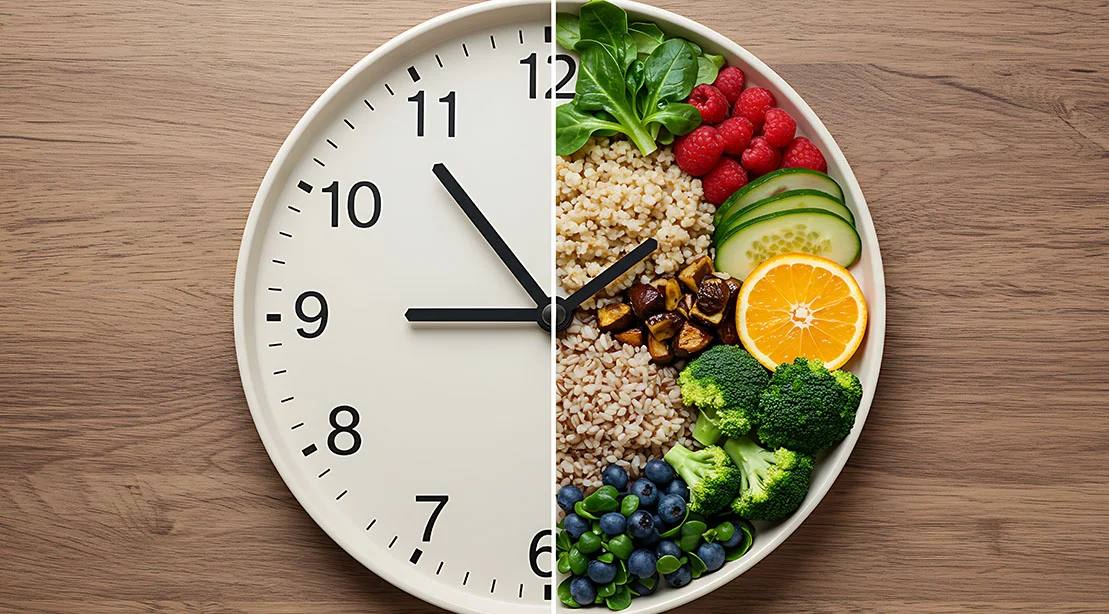
For decades, the discourse surrounding weight loss has been dominated by a simple, albeit often ineffective, mantra: "eat less, move more." While caloric restriction remains the fundamental pillar of shedding unwanted flab, a burgeoning body of scientific research is revealing that the journey to health is far more complex than simple mathematics. Pioneering studies are now suggesting that intermittent fasting (IF) does not merely act as a tool for fat reduction; it serves as a biological catalyst that actively reconfigures the gut microbiome and enhances neurological function.
This paradigm shift suggests that by altering the timing and nature of our energy intake, we may be able to "reset" the communication lines between our digestive system and our brain, potentially solving the perennial struggle against cravings and lack of self-control that often sabotages long-term weight management.
The Scientific Foundation: A Paradigm Shift in Weight Loss
The concept of intermittent fasting—cycling between periods of eating and fasting—has moved from the fringes of "biohacking" into the mainstream of clinical nutrition. However, the latest research, particularly a groundbreaking 2023 study originating from China and subsequent 2024 longitudinal projects, has elevated the conversation.
These studies demonstrate that timed energy restriction does more than just torch adipose tissue; it initiates a systemic change in the gut microbiome. The gut, often referred to as the "second brain," is home to trillions of bacteria that exert a profound influence on our metabolic health. By strategically restricting caloric intake, individuals are not just losing weight; they are cultivating a healthier internal environment that actively supports weight maintenance and improved cognitive regulation.
Chronology of Discovery: From Observation to Neural Mapping
The scientific interest in the gut-brain axis has been gathering momentum for over a decade, but the last 24 months have provided the most concrete data to date.
- 2023: The Breakthrough Study: Researchers at the PLA General Hospital in Beijing published a seminal paper in Frontiers in Cellular and Infection Microbiology. This study introduced the concept of the "gut-brain-axis" in the context of intermittent fasting. Researchers followed a cohort of participants through a rigorous 32-day fasting protocol, tracking both physical markers and neurological changes via advanced magnetic imaging.
- Early 2024: Validation and Expansion: Building on the 2023 results, researchers expanded the scope to include "protein pacing." This follow-up work confirmed that the benefits of fasting were not merely a result of the calorie deficit itself, but were significantly amplified by the shift in bacterial diversity within the gut.
- Mid-2024 and Beyond: Recent reviews have begun to synthesize this data, suggesting that specific strains of bacteria—such as Flavonifractor plautii—may be the keys to unlocking improved cognitive performance and emotional regulation, providing a biological basis for the "mental clarity" often reported by practitioners of intermittent fasting.
Supporting Data: The Mechanics of Transformation
The 2023 study utilized a two-phase fasting model that pushed the boundaries of traditional dietetics. Participants engaged in a 32-day phase of gradually restricted caloric intake, eventually reaching 25% of their daily energy requirements. This was followed by a 30-day "maintenance" phase, where intake was restricted to 500 calories for women and 600 for men.
The results were statistically significant:
- Weight and Composition: Subjects experienced an average weight loss of 7.8% of their initial body mass. Notably, this loss was heavily concentrated in adipose tissue, with significant reductions in waist circumference.
- Systemic Health: Beyond the scale, participants saw improvements in critical biomarkers, including lower blood pressure, stabilized cholesterol levels, and improved liver enzyme profiles.
- Neural Rewiring: Perhaps most exciting was the use of magnetic resonance imaging (MRI). The researchers observed distinct changes in brain activity, specifically in regions associated with appetite regulation, emotional processing, and the brain’s reward-seeking pathways.
These findings suggest that fasting helps "dampen" the neural signals that drive compulsive eating, effectively giving participants more agency over their dietary choices.
Official Perspectives: The Experts Weigh In
The implications of this research have drawn significant attention from the global medical community. Dr. Xiaoning Wang, a coauthor of the 2023 study, emphasizes the bidirectional nature of the gut-brain highway.
"The gut microbiome is thought to communicate with the brain in a complex, two-directional way," Dr. Wang stated. "The microbiome produces neurotransmitters and neurotoxins, which access the brain through nerves and the blood circulation. In return, the brain controls eating behavior, while nutrients from our diet change the composition of the gut microbiome."
This circular relationship is the key to why many dieters fail. If an individual has an imbalanced microbiome, their gut may be signaling their brain to crave high-calorie, nutrient-poor foods. By shifting the bacterial balance through fasting, the individual can effectively "reprogram" those signals.
Dr. Yongli Li, another coauthor, underscores the danger of the status quo: "A healthy, balanced gut microbiome is critical for energy homeostasis and maintaining normal weight. In contrast, an abnormal gut microbiome can change our eating behavior by affecting certain brain areas involved in addiction."
By addressing the microbiome, clinicians may finally have a non-pharmaceutical intervention to assist the over one billion people globally currently living with obesity.
Implications: A New Era for Obesity Treatment
The implications of these findings are profound. If we can treat obesity as a condition of neural-gut miscommunication rather than a failure of "willpower," we can change the landscape of public health.
1. The Death of the "Willpower" Myth
The most significant takeaway is that the difficulty of dieting is not always a moral failing. When the gut microbiome is in a state of dysbiosis, it can produce biochemical signals that make resisting high-calorie foods physically difficult. Intermittent fasting appears to alleviate this by fostering a bacterial environment that supports satiety and cognitive focus.
2. Cognitive Enhancements
The correlation between specific bacteria, such as Flavonifractor plautii, and improved attention levels or emotional regulation suggests that the benefits of fasting extend far beyond the bathroom scale. Participants in these studies often report higher levels of focus and more stable moods, suggesting that a "gut-healthy" diet is also a "brain-healthy" diet.
3. Future Directions in Clinical Research
While the initial studies are promising, they also serve as a call to action for the scientific community. Dr. Liming Wang, involved in the ongoing analysis of these trends, notes that the next frontier is precision. "The next question to be answered is the precise mechanism by which the gut microbiome and the brain communicate in obese people," Wang explains. "What specific gut microbiome and brain regions are critical for successful weight loss and maintaining a healthy weight?"
Moving Forward: Sustainability and Caution
As the popularity of intermittent fasting grows, it is essential to approach the practice with scientific rigor. The studies mentioned do not advocate for "crash dieting" but rather for structured, medically-observed, or well-researched protocols.
The integration of protein pacing and caloric restriction appears to be the most effective strategy for preserving muscle mass while simultaneously reconfiguring the microbiome. For those looking to implement these findings into their own lives, the focus should remain on the long-term, sustainable shift in gut health rather than the rapid loss of weight.
As we continue to map the complex interactions between the microbes in our digestive tract and the neurons in our brain, one thing is becoming increasingly clear: our battle against the bulge is being fought in the gut. By nurturing the microscopic organisms that inhabit us, we may finally be able to reclaim control over our health, our cravings, and our futures.
The research is still in its infancy, but the message is clear: the path to a healthier body begins with a healthier, more balanced gut. In the years to come, we can expect to see more targeted, evidence-based nutrition protocols that leverage the gut-brain axis to turn the tide on the global obesity epidemic.
 rifanmuazin
 Laily UPN
