

The cultural landscape of New York City is a living, breathing archive—a space where the legacies of radical queer elders intersect with the spontaneous, joyful energy of a championship parade, all while the absurdity of political mismanagement unfolds against the backdrop of the nation’s capital. In this week’s dispatch, we traverse the personal histories of those who paved the way for modern liberation, the lens-based observations of artists capturing the city’s pulse, and the satirical fallout of a maintenance disaster at the Lincoln Memorial.
The Unsung Architect of Queer Liberation: Flavia Rando
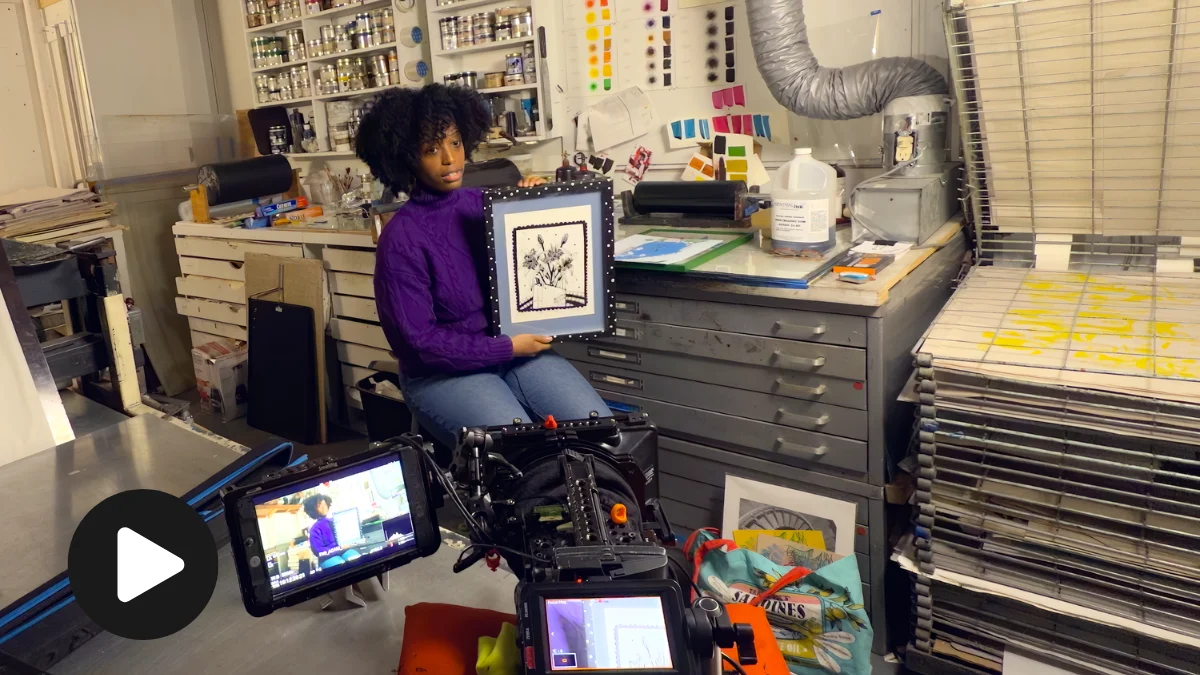
The history of the LGBTQ+ movement is often distilled into singular, monumental events, yet it is the lived experience of figures like Flavia Rando that provides the movement with its true texture. As Alexis Clements explores in the latest installment of Hyperallergic’s "Queer Elders" series, Rando is a seminal, yet under-recognized, icon of the New York queer scene.

A Chronology of Activism
Rando’s trajectory offers a masterclass in grassroots persistence. Her journey began in 1961, when she came out in her late teens—a period where visibility was not merely a bold choice but a radical act of defiance.
- 1961: Rando claims her identity in a social landscape that offered little sanctuary.
- Late 1960s: Her presence at Brooklyn College was marked by her refusal to be sidelined; she famously occupied the "gay table" in the cafeteria, a small but significant act of carving out space in institutional environments.
- 1969: A fateful ride on the 14th Street crosstown bus led to a meeting with lesbian feminist activist Martha Shelley. This encounter bridged Rando into the Gay Liberation Front (GLF), placing her at the epicenter of post-Stonewall political organizing.
- The 1970s and beyond: Rando became an active member of Radicalesbians, engaged in the first art exhibition to explicitly feature the word "lesbian" in its title, and utilized street art—specifically wheat-pasting her own work and that of her peers—to reclaim Midtown Manhattan.
Rando’s career eventually evolved into academia, where she spent decades as a professor of women’s and gender studies and art history. Her pedagogy served as a bridge between the militant activism of the 1970s and the theoretical frameworks of the 21st century, ensuring that the history of queer struggle remained a living, breathing subject rather than a relic of the past.

Capturing the Pulse: Danielle De Jesus at the Knicks Parade
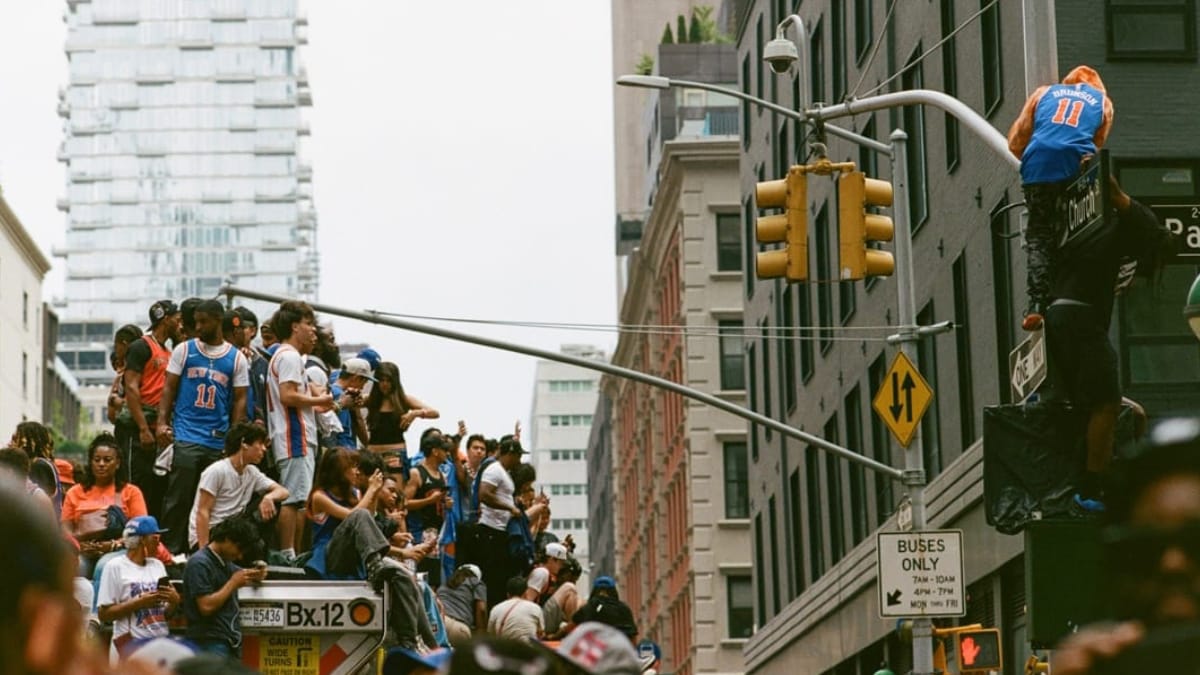
While Rando represents the foundational layers of New York’s cultural identity, artist Danielle De Jesus captures its current, electric state. Armed with a press pass and a traditional film camera, De Jesus recently infiltrated the Knicks championship parade, not as a mere documentarian of sports, but as a chronicler of community.
De Jesus’s work is deeply rooted in her upbringing in Brooklyn, where the public basketball court served as the primary theater for social life. By documenting the parade, she framed the celebration through a lens of nostalgia and contemporary pride. Her photographs do more than capture athletes; they capture the collective exhale of a city that finds its identity in the sweat, grit, and triumph of its public spaces. Her work serves as a reminder that the "magical" nature of New York City is not found in its skyscrapers, but in the spontaneous, communal joy of its people.
The Reflecting Pool Fiasco: A Case Study in Negligence
While New York celebrates, Washington, DC, offers a more sobering—and frankly, absurd—spectacle. The Lincoln Memorial’s Reflecting Pool, a site of immense historical and symbolic weight, has recently become the subject of intense ridicule due to a catastrophic maintenance failure resulting in an uncontrollable algae bloom.
Implications of Environmental Mismanagement
The "slimy mess," as described by critics and social media users alike, has been colloquially dubbed "Algaebtq Month" by the internet, a dark irony given the site’s proximity to the seat of federal power. The situation has prompted widespread discourse on the irony of a climate-change-denying political faction overseeing a site that has now, quite literally, become a breeding ground for its own runaway ecosystem.

From a technical standpoint, the pool requires precise chemical balance and filtration to maintain its crystalline appearance. The rapid proliferation of algae suggests a failure in these mechanical systems, exacerbated by the recent humid weather patterns. While the administration has remained largely silent on the specific technical failures, the visual evidence—captured in an endless stream of memes—speaks to a broader administrative neglect. The failure of the pool to "reflect" anything other than green sludge serves as a potent, if accidental, metaphor for the current state of federal stewardship of public monuments.
Educational Shifts: The GW Corcoran and Inclusive Design
Amidst the news cycle, there is a quiet evolution occurring in the halls of higher education. The George Washington University Corcoran School of Arts and Design is currently reevaluating its pedagogical approach to Interaction Design. By leveraging its unique position in the nation’s capital, the school is partnering with local organizations to foster more inclusive design practices.
This initiative acknowledges that design is not a neutral act; it is inherently political. By forcing students to engage with the diverse needs of DC’s communities, the Corcoran is moving away from the traditional, exclusionary paradigms of tech-centric design, aiming instead for a framework that prioritizes accessibility and social equity.
Critical Perspectives: The Future of the Art World
The debate surrounding the state of the contemporary art world continues to intensify, notably with recent critiques of former Art Basel global director Marc Spiegler. In a guest essay for the New York Times, Spiegler proposed a vision for the "Brave New Art World" that has faced significant pushback from critics like Barbara Pollack.
The central point of contention is whether the art world is evolving toward a more democratic, accessible future or if it is merely consolidating power under the guise of technological and corporate innovation. Pollack’s critique highlights a growing anxiety: that the industry is drifting away from the artists themselves and toward a transactional, market-dominated landscape that threatens the sustainability of individual creative practice.
Historical Textiles and the Weight of Memory
Finally, it is essential to return to the historical roots that inform our present. The discussion surrounding the book All That She Carried provides a necessary counterpoint to the rapid-fire nature of modern news. The book, which traces the history of "Ashley’s Sack"—an artifact given to a young enslaved girl by her mother—serves as a poignant reminder of the power of textiles in the preservation of Black history.
The sack, embroidered with a message of survival and love, stands in stark contrast to the institutional records that often erase the lives of the marginalized. It is a testament to the resilience of the human spirit under the most "rigorously oppressive" conditions. For those looking to understand the intersection of material culture and trauma, this history is not just academic; it is a vital piece of the American puzzle that continues to influence modern art and archival practices.
Summary of Key Developments
- Queer History: Flavia Rando’s life serves as a vital bridge in the history of lesbian activism, highlighting the importance of maintaining oral and personal histories of queer elders.
- Cultural Documentation: Danielle De Jesus’s photography at the Knicks parade emphasizes the role of public space and sports as communal anchors in an increasingly fragmented urban environment.
- Political Irony: The mismanagement of the Lincoln Memorial’s Reflecting Pool highlights the disconnect between federal maintenance standards and the environmental realities of a changing climate.
- Artistic Critique: The ongoing debate regarding the direction of major art fairs (Art Basel) versus the needs of individual artists remains a flashpoint for the future of the industry.
- Pedagogical Reform: Institutions like the Corcoran are beginning to recognize the necessity of teaching design through a lens of inclusivity, moving away from purely aesthetic or commercial priorities.
As we continue to navigate these disparate but interconnected realities—from the radical archives of the past to the algae-ridden pools of the present—one thing remains clear: the act of observation, whether through a camera lens, a historical text, or a political critique, remains our most powerful tool for holding power to account and honoring those who built the world we inhabit today.
 Muslim
 Evan Lee Salim
 Jia Lissa
