

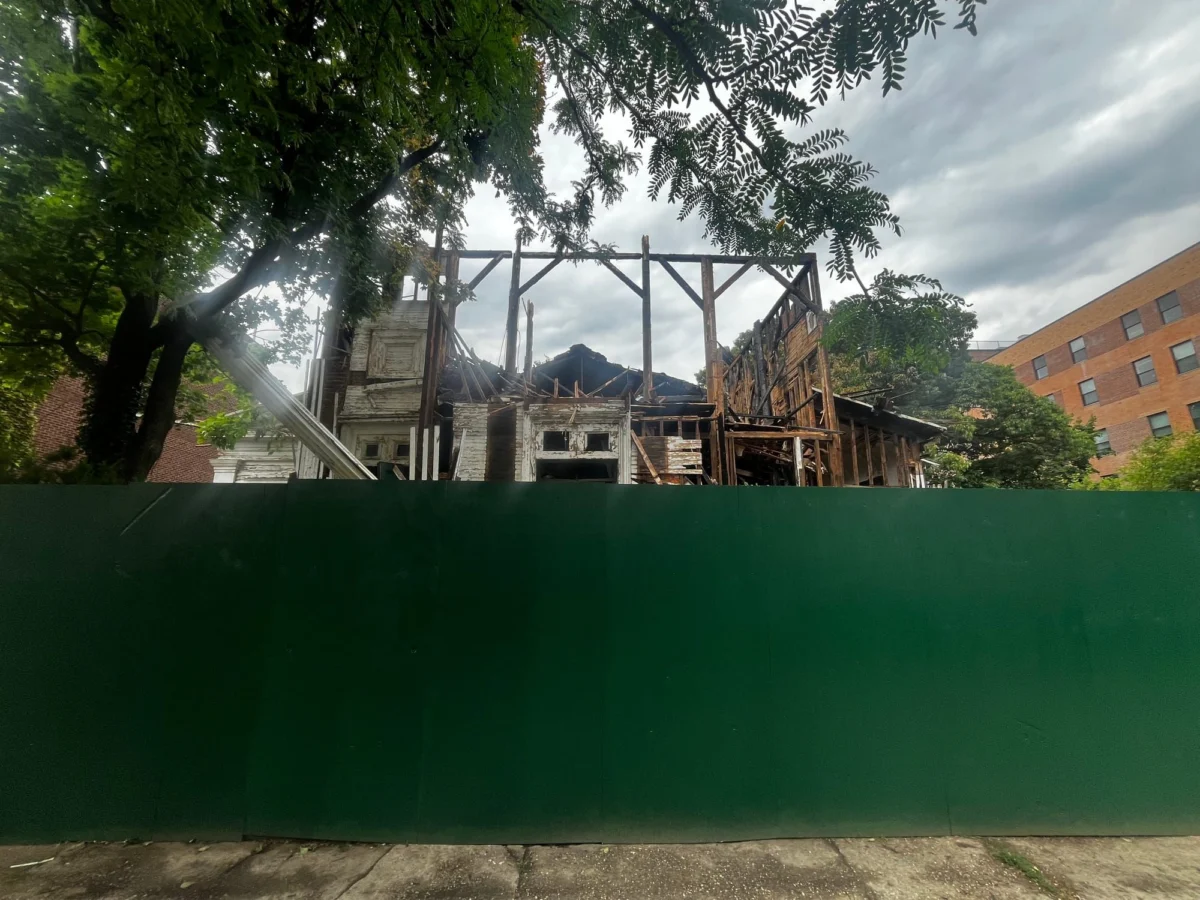
The Brooklyn skyline shifted irrevocably on Friday, June 19, 2026, when a massive three-alarm fire tore through the South Bushwick Community Church. A pillar of the neighborhood for over a century and a half, the Dutch Reformed structure—celebrated for its late Greek Revival architecture—saw its signature octagonal spire succumb to flames, collapsing in a harrowing scene that drew onlookers and emergency responders alike. As the smoke clears and the community grapples with the loss of a historic landmark, the focus has shifted toward an ambitious $2 million recovery effort to preserve what remains and eventually restore the site to its former glory.
The Chronology of the Blaze
The incident began in the early afternoon on June 19, a day that would soon be etched into the collective memory of the Bushwick community. According to reports provided by the New York Fire Department (FDNY), the initial distress call was received at approximately 1:30 pm.
FDNY units arrived on the scene within three minutes, encountering an already heavy fire condition that indicated the blaze had been burning for some time before detection. Despite the rapid deployment of resources, the complexity of the 173-year-old wooden structure allowed the fire to spread with alarming speed. Within 20 minutes, the incident was escalated to a third alarm, necessitating an influx of additional personnel and equipment to prevent the fire from spreading to adjacent properties.
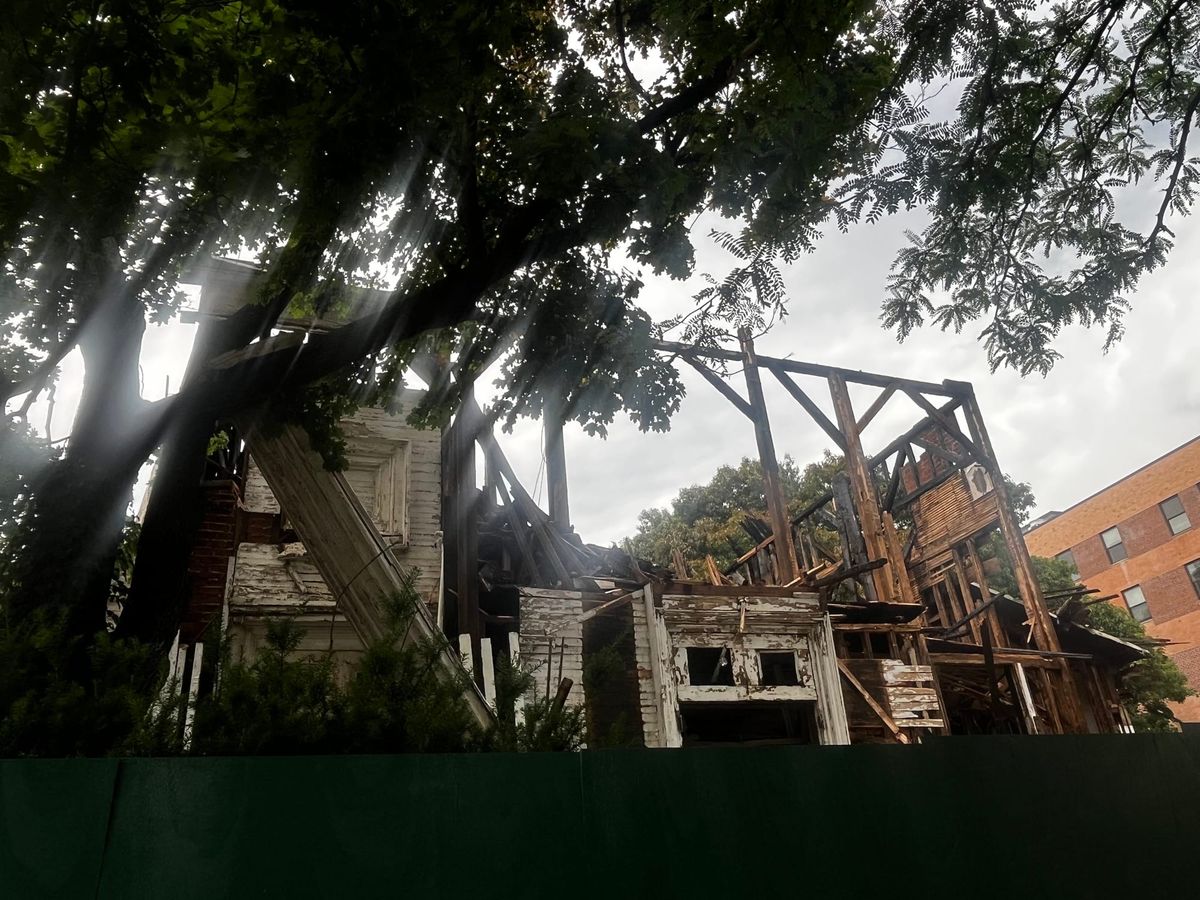
For hours, the neighborhood was blanketed in thick, grey smoke as firefighters battled the inferno. The most poignant moment of the afternoon occurred when the church’s iconic octagonal spire, a defining feature of the local landscape, weakened by the intense heat, buckled and collapsed into the burning interior. By the time the fire was brought under control, the steeple was destroyed, and large portions of the building—including the primary facade—had been reduced to charred, exposed wooden skeletons.
Historical Significance and Architectural Loss
The South Bushwick Community Church was far more than a place of worship; it was a tangible link to Brooklyn’s past. Officially designated as a New York City landmark in 1968, the church was protected precisely because of its aesthetic and historical character. Its late Greek Revival architecture served as a testament to the mid-19th-century development of the Bushwick area, reflecting the cultural and religious aspirations of its founders.
The loss of such a site is a blow to the architectural heritage of New York City. Landmark status generally ensures that a building’s exterior is preserved, but it does not make a structure fireproof. The reliance on aged timber in the construction of the 173-year-old frame made it particularly susceptible to the rapid advancement of the fire. As of Monday, June 22, the site remains cordoned off by a green construction fence, shielding the public from the hollowed-out remains of a building that had stood firm through the Great Depression, two World Wars, and the rapid urbanization of Brooklyn.
The Path to Recovery: A $2 Million Goal
In the immediate aftermath of the tragedy, the congregation, led by Reverend James E. Steward II, has launched a crowdfunding campaign via GoFundMe. The goal is to raise $2 million, a figure that accounts for the immense costs of site stabilization, engineering assessments, and the eventual reconstruction of the worship space.
Reverend Steward has been vocal about the role the church played in the daily lives of local residents. "South Bushwick Church has served as more than a building," Steward stated in his public appeal. "It has been a home for worship, prayer, youth programs, community outreach, food assistance, pastoral care, and countless life-changing moments."
The financial burden of such a project is daunting, but early indicators suggest that the community is rallying behind the cause. While the total raised sits at approximately $7,052 as of the latest update, the campaign is still in its infancy. Beyond the financial contributions, the emotional support from the congregation and the wider Bushwick community has been described by local leaders as "a necessary foundation for the rebuilding process."
Official Responses and Political Support
The fire has prompted a swift response from local and state government officials, who recognize the cultural importance of the site. Brooklyn Borough President Antonio Reynoso was among the first to publicly address the loss, using social media platforms to urge residents to support the church’s rebuilding fund. His endorsement has brought significant attention to the fundraiser, highlighting the importance of grassroots support in preserving local landmarks.
Perhaps the most reassuring words came from New York Attorney General Letitia James, who visited the site shortly after the fire was extinguished. Speaking to Brooklyn News 12, James offered a message of hope and structural certainty. "This is a landmark, so that means they are getting grants, they will get funding, this will be rebuilt," she stated. Her visit underscored the government’s commitment to ensuring that the church’s landmark status acts as a catalyst for restoration rather than merely a record of what was lost.
Implications for the Future
The destruction of the South Bushwick Community Church raises broader questions about the vulnerability of historic wooden structures in dense urban environments. As fire investigators continue their work to determine the origin of the blaze, the community is left to consider the fragility of their built environment.

The Engineering Challenge
Restoration will not be a simple task. Engineers must first determine if the remaining structural elements are salvageable or if the building must be entirely demolished to start anew. The use of modern fire-suppression systems will likely be a non-negotiable requirement for any future iteration of the building, posing a unique challenge for those looking to replicate the historic aesthetic of the 1853 original.
Community Continuity
For the congregation, the loss of their physical home creates a logistical crisis. Reverend Steward’s mention of a "temporary worship space" is the immediate priority. Maintaining the cohesion of a congregation after losing its central hub is a difficult task, and the speed at which the church can secure a new meeting point will likely determine the long-term survival of its outreach programs, such as the food assistance and youth initiatives that the neighborhood relies upon.
The Preservation Debate
The fire also sparks a conversation regarding the oversight of historical buildings. While landmarking provides protections against demolition or unsympathetic alterations, it often struggles to provide the financial resources necessary for preventative maintenance, such as modern electrical upgrades or advanced fire detection systems. Moving forward, the city may face pressure to provide more robust subsidies for the maintenance of aging religious landmarks, which often serve as the "social infrastructure" of their neighborhoods.
Conclusion
The sight of the South Bushwick Community Church’s spire collapsing remains a haunting image for those who watched the event unfold. Yet, the narrative following the fire is one of resilience. With the backing of local political leaders and the dedication of a congregation that views their building as a vital social utility, there is a clear path toward renewal.
As the investigation into the cause of the fire continues, the city waits to see how this landmark will be resurrected. Whether the result is a careful restoration of the original design or a new structure that honors the history of the site, the effort to rebuild is a testament to the community’s refusal to let their history disappear in the smoke. The road to $2 million is long, but the commitment shown by Reverend Steward and officials like Letitia James suggests that the South Bushwick Community Church will, in time, rise again as a beacon for the neighborhood it has served for over 170 years.
 Muslim
 Evan Lee Salim
 Jia Lissa
