

By [Your Name/Journalistic Byline]
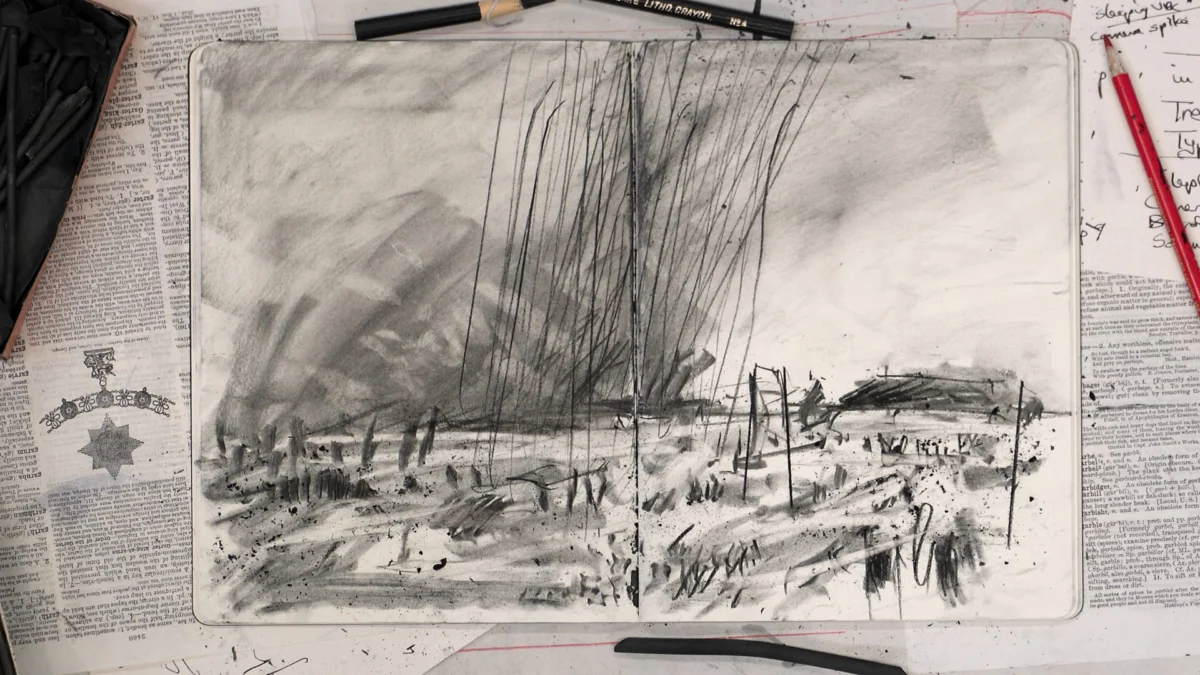
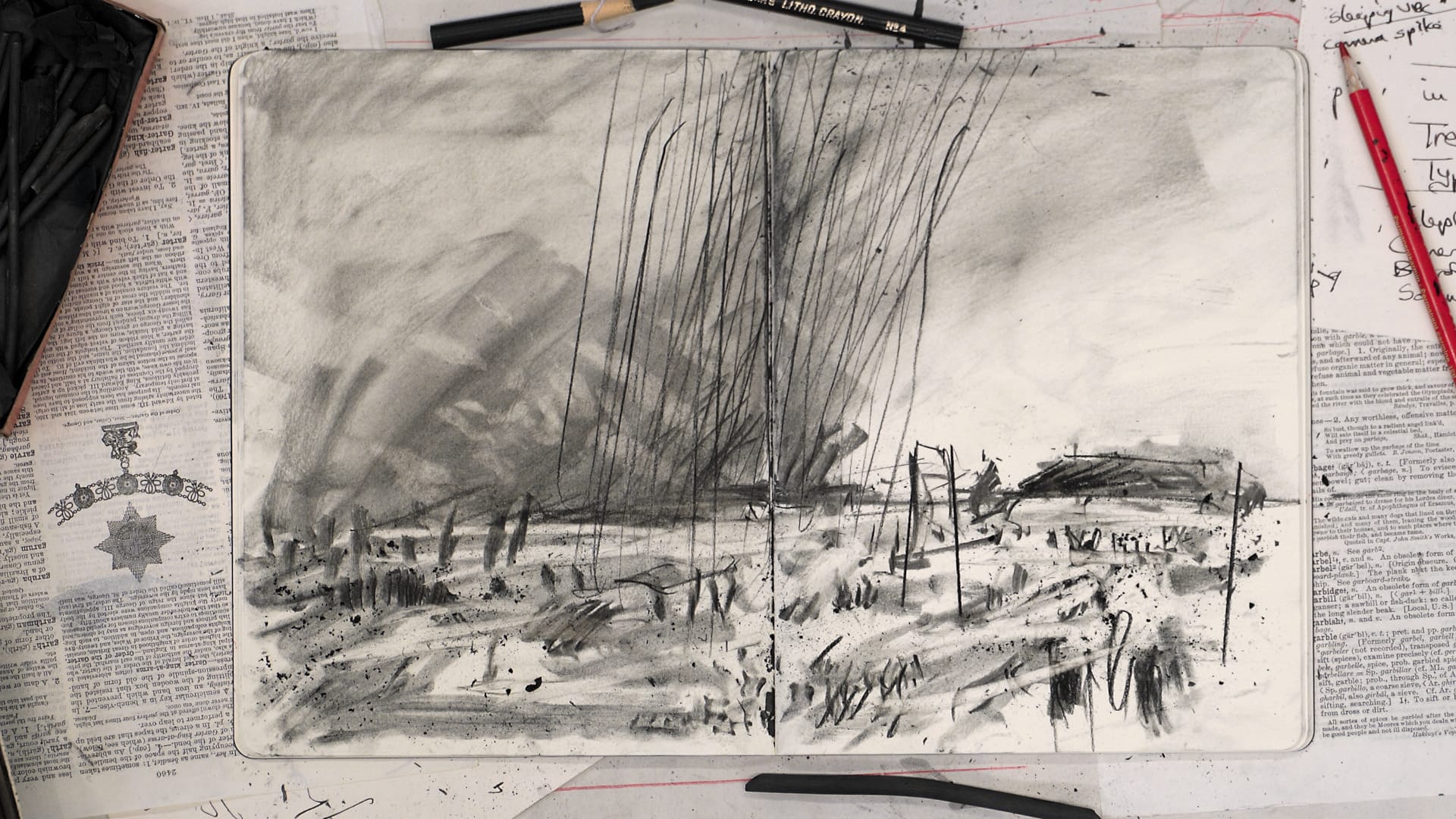
In the quiet, deliberate space of the artist’s studio, the distinction between a stroke of charcoal and a reasoned argument begins to dissolve. For William Kentridge, one of the most significant multidisciplinary artists of the 21st century, the studio is not merely a workspace—it is a "safe space for stupidity." It is a laboratory where impulses are granted the benefit of the doubt, and where the rational mind, so often tasked with creating coherence, is invited to stumble, fragment, and ultimately, find a more profound form of meaning through incoherence.
In his latest work, A Natural History of the Studio (2026), published by Grove Press, Kentridge invites readers into this process. The book serves as a distillation of his 2024 Slade Lectures at the University of Oxford, offering a rare, intimate look at the mechanics of creativity. By exploring the tension between the "artist as worker" and the "artist as critic," Kentridge articulates a philosophy of making that values the "white spaces" between thoughts as much as the thoughts themselves.
The Genesis of Inquiry: Lapis Lazuli and the Search for Meaning
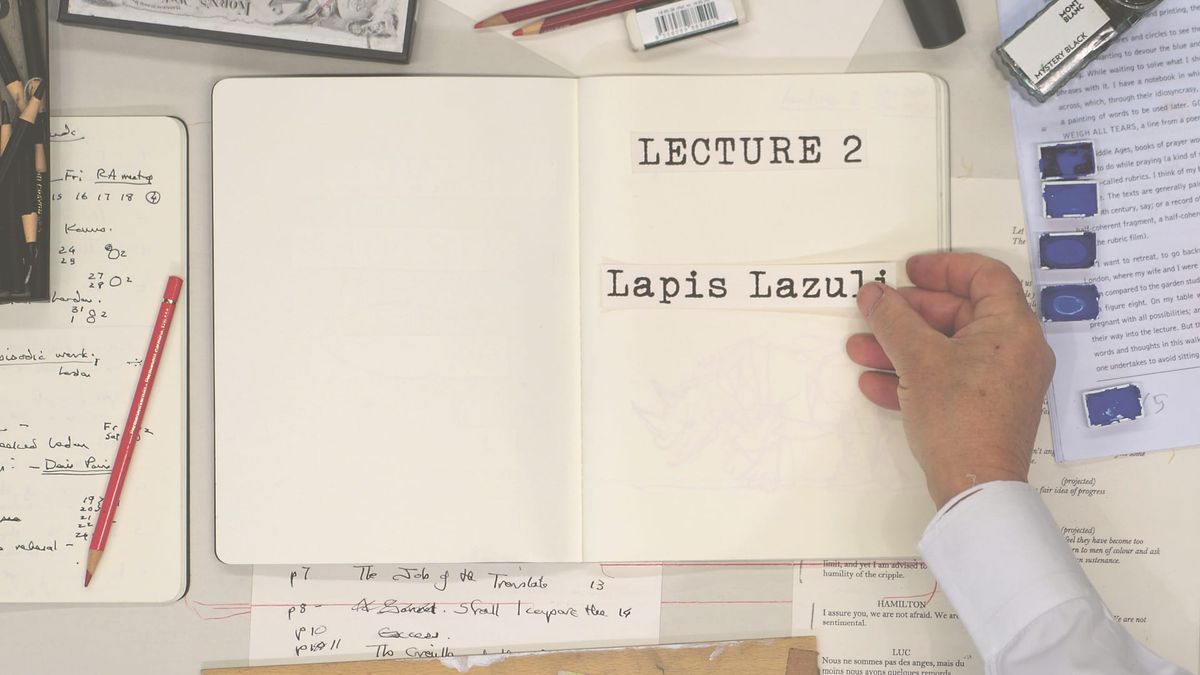
The core of Kentridge’s inquiry begins with a physical object: a block of pure, Afghan lapis lazuli. Gifted to him by friends, this pigment—a relic of Renaissance mastery—became an obsession. Kentridge, who typically eschews color in his stark, charcoal-heavy drawings, found himself caught in a dilemma: how does one incorporate a blue so intense that it seems to leap off the page, while maintaining the integrity of one’s own visual language?
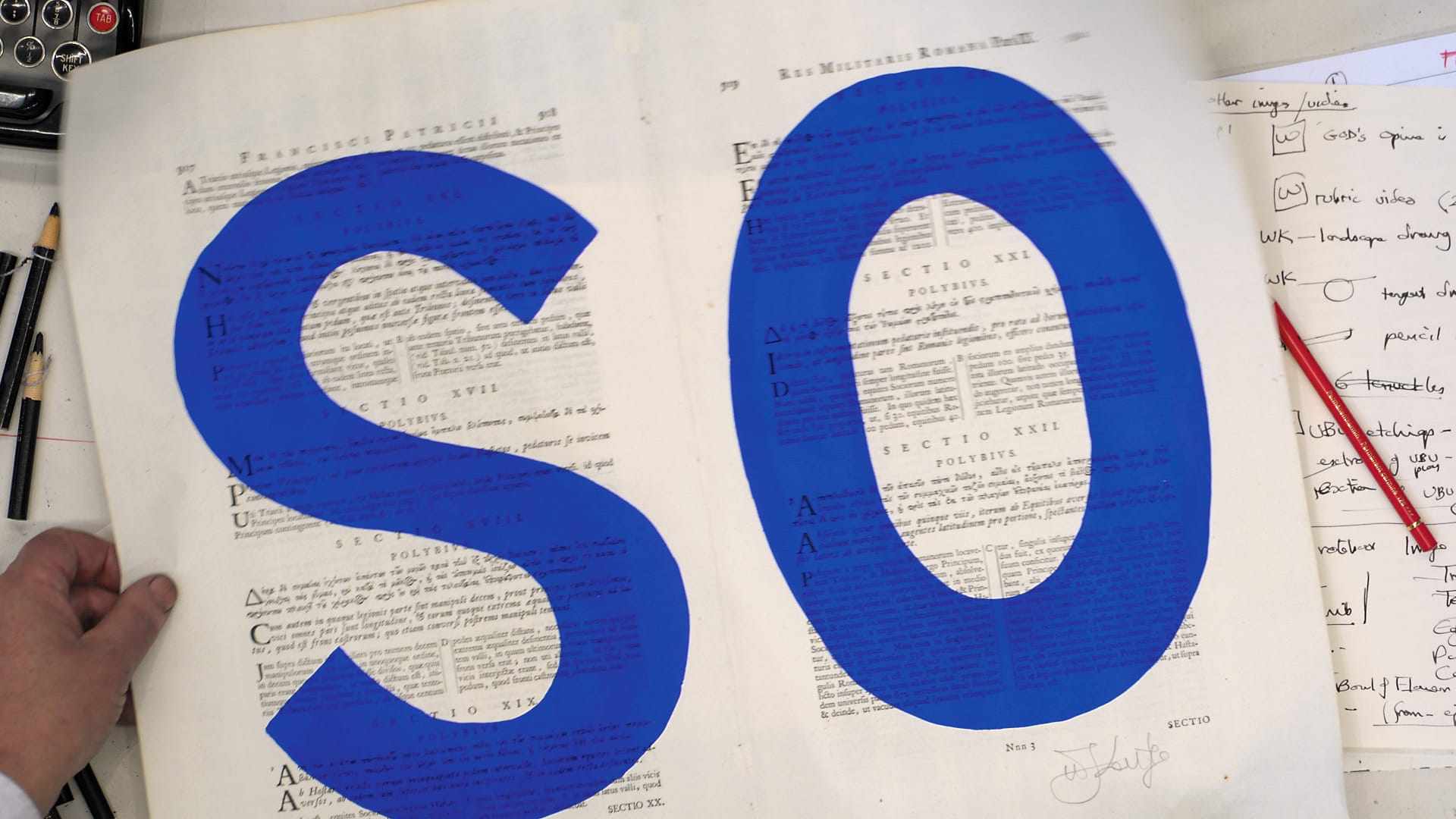
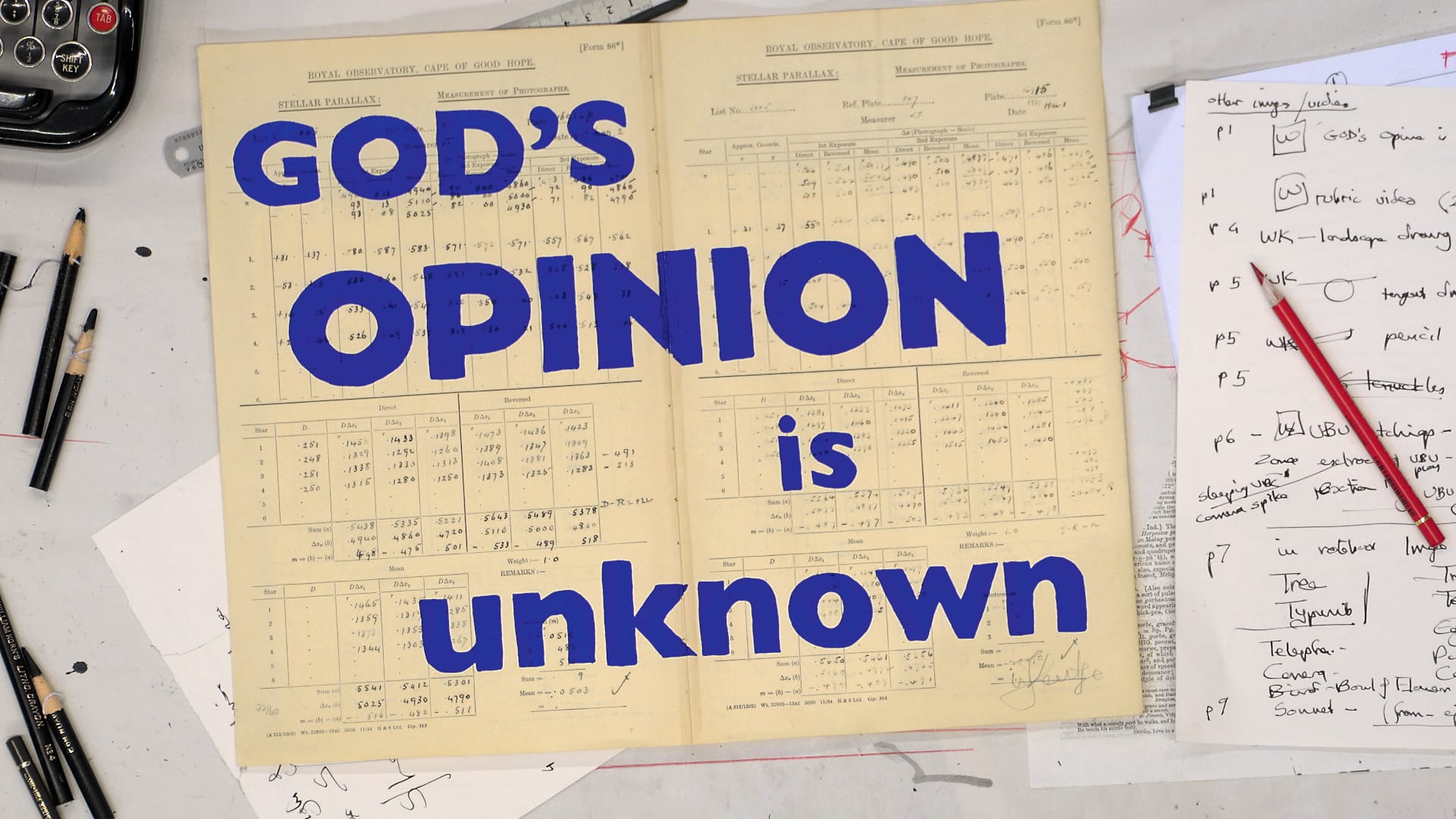
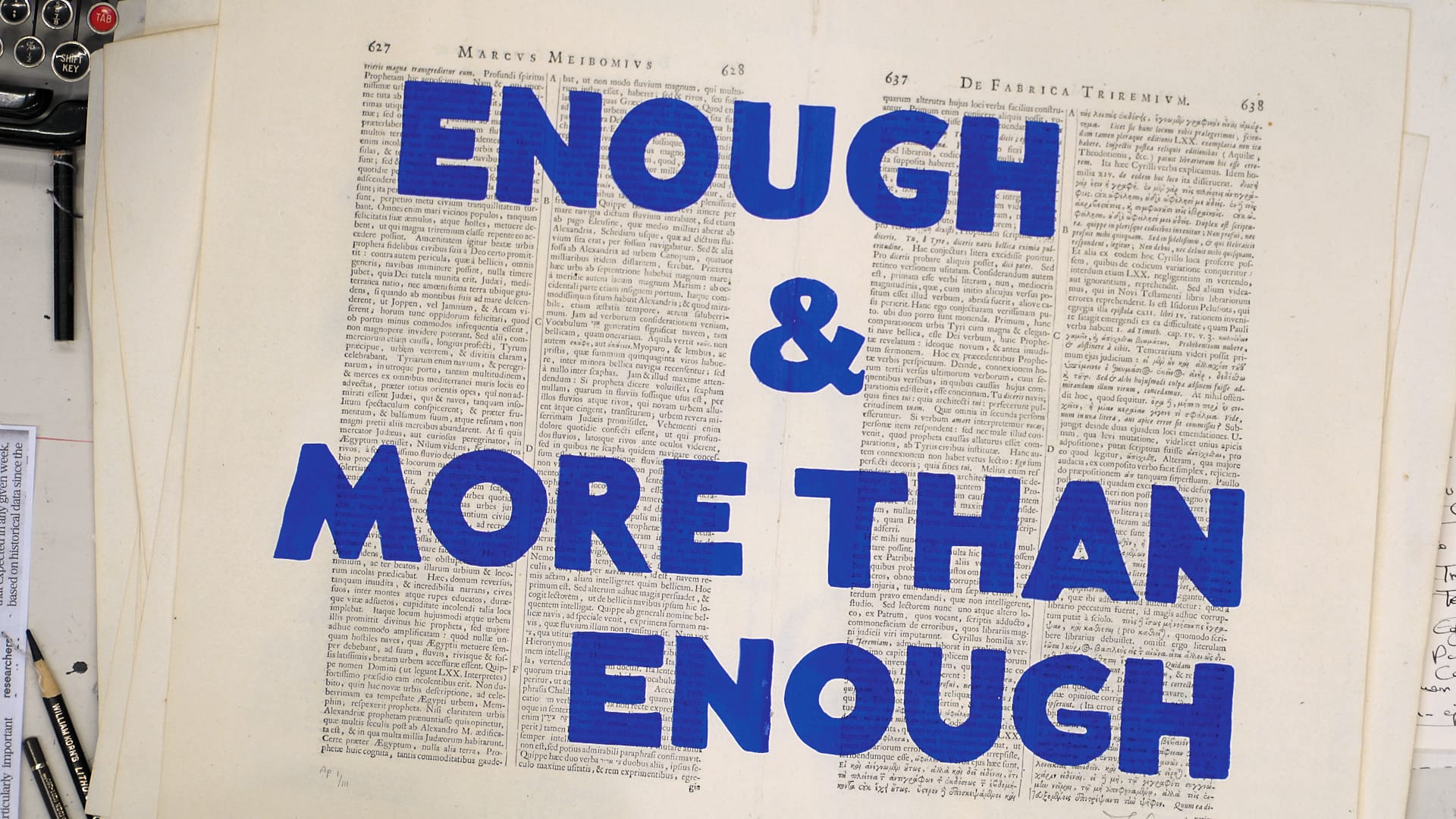
This struggle led to a series of "blue texts"—aphoristic phrases painted onto the pages of antique religious texts and nineteenth-century astronomical records. These texts—such as "GOD’S OPINION IS UNKNOWN" or "A SAFE SPACE FOR STUPIDITY"—act as rubrics, a term Kentridge borrows from medieval prayer books. They serve as stage directions for the mind, sitting at the periphery of language, suggesting that the most vital truths are often found in the fragments we cannot fully parse.
A Chronology of Translation: From Etchings to Truth
Kentridge’s work is characterized by a constant process of migration—what he calls "translation." This is not the literal translation of one language to another, but the migration of an image, a character, or a thought from one medium to the next, gaining and losing weight in the process.
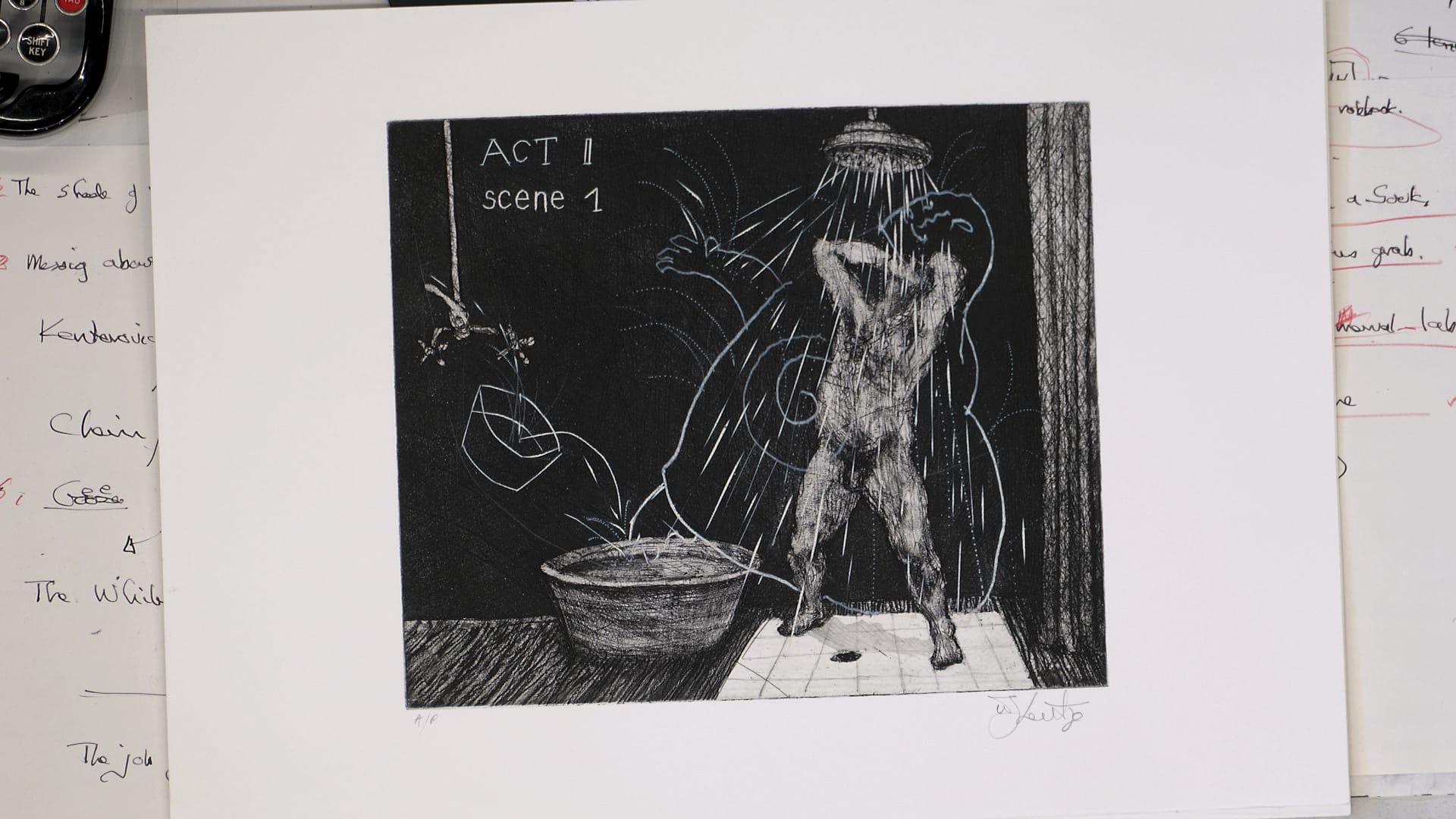
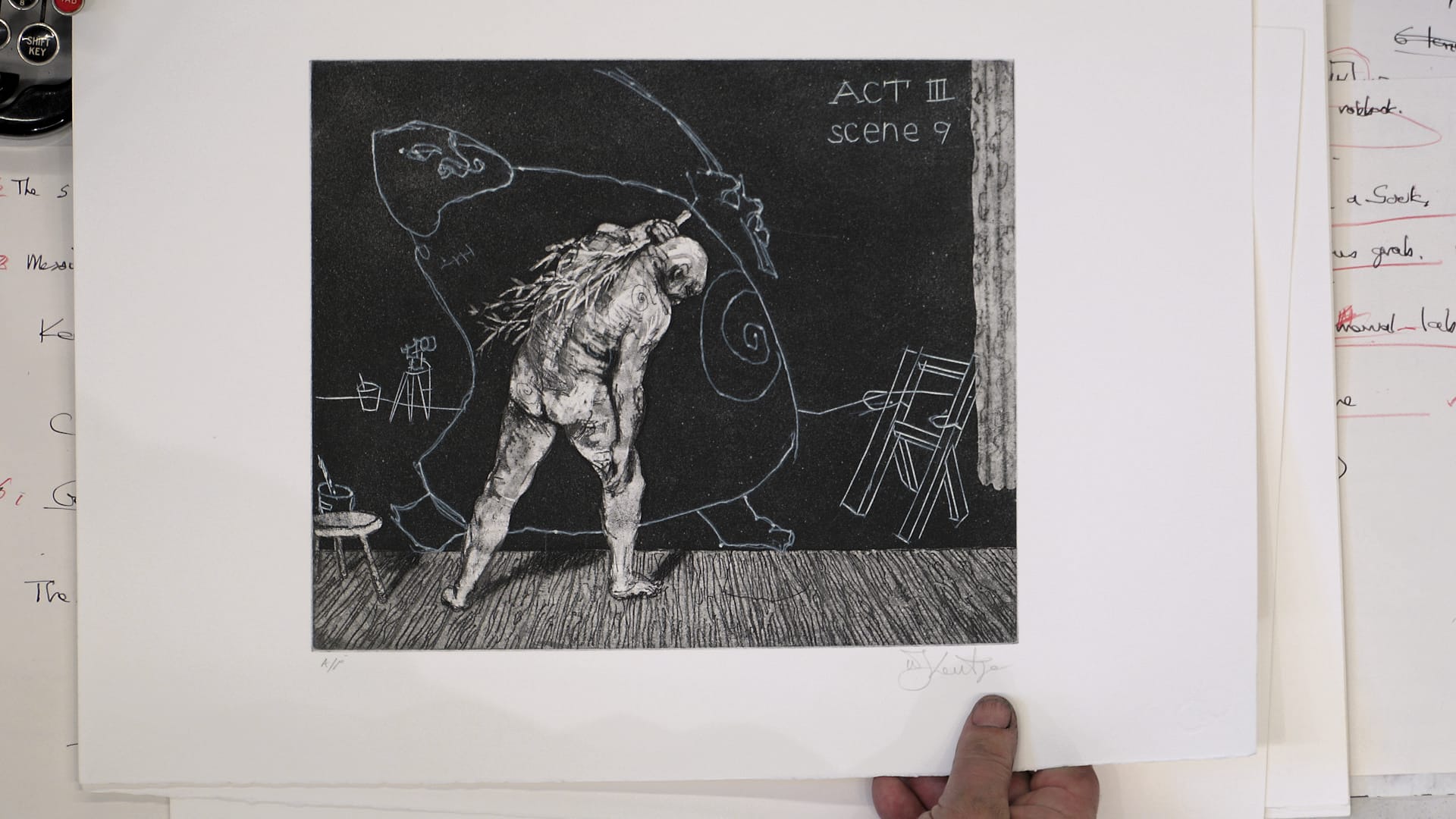
- The Ubu Origin: The process began with etchings inspired by Alfred Jarry’s Ubu Roi. Kentridge used Jarry’s caricature of a tyrant to explore his own artistic alter ego, experimenting with thumbprints to create a "fleshy" representation of Ubu.
- The Theatrical Pivot: These etchings morphed into Ubu and the Truth Commission, a multidisciplinary performance that used animation and archival film to confront the harrowing reality of South Africa’s apartheid era. Here, the "comic grotesque" of Ubu provided a lens through which to view the testimonies of victims and perpetrators.
- Film as Independent Entity: The animation from the production later evolved into the standalone film Ubu Tells the Truth, demonstrating how an image can retain its power while shedding its original context.
- The Monumental Turn: Finally, these figures transitioned into large-scale bronze sculptures, shifting from the ephemerality of ink on paper to the "hard-won sense" of three-dimensional heft.
The Neurology of Creativity: The Periaqueductal Grey
Central to Kentridge’s thesis is a departure from conventional neurology. While standard wisdom places the seat of consciousness in the frontal lobes—the site of rational decision-making—Kentridge posits that true artistic impulse originates in the periaqueductal grey, a primitive, pea-sized region of the brain stem.
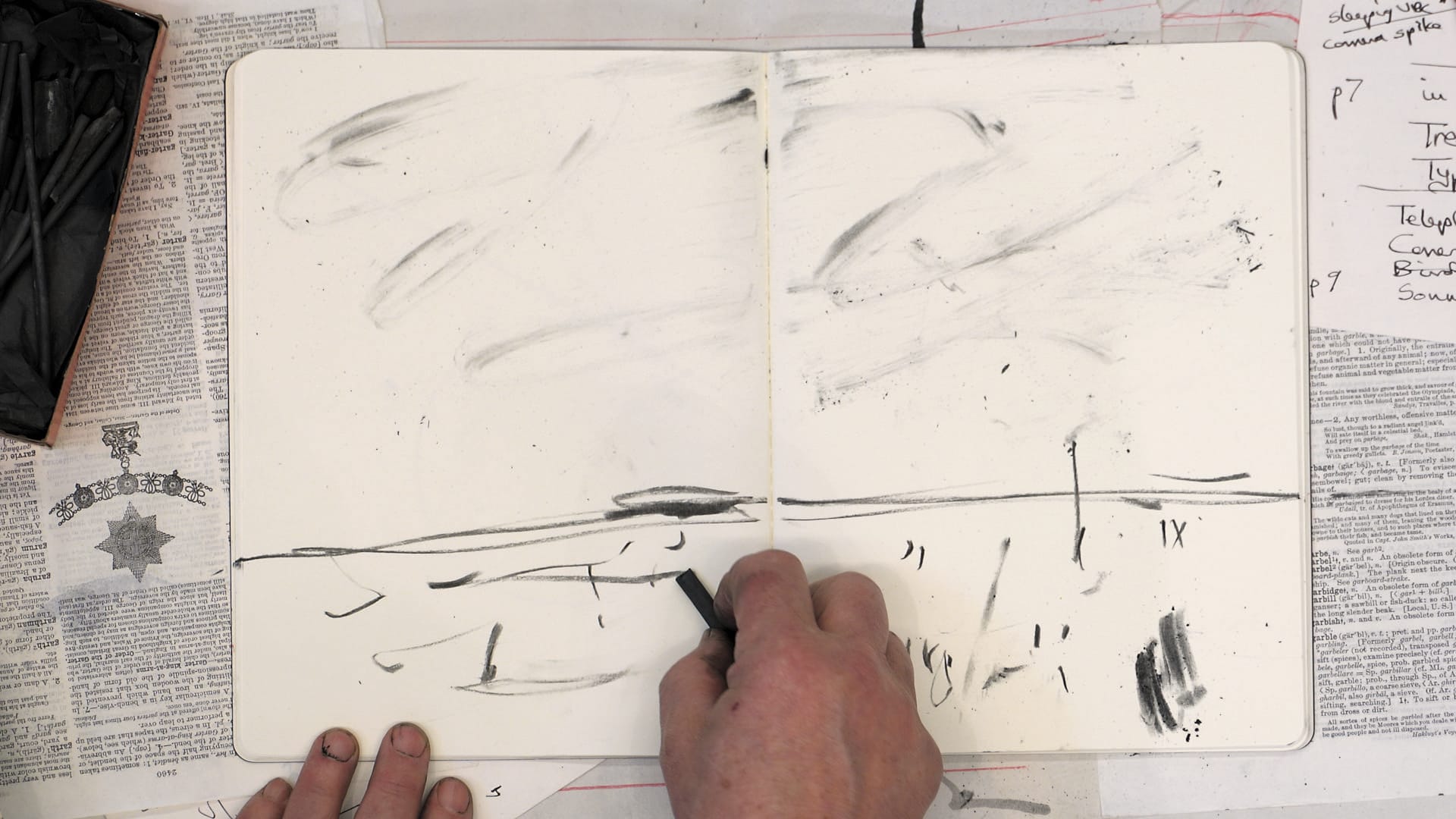
"This is miles away from rational decision-making," Kentridge writes. "This is the body thinking." By focusing on this primitive brain matter, the artist privileges emotion, desire, and repulsion over the "what" of the finished work. The studio, in this view, is a Tummelplatz—a German term for a "place of tumbling"—where the artist is both patient and analyst, allowing the unconscious to bubble to the surface.
Official Responses and Philosophical Implications
The reception of Kentridge’s work has long been defined by the very question he poses in his book: Why is it necessary? His father, a figure of persistent skepticism, frequently questioned the necessity of adding complex projections to opera or puppets to a classic play. Kentridge’s response is a defining mantra for contemporary art: "The best answer I could give was that it was essential because it was not necessary."
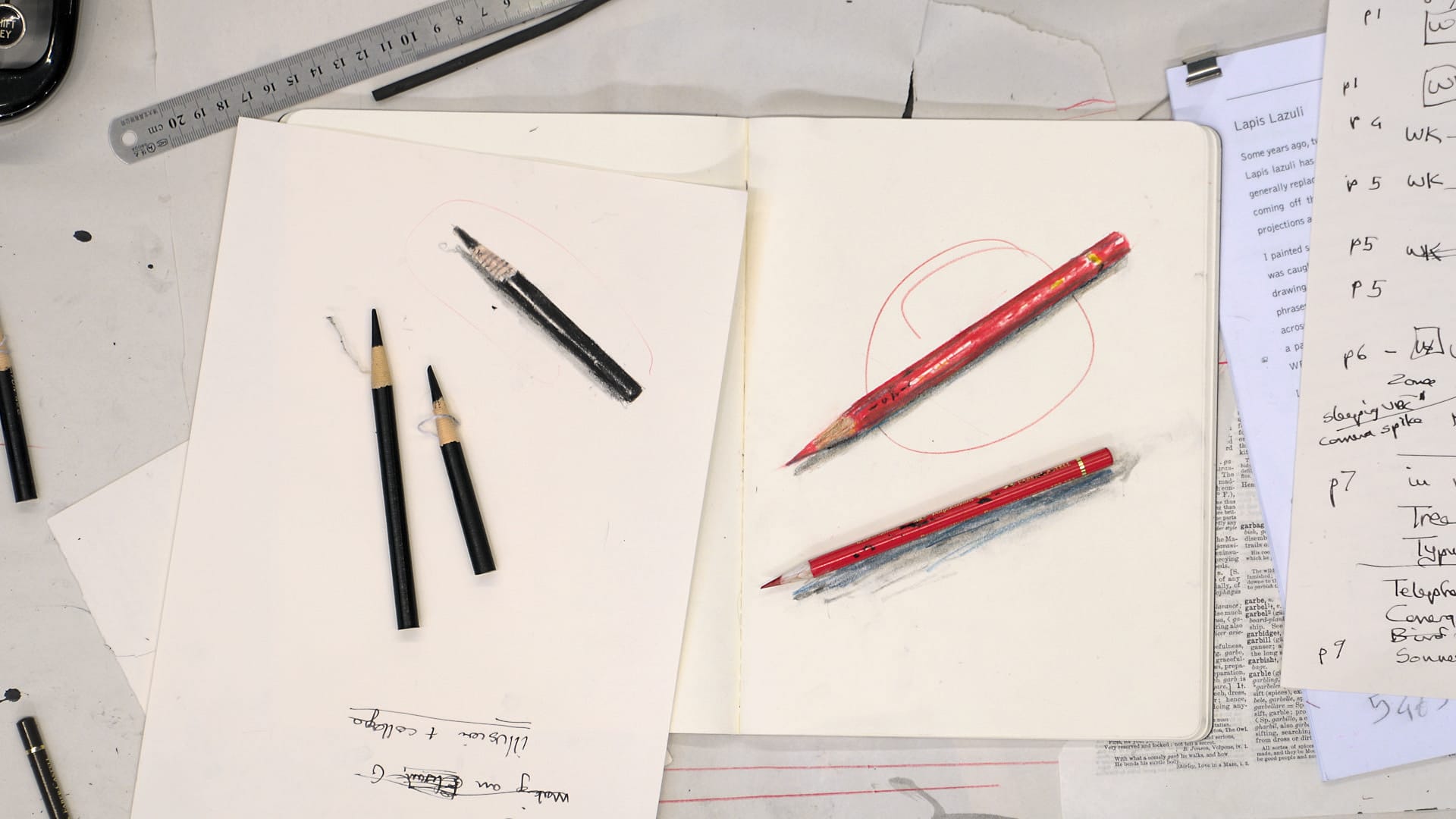
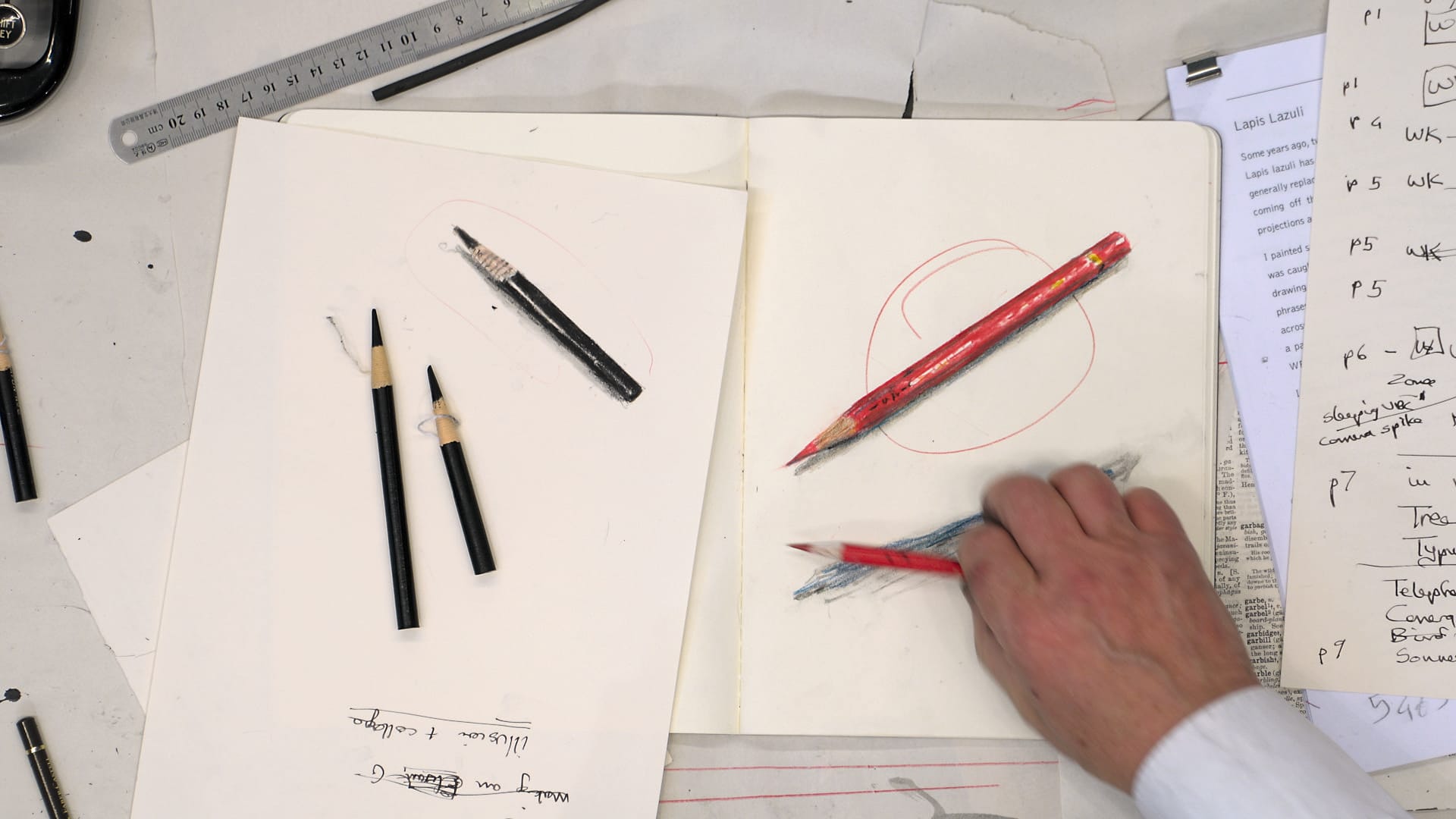
The implications of this philosophy are profound. In an era dominated by digital ephemeralism, where the "pulsing cursor" dictates the speed of thought, Kentridge’s commitment to the "ethics of the typewriter"—the commitment to decisiveness and the physical mark—serves as a necessary rebuke. His work argues that we are all, in a sense, living in a state of "productive procrastination," circling our desks like circus horses, trying to will a coherent thought into existence while the unconscious continues its work under the "Markov blanket."
The Studio as a Borderline of Life
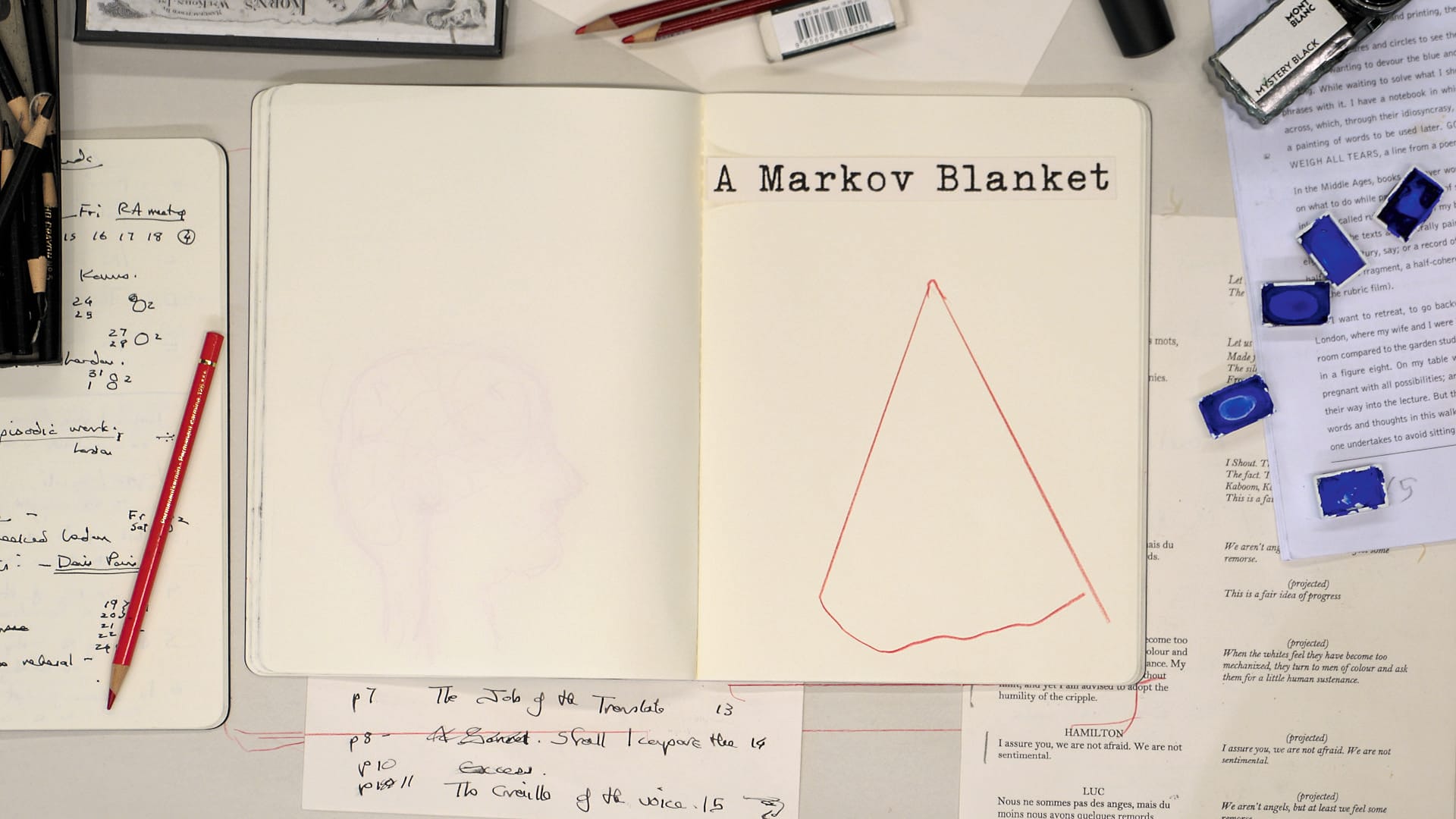
Kentridge employs the metaphor of the "Markov blanket"—a membrane that defines where an organism ends and the world begins—to describe the studio drawing. For the artist, the drawing is the membrane. It is the site of negotiation between the chaos of the world and the internal drive to resist entropy.
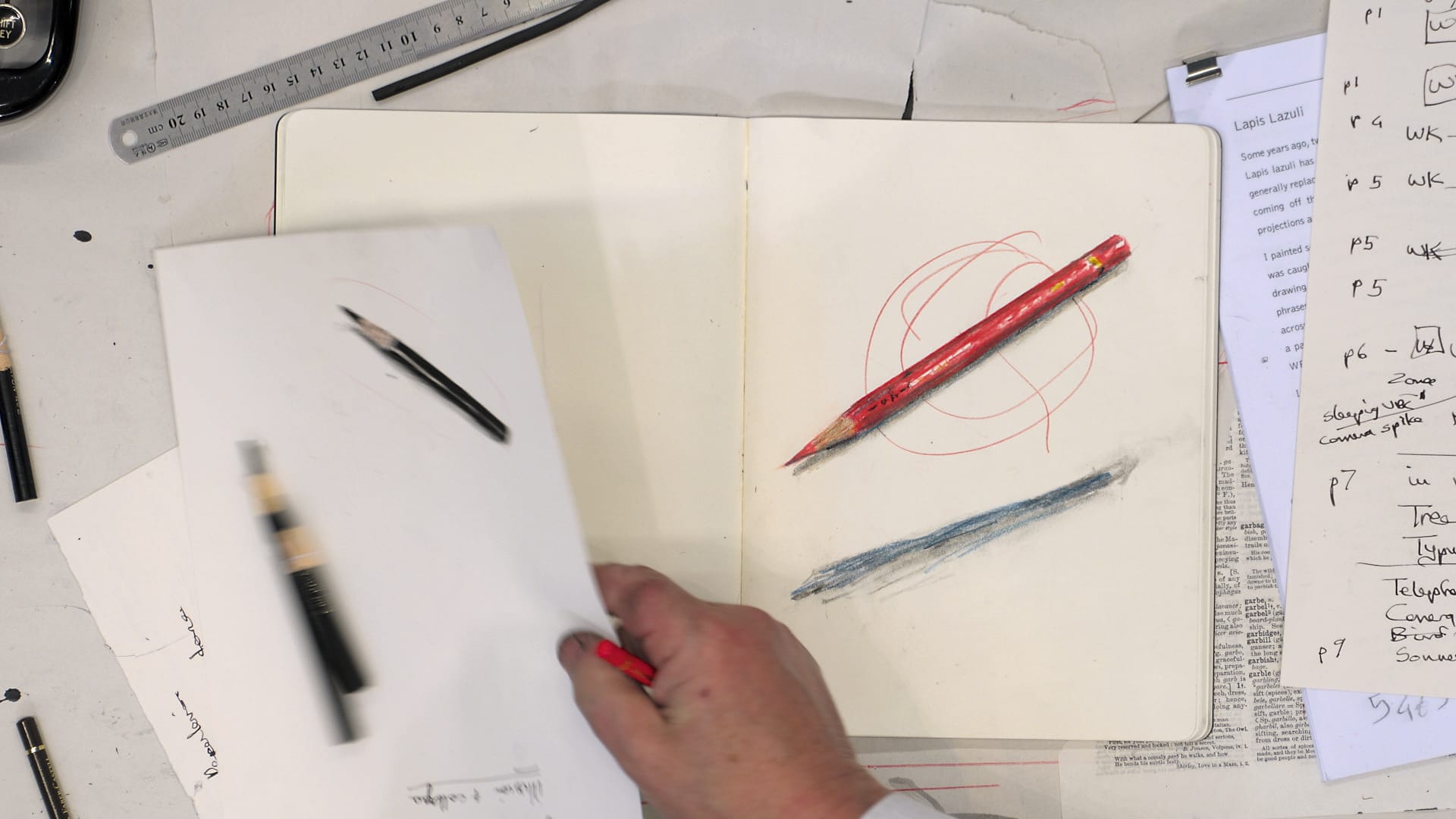
By juxtaposing the "grand words" of treaties and politics—which led to the devastation of the 20th century—with the "less good logic" of Dadaist absurdity, Kentridge makes a powerful case for the role of the artist in society. If clear, rational logic leads to disaster, he suggests, then perhaps the task of the artist is to "uncertain the word."
Conclusion: The Persistence of the Spark
A Natural History of the Studio is more than a memoir of a career; it is an instruction manual for living with contradiction. Whether he is discussing the "grain" of a song as described by Roland Barthes, or the way a child in a war zone names the world as they die, Kentridge reminds us that meaning is not something to be conquered, but something to be recognized in the gaps.
As he prepares for the next series of drawings, the lesson remains clear: the studio is not a place to solve the riddle of the self. It is a place to celebrate the "anti-Zen" within us, to embrace the panic inside our rational movement, and to recognize that while we may never fully pin down the sense of the world, we must live as if we could. In the end, the work of the artist is not to clarify, but to maintain the spark—that flash of connection that occurs when the vertical marks on a page become both grass and charcoal, and the blue becomes a memory of something we never quite knew.
 Basiran
 Muslim
 Evan Lee Salim
