

By Arielle Shannon
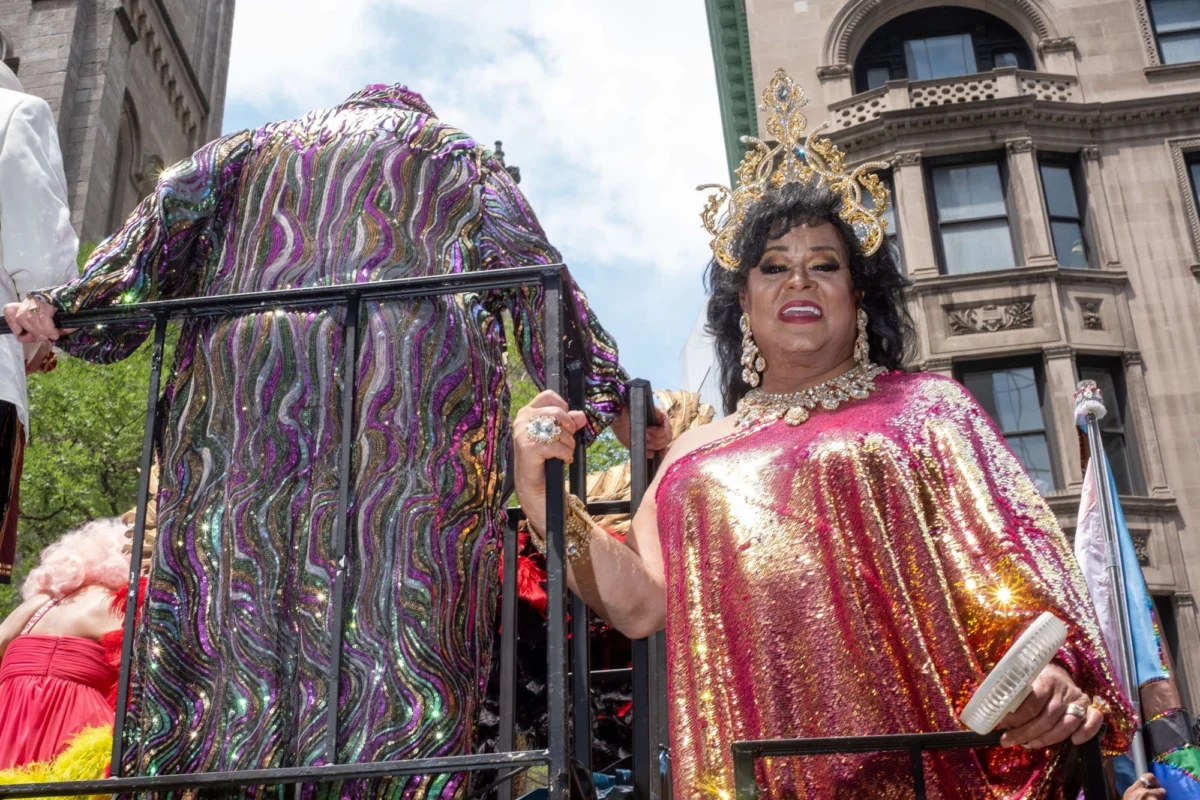
As a street photographer, my practice is defined by the absence of a destination. I set out on long, aimless walks, governed only by the intent to observe the rhythm of the city. I am a cartographer of atmosphere, constantly taking stock of the urban temperature. On Sunday, June 28, 2026, as I wove through the sweltering, vibrant tapestry of the 57th New York City Pride March, I felt as if I had drifted into an idyllic, collective fever dream.
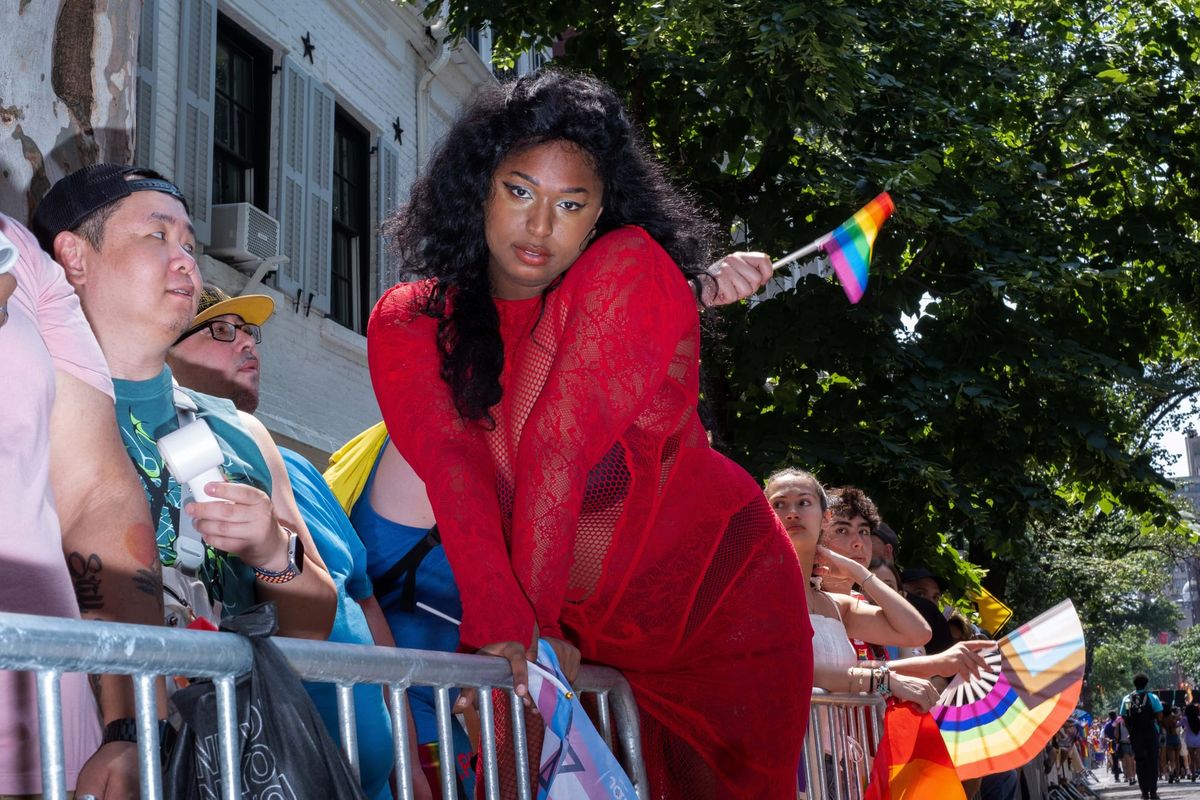
The route, snaking down Fifth Avenue before looping up and around Seventh, was more than a parade; it was a sensory landscape. The energy dispersed among the 75,000 marchers and the one million spectators lining the streets could only be described as "radiant chaos." It was a day where the heavy, humid heat of a New York summer seemed to melt away the usual friction of city life, allowing for a rare, shimmering stillness to take hold.
The Main Facts: A Milestone of Visibility
The 57th NYC Pride March serves as a poignant reminder of the enduring legacy of the 1969 Stonewall Uprising. What began as a desperate, defiant stand against police brutality at the Stonewall Inn in Greenwich Village has evolved into a global symbol of LGBTQ+ liberation.
This year’s event was marked by a palpable sense of triumph. Despite the blistering temperatures, the spirit of the crowd remained undeterred. For several hours, the city seemed to stop. The cacophony of sirens and traffic was replaced by the thrum of percussion bands, the cheers of families, and the rhythmic chants of activists. As a photographer, my goal was not merely to document the spectacle of glitter and floats, but to capture the quiet, human moments that anchor the larger political narrative: the supportive hug of a PFLAG parent, the wide-eyed wonder of a child watching a drag queen, and the intergenerational connections that form the backbone of the queer community.
Chronology of the Day
The day began long before the first float reached the intersection of Fifth Avenue. By 10:00 AM, the staging areas were already buzzing with a mixture of professional coordination and chaotic excitement.
- 11:00 AM: The official kickoff saw a diverse array of organizations, ranging from non-profits and faith-based groups to local businesses, beginning the trek. The atmosphere was celebratory, yet grounded by the knowledge of the historical significance of the route.
- 1:00 PM: As the sun reached its zenith, the heat became a defining factor of the experience. Spectators crowded against the barricades, seeking shade, while the marchers kept the momentum high. It was during this window that I noted a strange, beautiful shift in the city’s policing—a rare, relaxed composure from the NYPD, as if the sheer scale of the joy rendered enforcement an afterthought.
- 3:30 PM: The march reached the historic Stonewall National Monument. The tone shifted from pure celebration to a reflective, almost reverent state. The crowds grew denser, and the chanting grew more rhythmic, honoring the pioneers of the 1969 movement.
- 5:00 PM: As the final groups moved through the West Village, the energy transitioned into a communal winding-down, with local bars and restaurants becoming hubs for post-march discourse and connection.
Supporting Data and Observations
The scale of this year’s Pride is a testament to its institutional importance. With over 75,000 participants registered to march and an estimated one million spectators in attendance, the economic and social impact on New York City is profound.
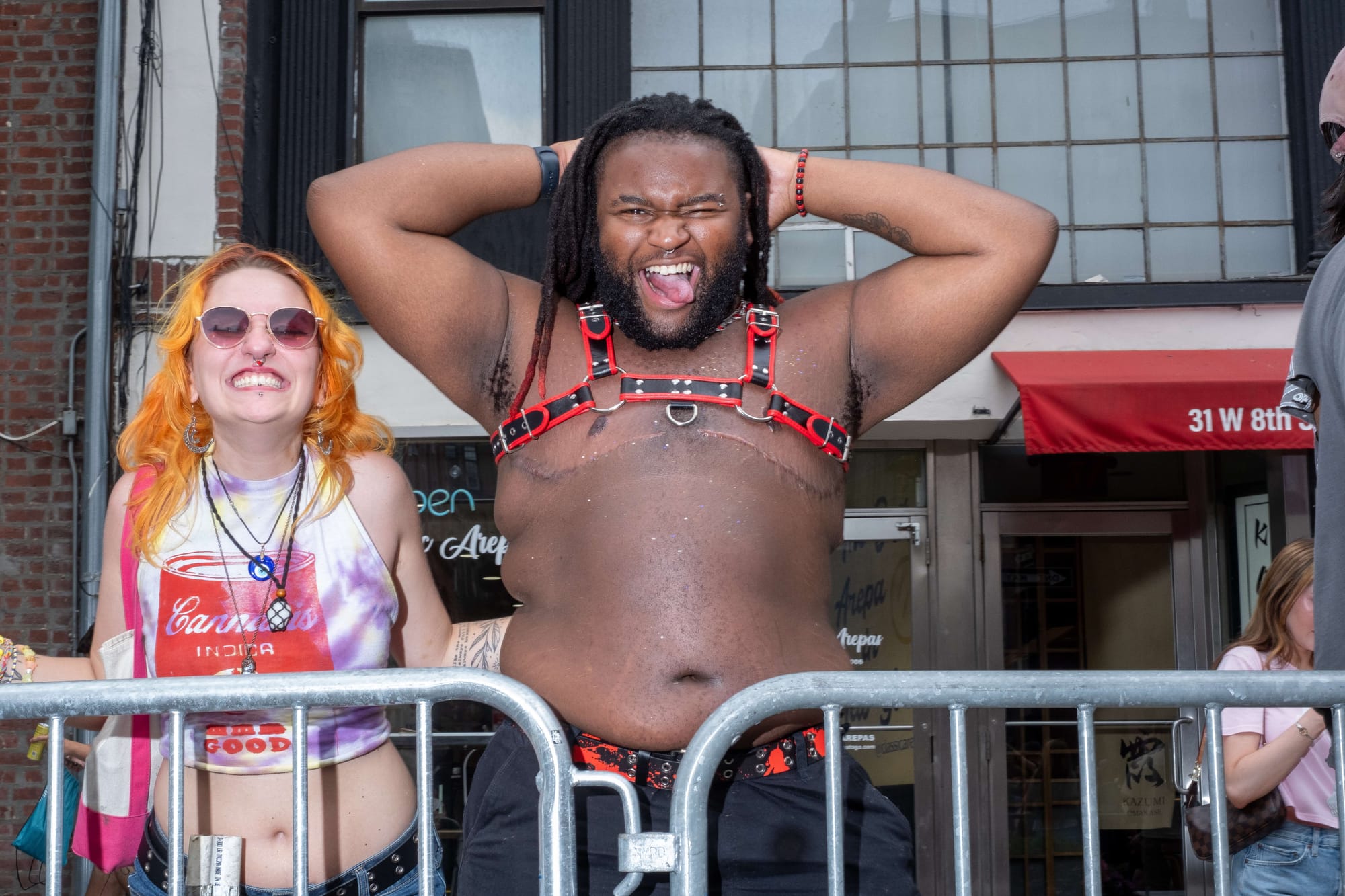
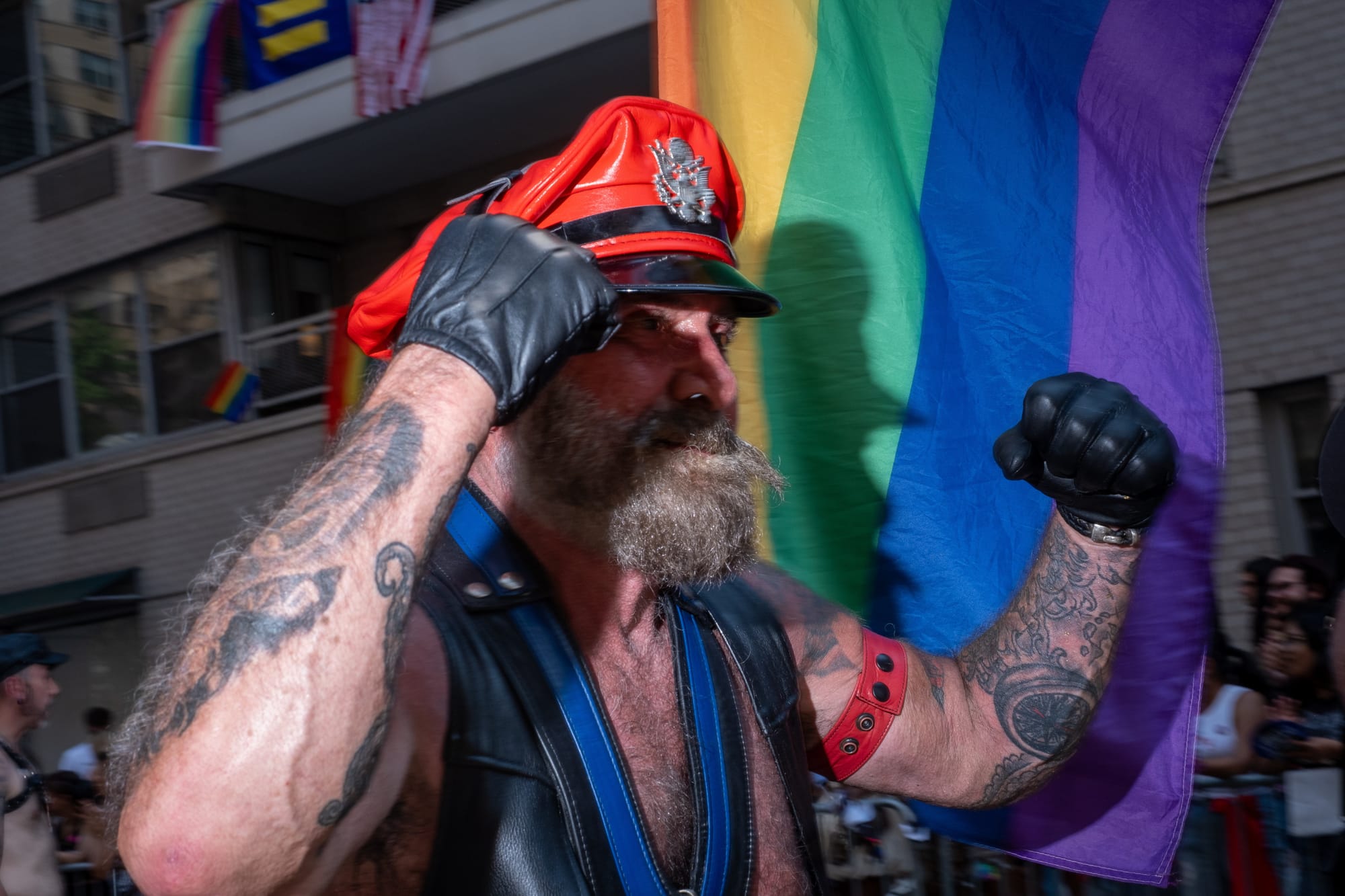
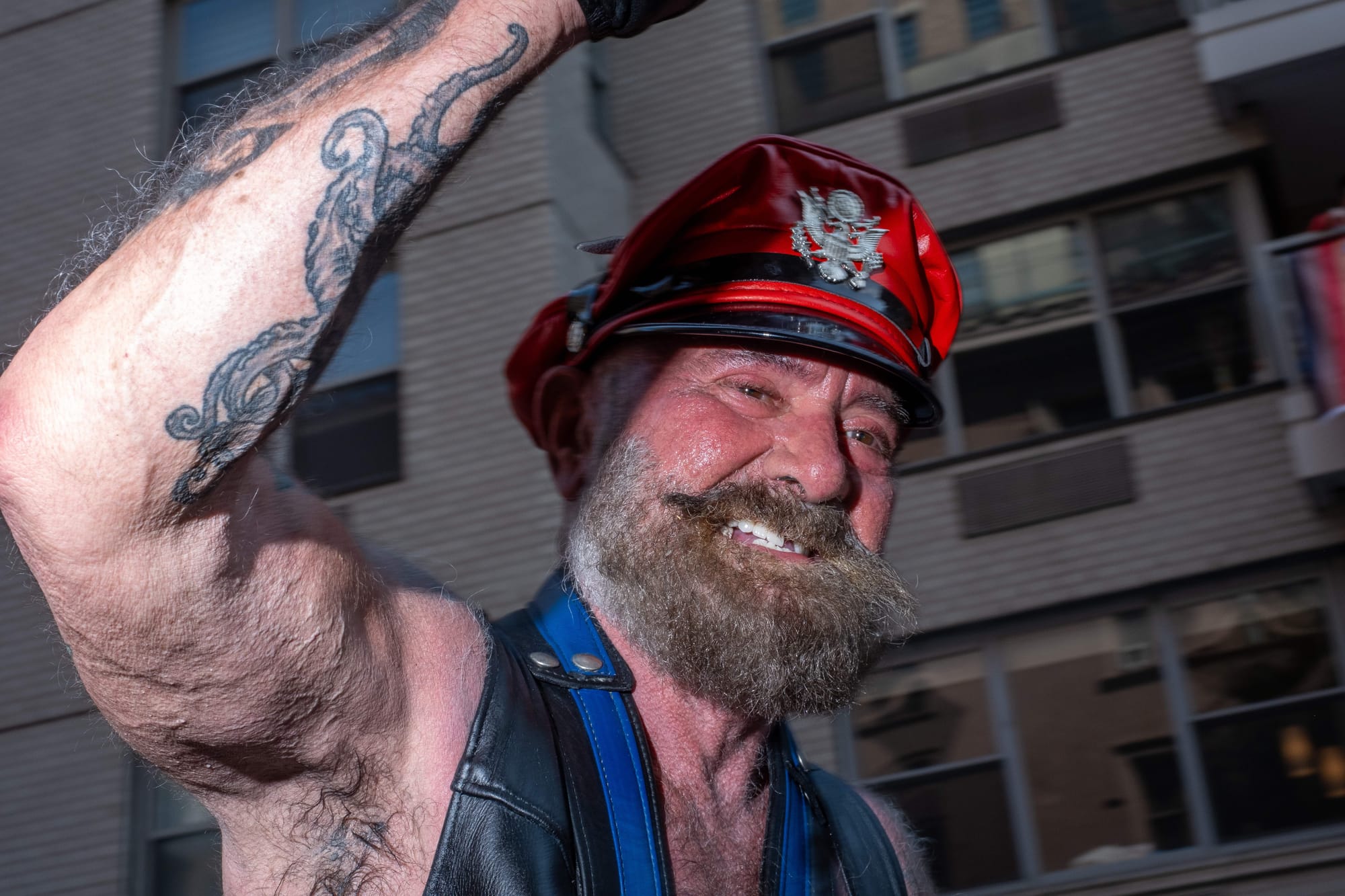
From my vantage point on the sidelines, I observed a demographic shift that is becoming increasingly clear: the inclusion of younger generations marching alongside those who have been fighting for civil rights for decades. The presence of groups like the Interfaith Center of New York and the Northeast Leather community illustrated the breadth of the queer experience.
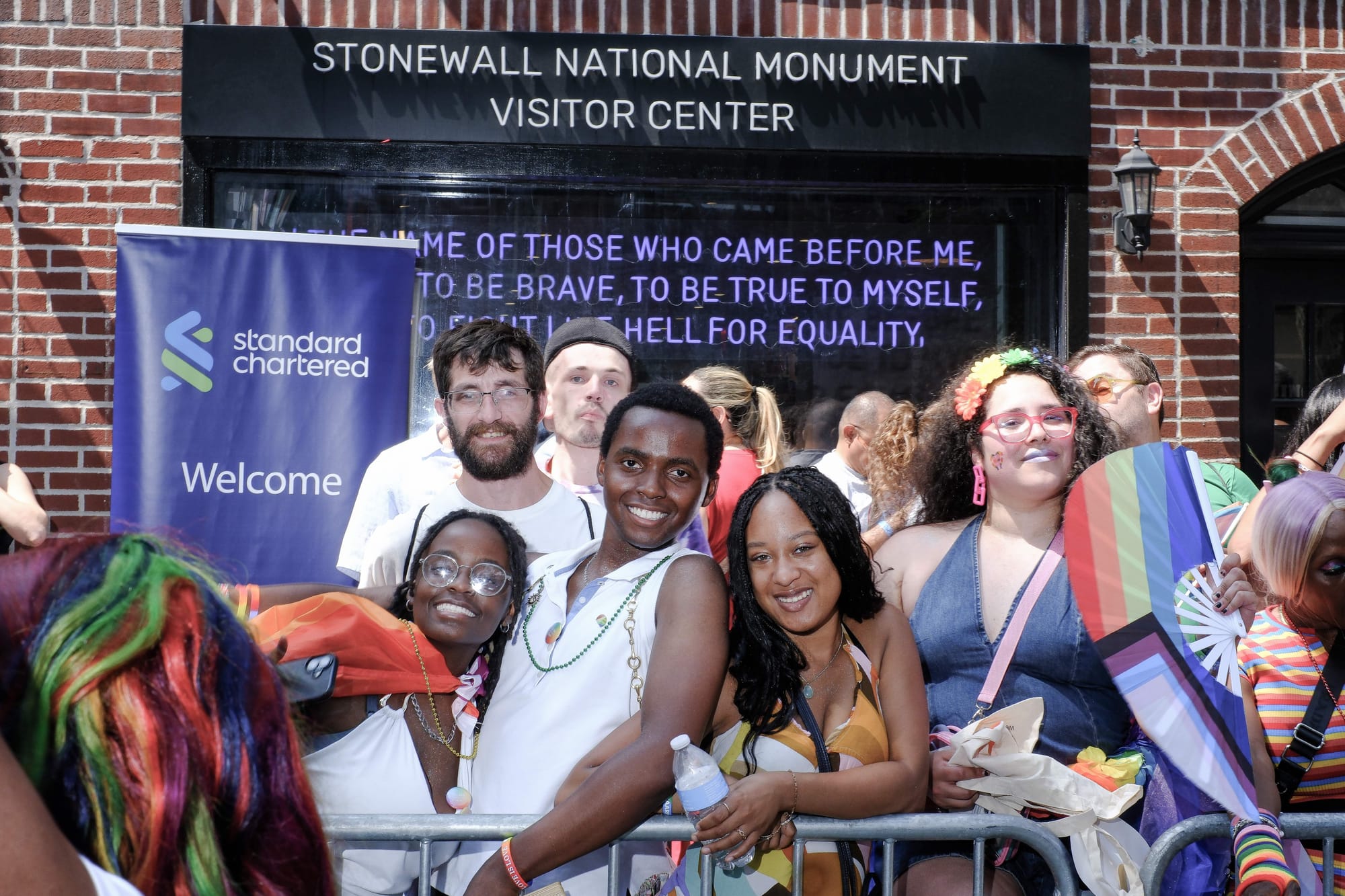
Data from the event organizers indicates that the 2026 March saw an increase in family-oriented participation, particularly through groups like PFLAG. This highlights a significant shift in the cultural landscape of Pride—a transition from a marginalized protest to a broad-based, multi-generational celebration of identity.
A Political Backdrop: The Fight for the Flag
We cannot discuss the joy of the parade without acknowledging the friction that preceded it. The 2026 march occurred in the shadow of a volatile political climate. Only months prior, the Trump administration issued a directive to remove the rainbow flag from the Stonewall National Monument, a move that sparked immediate, nationwide outcry.
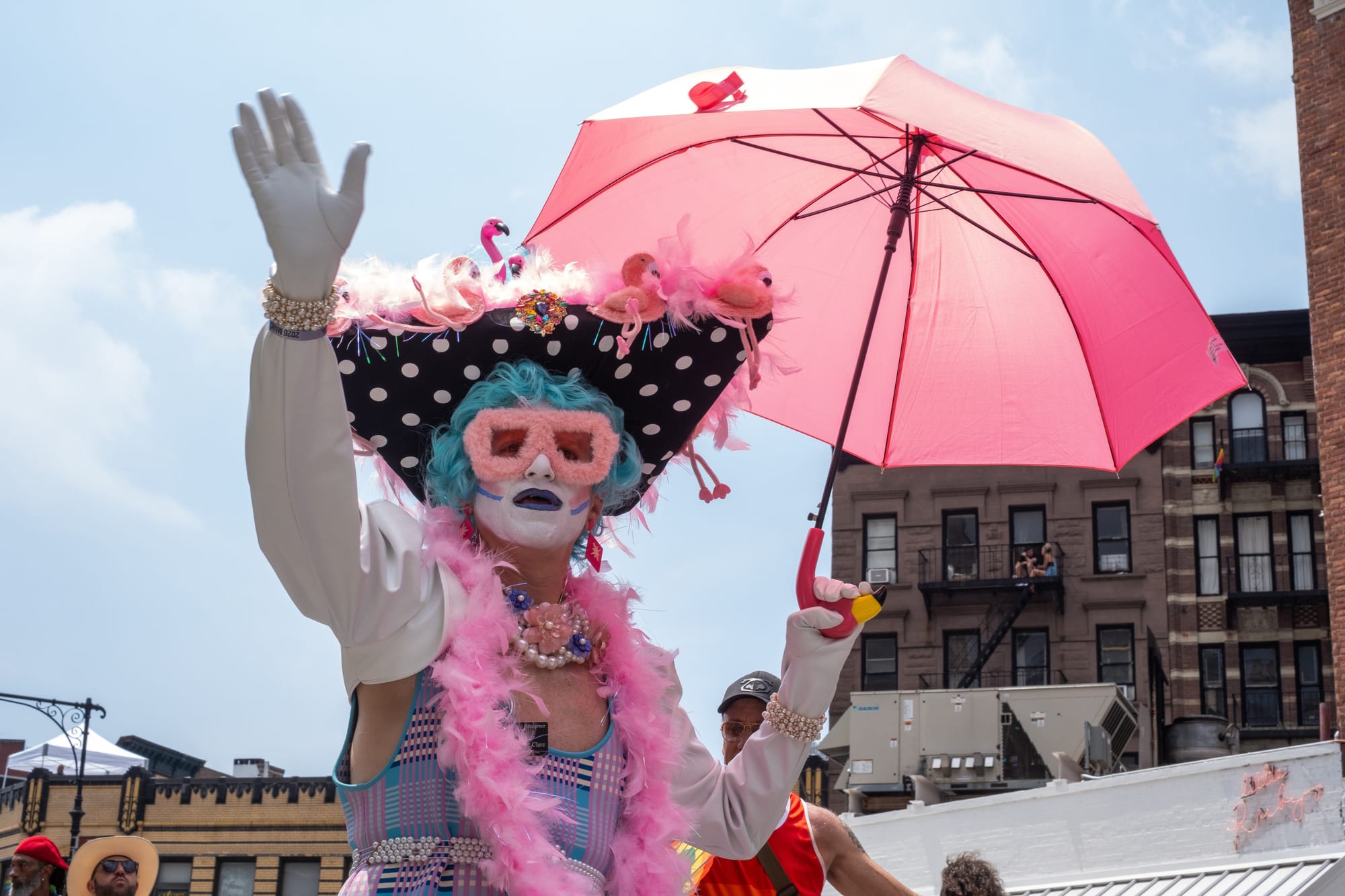
The subsequent legal battle, which resulted in a court-ordered reinstatement of the flag, served as a potent catalyst for this year’s turnout. The irony was not lost on the marchers: a directive intended to diminish the visibility of the LGBTQ+ community instead galvanized it, ensuring that the 57th anniversary was one of the most well-attended and defiant in recent history.
This tension between institutional suppression and grassroots resilience is the defining narrative of our time. While the day was filled with music and performance, every participant was walking on ground made sacred by conflict. The act of marching was, in itself, a response to the political climate—a physical assertion of existence in the face of policy-driven erasure.
Official Responses and Civic Engagement
While the NYPD’s presence was noticeably less confrontational than in previous years, the relationship between the queer community and law enforcement remains complex. Official statements from city leadership focused on the themes of inclusivity and the "New York spirit," yet the grassroots organizations—the ones responsible for the heart of the march—continue to emphasize the necessity of self-reliance.
"Pride is not just a party; it is a political statement," said one organizer I spoke to while capturing a portrait of a marcher. "When they try to take our symbols, we show up in greater numbers. The flag at Stonewall is just fabric, but the people here? We are the ones who make it real."
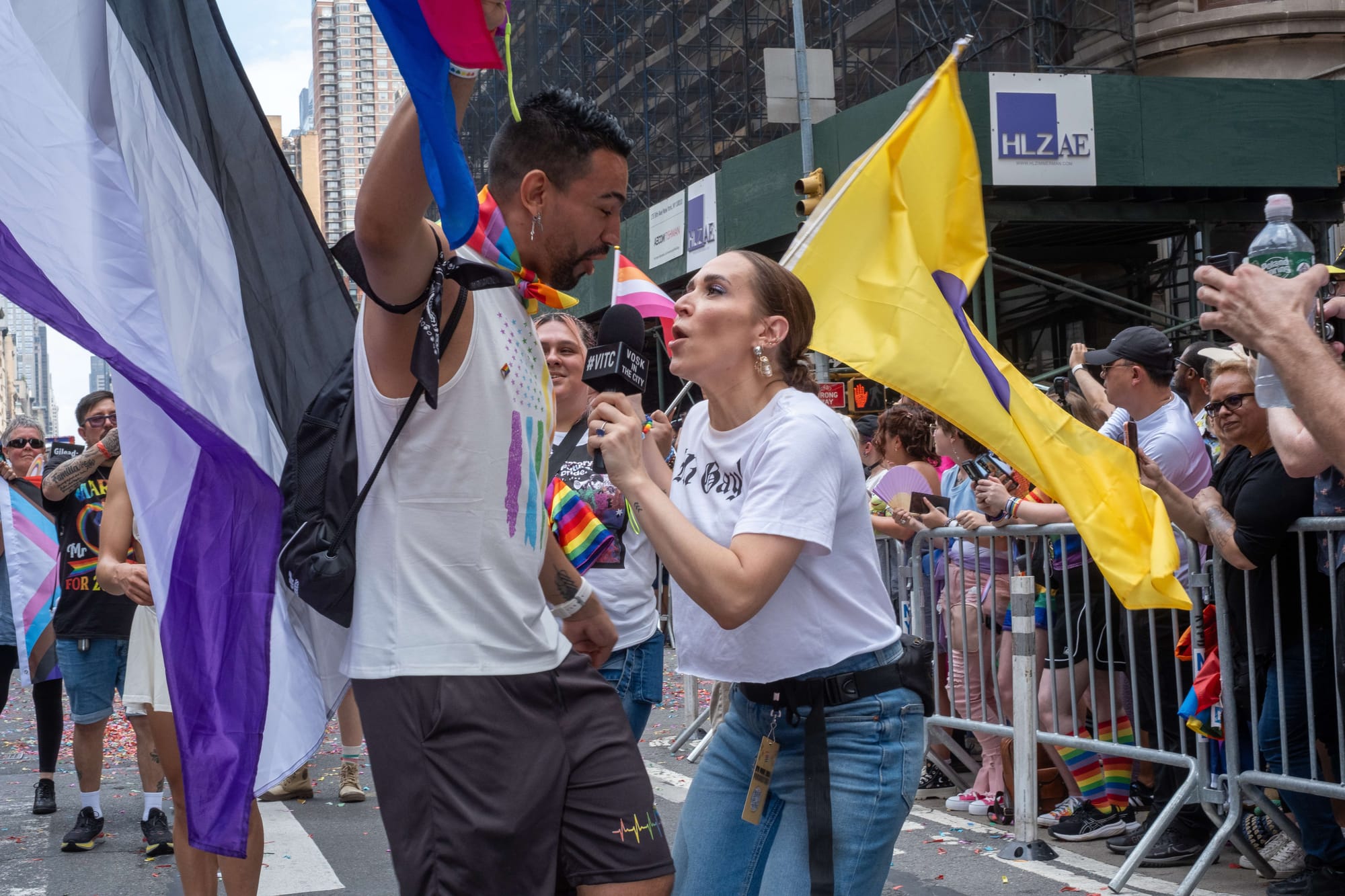
This sentiment was echoed across the spectrum of participants. From Broadway stars like Jessica Vosk, whose Vosk in the City series provided a platform for individual voices, to the quiet, determined faces of elderly activists, the consensus was clear: the struggle for equality is ongoing.
Implications: The Legacy of 2026
What, then, does the 57th Pride March leave behind?
Beyond the immediate images of color, costumes, and choreography, there is a profound psychological imprint on the city. For one day, New York felt like a place where the social contract was rewritten to prioritize human connection over bureaucratic order. The "radiant chaos" I witnessed was a form of temporary utopia.
However, the implications of this event extend far beyond the calendar date. The 2026 march proved that the LGBTQ+ movement is not a monolithic entity but a diverse coalition capable of pivoting from joy to protest at a moment’s notice. The resilience displayed in the face of the federal government’s antagonism suggests that the movement is currently in a state of high-alert, highly organized, and deeply connected.
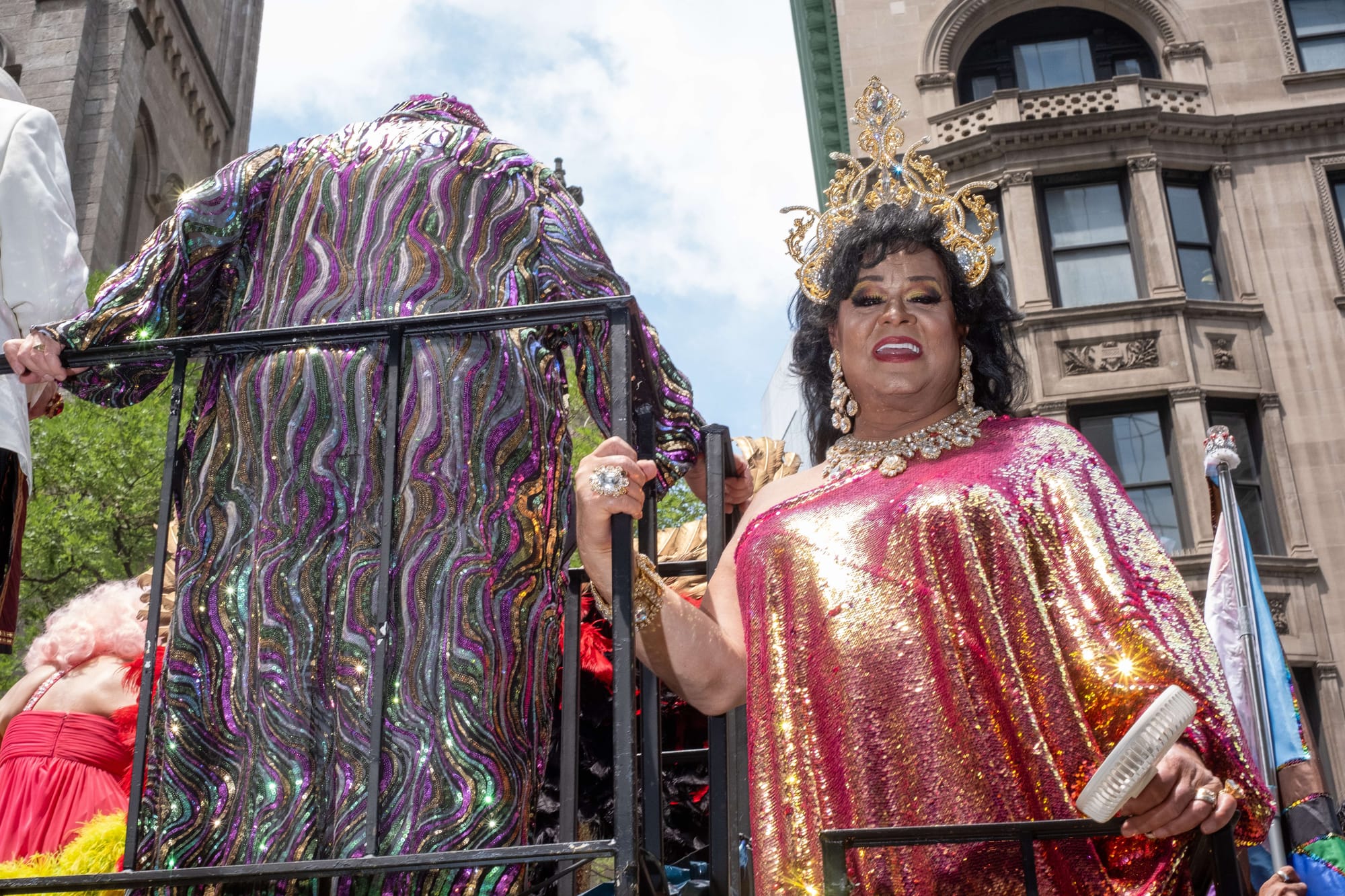
As a photographer, my job is to distill these massive events into frames that capture the essence of the moment. Looking back at the images of the child marching with their parent for Gotham Cheer, or the members of Northeast Leather standing with pride, I see a future that is being actively shaped by the present.
The 2026 Pride March was not merely a commemoration of the past; it was a rehearsal for the future. It reminded us that while laws can be passed and flags can be removed, the spirit of a community that has spent 57 years finding its voice is not easily silenced. The city may have returned to its usual pace on Monday, but for those who walked the pavement of Fifth Avenue, the mark left by the march remains. It is a reminder that in the heat of the struggle, there is a place for joy—and that joy is, in itself, a powerful form of resistance.
 Basiran
 Muslim
 Evan Lee Salim
