

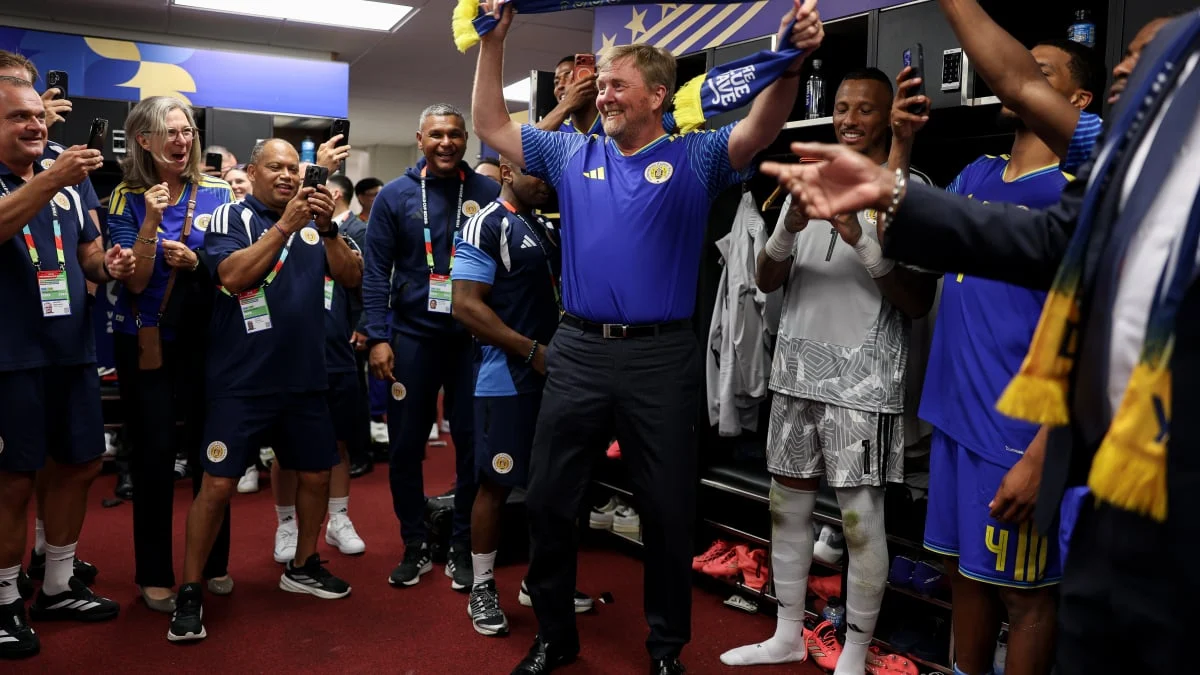
Since the inaugural tournament in 1930, the FIFA World Cup has functioned as the global stage for the grandest narratives in sport. While history books prioritize the nations that ultimately hoist the golden trophy, the true heartbeat of the tournament resides in the periphery—in the struggles, the breakthroughs, and the unlikely triumphs of teams once deemed inconsequential by the global elite. The 2026 FIFA World Cup has proven to be a masterclass in this tradition, with the tournament’s defining moments arriving not from the heavyweights, but from the underdogs who have captured the world’s imagination.
A Tournament of Firsts: The Shift in Global Power
The 2026 edition has already dismantled the traditional hierarchy of international football. From the Caribbean to Central Asia, nations that were once footnotes in the FIFA rankings are now writing their own chapters of glory. The prevailing theme of this tournament is not just participation, but impact; whether it is a historic first point, a maiden victory after nearly a century of waiting, or a symbolic gesture of unity, these teams have redefined what success looks like on the world stage.
The Curaçao Miracle: A Population of 156,000 Defies the Odds
In the capital city of Willemstad, the atmosphere during the match against Ecuador was electric. For a nation with a population of just 156,000, simply appearing in the tournament was a landmark achievement. Yet, after an opening 7-1 drubbing at the hands of Germany, few expected them to survive the second round of group play.
The match against Ecuador served as a brutal test of endurance. With nearly 30 shots fired at their goal and an expected goal (xG) metric that heavily favored the South American side, Curaçao’s defense was under constant siege. The hero of the hour was undoubtedly goalkeeper Eloy Room, whose 15 saves provided the backbone of a scoreless draw that felt, in every measurable sense, like a victory. This singular point represents the smallest nation in World Cup history standing toe-to-toe with a regional titan, proving that tactical discipline and sheer willpower can bridge the gap in talent.
The Blue Sharks: Cape Verde’s Viral Ascent
Perhaps no team has galvanized the neutral observer quite like the "Blue Sharks" of Cape Verde. Their journey from a debutant curiosity to a tournament favorite is a testament to the power of digital connectivity and raw, unscripted emotion.
The Vozinha Phenomenon
Central to the Cape Verdean narrative is their 40-year-old goalkeeper, Vozinha. After a heroic performance in a 0-0 stalemate against Spain, the veteran shot-stopper became an overnight global sensation. His Instagram following surged from a modest 50,000 to over 15 million, highlighting the modern way fans interact with the tournament.
However, the story transcends the pitch. Following the Spain match, Vozinha’s tearful interview—revealing that his mother could not attend due to the prohibitive costs and logistical hurdles of travel—sparked a rare moment of humanitarian cooperation. Through the intervention of the U.S. State Department and House Minority Leader Hakeem Jeffries, the administrative barriers were dismantled, allowing his mother to be present for the following match against Uruguay in Miami.
From LinkedIn to the Pitch
The Blue Sharks’ roster is as unconventional as their success. The team’s recruitment process reached a new level of absurdity when it was revealed that an Irish-born player was scouted and signed by the coach via a LinkedIn direct message. Initially dismissed as a potential scam, the correspondence blossomed into a cornerstone of the national team’s midfield, proving that in the modern era, talent can be found in the most digital of corners. With a 2-2 draw against Uruguay and a pivotal goal from distance by Kevin Pina, Cape Verde remains in the hunt for a spot in the final 32.
Diplomacy in the Locker Room: Iran’s Gesture of Grace
Not all defining moments occur during the ninety minutes of play. In a tournament hosted across North America, the experience of the Iranian national team has been marked by logistical complexity. Based in Tijuana, Mexico, the team faced significant travel restrictions, with staff and officials navigating a maze of diplomatic hurdles to reach their matches in the United States.
Following a hard-fought 0-0 draw against Belgium at SoFi Stadium in Los Angeles, the team left behind a handwritten note in their locker room. The message was a poignant departure from the usual post-match press conference:
"We came to Los Angeles with pride, competed with honour, and leave with dignity."
The note addressed the local fans who had provided their "heart, voice, and soul" during the match. This gesture shifted the narrative from the political tensions surrounding the team’s travel to the human spirit of the athletes, turning a scoreless draw into a profound cultural moment of mutual respect.
The Long Road: Historical Milestones for Uzbekistan, Haiti, and Egypt
For several nations, the 2026 World Cup serves as a culmination of decades of yearning.
Uzbekistan’s Central Asian Breakthrough
Uzbekistan’s loss to Colombia may appear routine on paper, but for the Central Asian nation, the match was a historic milestone. As the first nation from the region to qualify for the World Cup, the match drew massive, early-morning crowds in Tashkent. While the final scoreline of 3-1 reflected the gulf in experience, the mere presence of the Uzbek flag on the world stage was a victory for regional football development.
Haiti’s Return to the Global Stage
After a 52-year absence, Haiti’s return to the World Cup is a story of resilience. The team qualified while playing every match away from home, a logistical challenge that underscores their determination. For the Haitian diaspora, this tournament represents more than just sport; it is an opportunity to project a narrative of national pride and unity, countering the crisis-focused reporting that often defines international coverage of the Caribbean nation.
Egypt: A 92-Year Wait Ends
Perhaps the most cathartic moment of the tournament occurred when Egypt secured its first-ever World Cup win. Despite being a football-obsessed nation, Egypt had waited 92 years to taste victory in the tournament. Led by Liverpool superstar Mohamed "Mo" Salah, the 3-1 victory over New Zealand sparked scenes of jubilation that spanned from Vancouver to Cairo. Despite the 6 a.m. kickoff time in Egypt, the streets of Cairo erupted in celebration, proving that the World Cup remains the ultimate unifier of global identity.
Implications for the Future of FIFA
The 2026 World Cup is signaling a shift in the philosophy of international football. By expanding the tournament and allowing smaller, emerging footballing nations a seat at the table, FIFA has invited a wider array of stories that resonate far beyond the confines of a stadium.
The data supports this: engagement metrics for "underdog" matches have outperformed expectations, as fans gravitate toward the narratives of the "first-timers." The viral success of players like Vozinha suggests that fans are no longer just looking for the highest-level tactical play; they are looking for human stories of triumph against institutional, financial, and political odds.
As the tournament progresses toward the knockout stages, the presence of these teams serves as a reminder that the World Cup is not merely a contest of skill—it is a global pilgrimage. Whether it is a handwritten note in a locker room, a goal scored by an Irishman discovered on LinkedIn, or a first victory after a century of waiting, these moments are what define the legacy of the game. The 2026 World Cup will be remembered not for the team that raises the trophy in the final, but for the countless teams who, in their own unique way, made the world feel a little smaller and more connected.
 Nana Wu
 Neng Nana
 Reynand Wu
