

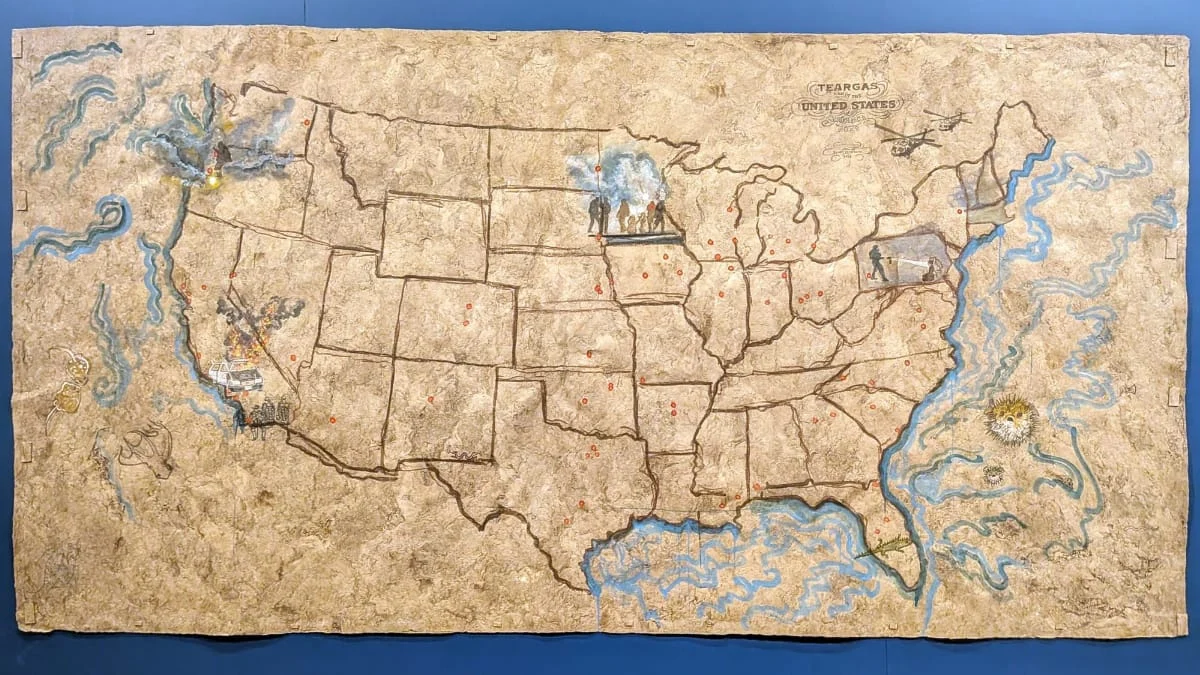
In an era defined by rapid digital transformation and shifting geopolitical borders, the way we visualize the world—and the figures we choose to memorialize—reveals much about our collective psyche. From the subversive potential of counter-mapping to the viral absurdity of public statuary, this week’s cultural landscape offers a profound look at how we challenge authority and celebrate our icons.
The Subversive Power of Counter-Mapping
Maps are rarely neutral; they are, by design, instruments of power. They delineate boundaries, define territories, and impose a sense of objective order upon complex, messy human landscapes. However, a new wave of artistic inquiry is challenging these rigid frameworks, turning the act of map-making on its head.
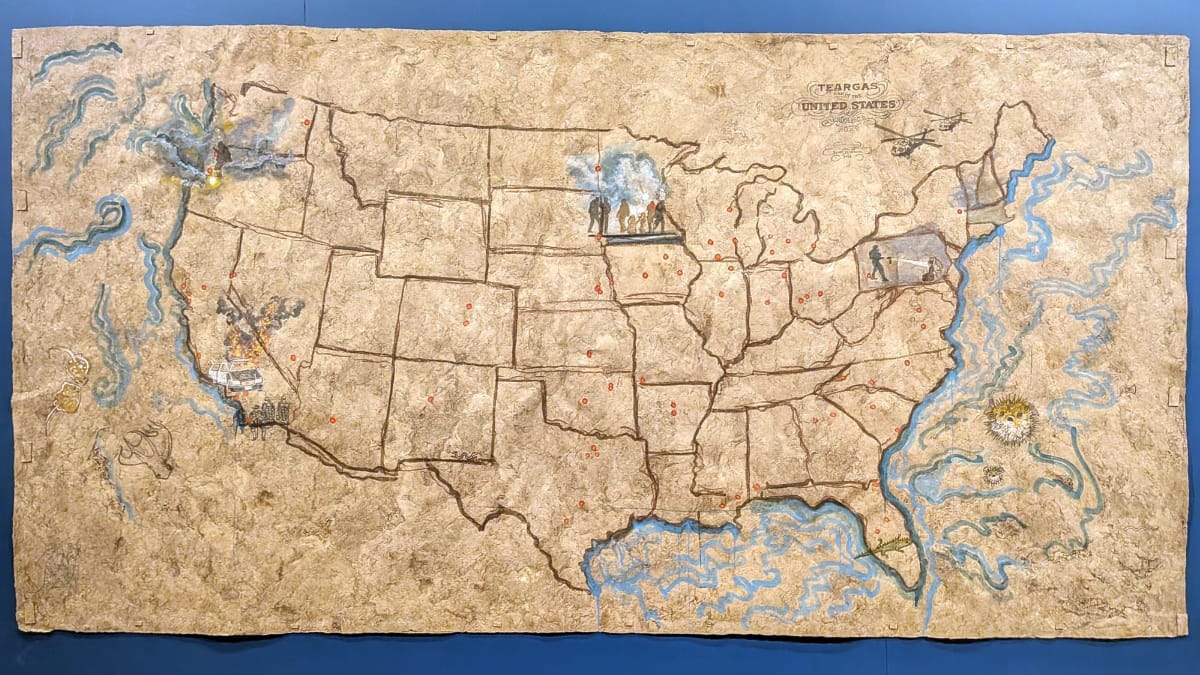
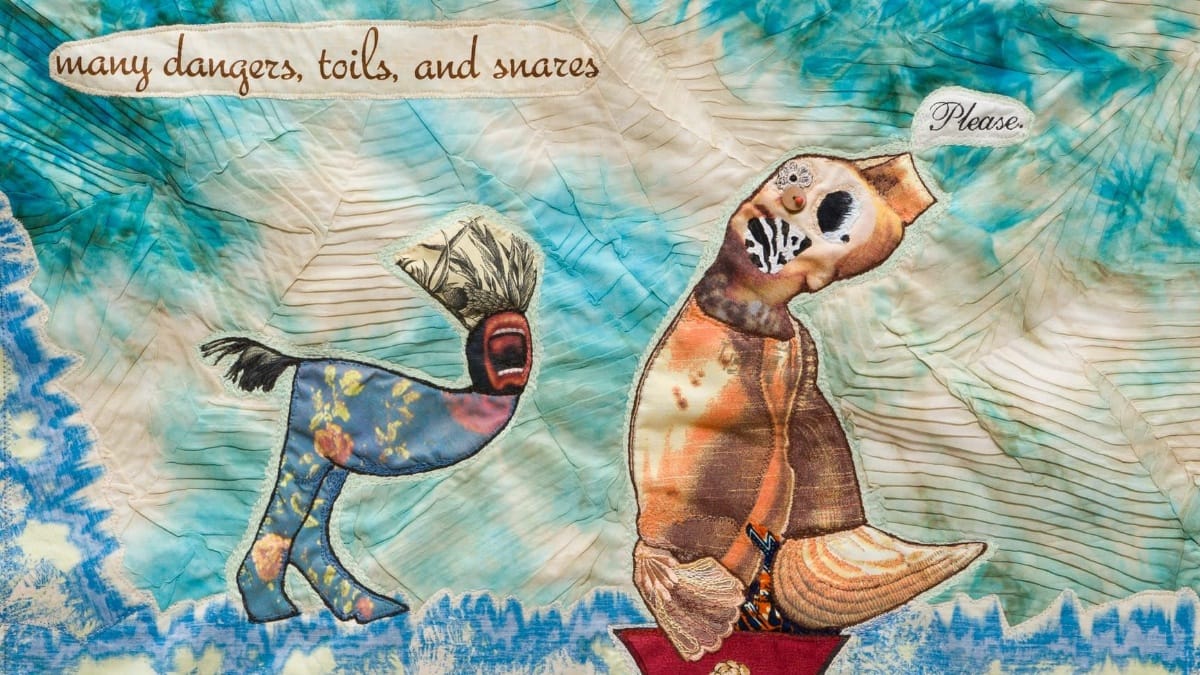
In a compelling exploration for Hyperallergic, Venezuelan writer Clara Maria Apostolatos examines how contemporary artists are reclaiming cartography as a medium for protest and personal narrative. By looking at the work of the late Venezuelan conceptualist Claudio Perna, Chicano artist Sandy Rodriguez, and Dominican-born artist Firelei Báez, we see a shift away from colonial-era geographical classification toward a more fluid, subjective, and political form of map-making.

Reimagining the Surface
The "counter-mapping" movement is not merely an aesthetic choice; it is a fundamental destabilization of the status quo. These artists utilize the map as a blank slate to overlay histories of displacement, migratory patterns, and the scars of interventionism. As the world grapples with the aftermath of recent natural disasters—particularly the devastating earthquakes that have highlighted the fraught politics of humanitarian aid in Latin America—these works gain a renewed sense of urgency. They ask the viewer: Who has the right to define the land? Whose stories are erased when a border is drawn? By subverting the "truth" of standard atlases, these artists force us to confront the realities of memory and power that standard cartography actively hides.
The Lionel Messi Phenomenon: An Unintended Monument
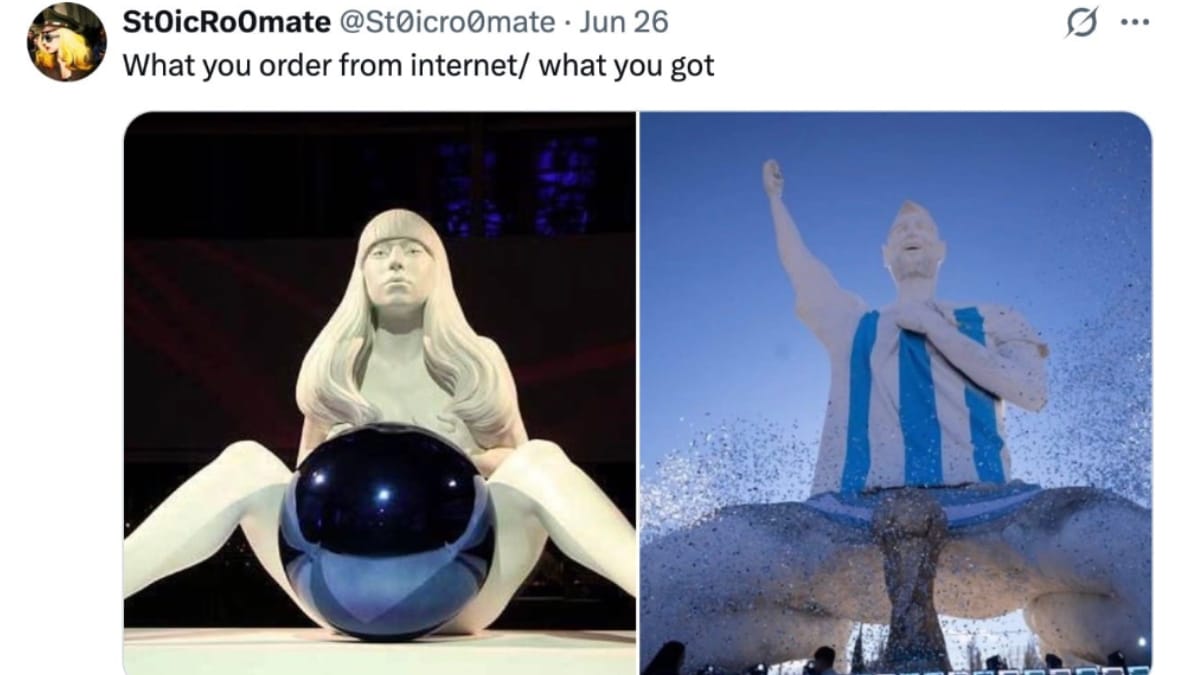
While the art world engages in high-minded theoretical debates, the public square is currently obsessed with something far more visceral: a massive, 85-foot-tall statue of soccer legend Lionel Messi in Argentina.
The Anatomy of a Viral Sculpture
The sculpture, intended to honor the beloved athlete, has become an instant international punchline due to its peculiar, arguably unintentional, phallic silhouette. The statue, which has dominated social media discourse, serves as a fascinating case study in the perils of monumental public art. When a work of art is meant to inspire national pride but instead triggers a deluge of memes, it reveals the tension between institutional intent and public interpretation.
As Staff Writer Rhea Nayyar noted, the discourse surrounding the sculpture has moved well beyond art criticism into the realm of digital folklore. It serves as a reminder that in the age of the internet, a public monument is no longer just a static object—it is a collaborative, and often comedic, project owned by the public.
Chronology of a Cultural Week
The past seven days have been marked by a series of events that oscillate between the solemn and the celebratory:
- Mid-Week: The launch of the "Counter-Mapping" discourse brings academic and artistic focus to the politics of geography, providing a necessary counterpoint to the news cycle’s focus on geopolitical crises.
- Thursday: The announcement of the closure of Nancy Shaver’s store in Upstate New York sends ripples of nostalgia through the artistic community, highlighting the fragility of physical spaces that serve as hubs for creative exchange.
- Friday: Upstate Art Weekend concludes, having successfully transformed unconventional spaces—ranging from rustic barns and stables to protest exhibitions composed entirely of chairs—into galleries.
- Saturday: Manhattan plays host to a sweltering, vibrant Pride March. Despite the heat and a climate of increasingly virulent anti-LGBTQ+ legislation across the United States, photographer Arielle Shannon documents the defiant, intimate joy of the community.
- Sunday: The debate over the Messi statue reaches its peak, demonstrating how public art can simultaneously embody national heroism and internet-age satire.
Supporting Data: The Value of Artistic Advocacy
The conversation around the arts extends beyond the gallery wall and into the halls of government. Recently, the debate surrounding "artist resale royalties"—a legislative effort to ensure creators receive a percentage of the profit when their work is resold—has gained traction.
The importance of this issue cannot be overstated. For many artists, the initial sale of a work is merely the beginning of its life. When a secondary market explodes, the original creator is often left behind. Advocates, including reader and contributor Jozanne Rabyor, have emphasized the necessity of grassroots lobbying. By writing to representatives like Marie Gluesenkamp Perez (D-WA), citizens are beginning to shift the needle. The data is clear: when constituents engage directly with their representatives on the importance of intellectual property rights for the creative class, the possibility for legislative progress increases significantly.
Official Responses and Public Sentiment
The intersection of politics and culture has left many institutions scrambling to address the needs of their communities. Regarding the closures of independent art spaces, stakeholders have noted that the "bricks and mortar" of the art world are as vital as the digital platforms that host them.
The sentiment surrounding the New York Pride March was one of resolute survival. In the face of legislative threats, the act of showing up in the streets is framed not just as a parade, but as a political demonstration of visibility. Meanwhile, in the realm of art history, the debate continues to rage regarding the legacy of Auguste Rodin and his complicated relationship with Camille Claudel. Archival investigations into whether Rodin "stole" from his collaborator continue to resonate, proving that our interest in the ethics of authorship is a timeless, evolving concern.
Implications: Where Does the Culture Go From Here?
The events of the past week underscore a fundamental truth about the arts: they are never isolated from the political or the personal.
- The Reclamation of Space: Whether it is the counter-mapping of the Americas or the transformation of a stable into an art gallery, there is a clear trend toward reclaiming space. We are moving away from passive consumption of "official" narratives and toward a more active, participatory, and often irreverent engagement with our environment.
- The Digital Feedback Loop: The viral nature of the Messi statue and the online mobilization for artist rights show that the digital sphere is the primary arbiter of cultural importance today. A statue is not "real" until it has been memed; a cause is not "effective" until it has been amplified by the digital community.
- The Necessity of Protest: The Pride March in New York was a poignant reminder that joy is, in itself, a form of resistance. When policies seek to marginalize, the cultural response must be to occupy public space with even greater intensity.
As we look toward the next week, the lessons of the past remain clear. We must continue to question the maps we are given, support the spaces that foster human connection, and remain vigilant in our advocacy for the rights of those who document our world. Whether through a solemn, thought-provoking exhibition on cartography or an absurd, 85-foot statue of a soccer legend, the ways in which we express our humanity continue to shape the world we inhabit.
The intersection of these narratives suggests a culture that is increasingly skeptical of authority, deeply protective of its creative spirit, and perpetually searching for new ways to define its own truth. As we navigate the complex geography of our current moment, it is the artists—those who map the unseen and the unsung—who remain our most vital guides.
 Basiran
 Muslim
 Evan Lee Salim
