

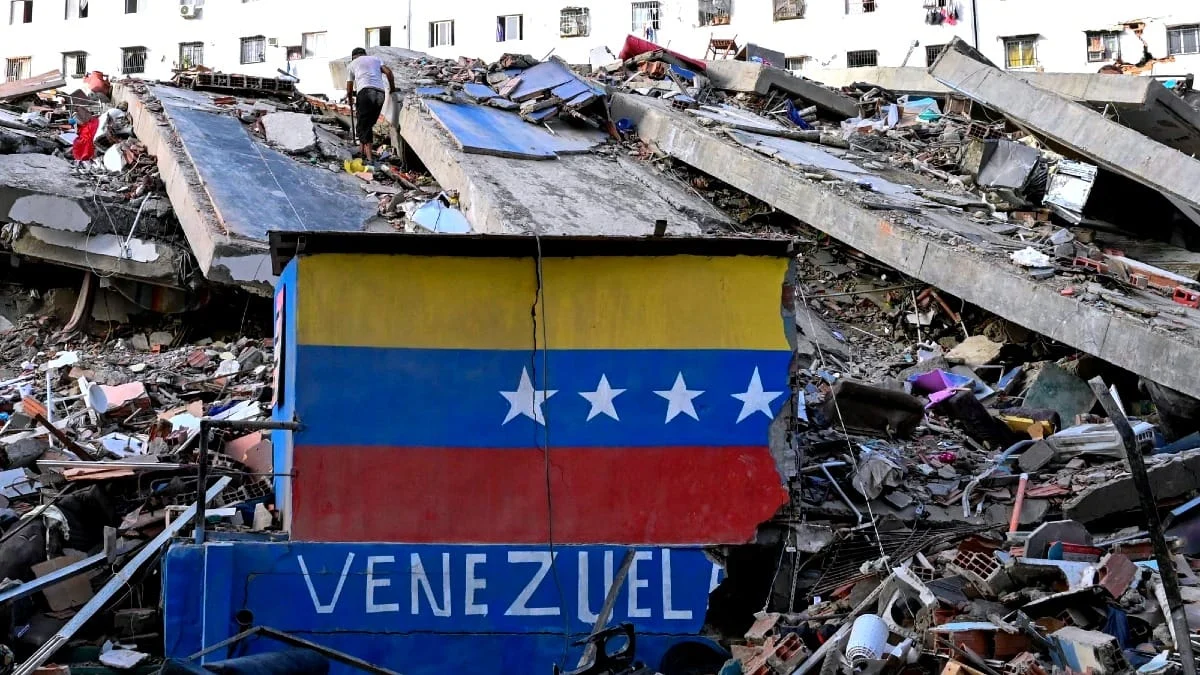
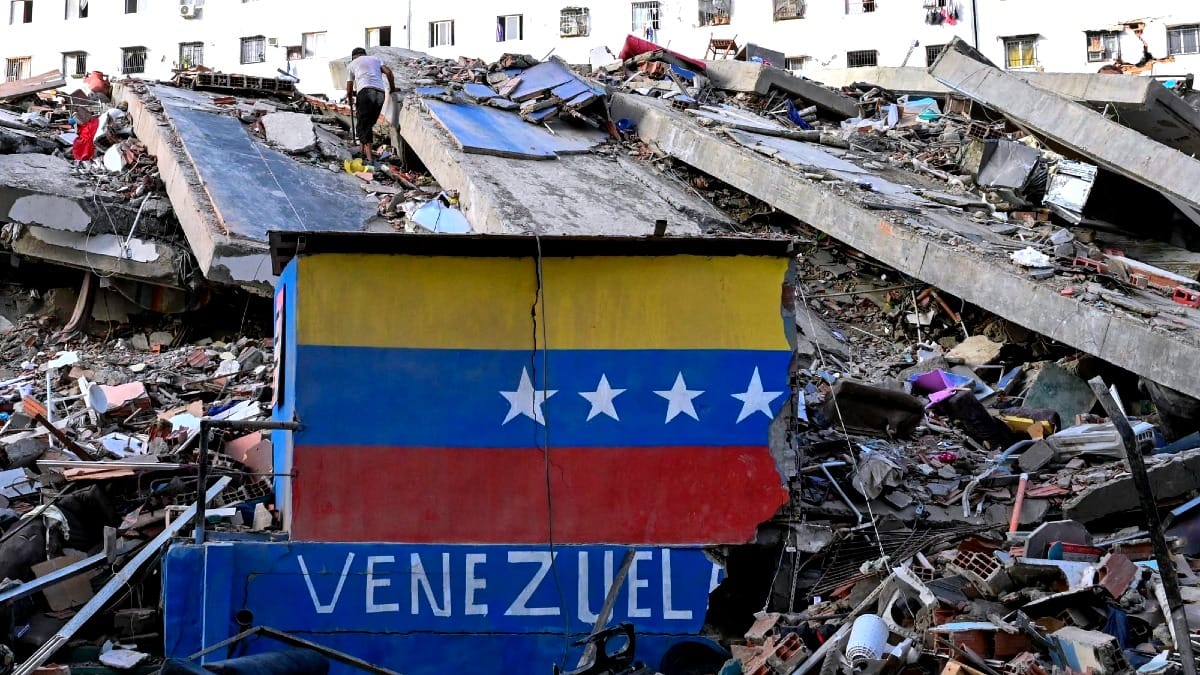
In the wake of a series of devastating earthquakes that have left more than 50,000 individuals missing and entire neighborhoods in ruins, Venezuela is grappling with an unprecedented humanitarian crisis. Amidst the chaos, the country’s vibrant art sector—an industry already strained by years of economic instability—has emerged as a vital pillar of grassroots recovery. While navigating their own profound personal losses, artists, curators, and cultural workers are mobilizing to provide essential aid, medical support, and psychological solace to their communities.
The Human Toll: A Chronology of the Disaster
The crisis began on the evening of June 24, when a powerful seismic event struck, followed by subsequent tremors that crippled infrastructure across several regions. For many, the night remains a blur of shattered glass and collapsing structures.
Gloria Blancato, an artist residing in the port city of Catia La Mar in La Guaira, vividly recalls the moment her life changed. "I was asleep when the first violent tremors hit," she recounted in a recent interview. The structural failure of her two-story building was instantaneous; window panes shattered into jagged shards across her bed, and the walls buckled inward. In a harrowing escape, Blancato managed to cling to a doorknob before navigating the debris to safety. Like thousands of others, she and her family have been forced to live in temporary outdoor encampments for the past week, struggling with physical injuries and the psychological weight of displacement. Her message to friends—"I love you, don’t forget me"—has become a poignant symbol of the collective trauma currently gripping the nation.

Supporting Data and Scale of Destruction
The scale of the disaster is staggering. Official reports estimate that upwards of 50,000 people remain unaccounted for, with search-and-rescue operations hampered by destroyed roads and communication outages. The destruction of cultural heritage sites, combined with the loss of private studios and galleries, has dealt a severe blow to the cultural fabric of Venezuela.
The economic impact on the arts is multifaceted. Many independent artists who relied on their studios as both workspaces and exhibition venues have seen their livelihoods literally demolished. Preliminary assessments suggest that the loss of physical art infrastructure is in the millions of dollars, though the "human capital" loss—the creative output and community cohesion provided by these individuals—is immeasurable.
The Role of the Arts in Humanitarian Recovery
While international aid efforts struggle to reach remote areas, the Venezuelan art community has pivoted its focus from creation to survival. This "artistic mobilization" includes:
- Logistical Support: Artists are utilizing their existing networks to source and distribute food, clean water, and medical supplies to marginalized communities.
- Fundraising: Through digital platforms and local auctions, artists are raising emergency funds to cover medical costs and funeral expenses for victims.
- Psychological First Aid: Recognizing the need for mental health support, creative practitioners are organizing art-therapy workshops for children in displaced-persons camps to help process the trauma of the earthquake.
"We are not just artists; we are neighbors, family members, and survivors," says one anonymous contributor to the rescue efforts. "Our art has always reflected the struggle of our people. Now, our actions must do the same."
Official Responses and Policy Shifts
The international community and local government bodies are under increasing pressure to address the shortfall in resources. In New York City, discussions regarding cultural funding have taken on a new urgency. Mayor Mamdani has recently unveiled a record budget for the NYC Department of Cultural Affairs. While this budgetary expansion is primarily intended for local institutional support, advocates are calling for a portion of such funds to be earmarked for global emergency relief, specifically to aid cultural sectors impacted by natural disasters.
Critics argue that the current global aid infrastructure is too bureaucratic to respond effectively to the specialized needs of displaced cultural workers. There is a growing demand for the creation of an international fund dedicated to the preservation of creative communities during humanitarian catastrophes.
Implications for the Global Art Market and Heritage
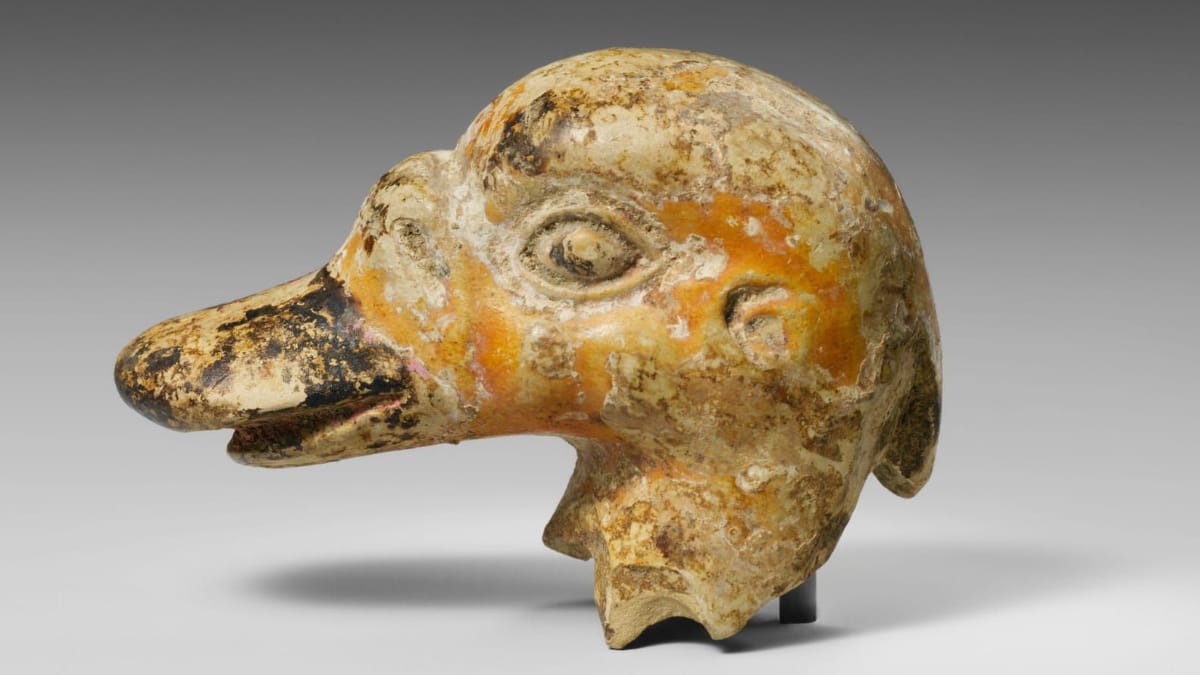
The destruction in Venezuela raises significant questions regarding the preservation of cultural heritage during periods of instability. The event follows recent developments in the international art world, such as the increased scrutiny of looted objects at institutions like the Metropolitan Museum of Art. As the total value of recovered and seized looted antiquities at the Met surpasses $95 million, experts are highlighting the importance of securing collections in volatile regions to prevent the secondary tragedy of looting during post-earthquake recovery.
The loss of influential figures—such as the recent passing of Venezuelan painter Onai Quiónez—serves as a somber reminder of the fragility of the cultural ecosystem. The industry is now entering a period of mourning and reflection, with tributes appearing in galleries across the globe.
Looking Forward: 10 Shows to See in Los Angeles
As the art world turns its gaze toward recovery, the calendar of upcoming exhibitions offers a space for reflection. In Los Angeles, the July schedule is packed with events that, while planned months in advance, now take on a new, more somber resonance. Visitors are encouraged to engage with works that deal with themes of displacement, memory, and the endurance of the human spirit. These exhibitions, ranging from abstract painting to multimedia installations, provide a necessary venue for audiences to contemplate the complexities of the current global condition.
From the Archive: Lessons in Resilience
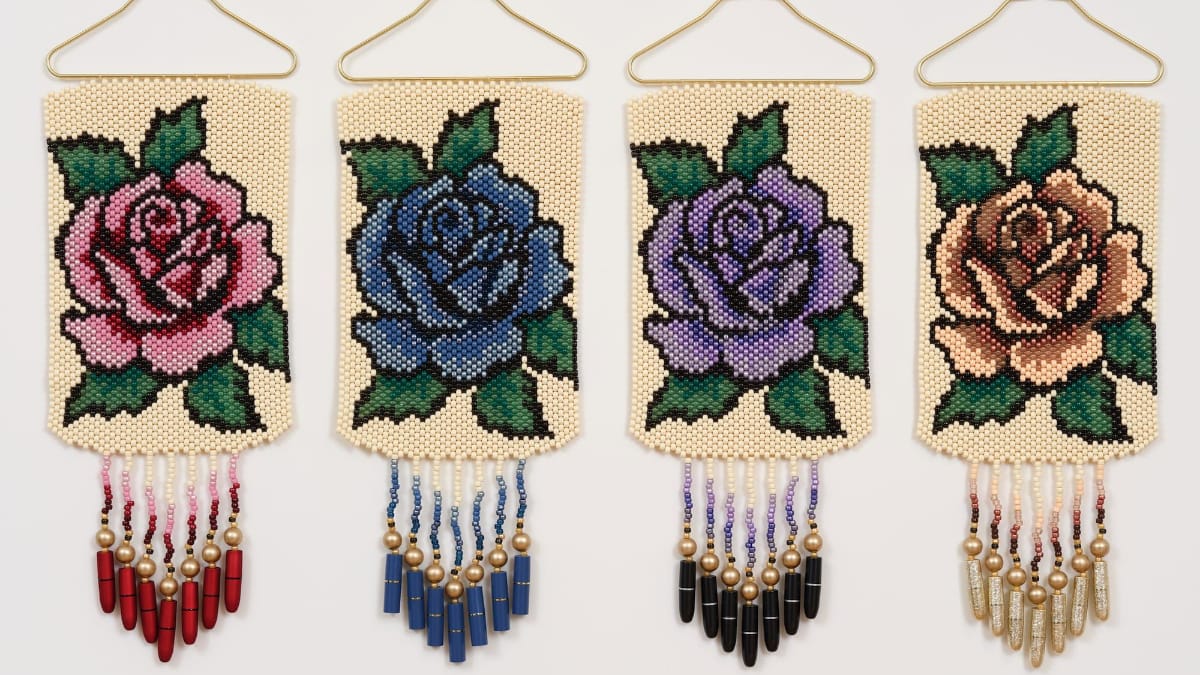
The current crisis mirrors historical struggles where artists have used their craft to combat media fatigue and political apathy. Archives from past initiatives, such as the work of stitch artist Diana Weymar, remind us that artistic expression is often the first line of defense against the numbing effects of large-scale disaster. By documenting their grief and their efforts, the artists of Venezuela are ensuring that their story is not merely a statistic, but a testament to human resilience.
As the international community continues to monitor the situation, the focus remains on the immediate needs of those on the ground. The artistic community of Venezuela has proven that even in the face of tectonic collapse, the impulse to create and to care for one another remains unbroken. Whether through the stitching of a quilt, the painting of a canvas, or the simple act of sharing a meal, these individuals are rebuilding their world, one piece at a time.
For those looking to support, the focus should remain on local, grassroots organizations that are working directly with families in La Guaira and other affected provinces. As we remember the lives lost, we must also support those who are currently, and courageously, navigating the debris to secure a future for their community.
 Basiran
 Muslim
 Evan Lee Salim
