

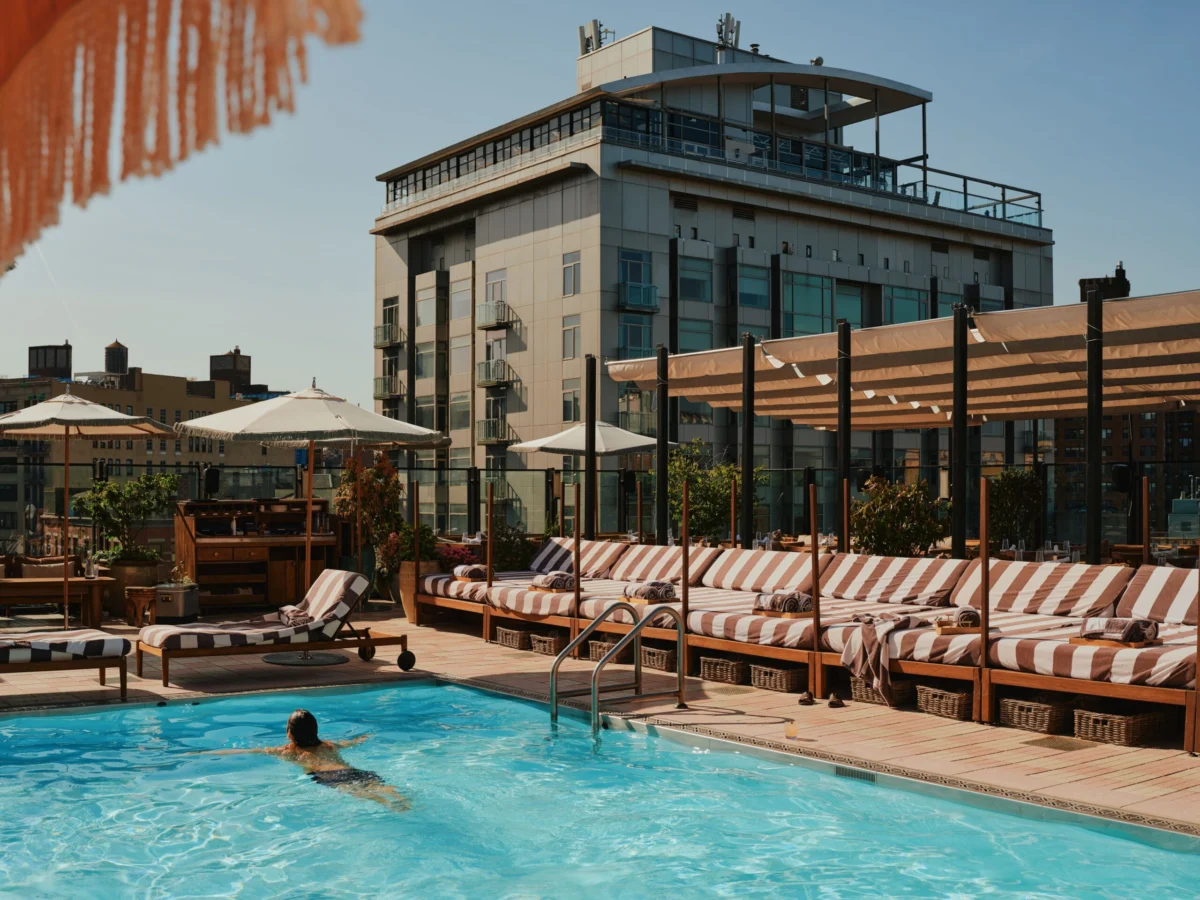
As the mercury rises and the asphalt of New York City begins to radiate an unrelenting, shimmering heat, the urban experience shifts from vibrant exploration to a desperate search for relief. For the millions of residents and visitors navigating the five boroughs during the peak of summer, an icy plunge into a pool is no longer a luxury—it is a physiological necessity. With climate patterns shifting and heat waves arriving with increased frequency and intensity, knowing how to access the city’s most exclusive, elevated swimming sanctuaries has evolved into a vital survival skill for the modern New Yorker.

The Evolution of Urban Escapism
For decades, the luxury of a hotel pool in New York was reserved strictly for the overnight guest. These bodies of water were the hidden gems of the skyline, perched atop skyscrapers or tucked into tranquil courtyards, serving as private retreats for the elite traveler. However, the post-pandemic hospitality landscape has undergone a radical transformation.

Hotels, recognizing a shift in consumer behavior and a desire for "micro-escapes," have increasingly opened their doors to locals through day-pass programs. Platforms like ResortPass have bridged the gap, transforming the hotel pool from an exclusive amenity into a bookable, accessible experience for anyone looking to trade the subway’s humidity for a poolside cocktail and a skyline view.

Chronology of the "Day-Pass" Trend
The democratization of the hotel pool did not happen overnight. Its growth follows a distinct timeline of luxury accessibility:
.jpeg)
- Pre-2015: Access was strictly gated. Non-guests were rarely permitted, and membership clubs (like Soho House) maintained rigid, invitation-only policies that reinforced the "exclusive" nature of urban swimming.
- 2016–2019: The rise of the "Experience Economy." Boutique hotels began experimenting with limited guest lists for pool parties, realizing that F&B (food and beverage) revenue from pool decks could rival room occupancy margins.
- 2020–2022: The Pandemic Shift. With international travel stalled, the "staycation" became the primary mode of tourism. Hotels leaned heavily into local marketing, formalizing day-access programs to maintain revenue streams.
- 2023–Present: The "Heat Wave Normalization." As NYC summers have grown consistently hotter, the demand for cooling infrastructure has surged. Programs like ResortPass have solidified their role as the primary intermediaries, providing a standardized, reliable booking process for the city’s top-tier pools.
Data Points: The Geography of Cool
When evaluating where to spend a summer day, the city offers a diverse range of environments. Data suggests that the preference for pool types in NYC is highly dependent on the neighborhood vibe:
.jpg)
- The Rockaway Hotel (Queens): Located just one block from the Atlantic, this destination caters to those who want the ocean breeze with the sophistication of a manicured pool deck. It remains a top choice for those seeking a "resort" feel without leaving the city limits.
- Dream Downtown (Manhattan): A staple of the Meatpacking District, the Dream’s pool is designed for the socialite. With its iconic porthole views and high-energy atmosphere, it attracts a younger, camera-ready demographic.
- Virgin Hotel NYC (Midtown): A relative newcomer, this property provides the "quintessential" NYC experience—swimming in the shadow of the Empire State Building. Its strategic location makes it the premier choice for tourists seeking the classic skyline aesthetic.
- The William Vale (Brooklyn): Located in Williamsburg, this pool is widely considered the epicenter of the "buzzy" scene. It bridges the gap between high-end luxury and the artsy, vibrant energy of North Brooklyn.
Official Industry Perspectives: The Business of Access
Hospitality experts note that the decision to open pools to the public is a calculated risk. A representative for a major luxury property in Manhattan, speaking on the condition of anonymity, explained:

"It’s a balancing act. You want the revenue from the day-pass guests, but you have to protect the serenity for the guests paying for an $800-a-night room. We monitor our ‘pool density’ via digital booking platforms. If we reach a certain capacity, the day passes are throttled. It’s about managing the ‘vibe’ as much as it is about managing the water chemistry."
-(1).jpg)
The surge in demand has forced hotels to professionalize their entry processes. What used to be a phone call to a concierge is now a streamlined, algorithmic process managed by third-party software.

Implications for the Modern New Yorker
The shift toward accessible hotel pools carries significant implications for urban planning and personal lifestyle management.

1. The "Heat-Island" Mitigation
As NYC continues to deal with the urban heat island effect, public infrastructure is often strained. The reliance on private hotel pools highlights a gap in public cooling facilities. While municipal pools are essential, the private sector is effectively providing a "premium" alternative for those willing to pay, essentially privatizing the cooling experience during extreme heat events.

2. The Rise of the "Micro-Stay"
The ability to book a cabana or a lounge chair for six hours is changing how New Yorkers view their time off. Instead of planning a full weekend trip to the Catskills or the Hamptons—which involves logistics, transit, and significant expense—residents are opting for "afternoon getaways." This shift is boosting revenue for hotel restaurants and bars, which often see increased spending from day-pass holders compared to standard hotel guests.
.jpg)
3. Social Stratification and the "Pool Divide"
It is impossible to ignore the cost. While day passes offer accessibility, they are not cheap. Prices can fluctuate wildly based on demand—spiking on sunny Saturdays and remaining more modest on Tuesday afternoons. This creates a tiered system of cooling access, where the most comfortable, well-staffed, and clean pools remain reserved for those with the disposable income to participate in the day-pass economy.

Practical Advice: How to Secure Your Spot
For those looking to navigate this landscape effectively, industry veterans offer three key pieces of advice:

- Book Early, Not Late: The most desirable pools (like those at the William Vale or the Virgin) often sell out their limited day-pass inventory days in advance, especially during heat advisories.
- Understand the "Fine Print": Many day passes do not include food or drink credits, and some do not guarantee a specific chair. Always verify if your reservation includes a reserved lounger or if it is "first-come, first-served."
- The "Call-Ahead" Rule: While platforms like ResortPass are excellent, they may not show the full availability of a hotel. A quick call to the front desk or the pool manager can often reveal "hidden" openings or allow you to join a waitlist for last-minute cancellations.
Conclusion: A New Way to Endure the Summer
The New York City summer is no longer just a season to be "survived" with portable fans and iced coffee. Through the evolution of hotel pool accessibility, the city has developed a sophisticated, albeit exclusive, way to stay cool. Whether you are seeking the high-energy social scene of Williamsburg or the quiet, elevated luxury of a Midtown rooftop, the infrastructure exists to transform the sweltering heat into an afternoon of leisure. As we look toward future summers, one thing is certain: the most valuable real estate in New York City will remain the patch of water that keeps you cool when the city hits its boiling point.
 Lina Hope
 rifanmuazin
 Layla Zulfa
