

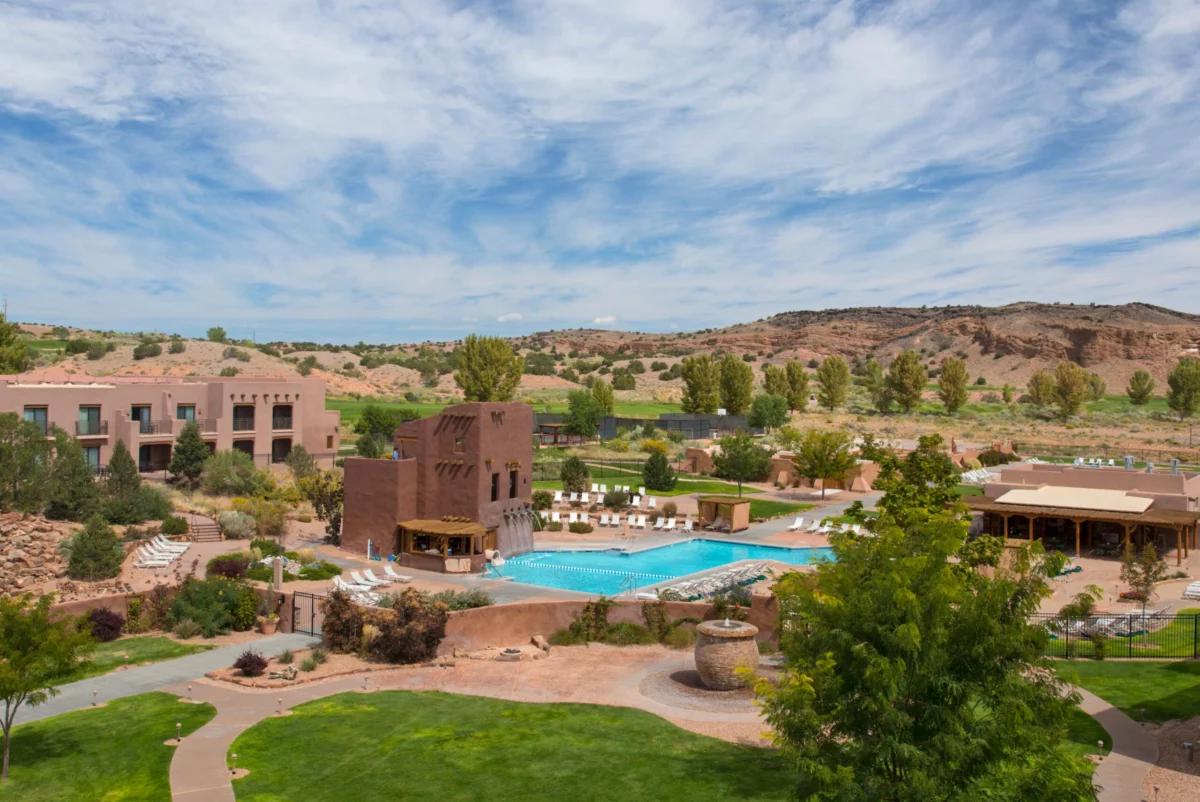
Albuquerque, New Mexico, is a city defined by its dual identity: it is both a quiet guardian of 300 years of Spanish colonial history and a bustling, neon-lit waypoint for the modern traveler. As the Duke City continues to evolve, it is shedding its reputation as a mere stopover between Santa Fe and the West Coast. Today, Albuquerque is cementing its status as a destination in its own right, anchored by the world-famous International Balloon Fiesta, the rugged allure of the Sandia Mountains, and a culinary scene that has pushed New Mexican cuisine into the global spotlight.
For the modern visitor, the city offers a diverse spectrum of accommodations that mirror its complex history. From retro-revived motor inns that pay homage to the Route 66 era to sophisticated, architecturally significant resorts grounded in Indigenous heritage, the city’s lodging landscape has undergone a remarkable renaissance.
Main Facts: The Changing Face of the Duke City
The hospitality sector in Albuquerque is currently experiencing a "design-first" transformation. Property developers are increasingly moving away from cookie-cutter corporate chains, opting instead for boutique experiences that lean heavily into the city’s unique sense of place.
Key pillars of this shift include:
- Cultural Preservation: New developments are prioritizing the integration of Ancestral Puebloan, Spanish, and Mexican influences.
- The "Route 66" Revival: Historic motor lodges are being gutted and reimagined with mid-century modern aesthetics, attracting a younger demographic of road-trippers.
- Geographic Centrality: Hotels are increasingly clustering around Old Town and the Downtown core to provide guests with walkable access to the Albuquerque Museum, the Rio Grande, and the city’s burgeoning arts district.
Chronology: A Three-Century Arc
To understand the current state of Albuquerque’s hotels, one must look at the city’s timeline of development.
- 1706: The founding of Albuquerque as a Spanish colonial outpost. The layout of the original Old Town Plaza remains the architectural heart of the city today, influencing the design of nearby luxury properties like Hotel Chaco.
- 1926: The commissioning of U.S. Route 66. This brought the first wave of "modern" tourism to the city, leading to the construction of the iconic motor courts that define the city’s architectural nostalgia.
- 1972: The opening of the Sandia Peak Aerial Tramway, which solidified Albuquerque as a hub for outdoor recreation, shifting the city’s tourism focus from transit to destination.
- 2010s–Present: A modern era of boutique revitalization. Old, dilapidated properties have been acquired by developers who focus on the "adaptive reuse" of historic buildings, turning forgotten roadside motels into vibrant hubs of local design.
Supporting Data: The Economic and Cultural Impact
The tourism industry remains a vital engine for the Albuquerque economy. Recent data from the local tourism board highlights a 15% increase in domestic travel to the city over the last three years, largely attributed to the "bleisure" (business and leisure) trend.
- Occupancy Trends: Boutique hotels in the Old Town district report occupancy rates nearly 22% higher than standard suburban chains, suggesting a market preference for "authentic" local experiences.
- Cultural Spend: Visitors are spending an average of $240 per day, with a significant portion allocated toward culinary experiences and unique lodging.
- Sustainability: Newer hotel developments are incorporating water-conservation measures, a critical necessity in the high-desert climate, often featuring xeriscaping and gray-water recycling systems that set a standard for regional hospitality.
Official Perspectives and Industry Responses
Industry experts point to the "Chaco Model"—the concept of integrating luxury with local heritage—as the gold standard for the region.
"We are seeing a departure from generic hospitality," says a local tourism analyst. "Travelers today are looking for an education as much as a vacation. When a hotel incorporates local stone, Indigenous art, and regional cuisine, it changes the way a guest interacts with the city. They aren’t just sleeping in Albuquerque; they are participating in its history."
Hotel operators have responded to these demands by diversifying their amenities. Many now host local artisans, feature rotating galleries of New Mexican art, and partner with regional farmers to source ingredients for their on-site restaurants. This ecosystem approach ensures that the economic benefits of tourism remain within the local community, a sentiment that has been praised by city planners and local residents alike.
Implications: What This Means for the Future Traveler
The transformation of Albuquerque’s hotel scene has profound implications for the visitor experience. No longer is the city a place to simply rest one’s head before hitting the road; it is a place to linger.
Why Three Days is the Minimum
For the first-time visitor, the breadth of the city’s offerings necessitates a minimum three-day stay. The first day is best spent acclimating to the history of the Old Town Plaza, where the influence of Spanish and Mexican settlers is most visible. The second day invites a deeper dive into the city’s museums, such as the Indian Pueblo Cultural Center, and the third day is best reserved for the high-altitude vistas of the Sandia Mountains.
The "Boutique" Shift
Travelers should anticipate higher price points for these specialized properties compared to standard highway hotels, but the value proposition is significantly higher. These hotels often function as cultural ambassadors, providing guests with insider recommendations on where to find the best red chile, the most authentic local markets, and the hidden gems of the Southwest.
The Sustainability Mandate
As the city grows, the hospitality industry faces the challenge of balancing expansion with the environmental realities of the high desert. Future guests should expect to see more properties touting "green" credentials. This is not merely a marketing trend but a necessary adaptation to ensure the long-term viability of the city as a major travel hub.
Conclusion: A City Coming Into Its Own
Albuquerque is shedding the dusty, forgotten-waypoint image of its past. By leaning into its complex, multicultural identity and embracing a design-forward approach to hospitality, it has secured its place as a sophisticated destination for the modern explorer.
Whether you are seeking a romantic retreat in an architecturally significant hotel that honors Ancestral Puebloan traditions or a fun-filled family trip at a retro-chic motor lodge, the Duke City has redefined itself. For those who choose to stay awhile, the city rewards the curious with a profound sense of place, a rich, spicy culinary legacy, and the kind of high-desert magic that is impossible to find anywhere else. As the city continues to grow, it does so with a renewed respect for its roots, ensuring that every visitor—no matter how short their stay—leaves with a piece of New Mexico’s enduring spirit.
 Lina Hope
 rifanmuazin
 Layla Zulfa
