

As the summer of 2026 unfolds, the intersections of political upheaval, artistic reinterpretation, and the fragility of our institutional infrastructure have come to the fore. From the sudden liberation of a prominent Cuban dissident to the contentious cinematic adaptation of antiquity’s greatest journey, this week’s developments offer a snapshot of a world grappling with its past, its physical endurance, and the transformative power of art.
The Liberation of Luis Manuel Otero Alcántara
The most significant news of the week concerns the status of Cuban dissident artist Luis Manuel Otero Alcántara. Following five years of confinement in a maximum-security prison outside Havana, the artist has officially been released. The circumstances surrounding his freedom were initially shrouded in mystery; for over a week following the expiration of his sentence on July 7, the artist’s whereabouts remained unknown to his supporters and the international community.
Chronology of the Crisis
Otero Alcántara, a founding member of the San Isidro Movement, had become a potent symbol of resistance against the Cuban government’s censorship of artistic expression. His arrest and subsequent sentencing sparked global outcry, with human rights organizations and art institutions demanding his immediate release.

- July 7, 2026: The official date of the conclusion of Otero Alcántara’s prison term.
- July 7–July 15, 2026: A period of profound anxiety as the artist was not released into public view, leading to fears of further detention or "disappearance."
- July 18, 2026: Otero Alcántara emerged in Miami, marking his formal transition into exile.
The implications of his move to the United States are profound. As an artist whose practice was deeply rooted in the political realities of life in Cuba, his shift from a domestic prison to an international platform of exile presents a new chapter for his work. It raises critical questions regarding the future of dissident art in the Cuban diaspora and how his creative practice will evolve outside the context of the environment he fought so hard to critique.
Institutional Fragility: Nature and History
While Otero Alcántara’s release marks a personal victory, other cultural institutions are currently battling the realities of physical and historical decay.
The New Museum’s Infrastructure Crisis
In New York, the New Museum has faced a public relations and operational challenge. Following recent flash floods, the museum’s recently renovated building experienced significant leaks. The incident highlights the vulnerability of contemporary gallery spaces to the increasingly volatile climate conditions in urban centers. As cultural institutions struggle to modernize, the preservation of art against the forces of nature remains a recurring, costly, and precarious challenge.
The Politics of History in Philadelphia
Simultaneously, the political landscape in the United States continues to exert pressure on historical narratives. A new display in Philadelphia, commissioned under the Trump administration, has drawn criticism for its presentation of George Washington. Critics argue that the exhibit offers a "rosy" and sanitized interpretation of Washington’s role as an enslaver, effectively minimizing the brutal realities of the period. This intervention into public history underscores the ongoing "culture wars" regarding how the American founding is remembered and taught.
A Homerist’s Critique: Christopher Nolan’s The Odyssey
Beyond the political and physical crises, the cultural sphere is currently fixated on Christopher Nolan’s 2026 cinematic adaptation of Homer’s The Odyssey. The film has sparked a rigorous debate among classicists and film critics alike.
The Challenge of Adaptation
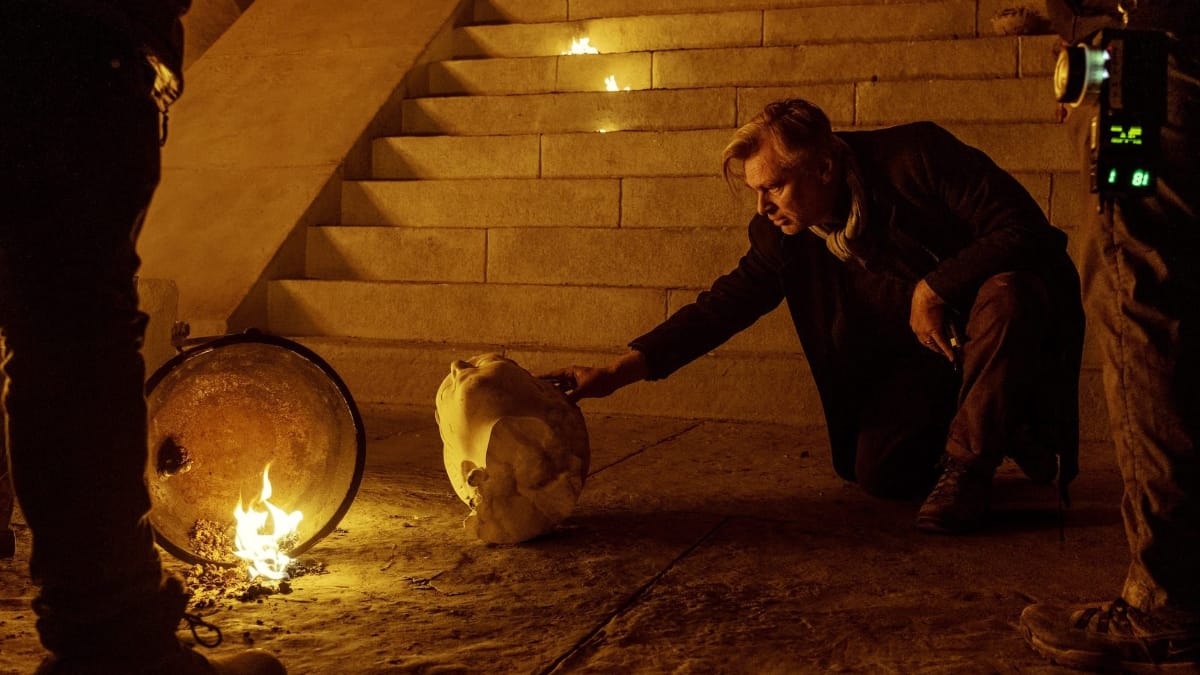
For those deeply embedded in the study of the Homeric epics, the film is a study in subtraction. Compressing 12,000 lines of verse into a three-hour window requires, by necessity, a drastic pruning of the narrative. A primary criticism from the academic community is the total excision of the Phaeacian episode, a sequence considered crucial to the poem’s thematic architecture. Furthermore, the film’s pacing—prioritizing the journey and flashback over the climactic homecoming on Ithaca—shifts the focus from the hero’s restoration to his isolation.
The Visceral Aesthetics of the Myth
Despite these structural departures, the film has been praised for its visceral approach to the material. One standout sequence involves the witch Circe, portrayed by Samantha Morton. In a masterful display of practical effects and psychological horror, the film depicts the transformation of Odysseus’s companions into swine. The camera tracks their descent from men into animals—a visual manifestation of the gluttony and lack of discipline that defines their downfall. It is a moment where Nolan’s signature clinical precision meets the primal, nightmarish qualities of Greek myth.
The Sunflower Effect: A Shift in Practice
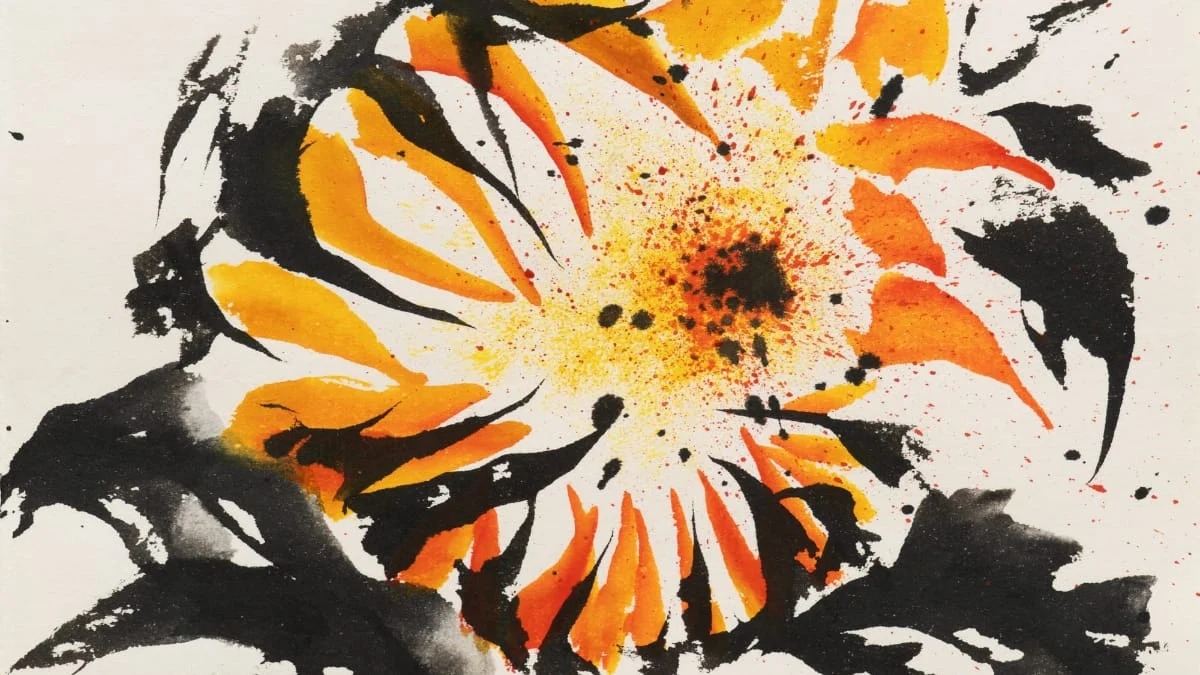
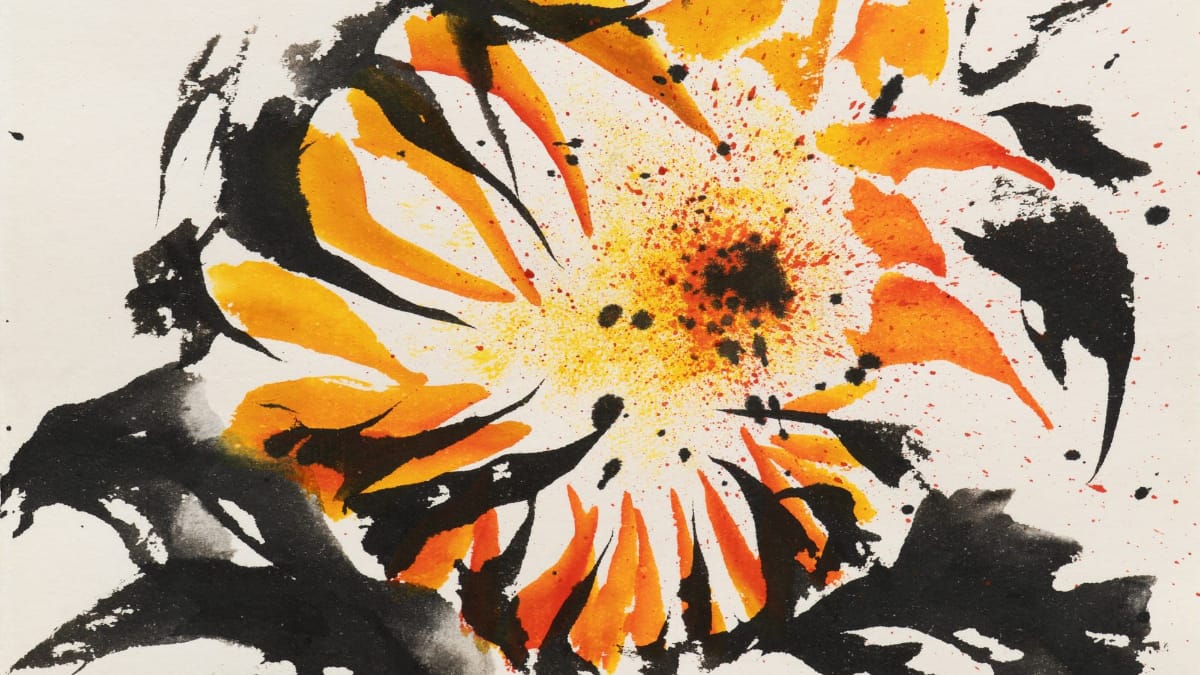
In the realm of contemporary painting, the work of artist Kyung-Me has recently garnered significant attention. As noted by critic John Yau, her current series of sunflower paintings marks a distinct pivot in her technical approach.
The paintings do not merely depict the flower; they act as a metaphor for the entropy of life. Yau observes that the works evolve from tightly rendered, blooming forms to a state of dissolution, where the paint begins to resemble the decay of the subject matter itself. This "sunflower effect"—a transition from the rigid and structured to the fluid and dying—serves as a poignant commentary on the ephemeral nature of beauty and the inevitable decay inherent in all living things.

From the Archive: The Myth of the Roman Bath
Looking back to the roots of Western culture, historian Sarah Bond has reignited a debate regarding the decline of public life in the late Roman Empire. Her research contests the long-held myth that the disappearance of Roman baths was primarily driven by Christian opposition to public nudity.
Instead, her findings suggest that the decline was more complex, tied to shifts in water infrastructure, economic decline, and changing social habits that had little to do with religious dogma. This serves as a reminder that the narratives we construct about the past—whether about ancient Rome or the early days of a new political administration—are often colored by the anxieties of our own era.
Summary and Implications
The convergence of these events suggests a common theme: the instability of the systems we rely on. Whether it is the political instability that forces a dissident into exile, the structural instability of an art museum failing during a storm, or the narrative instability of a blockbuster film adapting an ancient text, we are currently living through a period where the foundations—physical, historical, and intellectual—are being tested.
The exile of Luis Manuel Otero Alcántara reminds us that the fight for creative freedom is never static. The controversies at the New Museum and the Philadelphia displays remind us that the physical and historical spaces we inhabit are subject to the dual pressures of climate change and political revisionism. And finally, the discourse surrounding The Odyssey and the painting of Kyung-Me proves that we continue to look to art to help us make sense of our place in a world that is, by its very nature, in a state of constant, often chaotic, flux.
As we move deeper into the summer, these stories will likely continue to resonate, reminding us that in art, as in history, the most enduring truths are often found in what we choose to preserve, what we choose to cut, and what we choose to remember.
For further exploration of these topics, please visit the links provided in our original archive and continue to follow our daily updates for in-depth analysis of the intersection between culture, policy, and human expression.
 Asro
Asro
 Jia Lissa
 Nana Wu
