

In the lush, evergreen landscape of Seattle, Washington, a new kind of urban icon has emerged from the shadows of the Ballard neighborhood. He is not a tech mogul, a grunge legend, or a local politician. He is a raccoon—specifically, a short-spined raccoon named "Jimothy." With a spherical, compact silhouette that defies the typical lanky anatomy of his species, Jimothy has transcended his status as a local scavenger to become a viral sensation, a muse for the Pacific Northwest’s creative community, and, unexpectedly, a powerful symbol of disability pride.
The Anatomy of an Icon: Understanding Short Spine Syndrome
Jimothy first captured the public’s imagination after a video of him navigating a Ballard residential yard went viral in mid-July 2026. Viewers were immediately struck by his unique morphology: a severely compressed spinal column that leaves him with a truncated torso, a minimal neck, and a shortened tail.
This condition, known as "short spine syndrome," is a rare congenital birth defect occurring when spinal vertebrae fail to separate correctly during fetal development. While the condition has been documented in various domestic animals—with several "short-spine" dogs, such as the famous Quasimodo, gaining social media fame for their resilient spirits—Jimothy represents a unique case in the wild. Unlike domestic animals that receive constant human care, Jimothy is thriving in an urban environment entirely on his own. He exhibits the classic behaviors of an urban raccoon: he climbs fences, scavenges with agility, and maneuvers through tight urban gaps, all while appearing to be completely free of pain or distress.
To the casual observer, Jimothy’s appearance is "sickeningly cute," a term often used in online discourse to describe his unconventional, pom-pom-like physique. To biologists and residents alike, he is a fascinating example of biological adaptation, a living, breathing testament to nature’s capacity for variety.

Chronology of a Phenomenon
The rise of Jimothy was swift, characteristic of the modern digital era.
- Mid-July 2026: Initial sightings occur in the Ballard neighborhood. A video of the raccoon walking along a sidewalk is uploaded to social media, triggering an immediate and overwhelming reaction.
- July 18-20, 2026: The clip proliferates across platforms, leading to international media coverage. Jimothy becomes a household name in Seattle.
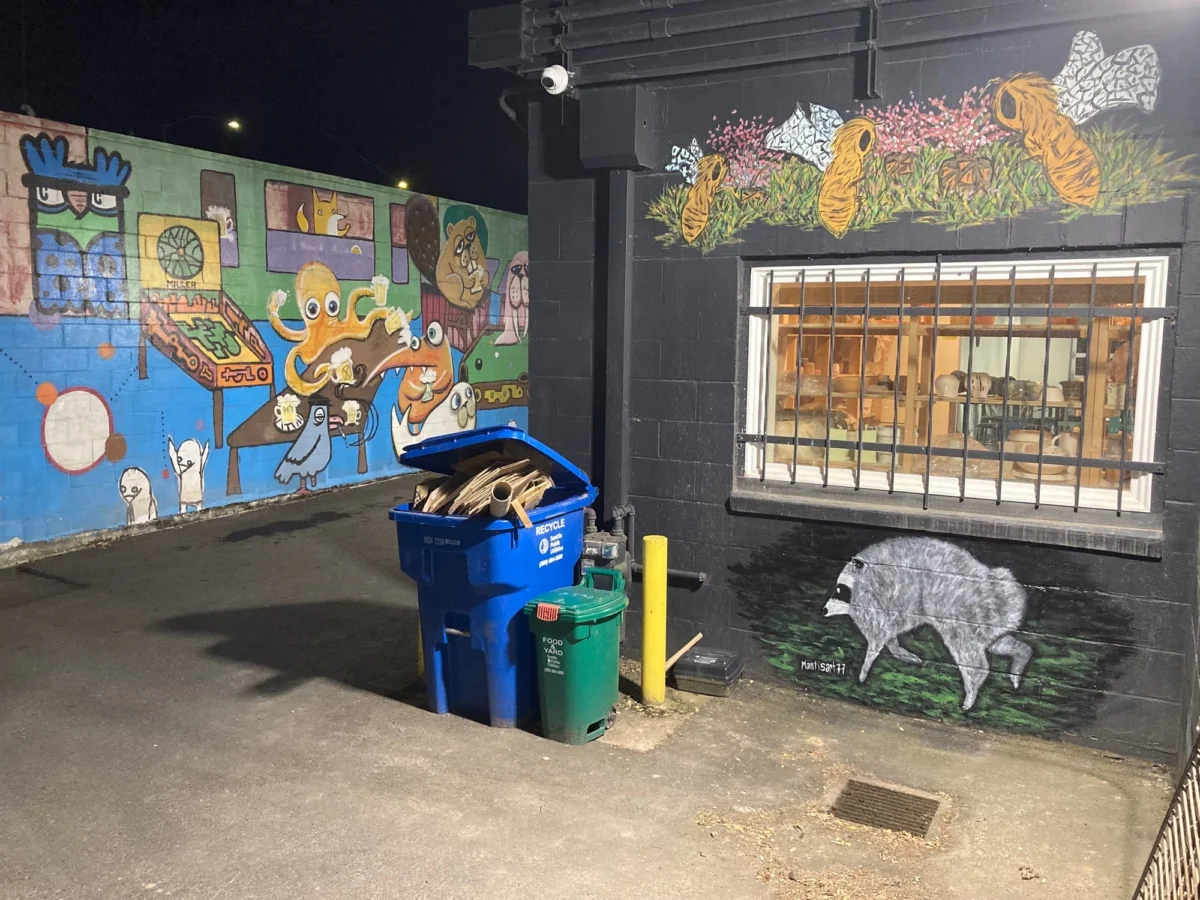
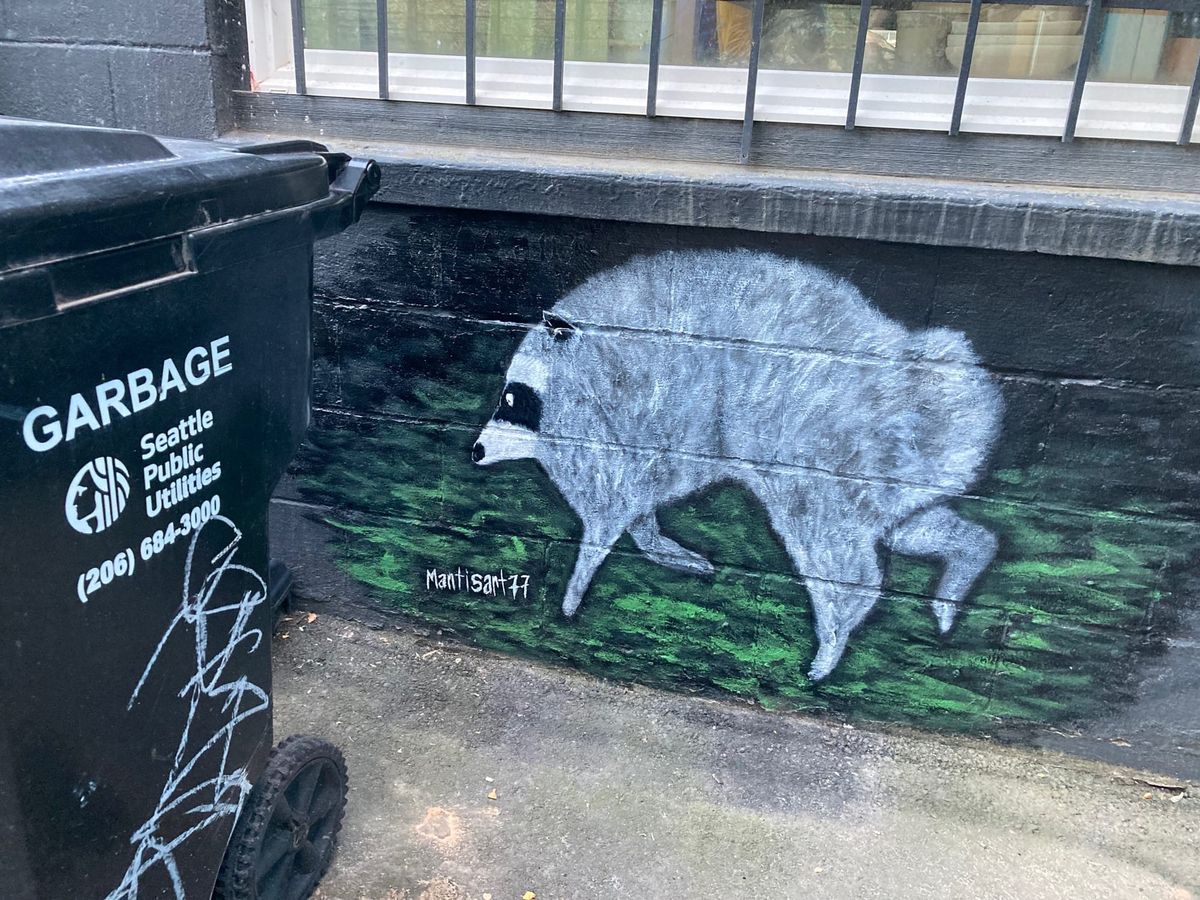
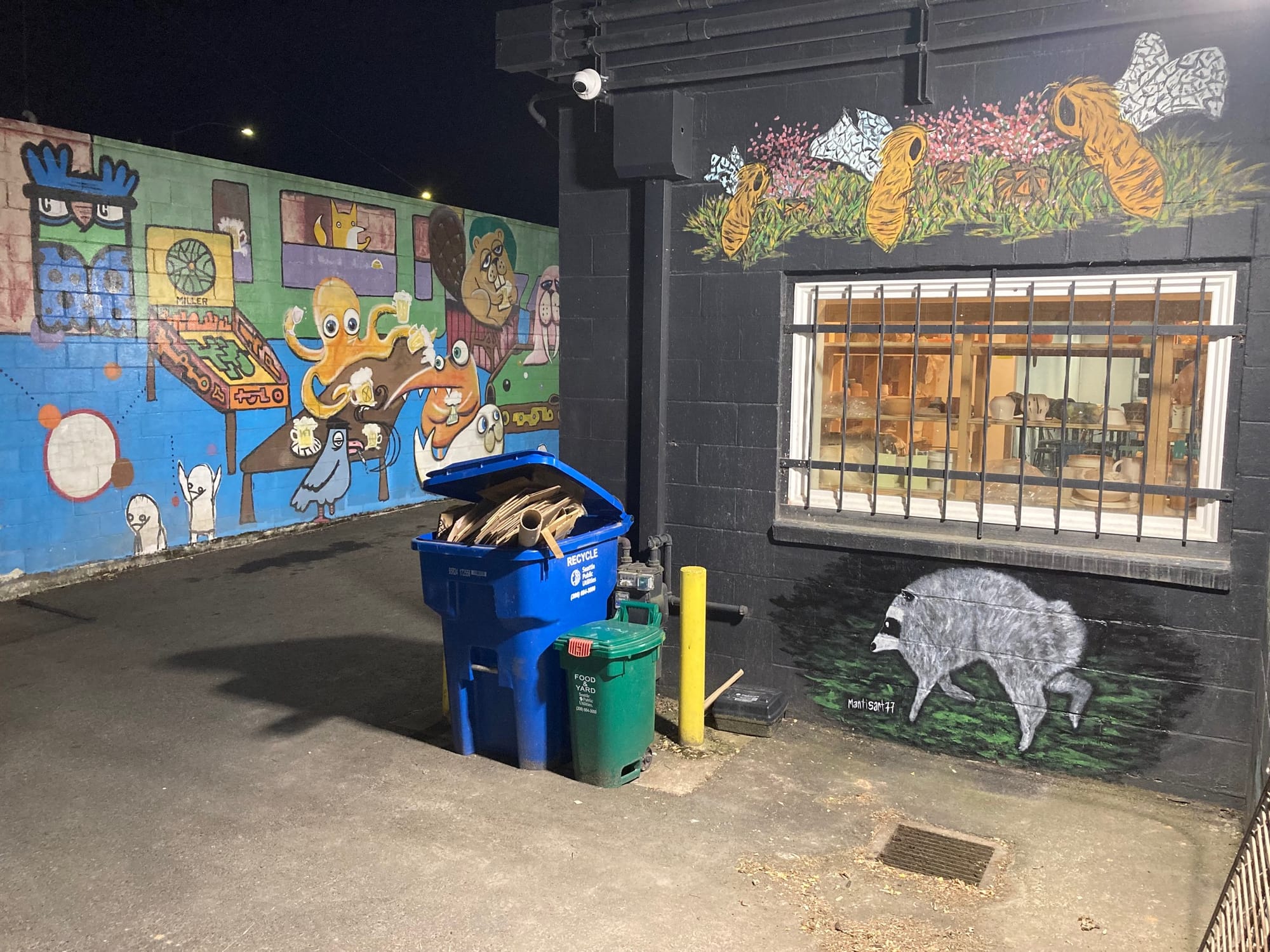
- July 21, 2026: Local artist Andrew Miller immortalizes the raccoon with a mural on the exterior of the Ballard Clay pottery studio, a site where the raccoon was frequently spotted.
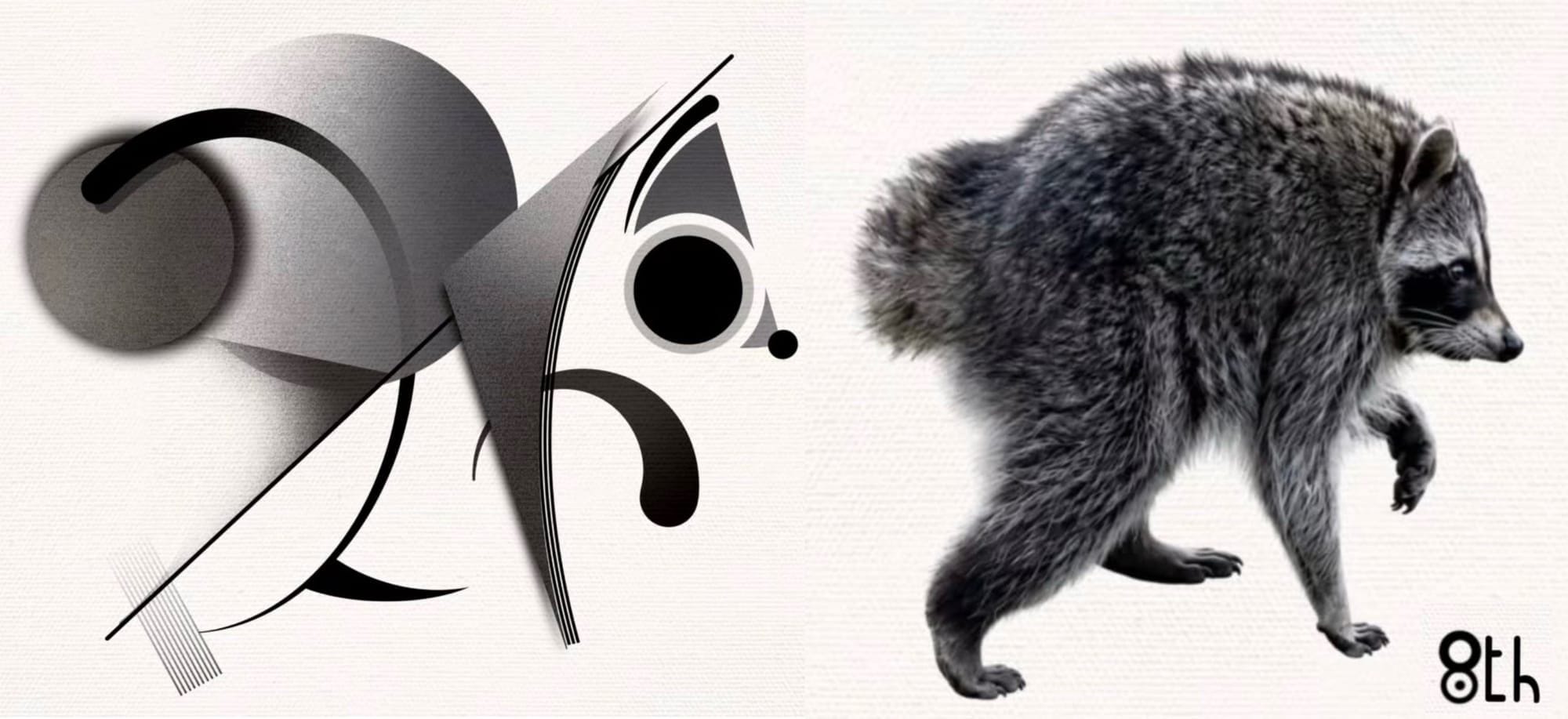
- July 22, 2026: The trend reaches a fever pitch as local businesses, sports teams, and digital artists begin creating fan art, ranging from Russian Suprematist-style illustrations to commemorative tattoos.
- July 26, 2026: Seattle City Councilmember Alexis Mercedes Rinck announces an official city proclamation designating the remainder of the summer as "Jimothy Summer."
Supporting Data: The Economic and Cultural Impact
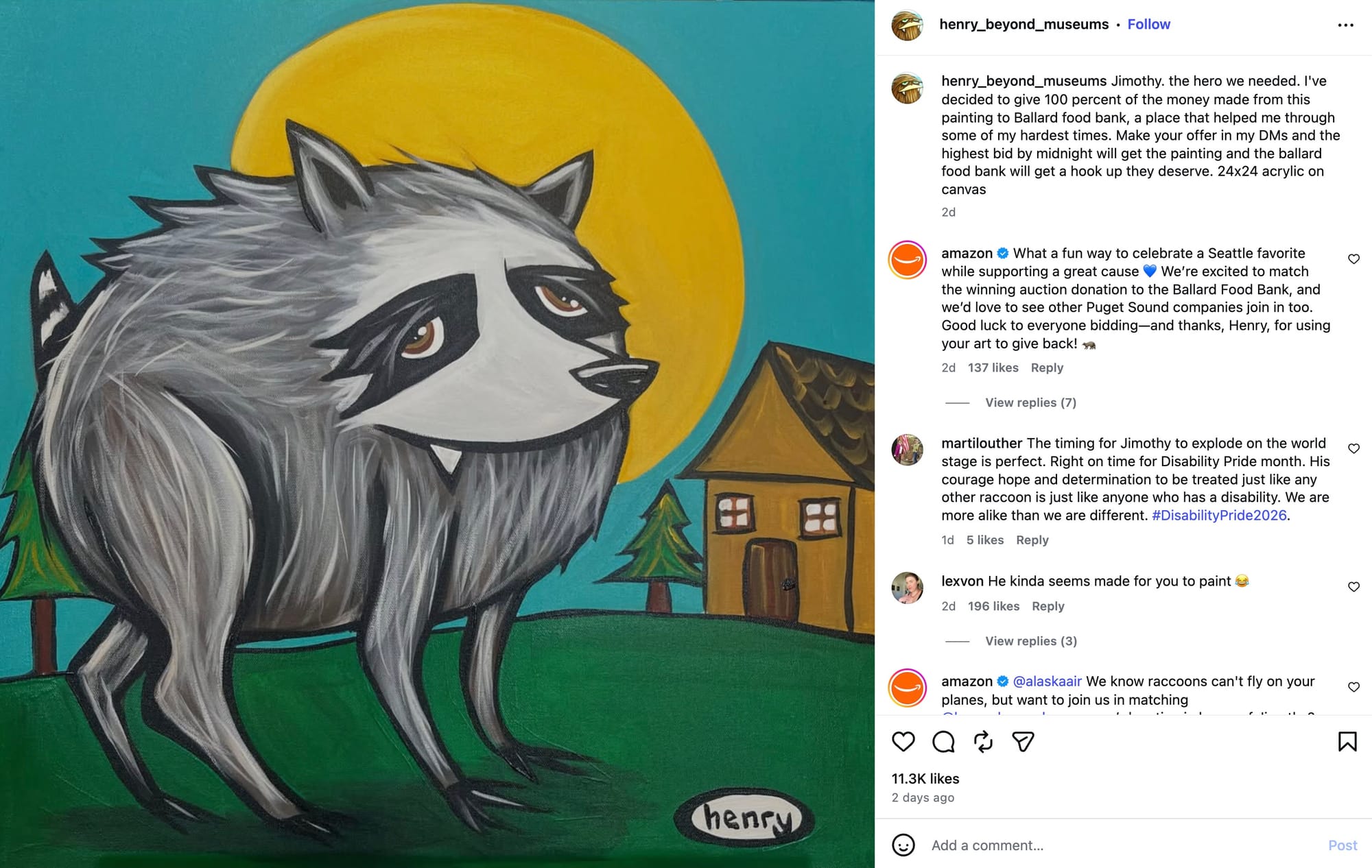
The "Jimothy Effect" has generated more than just viral memes; it has fueled genuine charitable contributions. When local muralist and painter Ryan Henry Ward auctioned off a portrait of Jimothy, the bidding war was fierce, concluding with a winning bid of $6,543.21. In a remarkable display of civic solidarity, this act prompted corporate giants including Amazon, Alaska Air, and T-Mobile to match the donation, with all proceeds directed to the Ballard Food Bank.
This economic ripple effect highlights a broader trend: the "Moo Deng and Pesto" effect. Much like the viral pygmy hippo Moo Deng or Pesto the king penguin, Jimothy has become a canvas for human projection. However, the discourse surrounding Jimothy has taken a more profound turn than previous viral animal phenomena, shifting from pure aesthetic appreciation toward a genuine dialogue on disability rights and inclusivity.
Official Responses and Public Safety
While the city has embraced the raccoon as an unofficial mascot, local authorities have issued firm reminders regarding the ethics of engaging with wildlife. The Washington Department of Fish and Wildlife (WDFW) has released statements urging the public to maintain a "respectful distance."
"Jimothy is a wild animal," officials reiterated, noting that while his fame is unprecedented, his needs remain those of any other raccoon. The WDFW guidelines are clear:
- Do not feed: Supplemental feeding disrupts natural foraging and can lead to dangerous human-wildlife conflict.
- Do not approach or follow: Human interference causes unnecessary stress to wild animals.
- Do not touch: Regardless of how docile or "cute" he appears, Jimothy is a wild creature that should be allowed to exist in his natural habitat without the intrusion of human paparazzi.
These warnings are balanced against the affection the community holds for him. The challenge for Seattleites is to celebrate Jimothy as an icon without turning him into a sideshow.
Implications: Disability Pride and Advocacy
The timing of Jimothy’s rise coincides perfectly with Disability Pride Month, a fact not lost on activists. For many, Jimothy has become an unintentional mascot for the disability community, representing a narrative of "thriving as is" rather than "overcoming" a condition for the benefit of able-bodied observers.
Artists and disability advocates have utilized the fervor surrounding the raccoon to draw attention to legislative threats, specifically the ongoing challenges to Section 504 of the Rehabilitation Act. This landmark legislation mandates that entities receiving federal funding must provide equal access and integrated settings for individuals with disabilities. As several states move to challenge these protections, advocates are calling on Jimothy’s fans to channel their "Jimothy-love" into political advocacy.
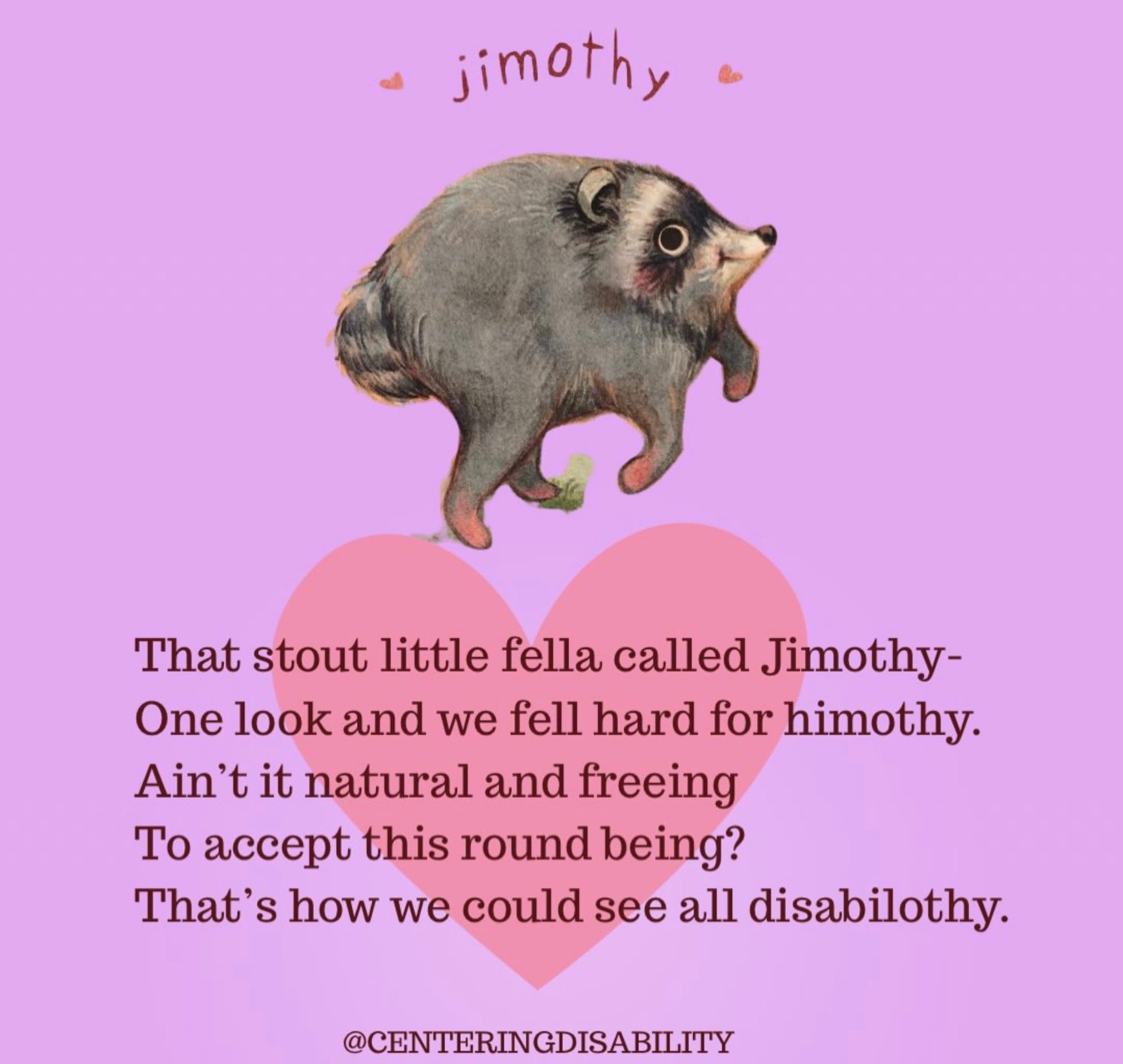
"The fervor we show for a short-spined raccoon should be the same energy we bring to protecting the rights of our disabled neighbors," noted one local activist on social media. The imagery of Jimothy—jaunting across a fence, living a full life despite anatomical differences—has become a potent metaphor for the necessity of accessibility and the inherent value of diverse body types.
The "Jimothy Summer" Legacy
As Seattle prepares for the official "Jimothy Summer" proclamation, the raccoon’s legacy is already secured. He has forced a city—and a global audience—to look at something "different" and see not a deficiency, but a character.
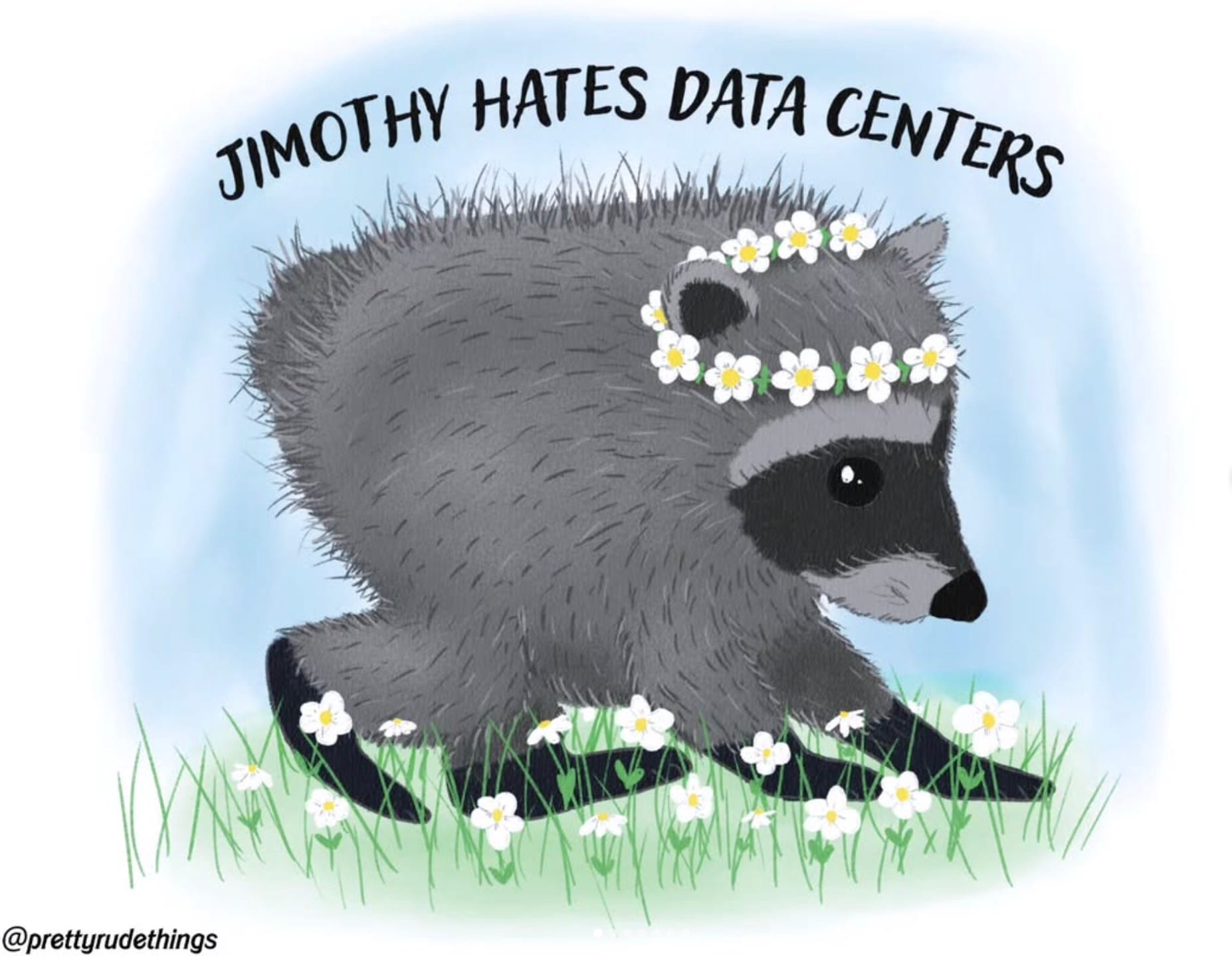
Jimothy serves as a reminder that the world is filled with individuals who navigate environments built for others, and that there is strength in existing authentically. Whether he is stealing scraps behind a pottery studio or wandering through the quiet, rainy streets of Ballard, Jimothy remains entirely unbothered by his fame. He is a creature of the moment, a symbol of the misfit, and a testament to the resilience that exists in the most unexpected of places.
As the summer continues, the people of Seattle have been tasked with a simple, yet vital responsibility: continue to celebrate the spirit of Jimothy, advocate for the rights of those who face systemic barriers, and, above all, keep their distance. Let the raccoon be a raccoon. Let the icon be wild. And let the spirit of Jimothy serve as a lasting reminder that being different is not just a condition—it is a way of life.
 Asro
Asro
 Jia Lissa
 Nana Wu
