

In an era defined by a relentless and often overwhelming news cycle, the role of art—and the discourse surrounding it—has become an essential sanctuary for reflection and resistance. This week’s cultural landscape is marked by a poignant blend of deeply personal political expression, the ongoing struggle for labor rights within prestigious institutions, and the unexpected ways in which digital communities coalesce around collective joy. From the evocative, flower-laden canvases of Sabri Sundos to the contentious administrative shifts at the Art Institute of Chicago, this report examines the stories shaping the art world today.
I. Sabri Sundos: Weaving Memory and Resistance
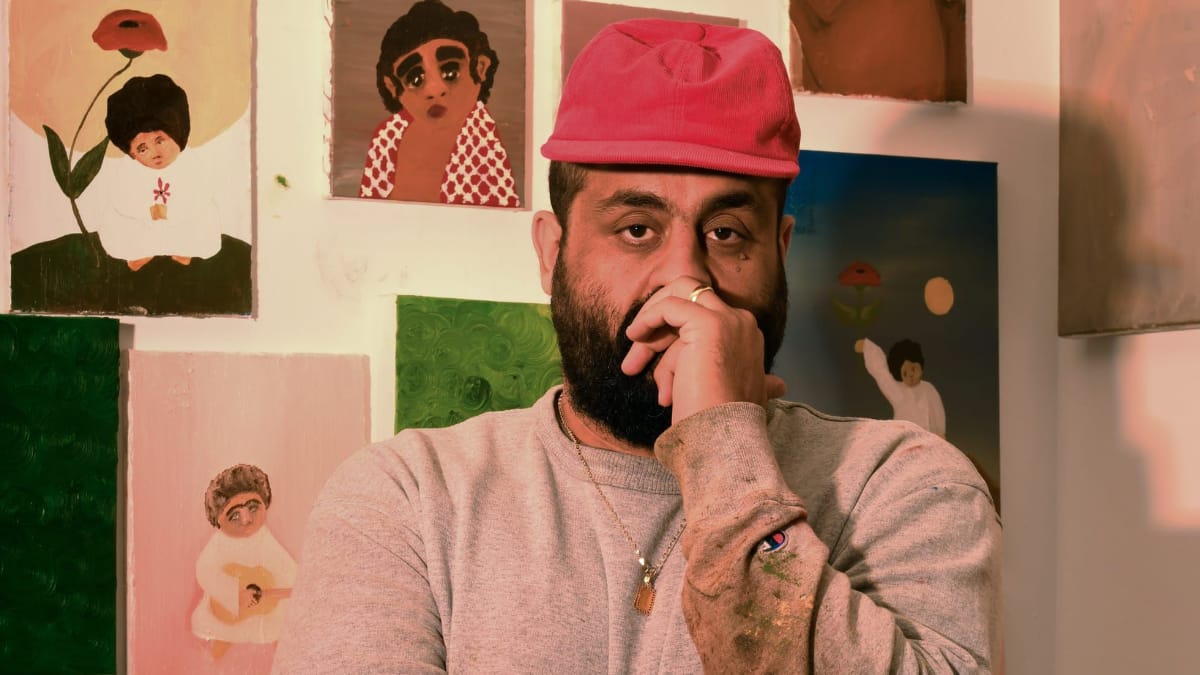
Palestinian-American artist Sabri Sundos has emerged as a vital voice in contemporary art, bridging the gap between personal grief and communal history. His current solo exhibition, Chasing Flowers, hosted at the Fisk Gallery in Portland, Oregon, serves as an expansive exploration of Palestinian diasporic identity.
The Evolution of a Practice
Sundos’s trajectory into the fine arts is a testament to the fluidity of creative expression. Before he was a painter, he was a musician. For years, he occupied the stages of the independent music scene, touring and performing until a serendipitous creative pivot occurred in 2018. While designing the cover for one of his own albums, he rediscovered a latent passion for visual arts.

Today, that passion has matured into a sophisticated practice that fuses traditional tatreez (Palestinian embroidery) with contemporary painting. As Samantha Jensen reports for Hyperallergic, Sundos does not merely paint portraits; he "finds" them. His figures are often framed by floral motifs—elements he describes as "the one thing in the world that is just there to make things beautiful." This insistence on beauty is not a rejection of reality, but a strategic act of resistance against the erasure of Palestinian identity. Through his work, Sundos invites the viewer into a space where sorrow and beauty coexist, providing a visual love letter to a diaspora navigating the complexities of displacement and memory.
II. Labor Unrest at the Art Institute of Chicago
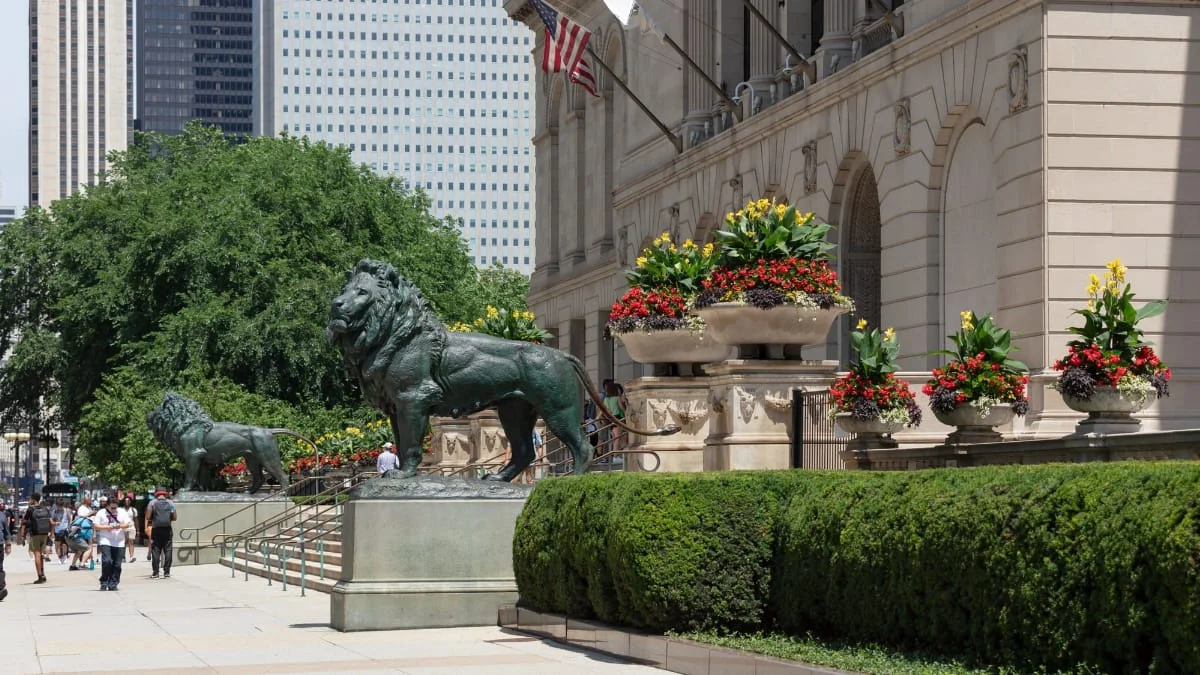
While the art world celebrates individual expression, it faces systemic tensions regarding the treatment of those who maintain the very spaces where that art resides. The Art Institute of Chicago (AIC) recently announced a controversial decision to transition its entire custodial team to an independent contractor.
The Chronology of the Dispute
The announcement, which arrived as a shock to the museum’s workforce, has drawn immediate and fierce condemnation from union representatives. The custodial staff, who play an integral role in the day-to-day operation and preservation of the museum’s world-class facilities, now face the prospect of job insecurity and the potential loss of union benefits.
Implications for Museum Labor
The decision to outsource essential labor is a trend that has plagued the cultural sector for years, often under the guise of "operational efficiency." However, labor activists argue that this move compromises the integrity of the institution. By shifting staff to a third-party contractor, the AIC creates a fragmented workplace, distancing the administration from the people who keep its halls pristine. The outcry from the union is not merely about wages or benefits; it is about the dehumanization of essential workers within an institution that prides itself on humanistic values.
III. The Cultural Phenomenon of "Jimothy" the Raccoon
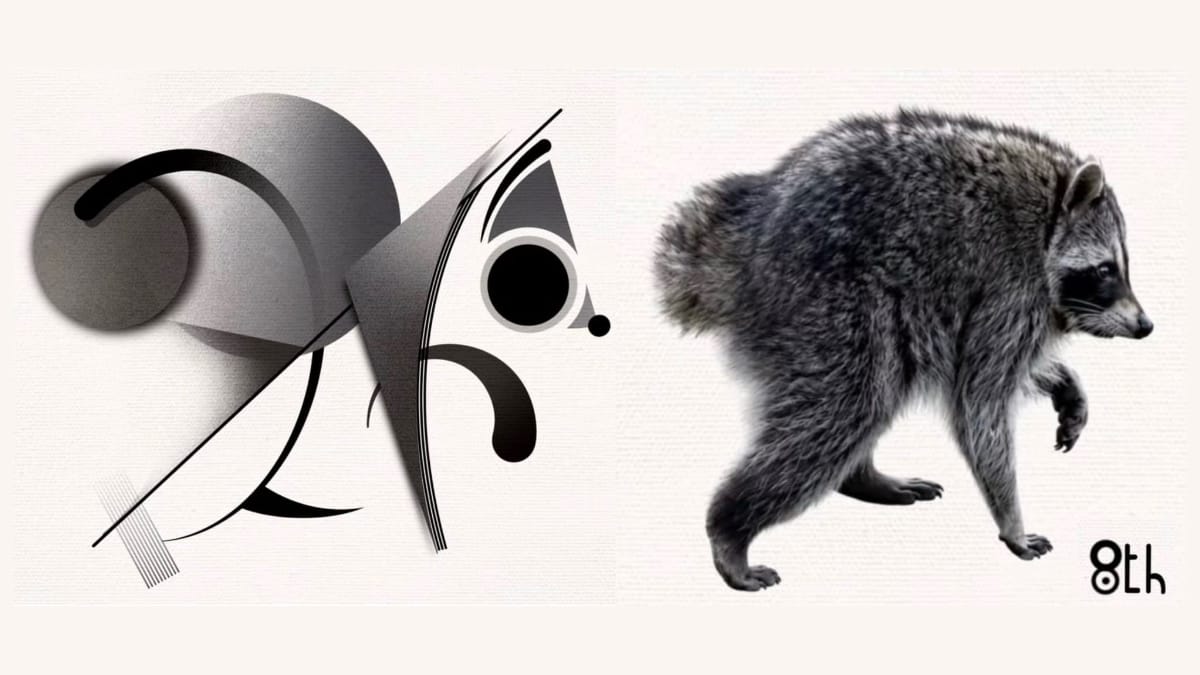
In a landscape often dominated by heavy news, the digital sphere has provided an unlikely source of unity: the story of Jimothy, a raccoon from Seattle. What began as a local curiosity transformed into a widespread internet phenomenon, serving as a strange, comedic relief for a weary public.
The Role of Collective Levity
Staff Writer Rhea Nayyar has curated a deep dive into the memes, fan art, and social media discourse surrounding Jimothy. The fascination with the raccoon reflects a broader human need for "micro-joys" during periods of global stress. In the context of the current news cycle, Jimothy represents the "misfit" archetype, an underdog whose brief, viral fame provided a temporary, shared language of humor. This phenomenon underscores the power of social media to foster communal connection, even when the subject matter is as trivial as an urban animal.
IV. From the Archive: Helen Levitt’s New York
While the news cycle moves quickly, the importance of historical documentation remains constant. A new literary and visual exploration of Helen Levitt’s 1940s New York photography has garnered critical attention. Levitt, renowned for her uncanny ability to capture the "poetry" of the everyday, remains a master of the candid moment.
Her work provides a vital counterpoint to the more polished, commercial aesthetics of mid-20th-century photography. By focusing on the children, the alleyways, and the quiet interactions of New Yorkers, Levitt elevated the mundane to the level of high art. Her legacy reminds us that history is not just found in the halls of power, but in the lived, improvised experiences of the people on the street.
V. Supporting Data and Professional Perspective
The interplay between these stories highlights the multifaceted nature of the cultural sector.
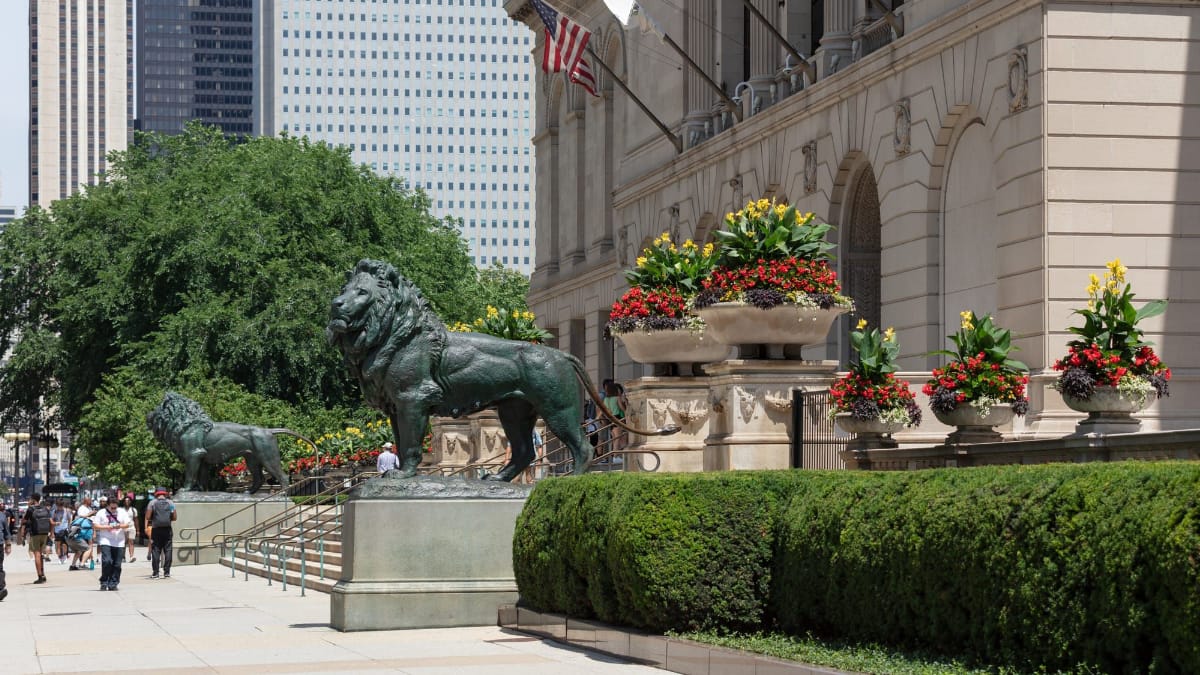
- Institutional Shift: The move by the Art Institute of Chicago reflects a broader, concerning trend in museum administration. According to labor industry reports, institutions that outsource custodial and security staff often see a decrease in employee morale and an increase in high-turnover rates, which ultimately impacts the safety and maintenance of valuable collections.
- Artistic Resurgence: The success of artists like Sabri Sundos highlights a growing market demand for work that addresses political and social trauma through a lens of cultural heritage. Collectors and galleries are increasingly prioritizing "meaning-making" over purely decorative art.
Expert Commentary
As Butch Murphy noted in his recent critique of Kyung-Me’s The Sunflower Effect, the pursuit of perfection is often the enemy of the artist. The most profound art often arises from "the loss of control" and the willingness to embrace improvisation. This sentiment applies equally to the institutions managing our cultural heritage: if they prioritize bureaucratic efficiency over the human element, they risk losing the very soul of the institution.
VI. Conclusion: The Search for Expression
Whether it is through the floral arrangements of a painter, the collective mourning of a mascot, or the advocacy of a unionized workforce, the pursuit of expression remains the defining characteristic of our current moment.
We live in a time where the "grim news cycle" is a constant, yet we find ways to carve out spaces for beauty and justice. As we look toward the future—including opportunities like the 2027 Jentel Artist Residency for writers and composers—it is clear that the need for creative outlets and the preservation of labor dignity are not separate issues. They are both parts of the same effort to build a culture that values the human experience.
Ultimately, art is a reflection of our collective search for meaning. As we navigate the complex social and institutional challenges of 2026 and beyond, we must ensure that the institutions we build and the artists we support reflect the complexities of the world we live in—acknowledging the struggle, celebrating the joy, and protecting the people who make it all possible.
For more information on the exhibitions and news mentioned, visit the Hyperallergic archives and our daily newsletter.
 Muslim
 Evan Lee Salim
 Jia Lissa
