

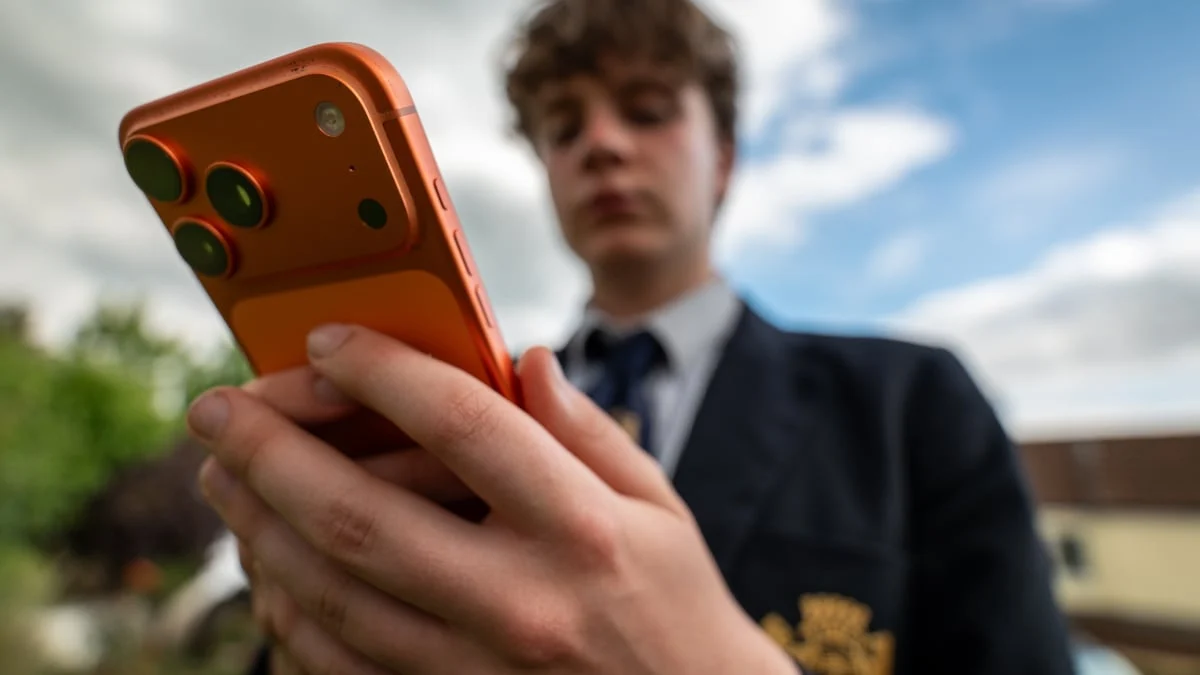
In a move that marks a significant escalation in the global regulatory battle over digital childhood, the United Kingdom government has unveiled plans to impose a mandatory "social media curfew" for teenagers aged 16 and 17. This policy, which aims to restrict access to platforms such as Instagram, TikTok, and YouTube during the overnight hours of midnight to 6:00 a.m., represents the latest chapter in the UK’s aggressive attempt to curb the influence of Big Tech on adolescent mental health and sleep hygiene.
The proposal arrives amidst a wave of international legislative fervor. Only one month ago, the UK government announced a broader, more sweeping ban on social media for children under the age of 16, a policy that echoes similar restrictive measures currently gaining momentum across Europe and the Pacific. As governments struggle to balance the right to digital participation with the duty of care for minors, the UK’s latest proposal highlights the profound technical and ethical challenges inherent in regulating the modern internet.
A Chronology of Escalation: From Safety Acts to Curfews
To understand the current proposal, one must view it through the lens of the UK’s evolving legislative landscape. Since July 2025, the UK has been operating under the Online Safety Act, a piece of legislation that redefined the responsibilities of tech companies regarding the content served to their users.
- July 2025: The Online Safety Act officially comes into effect, mandating robust age-verification systems for platforms hosting content deemed "restricted to adults." This included not only pornographic material but also content related to self-harm, eating disorders, and addiction.
- Late 2025: Discussions shift toward the efficacy of these age gates. As minors find ways to circumvent age verification, the government begins to consider broader, platform-wide bans for those under 16.
- December 2025: Following the lead of global peers, the UK announces a formal ban on social media access for children under 16, drawing inspiration from Australia’s legislative framework.
- Early 2026: Recognizing that a simple ban may be insufficient, the government introduces the concept of the "Midnight Curfew" to address the pervasive issue of late-night doom-scrolling, which public health officials argue is contributing to an epidemic of sleep deprivation among adolescents.
The Technical Reality: The VPN Conundrum
A central pillar of the debate surrounding the UK’s regulatory strategy is the role of Virtual Private Networks (VPNs). When the Online Safety Act was first proposed, many legislators advocated for a complete ban on VPN usage for children to prevent them from masking their IP addresses and bypassing age-verification gates.
However, after a period of intense review, the UK government has retreated from a hardline stance against VPNs. Online Safety Minister Kanishka Narayan recently stated on BBC Breakfast that the government has decided not to limit VPNs at this time. This decision was informed by official research suggesting that, contrary to popular belief, there is limited evidence that children are utilizing VPNs on a mass scale to circumvent existing age-verification systems.
While the government has opted for a "wait-and-see" approach, the policy remains under constant review. For privacy advocates and tech experts, the decision to allow VPNs is a rare victory for digital autonomy. However, it also creates a significant "loophole" that critics argue will render the proposed curfew largely toothless, as any teen with a basic understanding of network configuration could potentially bypass the midnight blackout.
Official Perspectives and the "Robust" Regulatory Ambition
The UK government maintains that these measures are necessary to cement Britain’s position as a global leader in digital safety. Minister Kanishka Narayan emphasized this during his recent media appearances, noting that the combination of the Online Safety Act, the under-16 ban, and the proposed 16–17-year-old curfew would make the UK "the most robust place in the world" regarding the regulation of technology companies.
The government’s rhetoric is framed not as an attempt to restrict freedom, but as a proactive intervention against the addictive design patterns of social media algorithms. By targeting features like infinite scroll and, now, late-night access, the government aims to force platforms to redesign their interfaces to protect the cognitive development of younger users.
The Critical Counter-Narrative: Piecemeal Progress?
Despite the government’s confidence, the policy has drawn sharp criticism from child advocacy groups and digital rights experts. The primary grievance is that these measures, while well-intentioned, are disjointed and lack a cohesive long-term strategy.
Andy Burrows, chief executive of the suicide prevention charity the Molly Rose Foundation, has been particularly vocal in his criticism. In an interview with the BBC, Burrows described the curfew as "yet another piecemeal set of announcements." His argument is that the government is reacting to headlines rather than addressing the root causes of online harm. According to Burrows, a truly effective safety framework would require systemic changes to platform algorithms, better mental health funding, and digital literacy education, rather than simply turning off the "lights" at midnight.
Furthermore, there is the issue of the "opt-out" clause. While details remain sparse, the government has hinted that the curfew may not be a hard, universal lock, but rather one that allows for certain exemptions. Critics argue that if the system is easy to opt out of, it will serve little purpose; if it is too difficult, it may infringe upon the autonomy of older teens who use these platforms for study groups, communication, or creative expression.
Global Context: The Lessons from Australia
The UK’s experiment does not exist in a vacuum. In December 2025, Australia enacted a similar ban on social media for those under 16, sparking a global debate about the feasibility of such restrictions.
Recent studies analyzing the efficacy of the Australian model have been sobering for proponents of the UK’s plan. Data suggests that the ban has failed to prevent the vast majority of under-16s from accessing their favorite platforms. Whether through parental accounts, hardware-level workarounds, or simply ignoring the age-check prompts, the "digital wall" proved to be more of a hurdle than a barricade.
The UK is now facing the same fundamental question: Can a government truly legislate away the reach of a globalized digital platform?
Implications for the Future of the Internet
The move toward a curfew highlights a fundamental shift in how the state perceives the internet. Historically, the web was viewed as a public square that should remain open and free. Today, it is increasingly being treated as a high-risk environment—a "digital street" that, like its physical counterpart, requires curfews, police, and safety patrols.
If the UK moves forward with the midnight curfew, the implications for social media companies will be profound. They will likely be forced to implement:
- Geofencing and Time-stamping: Sophisticated systems to detect the user’s local time and enforce lockouts based on verified age data.
- Hardware-Level Integration: Greater cooperation with mobile operating system providers (Apple, Google) to ensure that app usage is monitored at the OS level rather than just the application level.
- Increased Liability: Should a teen suffer harm during the restricted hours, the platforms themselves may face legal repercussions, pushing companies to be more stringent with their "lockout" features.
Conclusion: The Path Forward
The UK government is betting that by tightening the leash on social media, it can foster a healthier generation of digital citizens. However, the path forward is fraught with technological obstacles and the risk of public backlash.
As the debate intensifies, the core challenge remains the tension between protecting the vulnerable and preserving the open nature of the internet. Whether a midnight curfew for 16 and 17-year-olds will prove to be a landmark achievement in public health or a futile exercise in digital control remains to be seen. What is certain, however, is that the era of the "unregulated internet" is definitively coming to an end, and the UK is at the forefront of this profound, and highly contentious, transition.
As the government continues to refine its approach, all eyes will be on the efficacy of these measures. If they fail to curb usage, the UK may be forced to abandon the "piecemeal" approach in favor of more radical, perhaps even more controversial, interventions. For now, the clock is ticking toward midnight—not just for the teens, but for the platforms themselves.
 Ali Ikhwan
 Raul Delapena Setiawan
 Azzam Bilal Chamdy
