

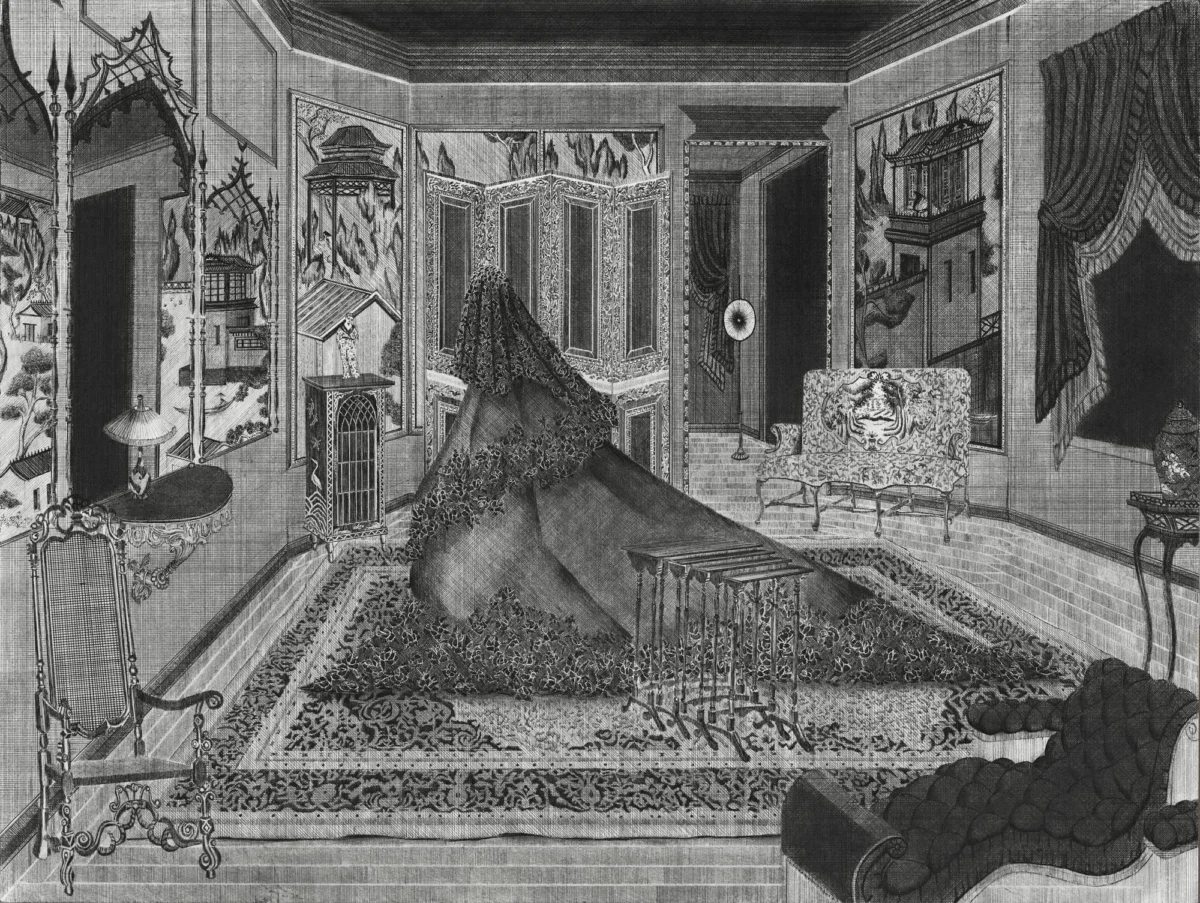
In a significant demonstration of support for the Empire State’s cultural sector, the New York Foundation for the Arts (NYFA), in partnership with the New York State Council on the Arts (NYSCA), has announced the recipients of its 2026 Artist Fellowship program. A total of $903,000 has been distributed among 132 distinguished artists, providing each primary recipient with an $8,000 unrestricted cash grant—a vital lifeline designed to empower practitioners to pursue their creative vision without the immediate pressure of commercial viability.
The fellowship, long regarded as a cornerstone of state-level arts funding, serves as a testament to the resilience and depth of New York’s creative ecosystem. By providing "no-strings-attached" financial support, the program acknowledges that the most profound artistic breakthroughs often occur when creators are granted the autonomy to take risks, invest in materials, or simply secure the time necessary for deep, focused labor.
The Scope of the 2026 Cycle
The 2026 cohort represents a diverse cross-section of the state’s artistic demographic, with ages ranging from 25 to 90. These individuals were selected through a rigorous, highly competitive process from a pool of 3,985 applicants. The sheer volume of applications underscores the high demand for institutional support in an era where the cost of living and studio space in New York remains prohibitively expensive for many.
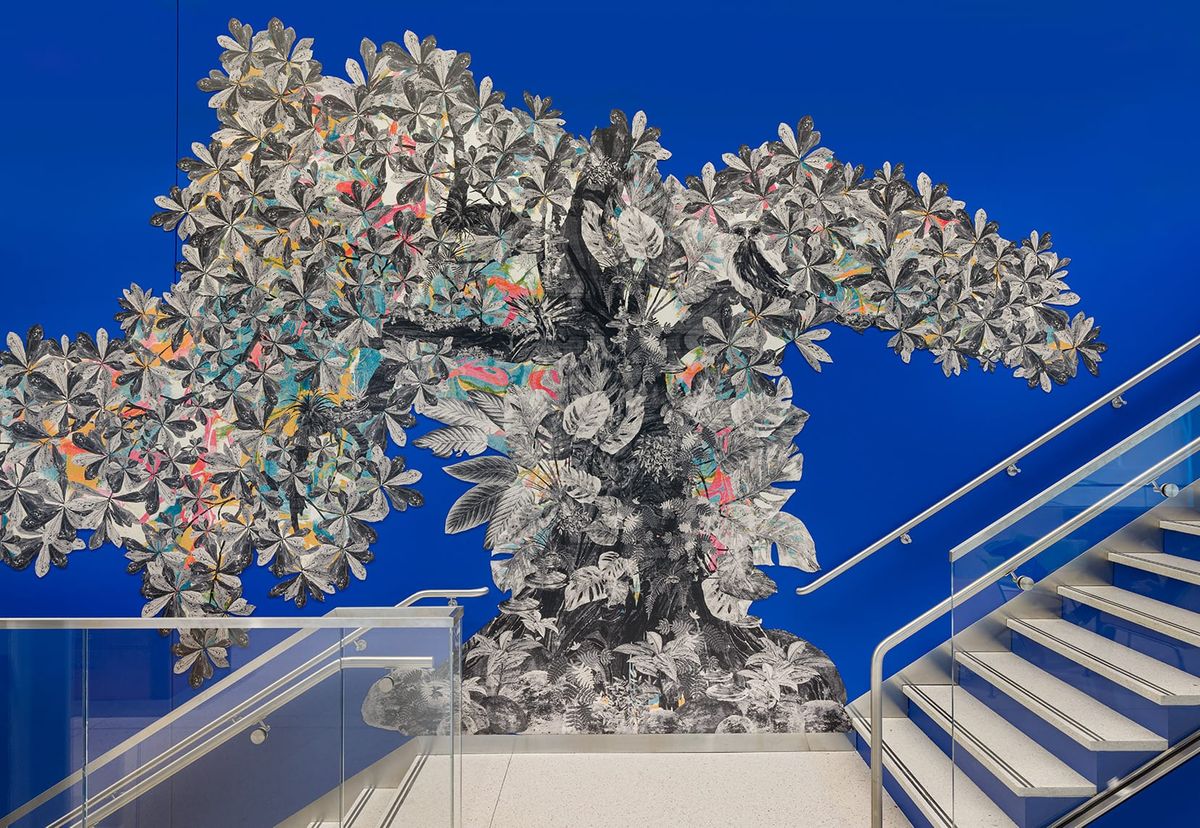
The fellowships are distributed across five rotating disciplines. For the 2026 cycle, the spotlight shone on:
- Craft and Sculpture: Recognizing physical manipulation and three-dimensional innovation.
- Digital and Electronic Arts: Embracing the evolution of technology in contemporary practice.
- Nonfiction Literature: Honoring the power of narrative and research-based storytelling.
- Poetry: Celebrating the mastery of linguistic form.
- Printmaking, Drawing, and Book Arts: Highlighting the traditional and contemporary nuances of mark-making and archival practice.
Beyond the primary fellowship recipients, the program also named 16 finalists, who will receive $1,000 in unrestricted funds alongside access to specialized NYFA professional development services.
A Chronology of Artistic Evolution
The history of the NYSCA/NYFA partnership is a chronicle of the shifting priorities within the American art world. Since its inception, the program has consistently rotated its categories to ensure that a wide spectrum of creative expression—from the tactile to the ephemeral—receives equitable attention.
In recent years, the program has increasingly become a bellwether for the "hybridization" of artistic mediums. This year’s selection process was particularly marked by a discernible departure from rigid categorization. Jurors noted that the line between "traditional" sculpture and digital media has become increasingly porous, with many artists utilizing algorithmic processes to create physical objects, or conversely, using manual craft techniques to inform digital interfaces.
For the 2027 cycle, the foundation has already signaled a pivot in focus. Starting in the fall of 2026, the call for applications will shift to encompass fiction, folk and traditional arts, interdisciplinary work, painting, and video and film. This cyclical nature ensures that no single corner of the art world is left stagnant, providing a recurring opportunity for artists across various career stages to gain visibility and financial stability.
Data and Demographics: Who Are the Fellows?
The 2026 list of fellows reveals a geography of creativity that spans from the dense, bustling boroughs of New York City to the quiet, expansive landscapes of the Hudson Valley and beyond.
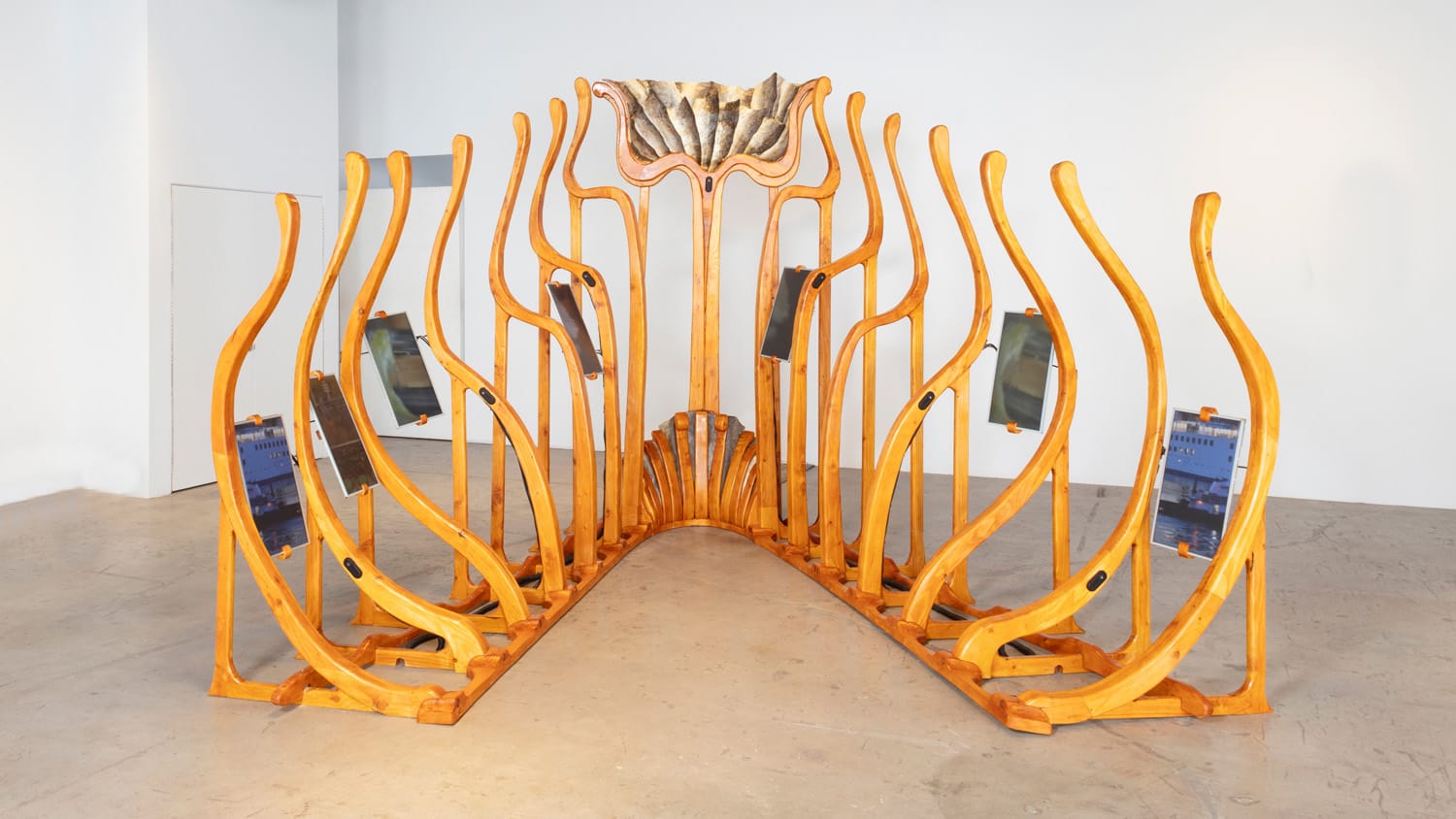
Craft and Sculpture Highlights
The Craft and Sculpture category saw a surge in works that engage with ecological and material sustainability. Recipients like Sasha Fishman (I want to be wet) and Tatiana Arocha (Antes del amanecer) exemplify a trend toward the organic. Many of the awarded works this year were noted for their use of unconventional materials—ranging from salmon skin and beeswax to raw, reclaimed timber.
- Selected Recipients: Paria Ahmadi, Patricia Encarnacion, Julien Feller, Aaron Feltman, Sasha Fishman, Danielle Gadus, Covey Gong, Jesús Hilario-Reyes, Alex Ito, Paloma Izquierdo, Emily Janowick, Melissa Joseph, Tamiko Kawata, Catherine Telford Keogh, Ellie Krakow, Megan Mi-Ai Lee, Chico MacMurtrie, Jeffrey Meris, Kristyna and Marek Milde, Anna Ting Möller, Brian Oakes, Saman & Sasan Oskouei, Chelsey Pettyjohn, Vartan Poghosian, Lina Puerta, Lucía Reissig, Alvaro Villa, Patrice Renee Washington, Anne Wu, and JAYOUNG YOON.
Digital and Electronic Arts
The digital category proved to be a hotbed for critical inquiry, particularly regarding the role of Artificial Intelligence. Artists like Zain Alam, whose multimedia performance Meter & Light: Night was highlighted for its technical complexity and emotional resonance, reflect a generation of artists who view technology not just as a tool, but as a subject of critique.
- Selected Recipients: Zain Alam, Kabir Carter, Leo Chang, Simon Deschamps, alexa dexa, Maria F. Izaguirre, Umber Majeed, MAYSUN, Emmett Palaima, Lisa Ann Schonberg, rebecca shapass, Samantha Simmons, Yeseul Song, Hans Tammen, Hakan Topal, Frank WANG Yefeng, and elekhlekha.
Institutional Perspectives and Panel Observations
In their July 23 announcement, the selection panels for the 2026 fellowships provided a rare glimpse into the "black box" of arts judging. The panelists remarked on the "increasingly blurred boundaries" between traditional disciplines. This observation is crucial; it suggests that the institutions managing these funds are acknowledging that the "artist of the future" is rarely just a painter or just a programmer.
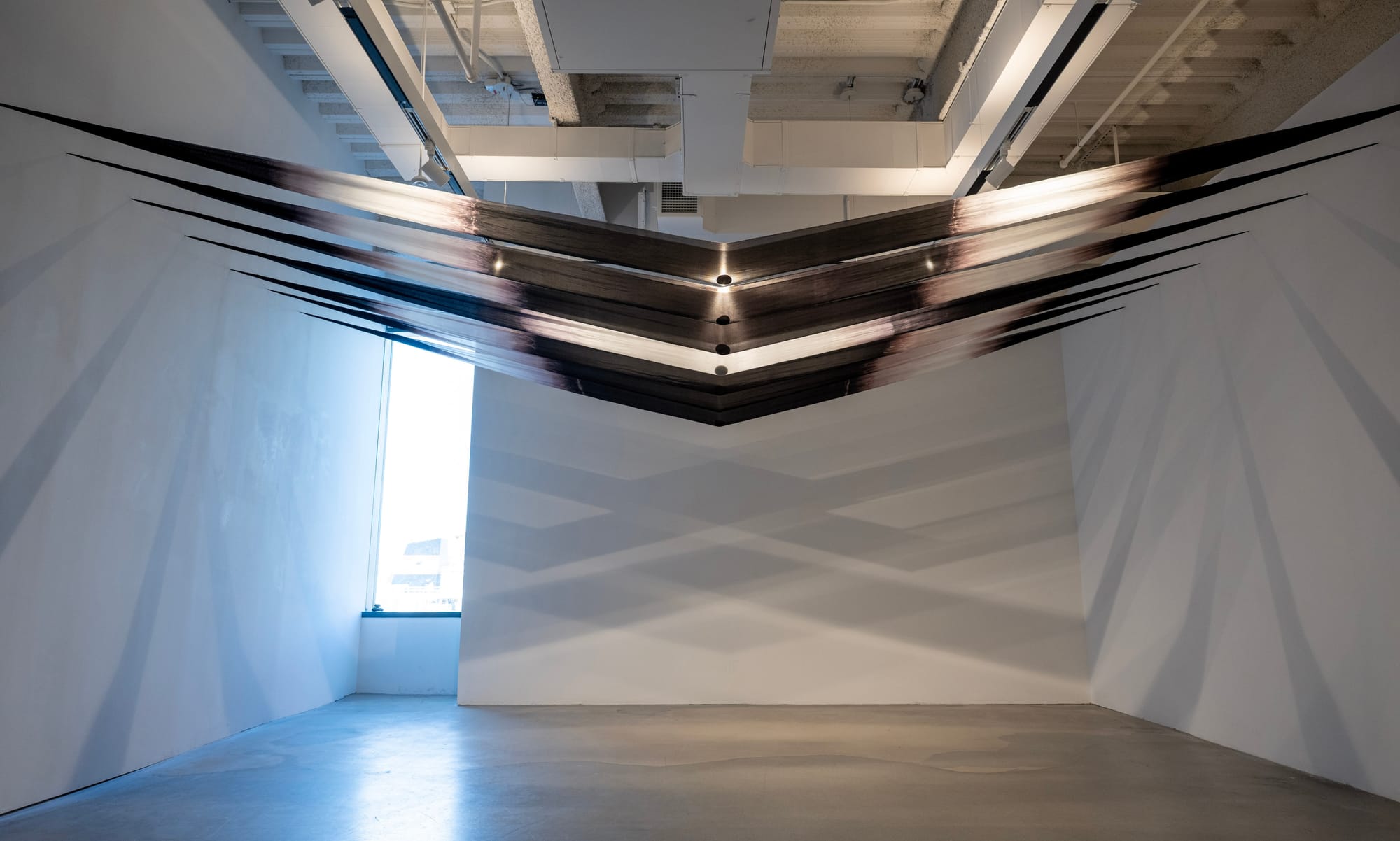
By awarding these grants, NYFA is effectively validating a multidisciplinary approach. Whether it is a sculptor incorporating AI, or a writer exploring book arts, the fellowships signal that the quality of the concept—and the rigor of its execution—is the primary metric of success, rather than adherence to a specific medium’s historical constraints.
The Broader Implications for New York’s Cultural Economy
The $903,000 investment has implications that ripple far beyond the bank accounts of the 132 individuals. In the context of New York’s post-pandemic recovery, the creative sector remains one of the state’s most significant economic drivers.
- Retention: By providing $8,000 grants, the program helps prevent the "exodus" of talented artists from New York State. In an environment where artists are frequently priced out of urban centers, these grants can cover months of rent, studio fees, or the cost of specialized equipment, keeping talent within the state’s borders.
- Cultural Capital: The inclusion of artists like Melissa Joseph and Hakan Topal—who have established reputations—alongside emerging voices, creates a robust network of mentorship and peer influence.
- Innovation: Unrestricted funding is the most effective form of R&D for the arts. When artists are not forced to create "market-ready" work to survive, they are free to engage in the kind of slow, contemplative, and experimental practice that drives cultural innovation.
Looking Ahead: The 2027 Cycle
For those artists not selected in the current round, or for those working in the upcoming cycle’s categories, the horizon remains bright. The 2027 cycle will open in the fall of 2026. Interested applicants should monitor the official NYFA website, as the transition to new categories—specifically painting and interdisciplinary work—is expected to draw a record number of submissions.
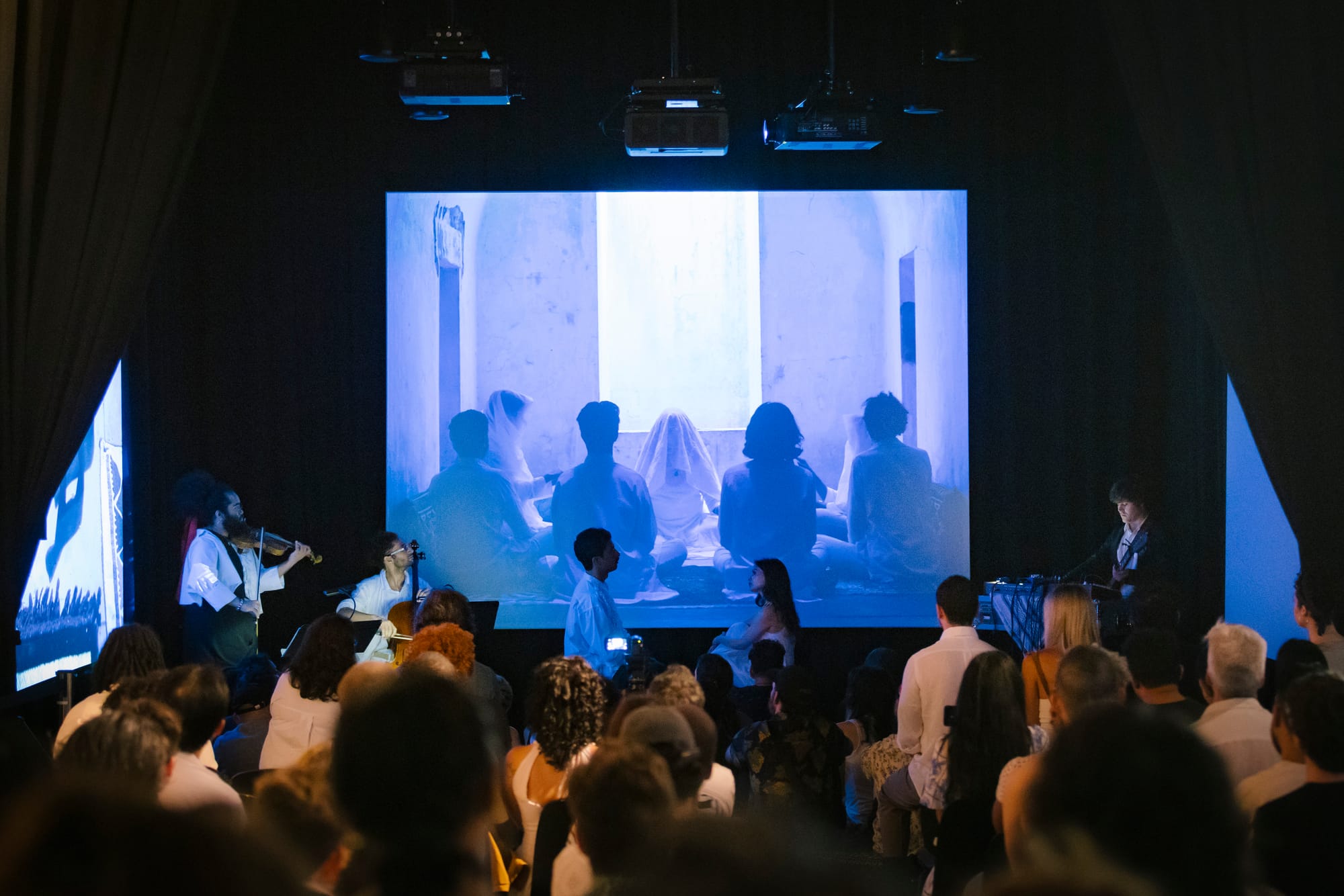
As the state continues to navigate the complexities of the 21st-century art market, the NYSCA/NYFA Artist Fellowship stands as a vital reminder that public investment in the arts is not merely a charitable act—it is an investment in the intellectual and cultural infrastructure of the state. These 132 artists are now better positioned to continue their work, and in doing so, they will undoubtedly contribute to the vibrant, messy, and essential conversation that is New York’s cultural identity.
 Nana
Nana
 Iffa Jayyana
 Muslim
