

By Valentina Di Liscia
Published Thursday Afternoon
Introduction: The Pulse of the Global Art World
Welcome to this week’s edition of Art Movements, our weekly roundup dedicated to keeping our readers informed of the most crucial developments, high-profile appointments, prestigious awards, groundbreaking museum acquisitions, and cultural shifts shaping the international art ecosystem.
As the autumn exhibition season swings into full gear, cultural institutions around the world are redefining their leadership structures, bolstering their permanent collections with historically significant works, and shattering attendance records. From major directorial appointments in Kentucky to vital acquisitions in New York, this week’s news underscores a vibrant, shifting landscape where institutions continually adapt to better serve their communities and preserve cultural heritage.
Main Facts: Leadership, Acquisitions, and Institutional Milestones
The art world has experienced a flurry of major announcements over the past week, highlighted by significant changes in institutional governance and museum collections.
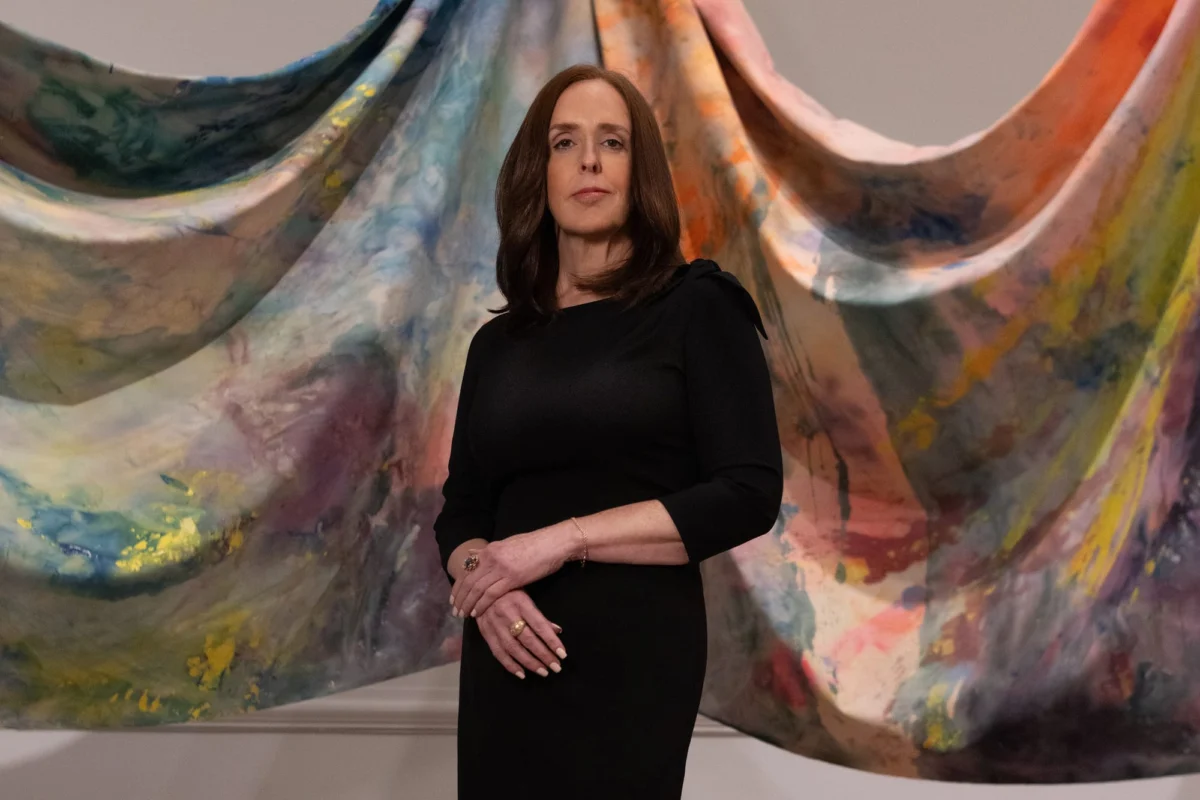
At the forefront of this week’s news is the appointment of Kathleen V. Jameson as the new director of the Speed Art Museum in Louisville, Kentucky. Jameson, a respected scholar of American art and photography, returns to the institution where she spent a formative era of her early academic and professional life. She transitions to the Speed Museum from the Mint Museum in Charlotte, North Carolina, bringing with her three decades of administrative and curatorial experience.

Concurrently, major museums are making strategic additions to their permanent collections. Notably, works by renowned photographic artist Alison Rossiter have been officially acquired by The Metropolitan Museum of Art in New York, cementing her legacy in the canon of contemporary photography. These acquisitions run parallel to a slate of other international cultural milestones, including record-breaking exhibition attendance figures—such as a historic blockbusting show dedicated to David Hockney—and crucial structural expansions at institutions like the New Museum in New York, which has recently inducted a new wave of high-profile board members.
Chronology of Recent Art World Developments
To better understand how these stories unfolded over the course of the week, the following timeline tracks the key announcements and press releases issued across the cultural sector:
- Monday Morning: The Mint Museum in Charlotte bids farewell to outgoing leadership as Kathleen V. Jameson concludes her tenure, during which she successfully spearheaded the institution’s inaugural digital media program.
- Tuesday Afternoon: The Speed Art Museum in Louisville officially announces Kathleen V. Jameson as its incoming director, highlighting her extensive three-decade career across various prestigious American art institutions.
- Wednesday: Major commercial and institutional galleries—including the Yossi Milo Gallery—release updates regarding recent museum placements, shining a spotlight on Alison Rossiter’s experimental photographic works, such as Semblance, Man Ray Tapestry (4) (2026) and Expired 1919 (2023).
- Thursday Morning: The Metropolitan Museum of Art confirms the integration of Rossiter’s pieces into its holdings, sparking widespread acclaim from photography critics and historians.
- Thursday Afternoon: Art Movements compiles these major happenings alongside updates regarding New Museum board appointments, record-shattering David Hockney exhibitions, and administrative announcements from the Frick Collection.
Supporting Data and Institutional Profiles
The weight of this week’s developments lies in the impressive institutional pedigrees and artistic achievements of those involved.
Kathleen V. Jameson’s Professional Trajectory
Kathleen V. Jameson’s career spans over 30 years of museum administration, fundraising, and curatorial scholarship. Her professional background includes leadership and curatorial roles at several of the United States’ most elite cultural institutions:
- The Mint Museum (Charlotte, NC): Served as a driving force in modernizing digital engagement, notably establishing the museum’s very first comprehensive digital media program.
- Museum of Fine Arts, Houston (Houston, TX): Contributed to the strategic growth of its renowned exhibitions and American art initiatives.
- James A. Michener Art Museum (Bucks County, PA): Honored regional and national artistic traditions through targeted programming.
- Isabella Stewart Gardner Museum (Boston, MA): Engaged in foundational museum practices that bridged historic preservation with contemporary community outreach.
Alison Rossiter’s Photographic Process
The acquisition of Alison Rossiter’s work by The Metropolitan Museum of Art marks a monumental recognition of her unique technical process. Rossiter does not use a camera to capture images. Instead, she collects expired photographic papers manufactured as early as the late 19th and mid-20th centuries. Working entirely in the darkroom, she exposes these vintage, light-sensitive sheets to light, water, and chemical developers. The resulting abstract compositions allow the inherent flaws, chemical decays, age spots, and light leaks of the expired materials to dictate the final aesthetic. Pieces like Expired 1919 (2023) and her newer Semblance series serve as a poignant meditation on the passage of time, material history, and the foundational chemistry of analog photography.

Official Responses and Statements
The announcement of Kathleen V. Jameson’s return to Louisville was met with immense enthusiasm from the local community and the art world at large.
"Returning to Louisville and to the Speed is deeply meaningful to me," Jameson expressed in an official statement released by the museum. "My time here as a graduate student helped shape both my scholarship and my career in museums, and I have always valued the Speed’s commitment to artistic excellence and connection."
Board representatives at the Speed Art Museum echoed this sentiment, noting that Jameson’s deep institutional history combined with her forward-thinking administrative strategies—such as her implementation of digital media programs at the Mint Museum—make her uniquely qualified to lead the Kentucky institution into its next era of public engagement and cultural leadership.
Similarly, representatives from galleries and institutions collaborating on recent acquisitions have emphasized the importance of securing works by artists who challenge traditional mediums, praising museums for expanding their collecting scopes to embrace experimental photography and under-represented historical techniques.
Implications for the Future of Museums and Cultural Institutions
The developments covered in this week’s Art Movements point toward broader trends within the global art sector:

- The Evolution of Museum Leadership: Directors are increasingly expected to balance traditional art historical scholarship with innovative technological literacy. Jameson’s track record of building digital media programs demonstrates that modern museum leadership must prioritize digital accessibility alongside physical exhibition spaces.
- Expanding the Canon of Photography: Major institutions like The Met continuing to acquire experimental, non-camera-based photography—such as Alison Rossiter’s work with expired photographic paper—signals a healthy, ongoing expansion of what is considered foundational within the photographic canon. It highlights a growing institutional appetite for process-driven abstraction over purely documentary or pictorial imagery.
- Resilience and Growth in Regional Institutions: The continued talent pipeline flowing between major regional museums (such as the Speed Art Museum and the Mint Museum) proves that cultural innovation is no longer concentrated solely in coastal metropolises like New York or Los Angeles. Regional institutions are increasingly becoming incubators for national museum leadership and cutting-edge public programming.
As museums continue to navigate shifting economic landscapes, changing audience expectations, and new technological frontiers, leadership appointments and strategic acquisitions remain the bedrock upon which the future of art history is built.
Stay tuned for next Thursday’s edition of Art Movements for more updates on exhibitions, international appointments, and essential art world news.
 Nana
Nana
 Muslim
