

Main Facts
Marking a solemn quarter-century milestone, the cultural and artistic communities are pausing to reflect on the profound societal, political, and personal transformations triggered by the events of September 11, 2001. A series of commemorative features, museum exhibitions, and critical retrospectives are taking stock of how the tragedy and its subsequent geopolitical fallout reshaped the global landscape.
At the center of this reflection is a major feature published by Hyperallergic, which gathers testimonies from prominent artists, curators, and cultural workers—including Shahzia Sikander, Wafaa Bilal, Rina Banerjee, Michael Rakowitz, and Editor-at-Large Hrag Vartanian. These figures recount the immediate trauma of the attacks and the systemic waves of Islamophobia, government surveillance, and perpetual foreign conflicts that followed.

Concurrently, major cultural institutions are recognizing the anniversary through targeted programming. The Brooklyn Museum has curated a special display honoring an artist lost in the 2001 attacks, while the Rabkin Foundation announced its 2026 prize winners, celebrating critical arts writing. Innovation within cultural journalism is also on display with the rollout of new "pocket reviews"—concise, 250-word critiques tackling cultural touchstones like Olivia Wilde’s new film, I Want Your Sex.
Chronology: A Quarter-Century of Artistic and Social Evolution
To understand the weight of the 25th anniversary, it is essential to trace how the artistic community’s relationship with the post-9/11 era has evolved:

- September 11, 2001: Terrorist attacks destroy the World Trade Center in New York City, killing nearly 3,000 people and instantaneously shifting the global political and psychological paradigm.
- Late 2001–2003: The passage of the USA PATRIOT Act and the implementation of programs like the National Security Entry-Exit Registration System (NSEERS) lead to intense, state-sanctioned surveillance of Muslim, South Asian, and SWANA (Southwest Asian and North African) communities. Artists within these diasporas find their daily lives and creative outputs scrutinized or altered.
- The 2000s and 2010s: The cultural sector grapples with the "War on Terror" through politically charged works, institutional self-censorship, and underground counter-narratives. Artists begin utilizing their platforms to document the human toll of foreign interventions.
- 2026 (The 25-Year Milestone): Hyperallergic and other cultural platforms release major retrospectives. Artists speak openly about the multi-generational scars of the post-9/11 security state. Amidst the somber reflections, glimmers of political and social shifts—such as the election of Zohran Mamdani as New York’s first Muslim mayor—are highlighted as milestones signaling a departure from decades of systemic xenophobia.
- Fall 2026: Museums across the United States launch major autumn exhibitions, while international platforms like OCAD University represent Canada at the 2026 Gwangju Biennale with exhibitions exploring themes of profound peace ("Skennen’kó:wa ken?").
Supporting Data and Cultural Highlights
The 25th-anniversary milestones reflect a diverse array of artistic achievements, institutional recognitions, and shifting cultural metrics:
- The Hyperallergic Retrospective: Features direct accounts from foundational contemporary artists. Iraqi-born artist Wafaa Bilal noted in the retrospective, "I sensed at once that the comfort and security Americans had long taken for granted were gone." His sentiment echoes the broader vulnerability felt by immigrant and minority artists during the sudden surge of domestic security crackdowns.
- Rabkin Foundation Awards 2026: Recognizing excellence in visual arts journalism, the foundation announced its 2026 laureates. Among them is regular Hyperallergic contributor Damien Davis, whose insightful writings have spanned topics ranging from the preservation and loss of archives to systemic economic debt traps.
- Global Platforms: OCAD University’s presentation at the 2026 Gwangju Biennale—featuring the exhibition “Skennen’kó:wa ken? (Do You Carry Great Peace?)” running through November 15, 2026—demonstrates how Canadian and international institutions are using high-profile biennales to interrogate concepts of collective healing and historical trauma.
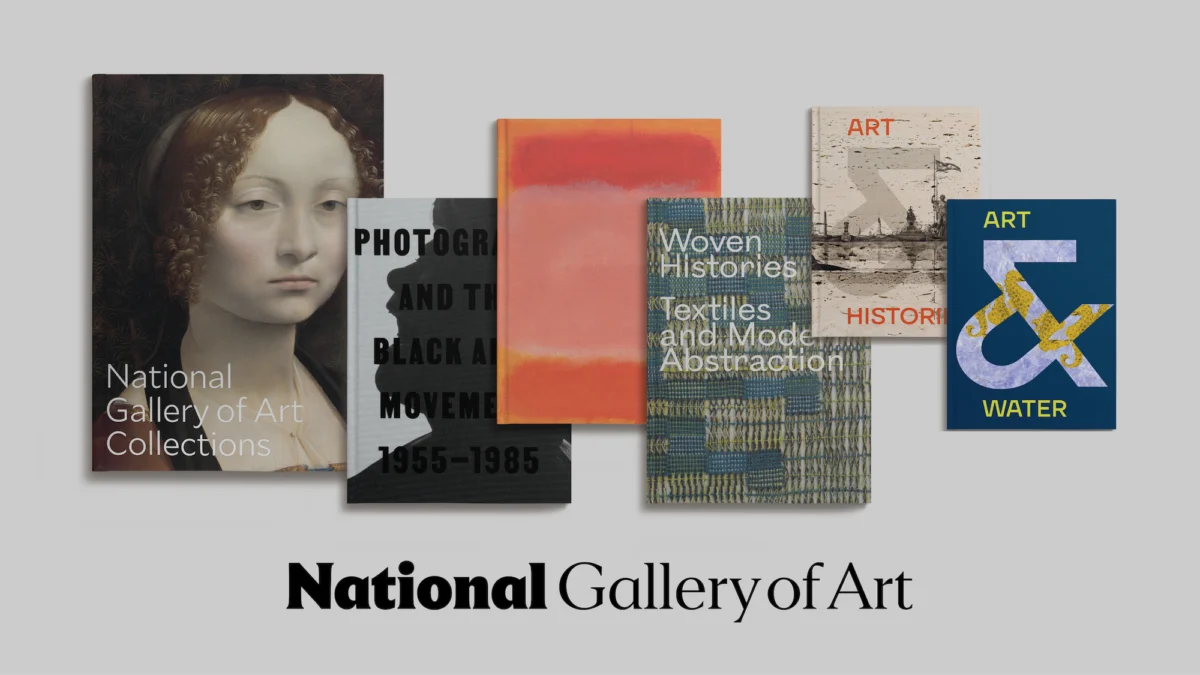
- Fall Museum Circuit: Across the United States, 15 major museum exhibitions have launched for the fall season, creating a robust ecosystem for public engagement with contemporary art, historical retrospectives, and scholarship from institutions like the National Gallery of Art.
Official Responses and Institutional Statements
Cultural organizations, civic leaders, and educational institutions have issued reflections regarding the legacy of the past 25 years. Rather than focusing solely on patriotic mourning, contemporary institutional discourse has increasingly leaned toward a critical examination of civic liberties, civil rights violations, and the mental health tolls born of endless military engagements.

Art historians and museum directors have emphasized the necessity of preserving the work of artists who perished during the attacks, as well as amplifying voices that were historically marginalized or targeted by federal oversight programs during the height of the War on Terror.
Furthermore, community leaders have pointed to political breakthroughs—symbolized by figures like New York’s first Muslim mayor, Zohran Mamdani—as proof of civic resilience. These developments are viewed by cultural workers not merely as political victories, but as vital cultural turning points that challenge decades of Islamophobic rhetoric and xenophobic state policies.

Implications for the Future of Art and Society
As society moves past the quarter-century mark since the fall of the Twin Towers, the implications for the art world and civil society are multifaceted:
- Redefining Historical Memory: The passage of 25 years shifts 9/11 from a contemporary raw nerve into a studied historical epoch. Younger generations—such as those who were infants or toddlers when the towers fell—are now entering the professional cultural workforce, bringing a mediated, analytical perspective to the events and their aftermath.
- Challenging Surveillance and Censorship: The candid reflections shared by artists regarding the NSEERS program and the PATRIOT Act serve as a permanent reminder of the fragility of civil liberties during national crises. The arts community continues to serve as an essential watchdog against state overreach and Islamophobia.
- Innovation in Cultural Critique: The adoption of agile, experimental formats—such as Hyperallergic‘s new 250-word "pocket reviews"—demonstrates that arts journalism is adapting to modern attention spans while maintaining rigorous critical standards. This ensures that complex cultural artifacts, ranging from high-concept gallery shows to provocative cinema (such as Olivia Wilde’s turn in I Want Your Sex), receive rapid, engaging analysis.
- A Hopeful Horizon: While the wounds of the War on Terror remain deeply etched into the collective consciousness, the prevailing sentiment among today’s cultural producers is one of cautious optimism. By confronting the dark chapters of the past head-on, the artistic community is actively helping to pave a more inclusive, empathetic, and democratic path forward.
 Nana
Nana
 Iffa Jayyana
 Muslim
