

As the autumn cultural calendar kicks into high gear, the art world finds itself navigating a familiar yet heightened landscape of institutional tension, labor organizing, and digital satire. From the looming threat of strikes across major New York City cultural institutions to critical explorations of diasporic identity, art institutions are under a microscope—both from within and without.
This comprehensive roundup examines the major headlines shaping contemporary art, spanning union actions, viral internet culture, critical reviews of newly opened exhibitions, and the burgeoning seasonal festival circuit.

Main Facts: Labor Unrest and Cultural Shifts
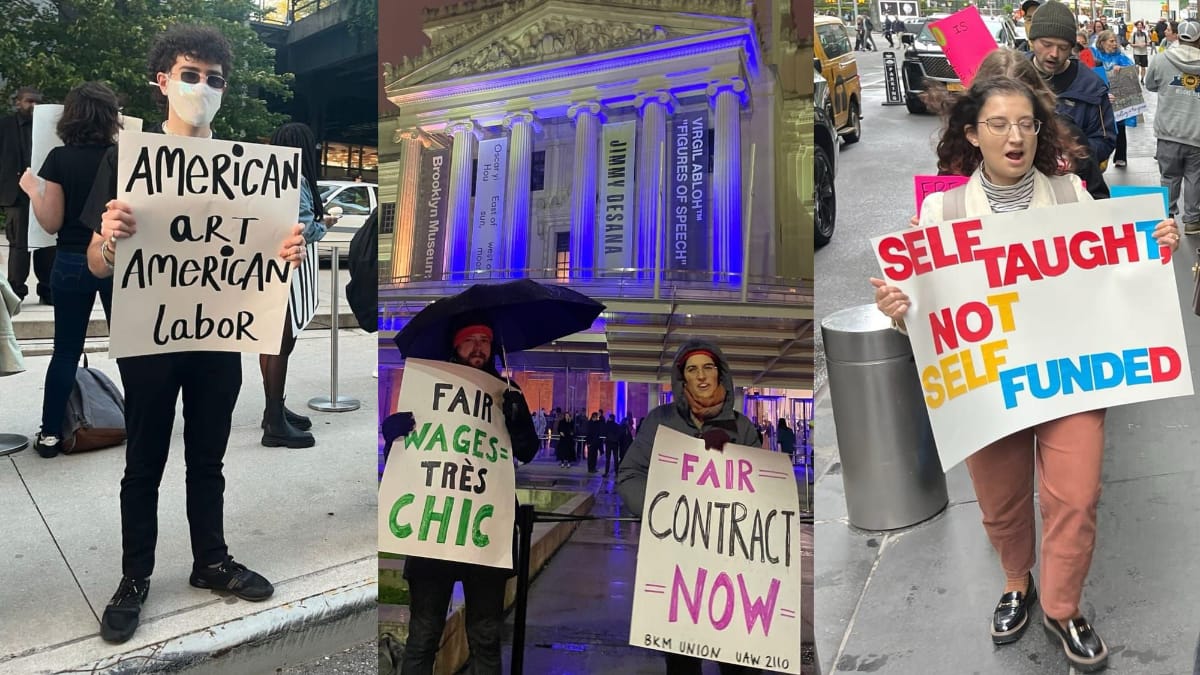
The most critical operational development facing the arts sector involves labor relations in New York City. Staff members at three prominent institutions—the Whitney Museum of American Art, the Brooklyn Museum, and the American Folk Art Museum—have officially authorized strikes. This wave of unionization and labor mobilization highlights a persistent disconnect between museum leadership, endowment boards, and the frontline workers who maintain daily gallery operations, education programs, and visitor services.
Concurrently, the art world has found itself unexpectedly intersecting with mainstream pop culture and internet viral trends. Prompted by a deadpan, unblinking interview featuring disgraced Theranos founder Elizabeth Holmes alongside comedian Nathan Fielder, cultural critics and meme creators have popularized the phrase: "Why would I deceive you?"
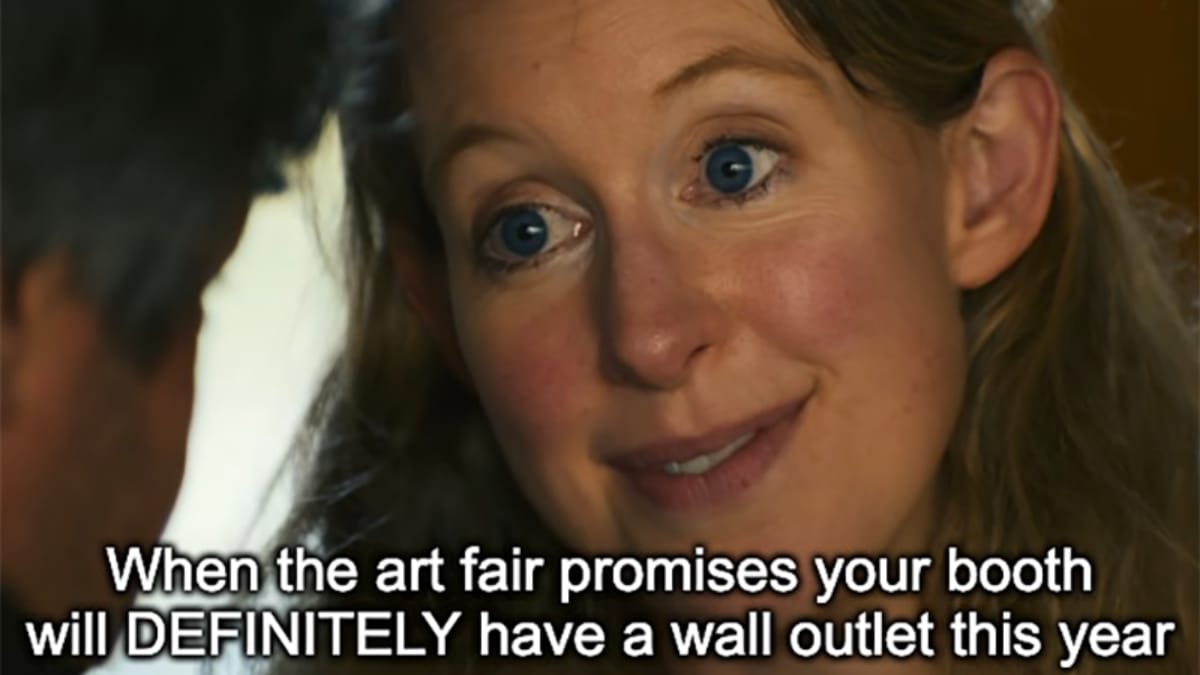
Hyperallergic staff writers adapted this viral format to skewer the arts industry, pointing out the uncanny resemblance between Silicon Valley’s signature brand of corporate duplicity and the behavior of certain opportunistic art dealers, auction houses, and museum board members who leverage power to steamroll artists and culture workers.
Chronology of Recent Events
- Mid-September: Cultural workers at the Whitney Museum, Brooklyn Museum, and American Folk Art Museum formalize strike authorizations, signaling potential labor disruptions heading into the busy fall exhibition season.
- September 17: NORR COHAN gallery opens Memory of the Surface, an exhibition showcasing rhythmic pigment abstractions by veteran artist Vicky Colombet.
- Late September: The Metropolitan Museum of Art breaks ground on its anticipated new wing, marking another major infrastructural milestone for the institution.
- September 30: Hyperallergic hosts an exclusive evening of studio visits and artist conversations at the International Studio & Curatorial Program (ISCP) for its members.
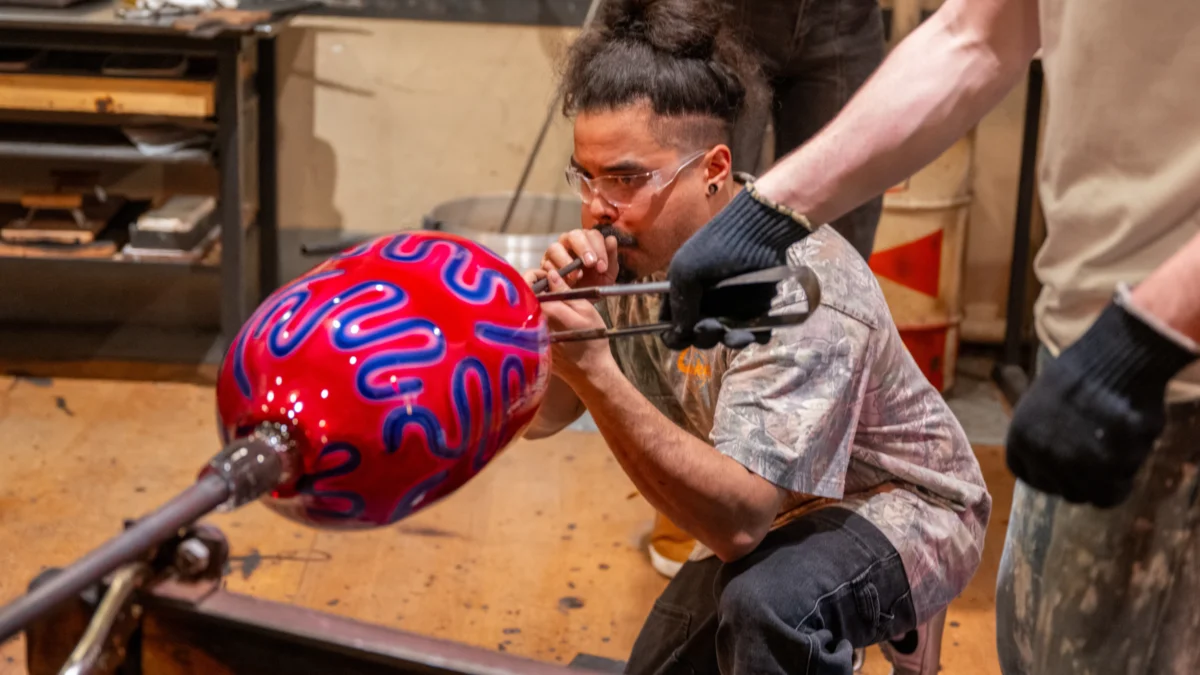
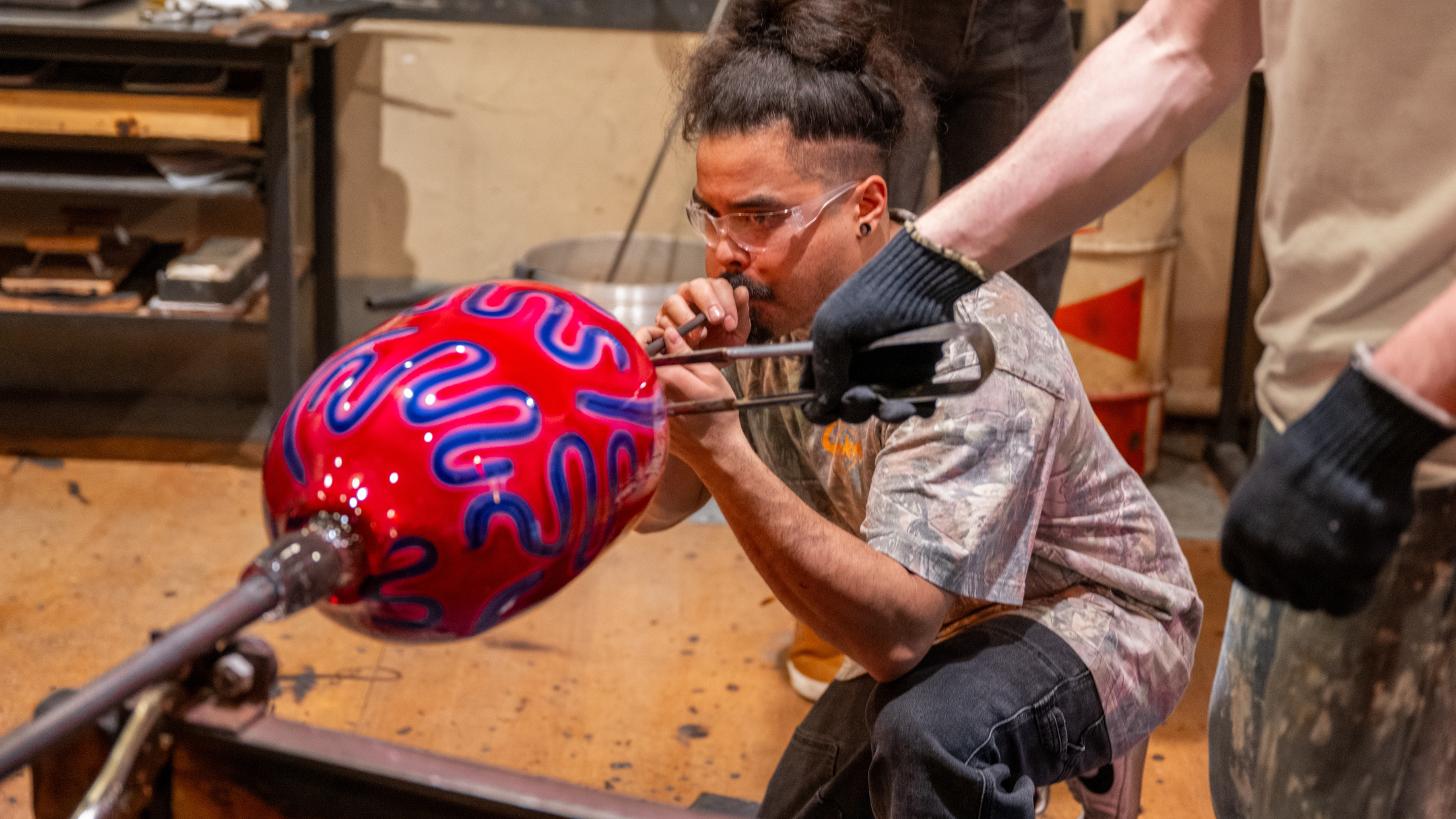
- October (Upcoming): Refract: The Seattle Glass Experience returns for its annual month-long festival, featuring open studios, demonstrations, and milestone anniversaries under the theme "Year of Celebration."
Supporting Data and Institutional Developments
Labor friction within New York’s museum sector does not occur in a vacuum. Over the past five years, cultural institutions have faced intense scrutiny regarding staff compensation, diversity, equity, and inclusion (DEI) initiatives, and transparency in board governance. While major museums like The Met continue to break ground on multi-million-dollar architectural expansions—such as its newly commenced wing—frontline workers argue that institutional wealth is rarely distributed equitably to the educators, guards, curators, and administrators who drive daily engagement.

On the curatorial front, museums and galleries are rolling out ambitious fall programs. In Washington, DC, critics have highlighted 10 essential exhibitions for the season, ranging from Carlotta Corpron’s luminous photography to Ahn Chang-Hong’s visceral unmasking of Korean history and contemporary reflections on Shakespeare by Black women artists.
Internationally, the global "art-ennial" circuit is seeing a massive surge. Major recurring exhibitions—spanning from St. Louis to Dakar—are drawing global travelers. Highlights include a nocturnal photography showcase dedicated to New York City, an Indigenous-led arts festival honoring the Mississippi River, and the inaugural staging of the Bienal de Yucatán.
Official Responses and Public Discourse
While museum administrators have largely remained tight-lipped regarding the specifics of the impending union actions, labor representatives from the affected New York institutions maintain that striking remains a necessary tool of last resort. Union organizers stress that fair wages, reliable healthcare benefits, and manageable workloads are non-negotiable if cultural spaces wish to retain qualified personnel.
Meanwhile, critical discourse around institutional purpose continues to generate passionate debate among the public. A recent review by Hyperallergic regarding the Lucas Museum of Art’s focus on "narrative art" drew sharp reader engagement. Commenters like Susan Simon pointed out the philosophical complexities of defining what narrative art should achieve in a fractured media landscape:
"No museum will ever be complete to fulfill all viewers’ preconceived notions of what ‘art’ or ‘narrative’ is or should be. Lucas appears to have chosen a less combative pathway to define narrative which frankly, in today’s world, I appreciate."
This ongoing dialogue underscores a broader cultural question: Do contemporary museums exist to challenge visitors through difficult, dystopian narratives, or should they offer alternative frameworks for storytelling that reject perpetual cycles of conflict?
Implications for the Art World
The convergence of labor strikes, meme-driven cynicism, and ambitious fall programming points to an industry at a crossroads.
- The Labor Reckoning: The authorization of strikes at the Whitney, Brooklyn Museum, and American Folk Art Museum indicates that museum labor organizing has moved past its initial wave and is now a permanent, powerful force. Institutions can no longer rely solely on the "prestige" of working in the arts to compensate for subpar wages and working conditions.
- Institutional Transparency: The viral embrace of the "Why would I deceive you?" meme format reflects a deep-seated public and professional skepticism toward institutional authorities—whether tech founders, market speculators, or museum trustees. Trust must be actively maintained through transparent governance and ethical practices.
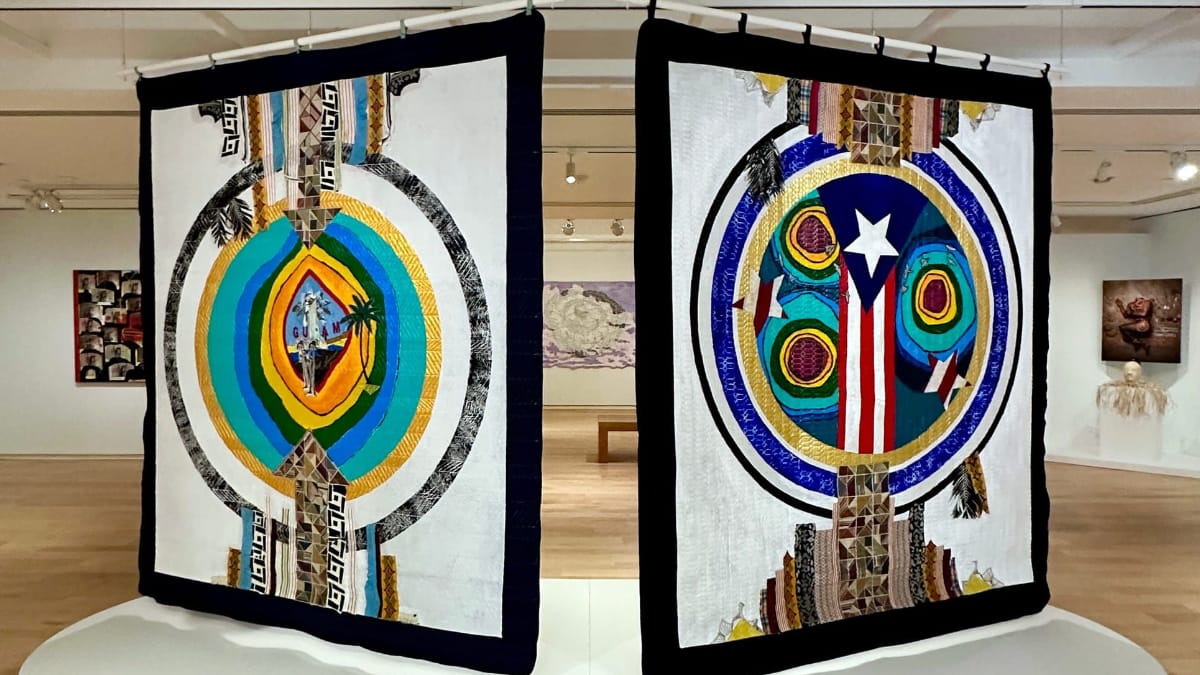
- Decentralized Critiques: Critical frameworks are shifting away from Eurocentric canons toward broader global perspectives, as demonstrated by critic Aruna D’Souza’s exploration of "archipelagic thinking" in exhibitions connecting art from Cuba, Guam, the Philippines, and Puerto Rico.
As the fall season unfolds across galleries, biennials, and picket lines, the art world is being forced to confront its internal contradictions. Whether these systemic pressures will lead to lasting structural reforms remains one of the most compelling narratives to watch in contemporary culture.
 Nana
Nana
 Iffa Jayyana
 Muslim
