

By Anna Lee
September 16, 2026
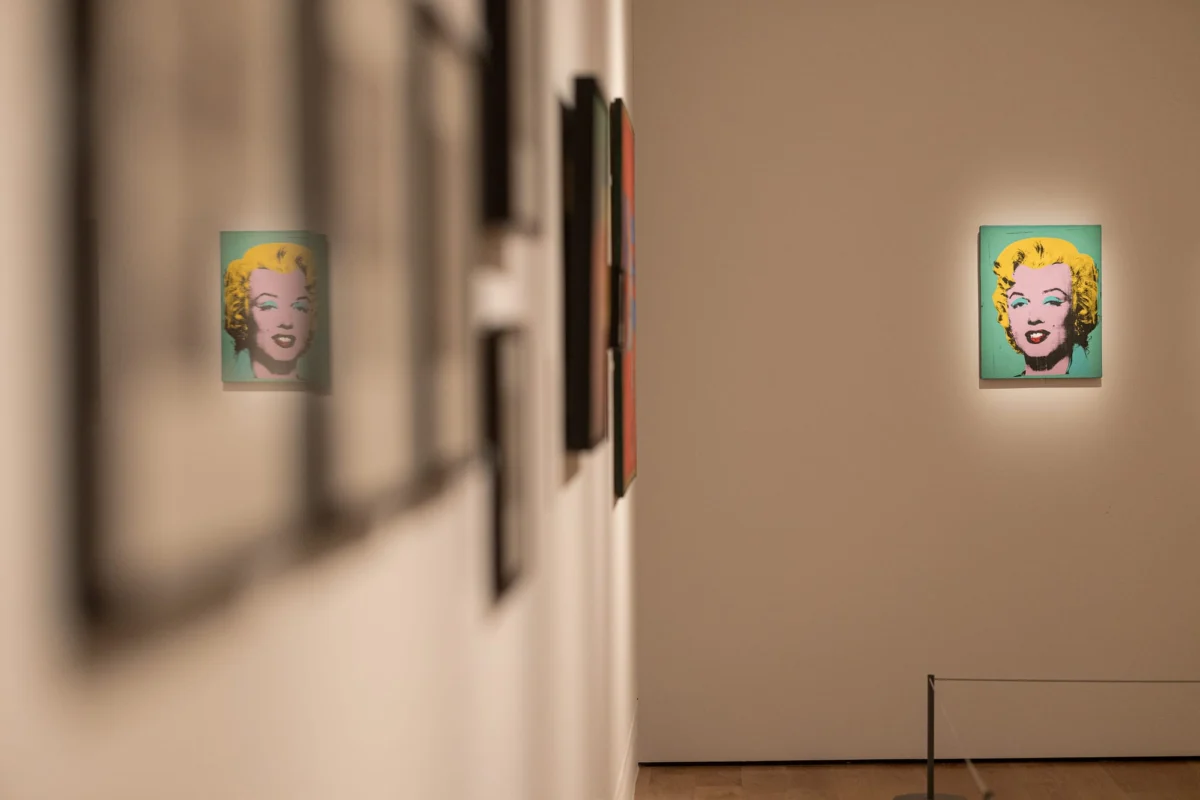
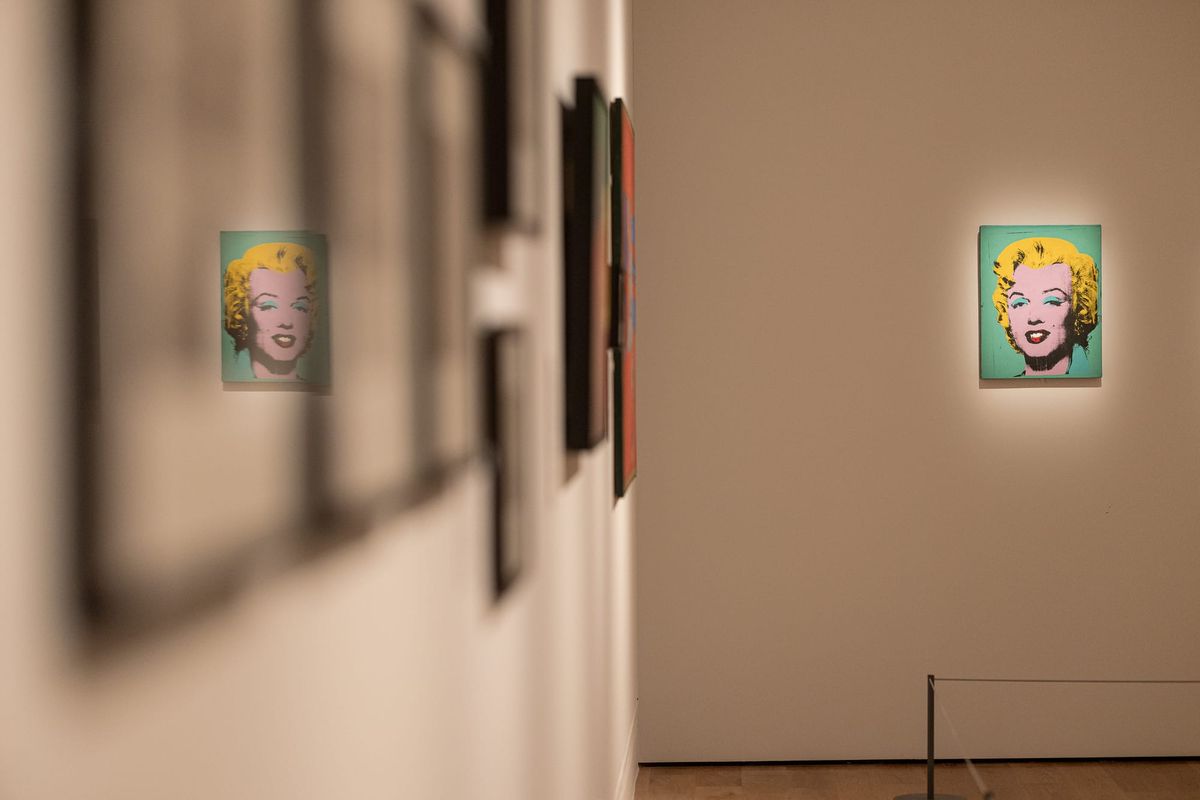
A prominent Florida real estate investor and his family claim they were systematically defrauded of more than $6.7 million in an elaborate international art-ring operation. Over the course of a year, the family allegedly purchased more than 200 forged works attributed to pop art pioneer Andy Warhol.
According to a civil racketeering lawsuit filed on September 9 in a Miami-Dade county court, the fraudulent enterprise relied on a transnational pipeline involving Peruvian painters, domestic distributors, complicit authenticators, and high-end galleries. The complaint outlines a sophisticated, multi-layered conspiracy that underscores the enduring vulnerabilities of the high-end fine art market, where high valuations often outpace rigorous provenance checks.
Main Facts of the Case
The lawsuit, first brought to public attention by the Wall Street Journal, was filed by real estate investor Richard Perlman on behalf of himself, his wife, and his son. Between 2023 and 2024, the family acquired a massive inventory of purported Warhol prints and canvases featuring iconic cultural touchstones, including Superman, Queen Elizabeth II, and other celebrated figures.
The core accusation centers on a recurring falsehood: that the artworks supplied to the Perlmans originated from, or were formally authenticated by, the Andy Warhol Foundation for the Visual Arts. In reality, the lawsuit alleges, the pieces were cheaply manufactured abroad, smuggled across international borders, and stamped with fabricated seals of authenticity by a coordinated network of domestic art dealers.
The legal action invokes civil racketeering statutes, characterizing the defendants not merely as isolated bad actors, but as an organized enterprise with a clearly defined structure. Each participant allegedly executed a specialized role—from sourcing cheap reproductions in South America to laundering their legitimacy through domestic galleries and falsified historical narratives.
Chronology of the Fraud and Legal Fallout
The Perlmans’ ordeal represents a slow-burning disaster that began in quiet transactions and culminated in cascading legal battles across multiple states.
2023: The Initial Acquisitions
The family’s venture into high-end art collecting began when they purchased purported Warhol artworks from Leslie Roberts, the owner of the Miami Fine Art Gallery (MFAG). Confident in the visual presentation and the purported paperwork accompanying the pieces, the Perlmans continued to buy from Roberts, ultimately accumulating over 200 works and sinking millions into the inventory.
2024: The Unraveling and the First Settlement
The illusion shattered when the family attempted to consign or evaluate parts of their collection. According to the lawsuit, representatives at Christie’s raised serious red flags, expressing deep concerns regarding the authenticity of the works. Recognizing they had likely been duped, the Perlmans filed a lawsuit against Roberts in 2024. That case concluded with an out-of-court settlement for an undisclosed sum. While Roberts maintained that the sales were an honest mistake, his legal troubles were far from over; he is slated to be sentenced on related federal wire fraud charges later this month.
July 2026: Federal Raids and Expanding Investigations
The investigation widened significantly over the summer. Federal law enforcement agencies zeroed in on interconnected galleries. Notably, agents from the Federal Bureau of Investigation (FBI) raided Dane Fine Art, a Philadelphia-based gallery operated by Nathan Isen—an art dealer previously convicted of money laundering in 2015. The civil suit alleges that Isen actively abetted Roberts in distributing the sham works.
Supporting Data and Key Figures Involved
The civil complaint paints a vivid picture of a cottage industry dedicated to churning out convincing counterfeits and injecting them into legitimate circulation. The supply chain mapped out in the lawsuit includes several key figures spanning various corners of the art world:
- Leslie Roberts: Owner of Miami Fine Art Gallery, who allegedly spearheaded the direct sales to the Perlmans before facing federal wire fraud charges.
- Nathan Isen: Operator of Philadelphia’s Dane Fine Art, accused of assisting in the distribution of the fraudulent inventory. Isen previously drew federal scrutiny following a 2015 money laundering conviction.
- Oscar Cordova: A Florida-based art dealer accused of supplying Roberts with fake Andy Warhol canvases.
- Edward Kurstak: Another Florida art dealer accused of applying phony authentication stamps to give the illusion of legitimacy to the forged pieces.
- Allan Dampf: A retired Florida dentist who allegedly fabricated false provenance histories to prop up the value and background of the works sitting in Roberts’s inventory. Dampf is no stranger to art-world litigation, having been a defendant in a 2012 New York civil suit where Sotheby’s famously described works he traded as "flat-out fakes."
At the bottom of this distribution pyramid were production operations in Peru, where investigators allege that counterfeit canvases were painted and shipped directly to MFAG for bargain-basement production costs as low as $30 per piece.
Official Responses and Institutional Vulnerabilities
The Andy Warhol Foundation for the Visual Arts, whose name was invoked repeatedly by the fraudsters to legitimize the fake works, has long since stepped away from the fraught business of authenticating art.
Established to manage the artist’s estate and promote contemporary visual arts, the Foundation’s authentication board was dissolved in 2011. The board had faced immense financial strain, largely driven by mounting legal defense costs. Most notably, the board was hit with a 2007 antitrust lawsuit that accused it of artificially inflating prices and suppressing the market by refusing to authenticate genuine pieces. Since the board’s closure, the primary burden of authentication has fallen on independent scholars, catalog raisonné committees, and auction house specialists—leaving a vacuum that bad actors frequently exploit.
In the wake of the Perlman lawsuit, representatives for the accused dealers and galleries have offered varying defenses, ranging from assertions of good-faith dealings to outright denials of participation in a racketeering enterprise. However, the accumulation of federal indictments, FBI raids, and civil complaints suggests a tightening net around the illicit network.
Broader Implications for the Art Market
The Perlman family’s multi-million-dollar loss is not an isolated incident; rather, it reflects a broader, global crisis of counterfeiting plaguing the fine art market. Law enforcement agencies worldwide have reported an alarming surge in sophisticated art forgery operations capitalizing on the soaring values of mid-20th-century icons.
Just recently, international authorities have clamped down on massive forgery syndicates:
- Italian Police Crackdown (2024): Italian law enforcement seized over 2,100 forged works—including pieces falsely attributed to Warhol—after dismantling a sprawling, 38-person international forgery ring.
- The Brian Walshe Case (2024): In Massachusetts, conman Brian Walshe was sentenced to more than three years in federal prison for orchestrating a scheme to sell counterfeit paintings marketed as original Andy Warhol works.
- Brooklyn Court Guilty Pleas (April 2026): A father and daughter pleaded guilty in a Brooklyn federal court for peddling a cache of fraudulent artworks that included pieces deliberately misattributed to pop and street-art masters.
The repeated exploitation of Andy Warhol’s name highlights the unique vulnerabilities of pop art. Because Warhol’s practice frequently involved mechanical reproduction, silkscreen printing, and studio assistants producing multiples, bad actors often find it easier to mask the hand of the forger behind the aesthetic of mass production.
As the civil racketeering lawsuit makes its way through the Miami-Dade courts, it serves as a stark warning to collectors, investors, and galleries alike. The case demonstrates that without rigorous, independent vetting and verifiable paper trails reaching back to the artist’s studio, even the most astute buyers can find themselves investing millions in an illusion built on a foundation of cheap paint and repeated lies.
 Nana
Nana
 Iffa Jayyana
 Muslim
