

By Global Arts & Culture Desk
Main Facts
The contemporary intersection of pop culture, political censorship, and high-stakes media curation has ignited a firestorm within the global artistic community. At the center of the controversy is British pop megastar Ed Sheeran, who has become the primary target of a scathing wave of online protest art and political satire. The backlash was swift following reports that Sheeran dropped rapper Macklemore from his ongoing "Loop Tour" after Macklemore delivered public remarks opposing the ongoing genocide in Gaza.

Simultaneously, the art world is wrestling with a broader spectrum of cultural flashpoints highlighted in recent critical roundups. These include the eclectic and heavily scrutinized selections of the latest TIME100 Art list—which bizarrely places visionary portraitist Amy Sherald alongside Donald Trump’s favored Christian speed painter—as well as ongoing institutional exhibitions, historical explorations of African American blacksmithing traditions, and deep-dive critical evaluations of contemporary artistic practices.
Chronology of Events
- The Gaza Controversy and Tour Shaking: The friction began when rapper Macklemore used a high-profile platform to voice staunch opposition to the genocide in Gaza. Shortly after the remarks circulated globally, reports confirmed that Macklemore was abruptly cut from Ed Sheeran’s Loop Tour lineup, sending shockwaves through music and activist circles.
- The Online Satire Wave Erupts: In the days following the tour reshuffling, illustrators, cartoonists, and meme creators mobilized online. Artists such as political cartoonist Benjamin Slyngstad and Chicago-based illustrator Jesse Duquette began circulating biting satirical works lambasting Sheeran’s actions and mocking his discography.
- The TIME100 Art Debacle: As the cultural dust settled around the music industry, senior editors at cultural publications began reviewing the bizarre curatorial choices of the newly released TIME100 Art list, questioning the methodology behind juxtaposing canonical contemporary artists with sensationalist or politically charged populist painters.
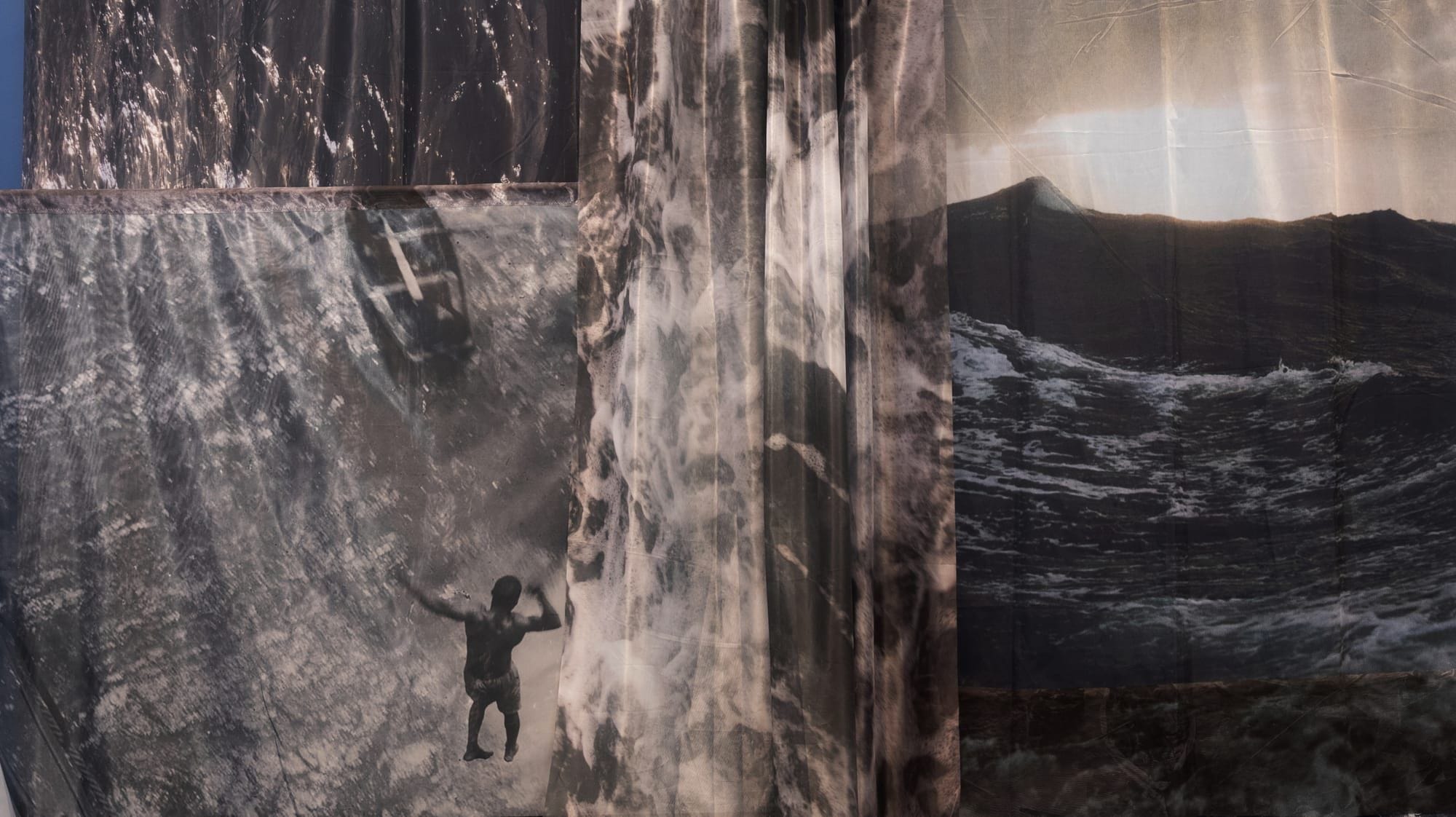
- Fall Exhibitions Open: Concurrently, major cultural institutions rolled out their autumn rosters. Notable openings included Tauba Auerbach’s immersive exhibition “Zephyr Zephyr” at the Paula Cooper Gallery, running through October 24, and Cosmo Whyte’s multi-medium exploration of memory and migration at the University of Michigan’s Stamps Gallery, scheduled through December 12.
Supporting Data and Cultural Highlights
The current landscape of cultural critique spans a diverse array of media, exhibitions, and written evaluations:
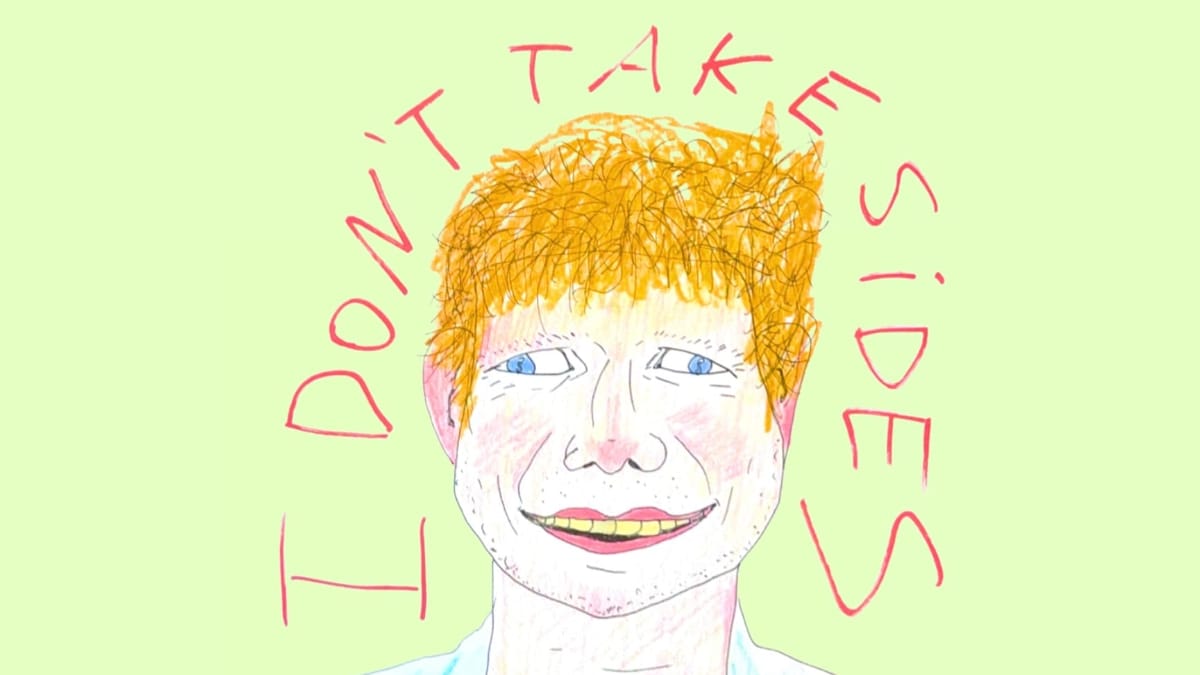
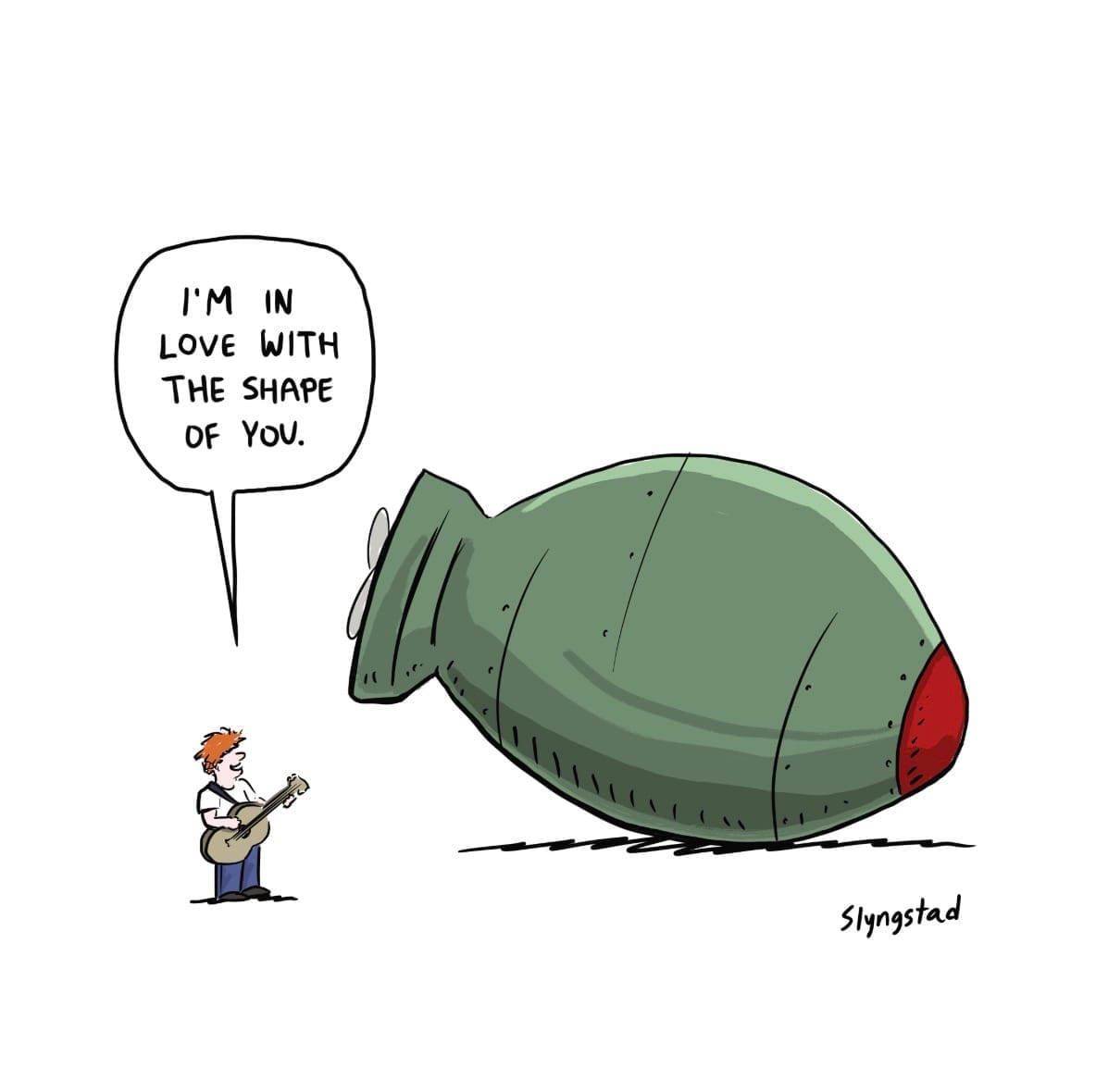
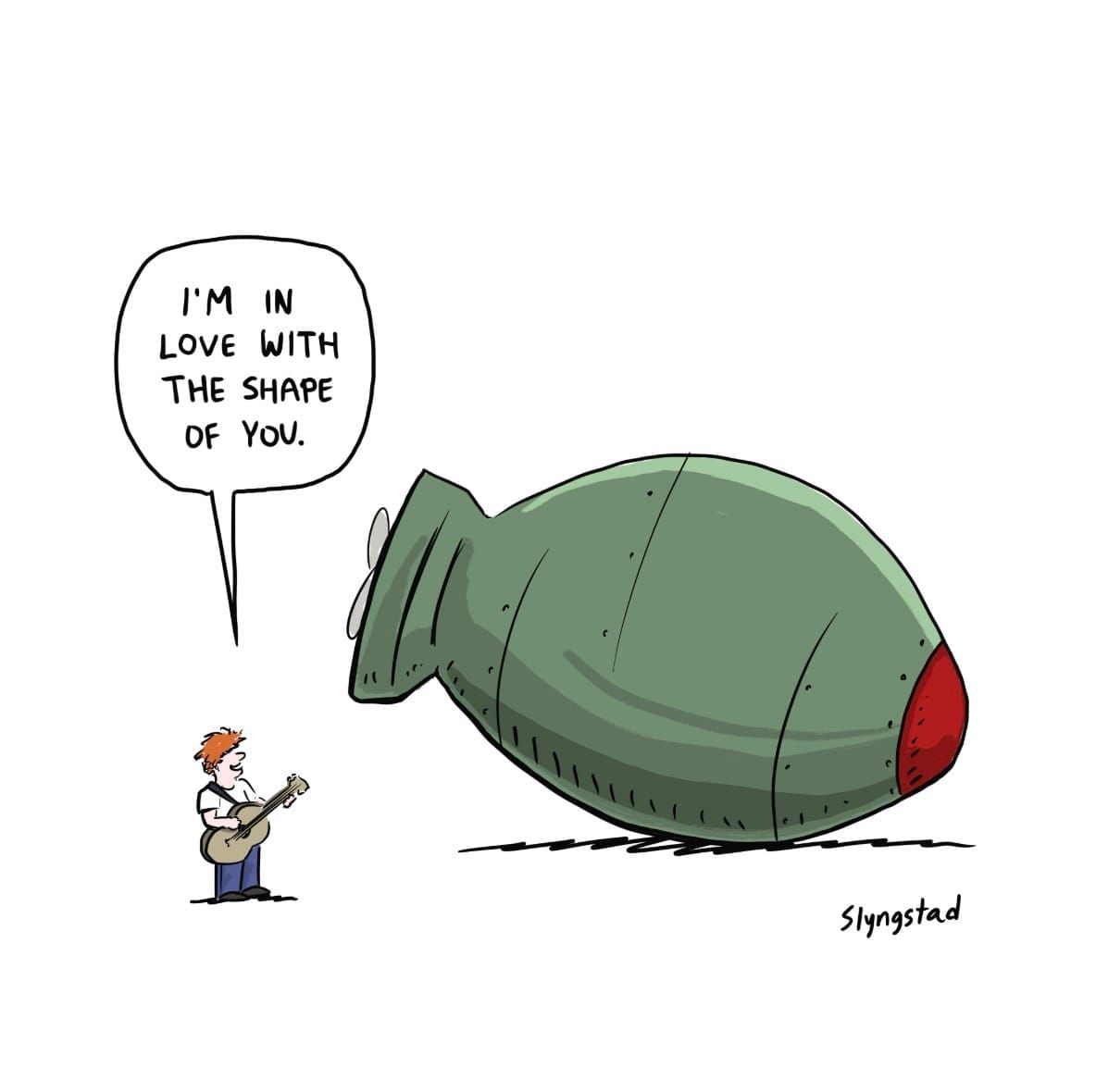
- Ed Sheeran Protest Art: Satirical visual commentary has taken many forms across Instagram and independent art platforms. Benjamin Slyngstad’s cartoon depicts Sheeran soulfully serenading an incoming missile, a dark comedic nod to his hit single "Shape of You." Meanwhile, Jesse Duquette posted an illustration mocking both Sheeran’s musical catalog and his political compliance, quipping, "Who knew his music would be the second worst thing about him," alongside an imaginative sketch of the singer casting historical figures in 1933.
- Critical Reviews and Pocket Analyses:
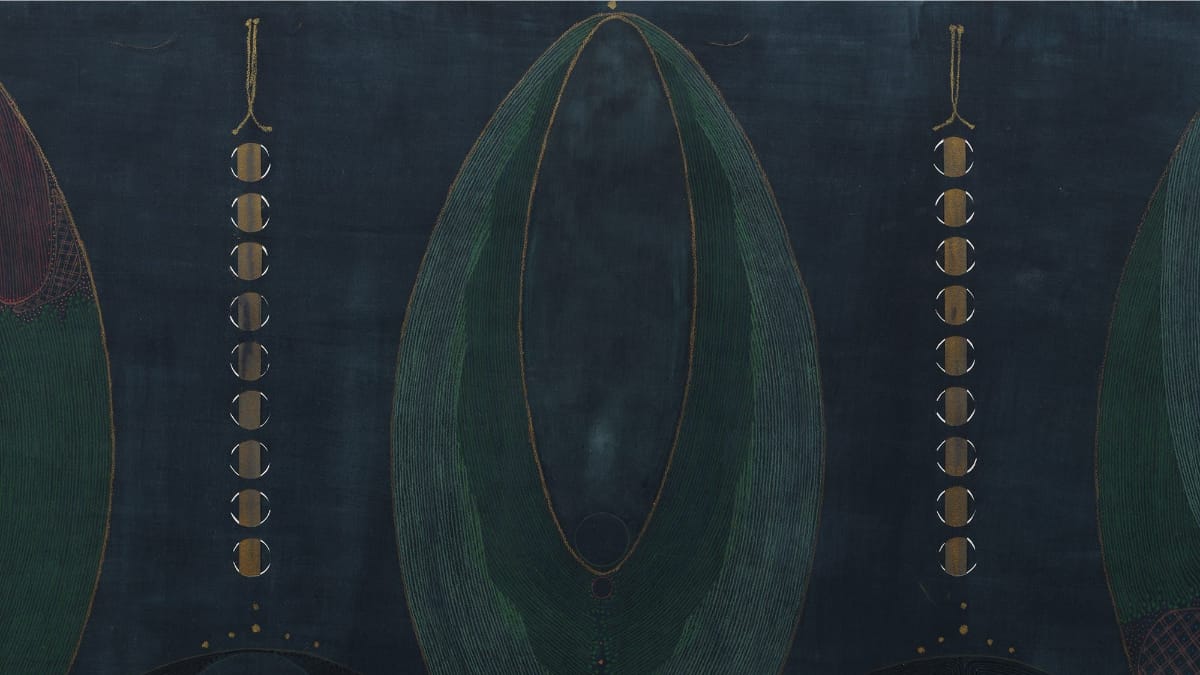
- Johanna Unzueta: Editor-in-Chief Hakim Bishara published a Pocket Review examining Chilean artist Johanna Unzueta’s delicate, tactile drawings executed on hand-dyed paper and homespun fabrics.
- Emily Mason: Art historian Barbara Stehle revisited the legacy of late abstract expressionist Emily Mason, contrasting her immersive, exploratory approach to color with the overbearing hubris historically characteristic of mid-century male abstract expressionists.
- Historical and Architectural Lineages: A prominent feature in recent cultural reporting explores the deep historical roots of African American blacksmiths, tracing a powerful generational lineage of the Sankofa philosophy embedded within traditional Black American ironwork.
- Exhibition Metrics: Tauba Auerbach’s “Zephyr Zephyr” features a fresh series of systemic paintings, detailed photographs, and complex sculptures housed at 521 West 21st Street in New York, offering viewers a mathematically rigorous yet physically fluid aesthetic experience.
Official Responses and Public Reactions
The reaction from the creative community has been overwhelmingly unified against what many perceive as corporate cowardice and ideological censorship within the mainstream music industry.
While representatives for Ed Sheeran have largely remained silent regarding the specific motivations behind removing Macklemore from the tour roster, independent cultural critics have spoken volumes. Writing for cultural journals, critics have framed Sheeran’s omission of his pro-Palestine opener as a symptom of a broader industry disease: risk-averse sanitization designed to protect corporate sponsorships and global marketability at the expense of genuine human empathy and free expression.
In the realm of institutional and critical media, responses to list-based cultural metrics—such as the TIME100 Art roster—have been mixed to hostile. Senior editors have publicly questioned the curatorial oversight that results in apples-to-oranges comparisons, asking how legacy institutions can responsibly balance fine art pioneers with populist novelty acts without diluting the integrity of artistic discourse.
Implications for the Contemporary Art World
The convergence of these cultural controversies points to a shifting reality for artists, musicians, and institutions alike.
- The Weaponization of Platforms: Pop musicians and cultural icons are increasingly finding that they cannot neatly separate their commercial platforms from global sociopolitical realities. When artists attempt to silence collaborators over geopolitical stances, the global creative community is quick to deploy digital media, illustration, and satire to hold them accountable.
- The Blurring Lines of Curation: Controversies surrounding lists like TIME100 Art underscore a growing anxiety within the fine arts community about the democratization versus the dilution of artistic value. As algorithms and mainstream media conglomerates attempt to codify who matters in contemporary art, independent critics and curators are pushing back, demanding rigorous intellectual standards rather than sensationalist clickbait.
- Resilience Through Historical Memory: Exhibitions like Cosmo Whyte’s at the Stamps Gallery and the spotlight on African American blacksmithing traditions demonstrate a vital counter-movement. Rather than engaging purely with fleeting pop-culture controversies, contemporary creators are doubling down on deep historical excavation, using sculpture, textile, and installation to question who holds the power to shape historical narratives.
Ultimately, whether through a satirical cartoon of a pop star serenading a missile or a quiet, meditative drawing on hand-dyed fabric, the cultural ecosystem is actively negotiating the boundaries between commercial safety, political integrity, and enduring artistic truth.
 Nana
Nana
 Iffa Jayyana
 Muslim
