

By Global Arts Correspondent
Published in partnership with cultural reviews and editorial digests
Main Facts
The autumn arts season in New York and international cultural capitals has launched with a dizzying array of high-stakes exhibitions, trade fairs, and critical reckonings. In a recent editorial dispatch by Hyperallergic Editor-in-Chief Hakim Bishara, the stark juxtaposition of the contemporary art market’s opulence and urban socioeconomic realities took center stage.
Running parallel to the glitz of Armory Week—characterized this year by a noticeably quiet, downcast tone—are major institutional retrospectives, including Arthur Jafa’s landmark exhibition at the newly expanded New Museum on the Lower East Side, and fierce critical debates abroad, such as the unfiltered dismantling of the 61st Venice Biennale’s weakest national pavilions.
The current cultural landscape is defined by stark dichotomies: the staggering sums and quiet speculation of the commercial art fair circuit versus the raw vulnerabilities of urban life just outside museum doors; institutional retrospectives honoring historical avant-gardes; and provocative commentary tackling everything from Renaissance tarot decks to Damien Hirst’s notorious early artistic escapades.

Chronology of the Autumn Arts Season
The unfolding of the fall 2026 cultural calendar has followed a distinct rhythm, moving from high-society previews to neighborhood-level grassroots showcases:
- Early September: The 61st Venice Biennale continues its historic run (extending through November 22), setting the stage for international discourse. Initial praise for standout national pavilions gives way to a more ruthless, gloves-off critical evaluation by critics like Hrag Vartanian and Aruna D’Souza regarding the Biennale’s misfires.
- Mid-September (Armory Week): Press previews for the Armory Show open in New York City. Industry insiders mingle, setting a tone that many describe as unusually muted, understated, and financially anxious.
- Post-Preview Walks: Walking back from the fair circuit, cultural critics confront the immediate urban environment of New York—highlighted by the juxtaposition of the New Museum’s sleek glass expansion against the raw, unaddressed realities of addiction and homelessness on the Lower East Side.
- Late September to October: Neighborhood-centric events take the spotlight, notably the annual Bushwick Open Studios, alongside historical explorations like the Morgan Library & Museum’s exhibition on early tarot decks and retrospective deep-dives into artists like Alison Knowles.
Supporting Data and Highlights: What’s Showing This Season
The current arts ecosystem spans several major focal points, capturing the attention of critics, collectors, and casual gallery-goers alike:
1. The Armory Show: A Muted Market
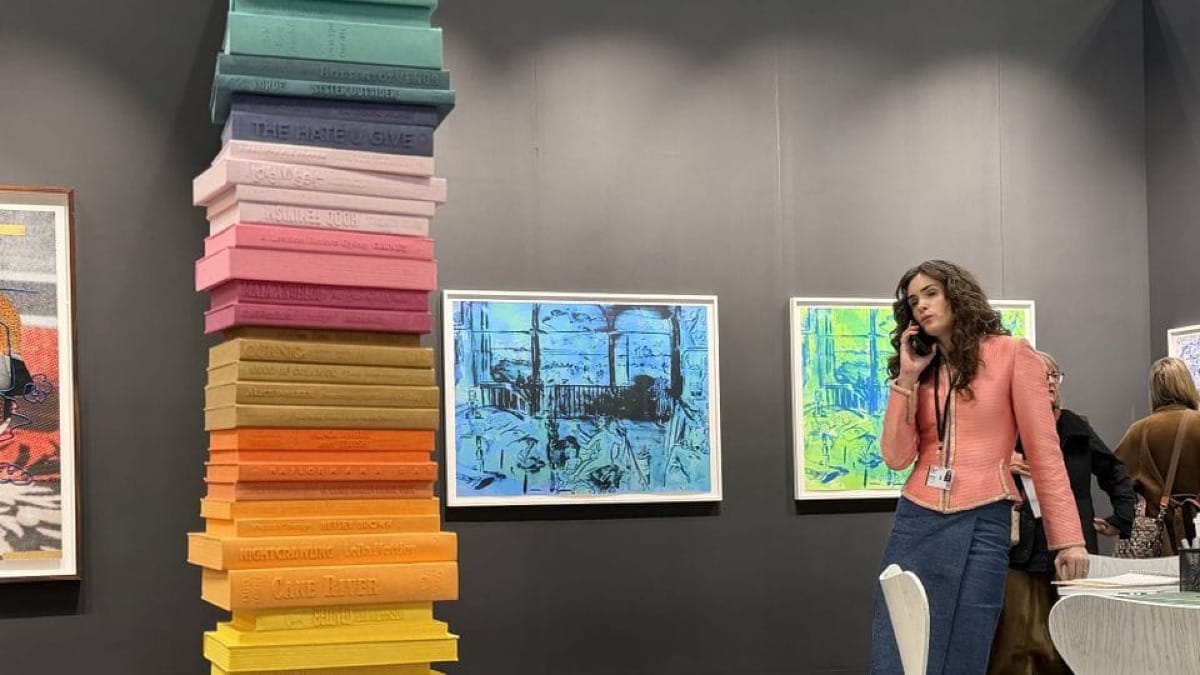
Described by observers as surprisingly quiet and downcast, this year’s Armory Show reflected broader economic jitters. In a twist of dark irony, commentators noted that the financial sector trade shows operating on the floors below felt significantly more vibrant and riotous than the contemporary art offerings.
2. The Venice Biennale: Tearing Down the Pavilions
In a two-part critical series for Hyperallergic, Editor-at-Large Hrag Vartanian and critic Aruna D’Souza shifted from praising the finest national pavilions of the 61st Venice Biennale to a brutal, unsparing critique of its worst offerings. The discourse has sparked intense debates among international curators regarding the ongoing relevance—and structural flaws—of the national pavilion model.
3. Institutional Anchors in New York
- Arthur Jafa at the New Museum: A major retrospective highlighting Jafa’s monumental impact on contemporary moving-image art, drawing crowds right to the edge of the Lower East Side.
- Tarot for a Broken World (The Morgan Library & Museum): An exhibition exploring some of the world’s oldest surviving tarot decks, examining how a Renaissance card game evolved into a complex psychological and cultural artifact.
- The Book of Alison Knowles: Curated as a deep-dive into the language of bookmaking and its radical, foundational influence on American avant-garde and Fluxus movements.
- Bushwick Open Studios: Danielle De Jesus’s localized exploration of Brooklyn’s grassroots arts scene, featuring inner-child explorations, diasporic Filipina tributes, and portraits of trans communities.
4. Alternative Narratives and Features
From public art guides spanning ten US cities this autumn to bizarre historical anecdotes—such as the titillating tales surrounding Damien Hirst’s early artistic spaces (colloquially referred to in critical circles)—the season refuses to stay within polite, white-cube boundaries.
Official Responses and Critical Commentary
The intersection of commercialism, institutional ambition, and street-level reality has drawn sharp commentary from prominent voices within the arts community.
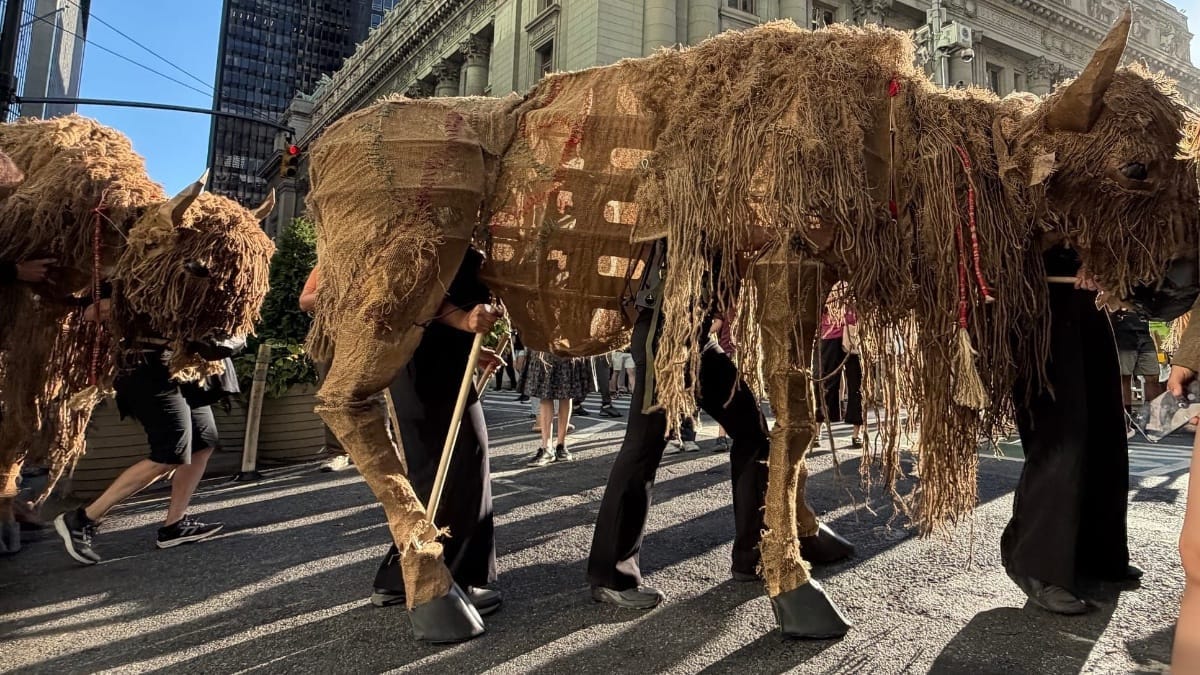
Reflecting on the atmospheric disconnect of the art fair circuit, Hakim Bishara noted a telling, deadpan exchange with a curator during the Armory Show press preview. When the curator remarked on being "obsessed with money and lifting weights" (before quickly correcting it to "running"), it unintentionally captured the hyper-fixation on financial viability that underpins the contemporary fair ecosystem.
Outside the gallery walls, the commentary turns sharper. The juxtaposition of high-end museum expansions against the backdrop of urban decay—such as the drug crisis unfolding steps away from the New Museum—serves as a silent indictment of the art world’s insulation.
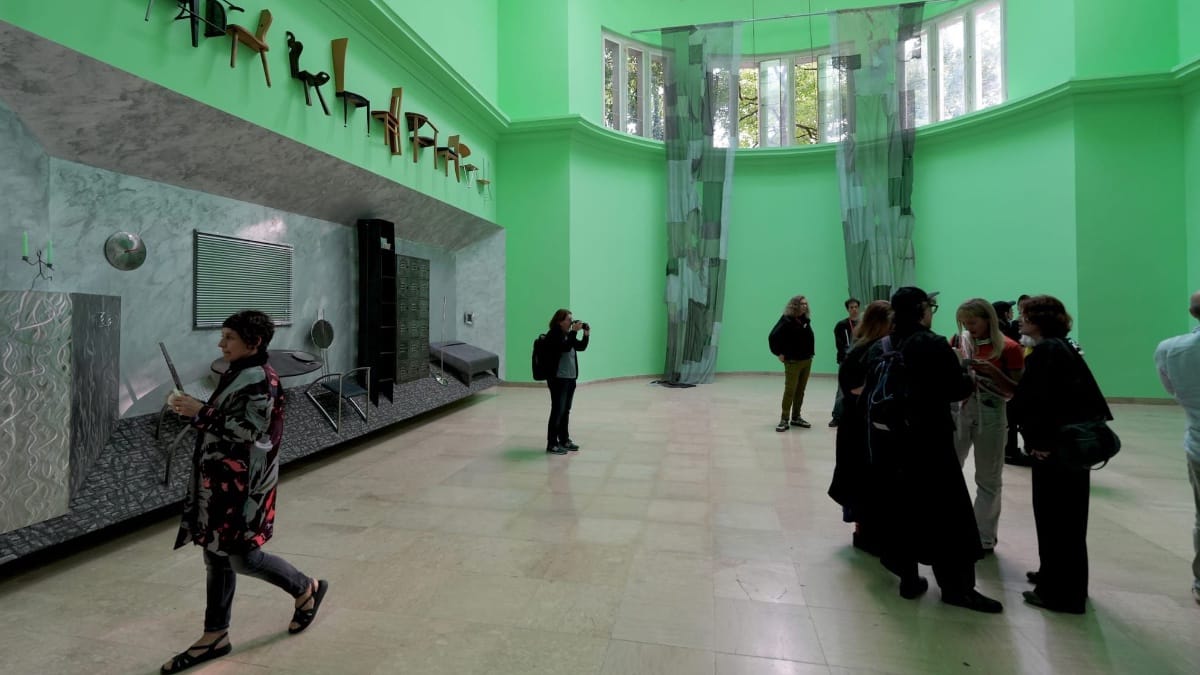
Meanwhile, critics Vartanian and D’Souza have faced both applause and pushback for their uncompromising dismantling of international biennale pavilions. By refusing to sugarcoat institutional failures in Venice, they have opened a wider conversation about accountability, state-sponsored propaganda masquerading as art, and the fatigue surrounding bloated global mega-exhibitions.
Implications for the Future of the Art Market
The trends crystallizing this autumn suggest a profound structural shift is underway within the global art establishment:
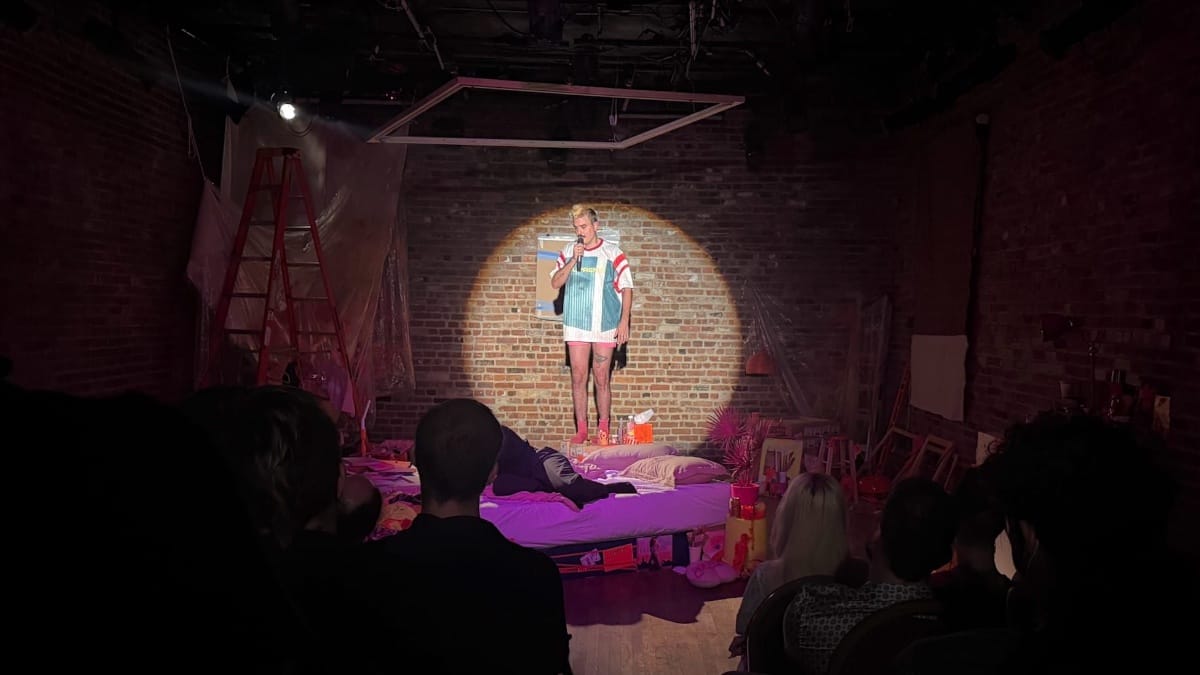
- Financial Caution and Market Correction: The subdued energy at the Armory Show indicates that speculative buying may be cooling off. Galleries and collectors are adopting a more defensive, cautious posture amid macroeconomic uncertainties.
- The Crisis of the Mega-Exhibition: The harsh evaluations of the Venice Biennale point to a growing weariness with the traditional national pavilion structure. As critics demand deeper intellectual rigor rather than superficial spectacle, future international exhibitions may be forced to rethink how nations represent themselves globally.
- The Gentrification Paradox: The physical proximity of gleaming contemporary art institutions to severe urban distress—as witnessed on the Lower East Side and in rapidly gentrifying arts hubs like Bushwick—forces a reckoning. Art institutions can no longer easily pretend they exist in a vacuum separate from the socio-economic pressures displacing the communities around them.
As the fall season presses forward, the art world finds itself suspended between two worlds: the rarefied, market-driven fantasy of the fair circuit, and the messy, urgent realities of contemporary life unfolding right outside its pristine glass doors.
 Nana
Nana
 Iffa Jayyana
 Muslim
