

Twenty years have passed since the world first stepped into the frenetic, neon-lit corridors of Mode magazine. When Ugly Betty premiered on ABC on September 28, 2006, it arrived at a cultural crossroads. The television landscape was still vibrating from the seismic shift caused by Sex and the City, and the box office was dominated by glossy, aspirational publishing-world hits like The Devil Wears Prada, 13 Going on 30, and How to Lose a Guy in 10 Days.
Yet, Ugly Betty was different. Based on the wildly successful Colombian telenovela Yo soy Betty, la fea, the series served as a bridge between the high-fashion, surface-level sheen of the mid-2000s and the deeper, more complex narratives regarding identity, immigration, and family that would come to define the modern era of prestige television.
The Genesis of an Icon
Executive produced by Hollywood powerhouse Salma Hayek and spearheaded by the late, visionary creator Silvio Horta, Ugly Betty was born from a desire to blend the high-stakes drama of a telenovela with the biting, irreverent humor of American primetime.
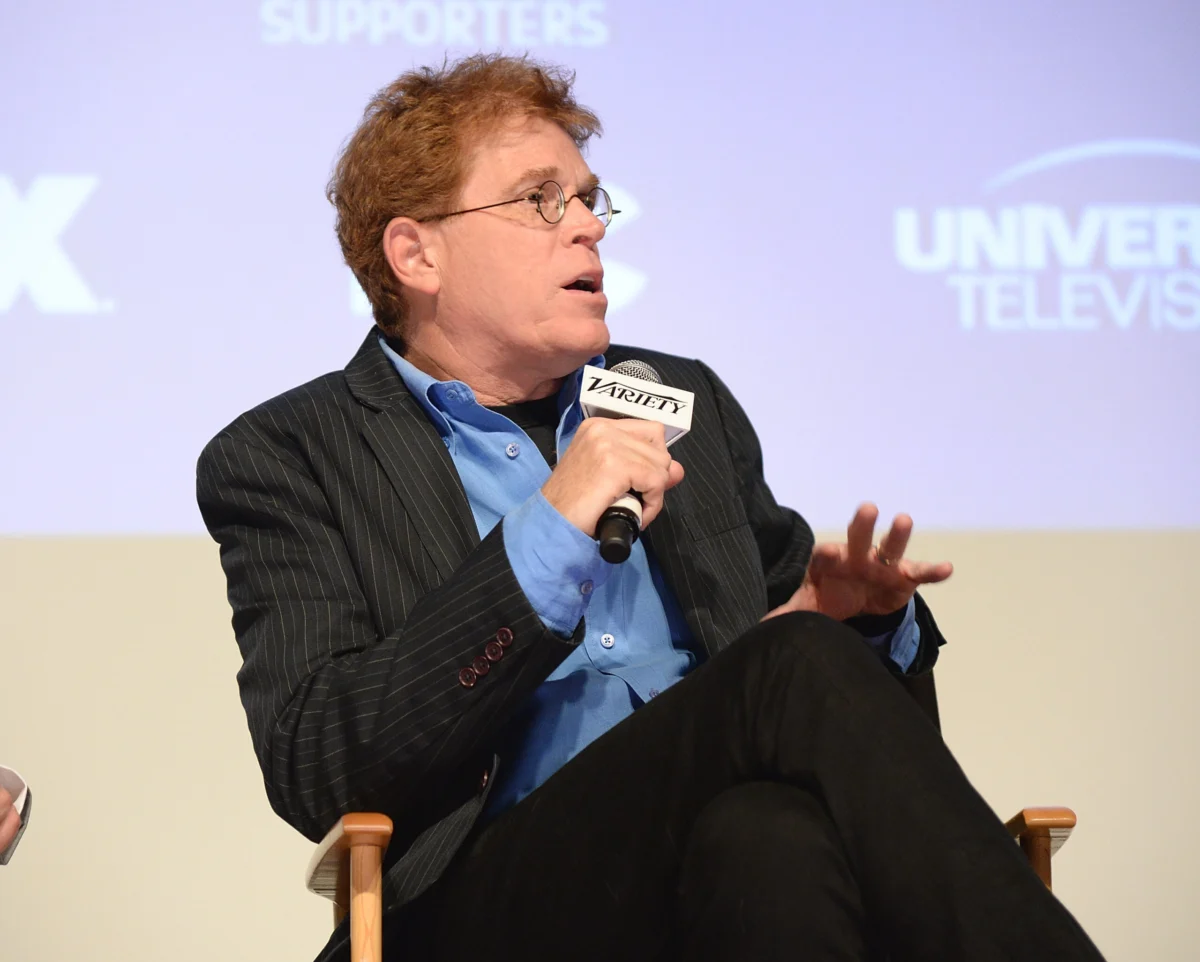
"Silvio—may he rest in peace—was a great guy, and he really wanted to do a telenovela with humor," recalls co-executive producer Olivier Goldstick. "The network at the time wanted to lean much harder into the comedy, so it was an interesting tightrope to walk. We had to balance the campy, over-the-top elements of the fashion industry with the very grounded, very human stakes of the Suarez family in Queens."

Horta, who passed away in 2020, was instrumental in ensuring that the titular character, played by the then-rising star America Ferrera, never became a caricature. Ferrera’s portrayal of Betty Suarez—a brilliant, ambitious young woman from Queens with an unapologetic sense of self—anchored the show. Her performance earned her the "triple crown" of acting honors: an Emmy, a Golden Globe, and a Screen Actors Guild Award, cementing her status as a cultural icon and signaling a shift toward more diverse representation in lead roles.
A Narrative Chronology: From Outsider to Insider
The first season of Ugly Betty was a masterclass in character development. The premise was deceptively simple: Betty is hired by publishing mogul Bradford Meade (Alan Dale) to be the assistant to his womanizing son, Daniel (Eric Mabius). The "catch" was that Daniel would only treat his assistants with professional respect if they were, in his father’s words, "unattractive."
What followed was a transformative journey. Betty moved from being a fish-out-of-water outsider to becoming Daniel’s most trusted confidant. Along the way, the series tackled the toxic workplace culture of Mode, led by the iconic duo of Wilhelmina Slater (Vanessa Williams) and her snide assistant, Marc St. James (Michael Urie). While they began as antagonists, the writers—including Goldstick, who penned pivotal episodes like "Lose the Boss" and "Punch Out"—slowly peeled back their layers, turning them into fan-favorite characters who were just as vulnerable as the protagonist.
The show’s structure was equally unique. While Betty navigated the treacherous waters of Manhattan’s fashion elite, the "B-story" was firmly rooted in the Suarez household. Her doting father, Ignacio (Tony Plana), her spirited sister, Hilda (Ana Ortiz), and her fashion-forward, burgeoning nephew, Justin (Mark Indelicato), provided the emotional heartbeat of the series. All of this unfolded against the backdrop of a sprawling, telenovela-style mystery involving the fate of the magazine’s former boss, Faye Sommers.

Supporting Data: The Power of ‘Mama Bear’ Moments
The writing staff on Ugly Betty focused heavily on the concept of protection. Goldstick notes that the parallel between the Suarez family and the Mode offices was a deliberate creative choice.
"In ‘Lose the Boss,’ we see Hilda protecting Justin when her ex-boyfriend, Santos, critiques him for his appearance," Goldstick explains. "Hilda is a mama bear. Later, in ‘Punch Out,’ we see Betty step into that same role for Daniel. She stops being just his assistant and becomes a kind of guardian angel. She realized that without her, he was spiraling. It was a beautiful arc that showed that strength isn’t just about professional success; it’s about who you choose to defend."
This theme of vulnerability extended to the cast’s off-screen dynamic. Goldstick shares an anecdote that highlights the unexpected chemistry behind the scenes: "Vanessa Williams and Michael Urie—no one will believe this—were both nerds in high school who played the French horn. We were shooting a scene in downtown L.A. at dawn, and they started talking about band camp. It was a bizarre, perfect, and very human moment that made the show feel so much more authentic."
Official Responses and Industry Impact
The industry’s reaction to Ugly Betty was immediate and overwhelmingly positive. The show secured the Golden Globe for Best Comedy/Musical Series in its freshman year, proving that audiences were hungry for stories that were both "silly" and substantial.

However, the path to production was not without its hurdles. Goldstick recalls the network’s initial hesitation regarding the show’s title. "They were worried about calling a show Ugly Betty," he admits. "But Salma Hayek was incredible. She stood up to the executives and told them, ‘She will be the most beautiful person on your network by next May.’ She understood that the title was ironic and that the show was ultimately about internal beauty."
This focus on "invisibility versus visibility" became the show’s calling card. The writers used the "candy-wrapped package" of a fashion dramedy to discuss the "thorny, difficult subjects" of immigration, classism, and the elitism of the fashion industry. By the time characters like Constance Grady (Octavia Spencer) arrived to threaten the security of the Suarez family, the audience was already deeply invested, allowing the writers to deliver heavy, emotional storylines that might have been ignored in a less "fun" show.
The Digital Frontier and Legacy
Ugly Betty also arrived at the dawn of the social media age, changing the relationship between creators and the audience. It was one of the first television series where the writing staff felt the immediate impact of online fan discourse.
"The internet was just starting to really pop," Goldstick says. "I remember fans being furious about Betty’s romantic choices—whether she should be with Daniel or Henry Grubstick (Christopher Gorham). We were reading those comments in real-time. It forced us to realize that the audience felt they owned these characters. That feedback loop is standard now, but back then, it was a brand-new, often overwhelming experience."

Looking back, the implications of Ugly Betty are profound. The show challenged the definition of a "guilty pleasure." While critics and viewers often dismiss such shows as lighthearted fluff, the reality is that Ugly Betty served as a foundational text for a generation of viewers. It taught them that television could be subversive, politically relevant, and fashion-forward all at once.
"Sometimes we dismiss things as being fluff," Goldstick concludes. "But those ‘guilty pleasures’ often have more resonance than what we think is profound. Ugly Betty was a subversion of the American Dream, a look at what it means to be an immigrant in a city that tells you you don’t belong, and a love letter to the people who keep us grounded. Twenty years later, it’s clear that we were doing something that had a much longer shelf life than we ever imagined."
As the series enters its third decade, its influence can be felt in shows like Bridgerton, High School Musical: The Musical: The Series, and Pretty Little Liars—all projects that, like Ugly Betty, understand that to capture the heart of an audience, you must first earn their trust through a blend of style, humor, and, most importantly, radical empathy.
 Asep Darmawan
 Reynand Wu
 Layla Zulfa
