

For decades, the standard for tourism was set by the "must-see" list: the crowded museums, the overpriced observation decks, and the bus tours that keep visitors at a polite, air-conditioned distance from the reality of the destination. However, a significant shift in travel philosophy has occurred in recent years, driven largely by the rise of peer-to-peer platforms. Airbnb Experiences, in particular, have transitioned from an experimental side-hustle for the platform into a cornerstone of the modern "experiential travel" movement.
While critics often argue that these experiences can be hit or miss—ranging from enlightening masterclasses to lackluster tourist traps—the best offerings provide a gateway to the authentic soul of a city. When curated correctly, they allow travelers to move beyond the superficial and engage with the local culture on a granular, expert-led level.
The Evolution of the "Skillcation"
The modern traveler is no longer content to be a passive observer. There is a burgeoning demand for "skillcations"—trips designed not just to see a new skyline, but to leave with a new hobby or a deeper understanding of a niche craft. Whether it is learning the delicate art of French pastry from a professional chef or understanding the historical sociopolitical dynamics of a neighborhood through the eyes of a retired detective, the value lies in the exchange of knowledge.
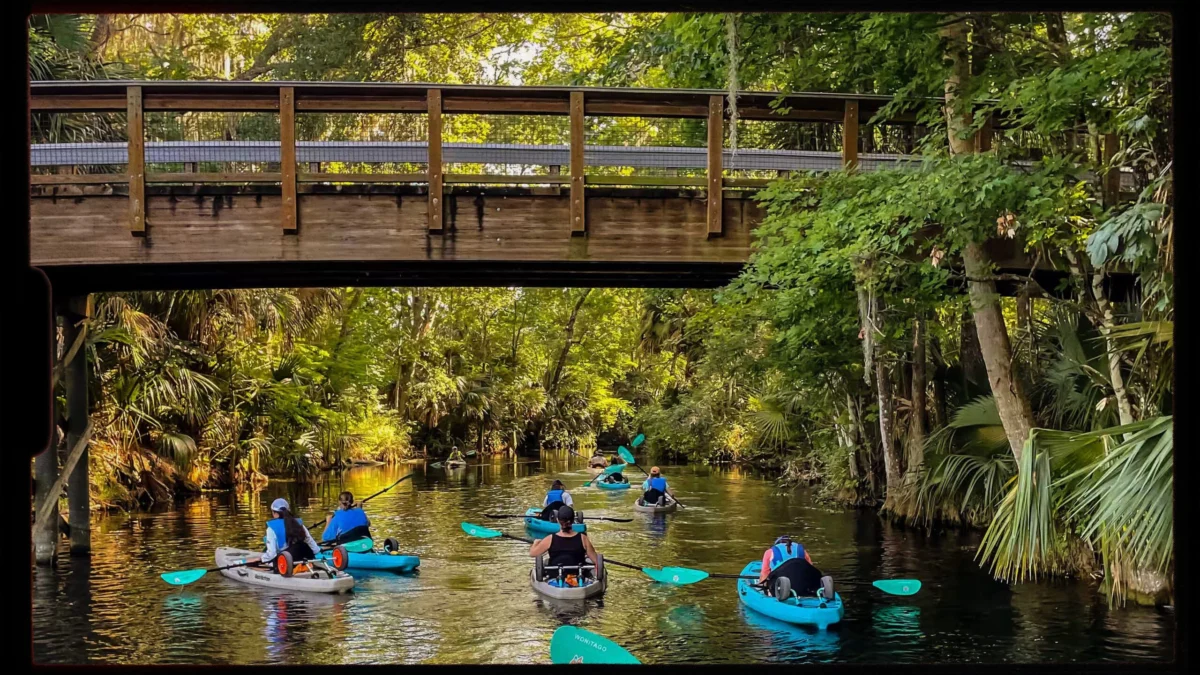
This trend is moving away from generic activities—such as standard goat yoga or mass-produced candle-making—which can be found in virtually any metropolitan area. Instead, the most sought-after experiences are those that are hyper-local and impossible to replicate elsewhere. Tracking urban beavers in Seattle, Washington, or kayaking alongside manatees in the pristine waters of Silver Springs, Florida, are examples of activities that ground a visitor in the unique ecological and cultural identity of the region.
The Anatomy of a High-Quality Experience
What separates a "hit" from a "miss" in the world of Airbnb Experiences? Based on data from top-rated listings and editor reviews, success typically hinges on four pillars: expert instruction, exclusivity of access, community impact, and verified social proof.
1. Expert-Led Instruction
The distinction between a "tour guide" and an "expert" is profound. The highest-rated experiences are frequently led by individuals with professional backgrounds in the subject matter—authors, historians, master artisans, and environmentalists. When the guide is a practitioner of the craft, the experience shifts from a scripted monologue to an interactive dialogue.
2. Exclusive Access
The "insider" factor is perhaps the most significant draw. Travelers are increasingly willing to pay a premium for access that isn’t available to the general public. This might mean entry into a private studio, a guided walk through a historical district with someone who witnessed its transformation, or a deep dive into the archives of a local culinary scene.
3. Community Impact
Sustainable travel has become a priority for the conscious consumer. By booking through local experts, visitors contribute directly to the local economy rather than funneling funds into large, faceless tourism conglomerates. These experiences foster a micro-economy where local talent is rewarded for sharing their passion.
4. Verified Social Proof
In the digital age, ratings are the primary currency of trust. The current benchmark for a "must-book" experience is a consistent rating of 4.9 stars or higher, backed by a significant volume of reviews. This rigorous filter ensures that potential travelers are choosing activities that have stood the test of time and peer critique.
Chronology of a Travel Revolution: From Accommodation to Immersion
The transformation of Airbnb from a budget-friendly alternative to hotels into a full-service travel ecosystem has been rapid and calculated.
- 2016: The Launch of Experiences. Airbnb officially launched "Experiences," marking its pivot from a home-sharing platform to an all-encompassing travel brand. The initial goal was to provide a "360-degree" trip experience.
- 2018–2019: The Scaling Phase. The platform expanded its reach to hundreds of cities, introducing "Social Impact" experiences, where 100% of the proceeds go to nonprofits, signaling a pivot toward more socially conscious tourism.
- 2020–2021: The Pivot to Online. During the global pandemic, the platform launched "Online Experiences," allowing hosts to reach a global audience via Zoom. This proved that curiosity for local culture could be sustained even in the absence of travel.
- 2022–Present: The Quality Control Era. Faced with growing complaints about "tourist traps," the platform implemented stricter quality control, prioritizing Superhosts and higher rating thresholds to restore consumer confidence.
Supporting Data: The Economics of Authenticity
According to industry reports and internal data metrics, the "Experience" sector of travel is projected to grow at a compound annual growth rate (CAGR) of over 10% through 2028. This growth is fueled by a younger demographic (Gen Z and Millennials) who prioritize "memories over things."
In a survey of frequent travelers, 74% indicated that they would prefer to spend more money on a unique, guided local activity than on luxury hotel amenities. Furthermore, listings that feature "local history" or "culinary arts" see a 30% higher booking rate than generic sightseeing tours, confirming that the appetite for deep-dive cultural engagement is at an all-time high.
Official Responses and Platform Governance
Airbnb has responded to the challenges of quality control by implementing a multi-layered verification system. An official spokesperson for the platform noted that the curation process now utilizes a combination of AI-driven sentiment analysis—which scans thousands of reviews for keywords like "authentic," "waste of time," or "overpriced"—and manual editorial oversight.
"Our goal is to ensure that every guest feels they have gained a perspective that simply isn’t available on Google or a standard travel blog," the spokesperson stated. The company’s focus on the "Superhost" designation has also become a critical tool for travelers. A Superhost is not merely someone who hosts often; they must maintain a high response rate, a near-perfect review average, and a commitment to providing reliable, professional service.
Implications for the Future of Travel
The rise of these specialized experiences has profound implications for the tourism industry:
The Decline of the "Check-Box" Tourist
The traditional model of visiting a city to "check off" landmarks is losing its luster. Travelers are increasingly viewing cities as ecosystems to be understood rather than checklists to be completed. This shift encourages slower travel, which is inherently more sustainable and less disruptive to local communities.
The Rise of the "Gig-Traveler"
For hosts, these platforms have created a new category of employment. A local artist can now monetize their craft without the overhead of opening a retail store. This democratization of the tourism economy allows for a more diverse array of voices to tell the stories of their cities.
Challenges of Over-Tourism and Gentrification
However, the professionalization of local culture comes with risks. Critics argue that when an experience becomes too popular, it loses its authenticity. There is also the risk of "Disneyfication," where local traditions are exaggerated or altered to suit the expectations of international tourists. Maintaining the delicate balance between commercial success and cultural integrity will be the primary challenge for platforms like Airbnb in the coming decade.
Conclusion: How to Choose Your Next Experience
To maximize the value of your next trip, approach your search with skepticism and curiosity. Look for listings that:
- Mention specific, niche expertise (e.g., "Led by a former investigative journalist" rather than "Guided by a local").
- Highlight a skill-based component.
- Are backed by a high volume of reviews that specifically mention the host’s personality and depth of knowledge.
The best travel experiences are not just about what you see; they are about who you meet and what you carry home with you. By moving past the surface level, you transform a vacation from a mere break into an education. In a world of infinite digital noise, the most precious commodity is a genuine, human-led connection to a place you’ve never been—or perhaps, one you thought you already knew.
 Evan Lee Salim
 Laily UPN
