

By Valentina Di Liscia
Published Thursday Afternoon
For those navigating the fast-paced, ever-shifting terrain of the contemporary art world, keeping track of institutional appointments, curatorial shake-ups, high-profile artist residencies, and cultural headlines can be a daunting task. Published every Thursday afternoon, Art Movements serves as your essential weekly briefing—a curated roundup of the must-know news, prestigious awards, pivotal appointments, and unexpected cultural happenings shaping today’s art ecosystem.
In this week’s edition, we examine a historic leadership appointment at the Institute of American Indian Arts (IAIA) Museum of Contemporary Native Arts, look ahead to the prestigious fall residencies at Kinosaito in Verplanck, New York, and touch upon the broader conversations vibrating through the international art community.
Main Facts: Key Leadership and Residency Announcements
The contemporary art world is currently experiencing a wave of strategic leadership transitions and fellowship announcements that highlight a growing commitment to Indigenous representation, traditional craft, and intersectional storytelling.
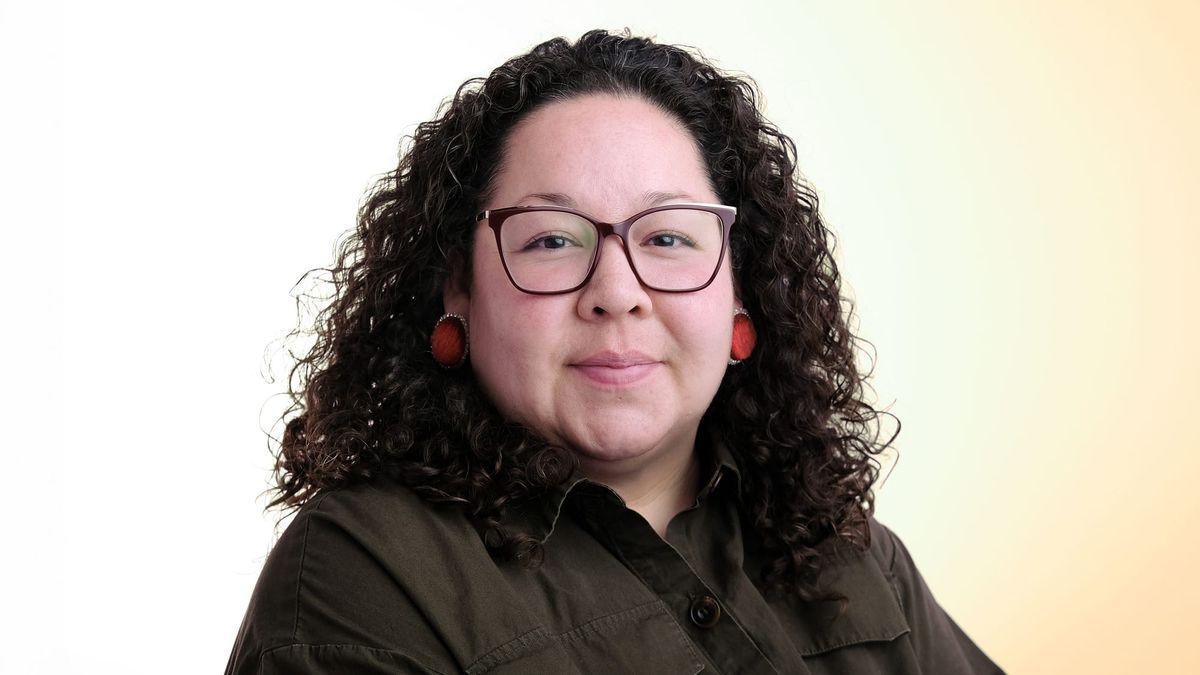
At the forefront of this week’s news is the appointment of Mary Deleary (Chippewas of the Thames First Nation) as the incoming director of the Institute of American Indian Arts (IAIA) Museum of Contemporary Native Arts (MoCNA) in Santa Fe, New Mexico. Deleary, an esteemed scholar, archivist, and curator, will officially step into the role on October 19. She transitions to the directorship from her current post heading the university’s Research Center for Contemporary Native Arts.
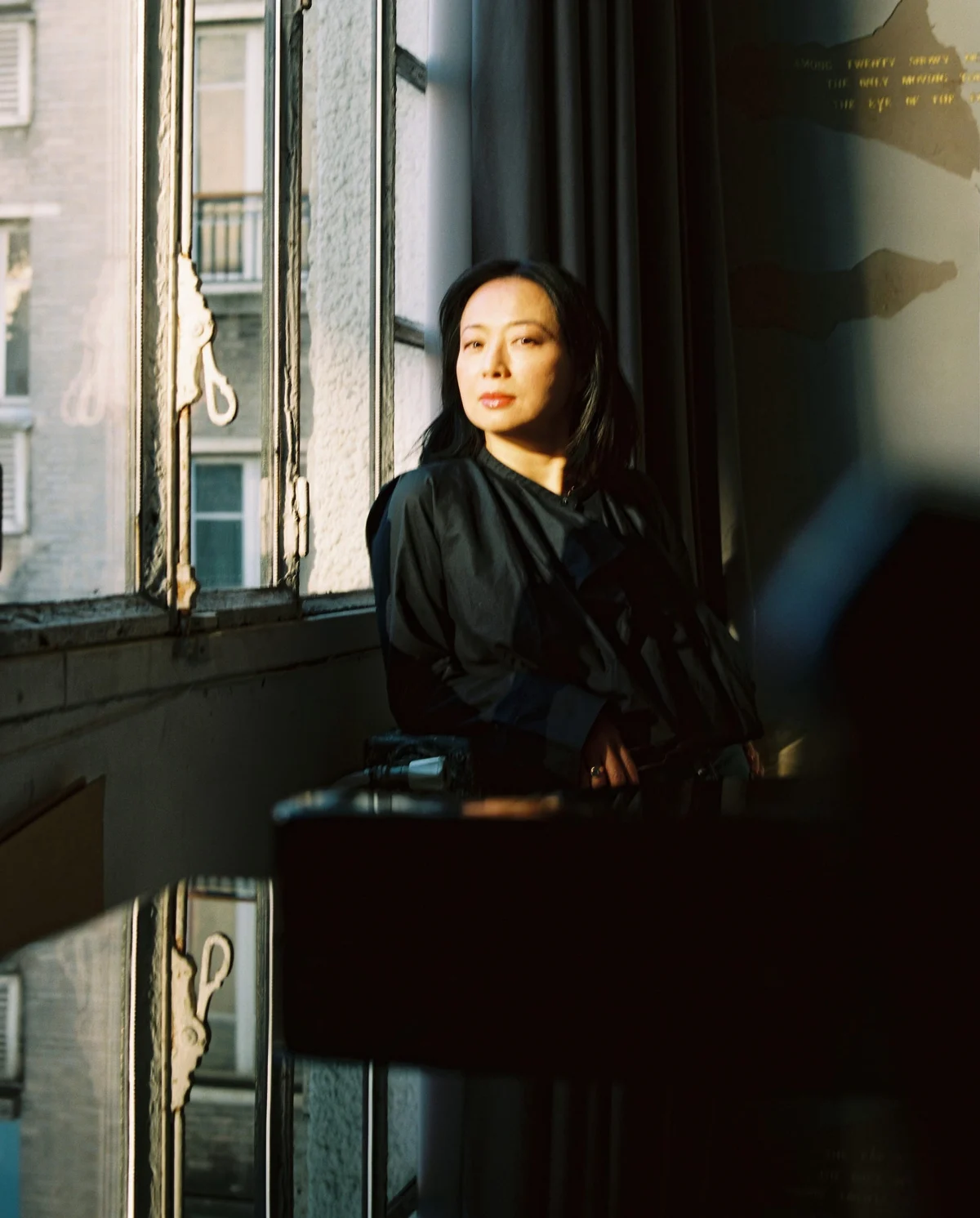
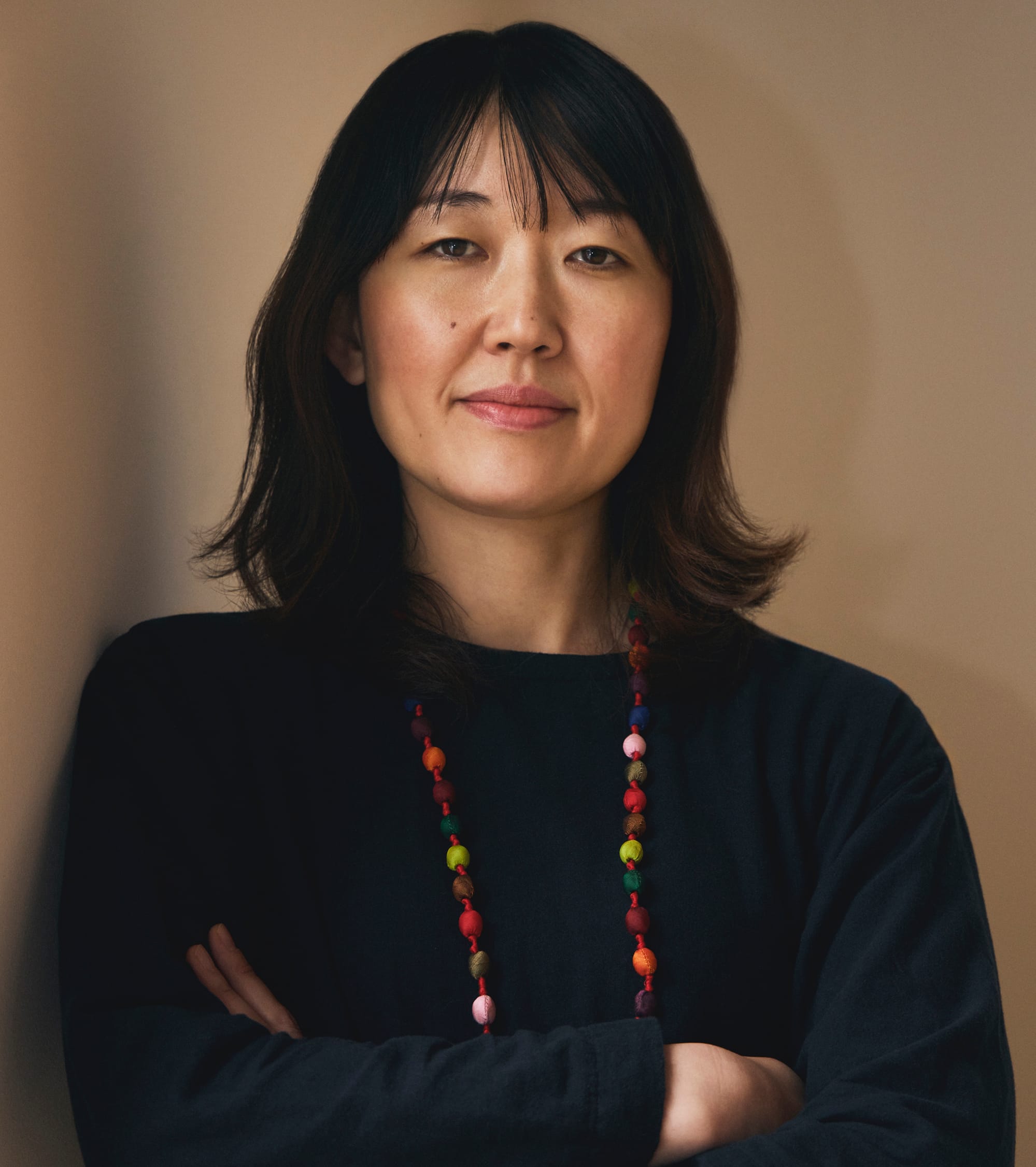
Simultaneously, the arts center Kinosaito, located in Verplanck, New York, has announced its Fall 2026 artists-in-residence. Operating in proud partnership with the Art Students League, the month-long residency program has selected interdisciplinary creators Tsuyu Bridwell and Natsuki Takauji. Both artists bring deep conceptual frameworks—ranging from ancestral Korean and Japanese craft to sculptural meditations on trauma and memory—to the historic Hudson Valley institution.
Chronology: Tracing the Paths to Current Appointments
To fully understand the significance of this week’s announcements, it is helpful to trace the trajectories of the cultural figures and institutions driving them.
Mary Deleary’s Journey Back to MoCNA
Mary Deleary’s appointment represents a poignant full-circle moment in institutional leadership:
- 2010: Deleary graduates from the Institute of American Indian Arts (IAIA) with a Bachelor of Fine Arts (BFA) in Museum Studies. During her undergraduate years, she serves as a student intern at the very museum she is now appointed to lead. Reflecting on this formative period, Deleary noted that her early days as an intern illuminated “the important role museums play in supporting Indigenous artists, students, and communities.”
- Post-2010 Academic Pursuit: Following her foundational studies at IAIA, Deleary pursues advanced academic research, ultimately earning a Doctor of Philosophy (PhD) in Native American Art History from the University of Oklahoma. Her doctoral research deepens her mastery of Indigenous research methodologies, archival development, and Anishinaabe leadership practices.
- Present Day: Prior to her new appointment, Deleary leads the Research Center for Contemporary Native Arts at IAIA. Her administrative and scholarly work consistently bridges the gap between academic theory, community advocacy, and museum curation.
- October 19: Deleary officially assumes the directorship of the IAIA Museum of Contemporary Native Arts, stepping into a role tasked with guiding the institution’s vision into its next chapter.
Kinosaito’s Fall 2026 Residency Timeline
The rigorous selection process for Kinosaito’s fall residency program highlights the institution’s ongoing mission to support boundary-pushing contemporary artists:
- Late Summer 2026: Kinosaito, in collaboration with the Art Students League, reviews national and international applications for its prestigious autumn residency window.
- Fall 2026 (Upcoming): Tsuyu Bridwell and Natsuki Takauji arrive in Verplanck, New York. Over the course of the month-long residency, they will utilize Kinosaito’s studio spaces to develop new bodies of work, culminating in public engagement opportunities that showcase their distinct artistic practices.
Supporting Data: Institutional Profiles and Biographies
A closer look at the key players and organizations featured in this week’s briefing reveals the depth of talent and institutional backing driving these developments.

The Institute of American Indian Arts (IAIA) and MoCNA
Located in Santa Fe, New Mexico, IAIA is the only institution of higher education dedicated wholly to the contemporary study of Native arts and cultures in the United States. Its crown jewel, the Museum of Contemporary Native Arts (MoCNA), stands as the premier institution for exhibiting, collecting, and interpreting the work of progressive Indigenous artists.
- Collection Scope: MoCNA houses a dynamic permanent collection of over 7,000 pieces of Indigenous art created from 1962 to the present, spanning paintings, sculptures, photography, and new media.
- Leadership Significance: Under Deleary’s directorship, MoCNA is expected to further cement its role as a global authority on contemporary Native art, leveraging her expertise in collection development, Anishinaabe governance, and ethical stewardship.
Kinosaito and the Art Students League Partnership
Named after the pioneering Japanese-American artist Kinosuke Saito (1904–1988), Kinosaito is a vibrant cultural hub situated in the historic Hudson River community of Verplanck, New York.
- Mission: The center is dedicated to fostering creative experimentation, community engagement, and cross-cultural dialogue through its exhibitions, public programming, and artist-in-residence initiatives.
- The Residents:
- Tsuyu Bridwell: Bridwell’s artistic practice is deeply rooted in her dual Korean and Japanese heritage. By utilizing traditional craft, sculpture, and nature-inspired installations, she examines ancestral beliefs and the ways in which historical mythologies persist in the modern world. Her work serves as a tactile bridge between generational memory and physical material.
- Natsuki Takauji: Takauji works across a diverse spectrum of mediums, including intricate metal sculptures, immersive multimedia pieces, and large-scale public art installations. Her conceptual framework frequently engages complex motifs such as personal and collective memory, human sexuality, and trauma, translating vulnerable psychological spaces into striking physical forms.
Official Responses and Statements
The announcement of Mary Deleary’s new post has generated widespread praise from academic and arts communities alike. Speaking on her return to the institution that helped launch her career, Deleary shared her vision for the museum’s future:
"The Institute of American Indian Arts and its museum have long served as a vital home for Indigenous creative expression. Walking through these galleries as a student intern many years ago illuminated for me the profound, transformative role that museums can play in actively supporting Indigenous artists, students, and communities. To return now as director is both a profound honor and a sacred responsibility. I look forward to working alongside our brilliant students, faculty, and staff to honor our past while boldly shaping the future of contemporary Native arts."
While formal press releases from Kinosaito regarding the incoming Fall 2026 residents emphasize the center’s dedication to cultivating diverse global perspectives, representatives from the Art Students League noted that both Bridwell and Takauji were chosen for their ability to challenge material limitations and expand the boundaries of sculpture and installation art.
Implications: What This Means for the Future of the Art World
The convergence of these events points to larger, systemic shifts currently underway within the global art market and museum sector.
1. The Decolonization of Museum Leadership
The appointment of Mary Deleary at MoCNA is part of a broader, long-overdue paradigm shift within the museum world. For decades, major cultural institutions have faced intense, justified criticism for placing non-Indigenous directors and curators in charge of Native and Indigenous collections. By elevating scholars who possess not only rigorous academic credentials (such as a PhD in Native American Art History) but also lived cultural experience and deep-rooted community accountability, institutions like IAIA are setting a gold standard for ethical leadership. Deleary’s tenure signals to the broader museum community that authentic, culturally grounded stewardship is essential for the future health of encyclopedic and specialized institutions alike.
2. The Resurgence of Craft and Ancestral Materiality in Residencies
The selection of Tsuyu Bridwell and Natsuki Takauji for the Kinosaito residency underscores an ongoing renaissance in the appreciation of traditional craft, material memory, and interdisciplinary sculpture. In an era dominated by digital saturation and virtual art experiences, contemporary artists are increasingly turning to tactile, labor-intensive mediums—such as metalwork, organic installation, and ancestral craft techniques—to ground their work in the physical world. Residencies like Kinosaito provide the vital time, space, and institutional backing necessary for artists to push these physical mediums into uncharted conceptual territories.
Looking Ahead
As the art world pivots toward the final quarters of the year, the appointments and residencies highlighted this week remind us that the heart of cultural progress lies in institutional accountability, cross-cultural storytelling, and unwavering support for artists whose work challenges, heals, and inspires us.
Stay tuned to Hyperallergic’s Art Movements next Thursday for more breaking news, high-profile appointments, and essential updates from the beating heart of the global art community.
 Nana
Nana
