

In the modern era of travel, the concept of the "homestay" has undergone a radical, and often sterile, transformation. What began as a disruptive movement built on the promise of human connection—sleeping in a stranger’s spare room, sharing a morning coffee, and gaining an insider’s perspective on a new city—has increasingly shifted toward a landscape dominated by third-party property management firms. Today, the typical Airbnb experience often feels more like a clandestine mission: retrieve an anonymous key from a lockbox, navigate a digital chat interface with a faceless operator, and never once cross paths with the person who actually owns the roof over your head.
Yet, there remain pockets of resistance to this commodified version of hospitality. One such sanctuary is Casa Astória, a soulful, architectural jewel box tucked away in the historic Sé neighborhood of Porto, Portugal. It represents a return to the roots of the platform, where the host is not just a landlord, but a neighbor, a concierge, and a curator of local culture.
The Architect and the Host: A Study in Human Connection
The heart of Casa Astória is its proprietor, Francisco. A Porto-born architect with 14 years of hosting experience, Francisco embodies the "superhost" ideal that originally propelled Airbnb to global success. He doesn’t merely manage a rental; he stewards a historic building.
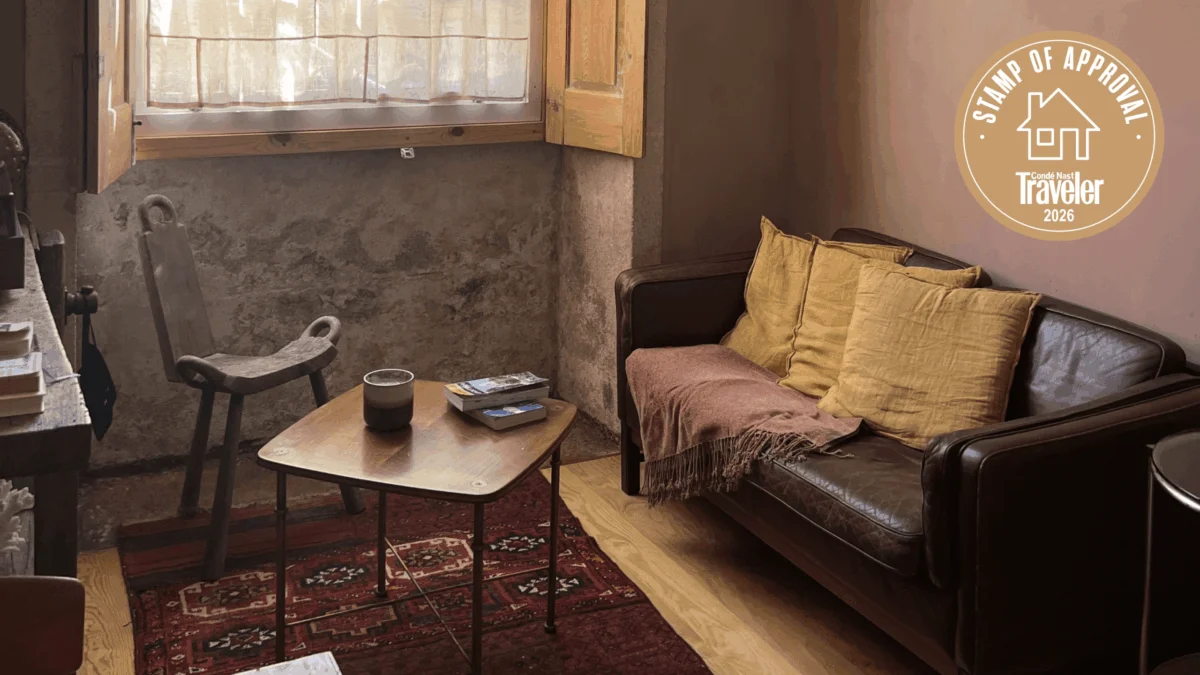
The property itself is a renovated 1830s structure that serves as a living gallery. The sun-drenched foyer is a testament to Francisco’s professional eye, adorned with a carefully curated collection of vintage rugs, antique furniture, and museum-worthy artifacts that ground guests in the rich history of Porto.
My arrival at Casa Astória was a far cry from the usual automated check-in process. I was greeted in the shared backyard by Francisco and his companion, Hydra, a gentle and welcoming Bernese mountain dog. There was no apology for a delayed flight or a confusing keypad; instead, there was a sincere, warm welcome. Francisco, who resides on the top floor of the same building with his wife and newborn, treated us not as transactional customers, but as temporary members of his community. He offered an exhaustive, thoughtful list of restaurant recommendations and authentic local attractions, steering us away from the polished, over-touristed traps that often define a first-time visitor’s itinerary.

A Chronology of Discovery: Navigating Porto from the Sé District
My three-night stay in the "Arts Apartment" offered a unique glimpse into the rhythm of Porto. The chronology of our trip was defined by a balance of urban exploration and the tranquil retreat of the apartment.
Days 1–2: Immersing in the Sé Neighborhood
The Sé district, characterized by its steep, winding cobblestone streets, served as the perfect base. Situated atop the Escadaria dos Guindais, the apartment is a stone’s throw from the iconic Luís I Bridge. The location offered an immediate, visceral connection to the city’s geography. While the ambient street noise occasionally drifted into the living room—a minor trade-off for such a central location—the bedroom remained a quiet cocoon, ensuring that our sleep was never compromised.
During the day, we ventured out to the nearby Catedral de Porto and the vibrant Mercado do Bolhão. One evening, we deviated from the guidebook entirely, stumbling into "State of Alavanca," a pop-up art exhibition hosted by a collective of young local artists within the haunting ruins of an abandoned building. This serendipitous encounter, facilitated by the apartment’s central proximity to the city’s creative pulse, defined the trip.
Day 3: The Sanctuary of the Garden
On our final day, we prioritized the shared garden space. This outdoor terrace, offering panoramic views of the city and the river, became our sanctuary. It provided the necessary reprieve from the relentless pace of city exploration. Whether sipping morning coffee or reading in the afternoon sun, the garden served as a reminder that the most valuable aspect of a stay is often the space that allows you to slow down.
Supporting Data and Amenities: The Balance of Aesthetic and Utility
When evaluating a short-term rental, one must balance aesthetic charm against functional necessity. The "Arts Apartment" at Casa Astória leans heavily into the former. The interior is defined by earth-toned walls, carefully selected art, and a warm, lived-in atmosphere.

Functional Overview:
- Kitchenette: Compact and rudimentary. It includes a mini-fridge, a stovetop, and two different coffee makers. It lacks an oven, making it unsuitable for elaborate home cooking, though perfectly adequate for those planning to dine out in the city’s renowned culinary scene.
- Privacy and Layout: The shower and sink area are open to the room, while the toilet is enclosed for privacy. For two travelers, this requires a degree of comfort or established history (in our case, shared residency in Spain years prior), but the overall design is high-quality and comfortable.
- Sleeping Quarters: The bed features premium linens and supportive pillows, providing a high standard of rest.
The apartment is best suited for solo travelers or couples who value design and atmosphere over expansive square footage. For those who prioritize a "home-away-from-home" feel with a personal touch, the lack of traditional closet space or a full kitchen is a minor inconvenience compared to the overwhelming benefits of the location and host interaction.
The Philosophical Implications of Modern Hospitality
The trend toward "third-party managed" listings has created a vacuum of accountability and personality in the travel industry. When a host is a corporation, the "soul" of the stay is often replaced by a standardized, beige efficiency.
Casa Astória serves as a case study for what is lost—and what can be reclaimed—in the sharing economy. By living in the same building as his guests, Francisco has bridged the gap between a hotel and a private home. This setup allows for a natural, low-pressure interaction that enhances the travel experience without sacrificing the guest’s autonomy.
The implications for the industry are clear: travelers are increasingly seeking, and willing to pay for, authentic human connection. As Porto continues to grow in popularity, bolstered by direct flights from major U.S. hubs like Newark (United) and JFK (Delta), the demand for high-quality, host-driven accommodation will likely rise. The "Airbnb Jackpot"—the discovery of a host who is as invested in the city as they are in the guest’s comfort—is becoming a rare commodity, yet it remains the ultimate benchmark of a successful trip.

Conclusion: The Future of the Authentic Stay
My time at Casa Astória was a poignant reminder that travel is not just about the destination; it is about the intersection of lives. Francisco’s commitment to his property, his neighborhood, and his guests creates a cycle of positive reinforcement. He provides a curated, beautiful space, and in return, guests are more likely to treat the apartment with care and engage more deeply with the local culture.
As I look forward to my next return to Porto, the allure of the city’s history and gastronomy is matched only by the prospect of a familiar face. I don’t just want to return to a room; I want to return to a home where Hydra is curled by the door and a local architect is ready to share the next secret the city has to offer. In an era of digital lockboxes and impersonal check-ins, that connection is not just a luxury—it is the very essence of why we travel.
 Laily UPN
 Suro Senen
