

The landscape of entertainment shifted this past Saturday as the inaugural Easterseals Disability Arts & Culture Awards—known colloquially as “the DARCYS”—took center stage at the historic Barker Hangar in Santa Monica. This prestigious ceremony marked a pivotal transition for the organization, evolving from the long-standing Media Access Awards to a new, broader identity aimed at celebrating authentic disability representation. The event served not only as a gala for industry achievement but as a powerful declaration that the future of storytelling must be inclusive, nuanced, and led by the community it represents.
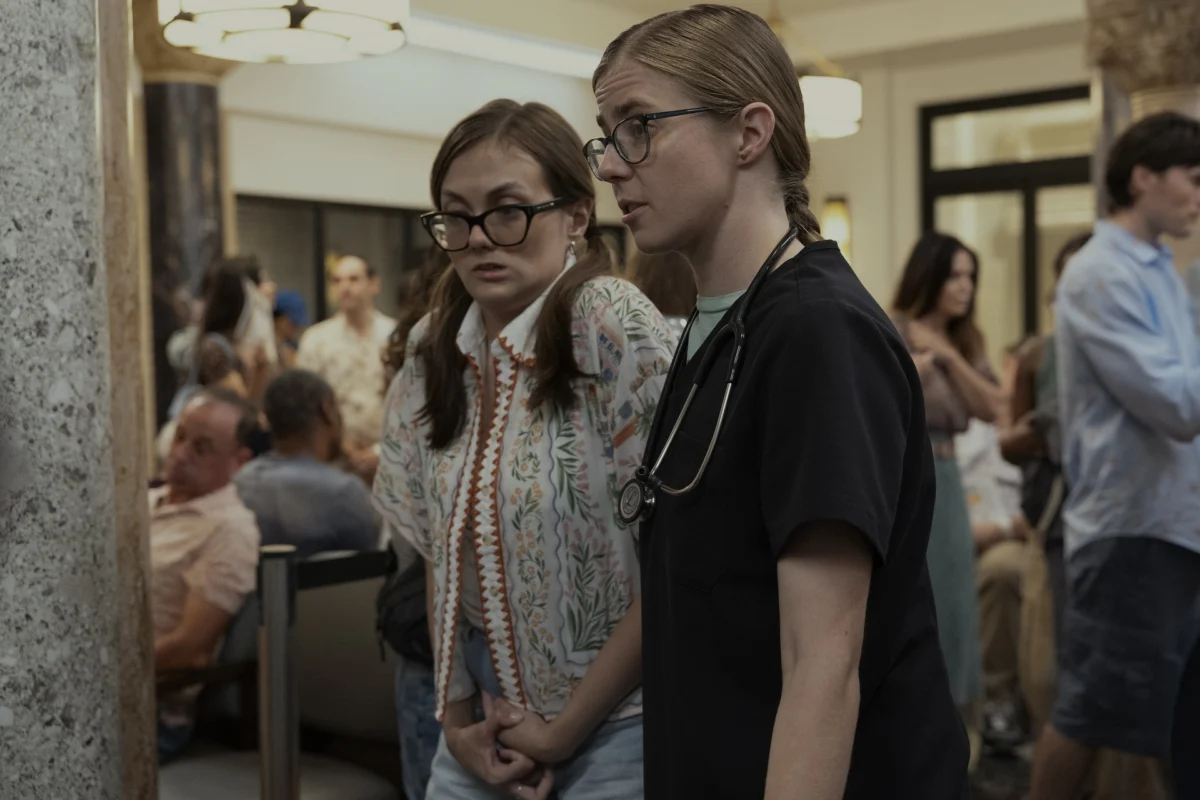
Leading the charge at this year’s ceremony was the medical drama The Pitt, which walked away with two major honors: Best Scripted Series and Best Achievement in Casting Ensemble. The night also celebrated the poignant independent film Horsegirls, a 2025 standout that claimed the title of Best Feature. Hosted by the sharp-witted comedian and disability advocate Tina Friml, the event brought together a coalition of performers, creators, and activists who are fundamentally reshaping the narrative of disability in pop culture.
A Legacy Transformed: From Media Access to the DARCYS
To understand the weight of the DARCYS, one must look at the foundation upon which they are built. For years, the Media Access Awards served as the industry’s primary benchmark for disability inclusion. However, the rebranding to the DARCYS represents a strategic evolution. The new moniker is designed to encompass a more holistic view of “arts and culture,” moving beyond traditional industry metrics to recognize the intersectionality and breadth of the disabled experience.
The mission of the DARCYS is clear: to honor the filmmakers, performers, and storytellers who are dismantling systemic barriers and ensuring that disability is not merely a plot point, but a lived, authentic experience on screen. By centering the awards on the concept of “authentic representation,” the organization is signaling to Hollywood studios, streaming platforms, and independent producers that the days of “crip-face” or sanitized, inspirational tropes are over.
The 2026 Ceremony: A Night of Celebration and Reflection
The atmosphere at the Barker Hangar was electric. As guests arrived, the conversation shifted quickly from the red carpet formalities to the broader implications of the awards. Tina Friml’s opening monologue set a tone of both celebration and challenge, calling on the industry to view disability not as a limitation, but as a rich, untapped source of creative innovation.
The evening unfolded with a series of high-profile wins. The Pitt, with its unflinching look at the medical profession, was recognized for its structural commitment to casting disabled actors in roles that allow for complexity and depth. The award for Best Achievement in Casting Ensemble served as a testament to the work of casting directors Erica Berger and Cathy Sandrich Gelfond, who prioritized authenticity in building the show’s cast.

Equally compelling was the recognition of Horsegirls, a film that explores the intricate bond between a mother facing a terminal diagnosis and her autistic adult daughter. The film’s victory in the Best Feature category signals a growing appetite for stories that prioritize the internal, emotional lives of disabled protagonists without relying on the tired "overcoming adversity" narrative arc.
The Selection Process: A Community-Led Initiative
One of the most critical aspects of the DARCYS is the integrity of its selection process. Unlike many industry awards that are voted on by broad, often disconnected academies, the DARCYS are curated by a specialized committee. This body comprises a diverse group of filmmakers, seasoned critics, recipients of former Media Access Awards, and representatives from prominent industry guilds and nonprofit organizations.
Crucially, the majority of this committee consists of individuals with disabilities. This design choice is not accidental; it is a fundamental requirement to ensure that the awards retain their credibility within the disability community. By centering the voices of those with lived experience, the DARCYS ensure that the winning projects are evaluated not just on their technical merit or popular appeal, but on the veracity and sensitivity of their portrayal of the disability experience.
Complete Winner’s List: Honoring Excellence
The full slate of winners for the 2026 DARCYS represents a wide spectrum of genres and creative disciplines. The list includes:
- Best Feature: Horsegirls (Director-Writer: Lauren Meyering; Writer-Producer: Mackenzie Breeden; Producers: Alix Madigan-Yorkin, Michael Sherman)
- Best Performance in a Feature: Anna Sargent, Take Me Home
- Best Documentary: The Haunting of Pennhurst (Directors-Producers: Mike Attie, Katarina Poljak, Nathan R. Stenberg; Producer: Daniel J. Chalfen)
- Best Scripted Series: The Pitt (Creator-EP: R. Scott Gemmill)
- Best Performance in a Scripted Series: Daniel Monks, All Her Fault
- Best Unscripted Series: Renegades (Creator: Day Al-Mohamed)
- Best Achievement in Casting Ensemble: The Pitt (Casting Directors: Erica Berger, Cathy Sandrich Gelfond)
- The Legacy Award: Geri Jewell
- Christopher Reeve Emerging Talent Award: Vincent Rutley
- Best Social Creator: Cassidy Huff
Supporting Data: Why This Matters for Hollywood
The rise of the DARCYS comes at a time when the entertainment industry is under increasing pressure to address its diversity deficits. According to recent industry reports, while representation of disabled characters has seen a marginal increase in total volume, the quality of these roles remains a point of contention. Data suggests that characters with disabilities are still disproportionately represented in stories centered on trauma or medical crises, rather than in diverse, everyday roles.
The DARCYS function as a corrective mechanism. By highlighting shows like The Pitt and documentaries like The Haunting of Pennhurst, the awards provide a roadmap for studios to follow. The inclusion of the "Best Social Creator" award further acknowledges that the digital space is currently the most innovative frontier for disability advocacy and storytelling, often outpacing traditional Hollywood in terms of speed and accessibility.

Official Responses and Industry Impact
In the aftermath of the ceremony, industry leaders have been quick to praise the initiative. "The DARCYS are not just an award show; they are a necessary intervention in how we define human potential," noted one executive in attendance. The collaboration between Easterseals Southern California and Film Independent has provided the necessary infrastructure to scale these awards, ensuring they reach a wider audience and command the respect of major trade publications.
The honorees themselves have expressed a mix of gratitude and renewed determination. For veteran actor Geri Jewell, receiving The Legacy Award was a moment of reflection on a career that spanned decades of systemic exclusion. Meanwhile, emerging talent like Vincent Rutley, the recipient of the Christopher Reeve Emerging Talent Award, highlighted the importance of mentorship and the need for more disabled creators in decision-making rooms.
The Broader Implications: What Comes Next?
The success of the 2026 DARCYS suggests that the industry is ready for a more profound shift. As we look toward the 2027 awards cycle, the challenge for creators will be to move beyond the “one-off” inclusive project. The goal is to make the practices modeled by The Pitt and Horsegirls the standard operating procedure for all major productions.
Furthermore, the DARCYS have set a precedent for accessibility in award ceremonies themselves. From the physical accessibility of the Barker Hangar to the inclusion of sensory-friendly environments and real-time captioning, the ceremony itself served as a model for how the entertainment industry can be more inclusive in its day-to-day operations.
The implications for the future are significant. As streaming platforms look to diversify their content libraries to capture a global audience, the DARCYS provide a curated list of talent that is ready, willing, and uniquely qualified to lead the next generation of storytelling. By championing authentic, nuanced portrayals of the disabled experience, the DARCYS are not just rewriting the script of disability in media—they are ensuring that those who have been marginalized for too long are finally given the pen to write their own stories.
As the lights dimmed at the Barker Hangar on Saturday, the message left for the industry was unmistakable: Authenticity is the ultimate currency. In the evolving marketplace of ideas and entertainment, those who fail to embrace the diversity of the human experience risk irrelevance, while those who listen to the voices of the disabled community will find themselves at the forefront of a new creative renaissance.
 Nana Wu
 Nana Muazin
