

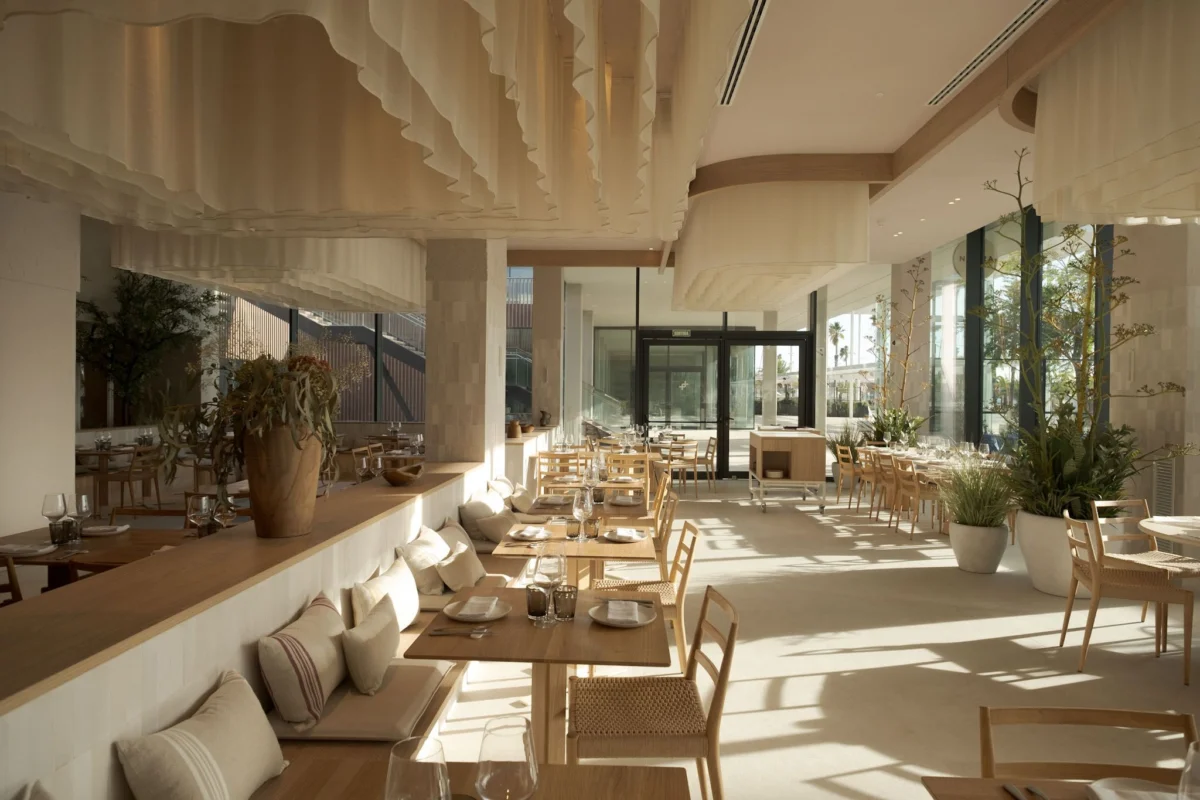
Barcelona has long been a siren song for the world’s most discerning gourmands. It is a city where the air is thick with the scent of sea salt and sizzling garlic, where the rhythm of life is dictated not by the clock, but by the cadence of the kitchen. While the economic landscape of Spain has shifted and the days of the "budget-friendly" European getaway have become increasingly rare, Barcelona’s culinary resilience remains unshaken.
From the iconic marble-topped bars of the Gothic Quarter, where tapas are piled high like edible architecture, to the hyper-local, farm-to-table sanctuaries of the Eixample district, the city offers an unparalleled tapestry of flavor. Today, Barcelona is more than just a bastion of traditional Catalan cuisine; it is a burgeoning hub of global innovation, where the bold spices of Mexico and the delicate precision of Japanese technique exist in harmony with centuries-old winemaking heritage.
The Evolution of a Culinary Powerhouse: Main Facts
Barcelona’s gastronomic status is not accidental; it is the result of a symbiotic relationship between a rich agricultural history and a forward-thinking creative class. The city’s food scene currently operates on three distinct tiers:
- The Heritage Pillars: These are the historic establishments that honor Catalan traditions—seafood stews, escalivada, and the legendary pan con tomate. They provide the baseline against which all modern innovation is measured.
- The Modern Avant-Garde: Building on the legacy of chefs like Ferran Adrià, a new generation of Catalan chefs is interpreting regional ingredients through a lens of sustainability and modern technique.
- The Multicultural Wave: Perhaps the most significant shift in the last decade is the influx of global flavors. Barcelona has shed its regional insularity, welcoming Peruvian cevicherias, authentic Japanese izakayas, and high-concept Mexican cantinas that have become essential to the city’s contemporary identity.
As the city continues to attract international talent, the definition of "Barcelona cuisine" is expanding. It is no longer defined strictly by origin, but by the quality of the ingredient and the intention of the plate.
A Chronological Journey: From Markets to Michelin Stars
The story of Barcelona’s dining scene is best told through its timeline of transformation.
The Late 20th Century: The Molecular Revolution
In the 1990s and early 2000s, the world turned its eyes toward Catalonia. The rise of El Bulli changed the gastronomic vocabulary of the planet. While the restaurant itself was located outside the city, its spirit permeated the Barcelona restaurant scene. Chefs began to treat food as a science, leading to a decade of experimentation that put the city on the global map as the capital of "New Spanish" cooking.
The 2010s: The Farm-to-Table Pivot
As the novelty of foams and gels faded, the city experienced a "return to the soil." The 2010s saw a surge in interest regarding the source of ingredients. The Mercat de Sant Josep de la Boqueria became a symbol of this shift, as chefs prioritized relationships with local farmers and fishermen. The focus moved from "how can we change this ingredient" to "how can we celebrate this ingredient in its purest form."
The 2020s to Present: A Multicultural Renaissance
Post-pandemic, the scene has entered its most inclusive era yet. Barcelona is now a melting pot. The arrival of high-end international chefs—drawn by the city’s produce and climate—has resulted in a "global-local" synthesis. You are now just as likely to find a Michelin-starred chef serving tacos al pastor made with Iberian pork as you are a traditional botifarra.
Supporting Data: The Economics of Eating in Barcelona
Despite the rising cost of living in Spain, Barcelona’s hospitality sector remains a primary economic engine. Data suggests that food-related tourism accounts for over 30% of the city’s visitor spending.
- Market Diversity: There are currently over 40 municipal markets across the city, serving as the heartbeat of neighborhood dining. These markets have seen a 15% increase in foot traffic from tourists seeking "authentic" ingredients, forcing a delicate balance between local accessibility and visitor demand.
- Sustainability Metrics: A recent study by the Barcelona Hospitality Association found that 65% of restaurants in the Eixample and Gràcia districts now source at least 40% of their produce from within a 100-kilometer radius, a significant uptick from the 2015 estimate of 22%.
- Global Reach: The proliferation of non-Spanish culinary concepts has seen a growth rate of 12% annually since 2018, with Japanese and Peruvian cuisines showing the highest saturation rates in the central districts.
Official Perspectives: The Experts’ Methodology
Maintaining a reputation as a world-class food destination requires rigorous vetting. Condé Nast Traveler editors and local contributors have established a comprehensive methodology for reviewing the city’s offerings, ensuring that the reputation of the scene is backed by quality, not just hype.
The criteria for selection are multi-faceted:
- Locavore Integrity: Does the restaurant actively support local agricultural heritage?
- Sustainability Credentials: How does the kitchen manage waste, energy, and sourcing?
- Inclusivity: Does the establishment welcome both the local neighborhood resident and the international traveler with the same standard of hospitality?
- Service and Ambience: In a city where lunch can last four hours, the comfort of the environment is as critical as the flavor profile of the food.
"We do not just judge a dish by its flavor," one senior editor noted. "We judge the restaurant by its role in the city’s ecosystem. A great restaurant in Barcelona must serve the community first and the tourist second."
The Implications: What the Future Holds
The shift toward a more multicultural, sustainable, and high-end scene has profound implications for the city’s identity.
1. The Challenge of Gentrification
As the culinary scene matures, the pressure on traditional, budget-friendly establishments increases. Neighborhoods like Poble-sec and Sant Antoni are seeing rapid gentrification, where legacy bars are being replaced by high-end wine bars. The city government faces the ongoing challenge of protecting the "neighborhood feel" that makes Barcelona unique while allowing the culinary scene to innovate.
2. Culinary Sustainability as a Necessity
With climate change affecting Mediterranean crop yields, the emphasis on "locavore" produce is no longer just a marketing trend; it is a necessity for survival. Restaurants are increasingly investing in resilient farming practices and sea-to-table initiatives to ensure that the ingredients that define Catalan cuisine remain available in the face of environmental volatility.
3. A New Definition of "Catalan"
The biggest implication for the next decade is the redefinition of Catalan cuisine. As international influences continue to integrate, we are likely to see a permanent evolution of the regional palate. The "modern Catalan" style is becoming a fusion of old-world techniques and new-world ingredients, creating a flavor profile that is entirely unique to the city.
Conclusion: Preparing for the Feast
Barcelona remains a city that demands your full attention. It is not a place for the hurried traveler; it is a city for the intentional eater. As you prepare to navigate the labyrinthine streets of the Gothic Quarter or the grand boulevards of the Eixample, remember the local wisdom: start with a coffee, pace yourself through a long lunch, and leave room for the late-night magic that defines the Barcelona experience.
Whether you are seeking the perfect, blistered pan con tomate or a boundary-pushing tasting menu that fuses the mountains of Catalonia with the shores of Japan, Barcelona delivers. It is a city that eats, breathes, and drinks with a fervor that is unmatched anywhere else in the world. So, pack your appetite, loosen your belt, and prepare to embark on a journey that will redefine your expectations of what a meal can be.
For those planning their own culinary expedition, ensure you consult the latest updates to local travel guides. Barcelona’s restaurant scene is as dynamic as the city itself; new establishments open with the seasons, and the best-kept secrets are often found in the quietest corners of the city’s many plazas.
 Asro
Asro
 Siti Muinah
