

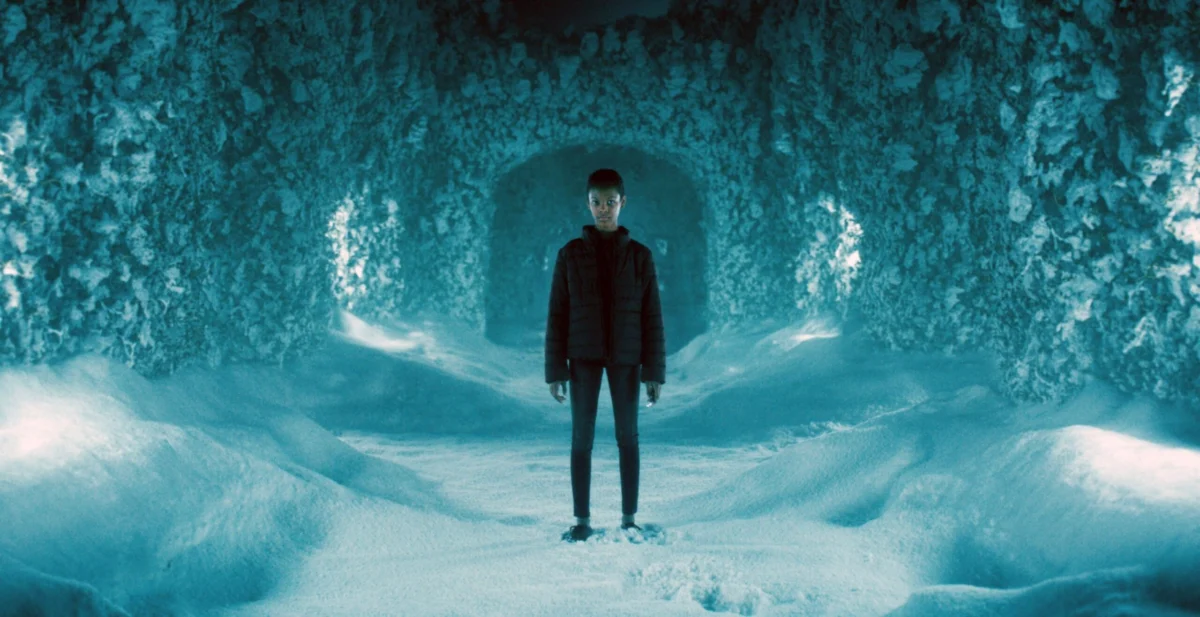
For over four decades, one of pop culture’s most famous creative feuds centered around a snowy, isolated resort in the Rocky Mountains. When legendary horror author Stephen King published The Shining in 1977, it immediately cemented his status as a titan of modern fiction. However, when visionary filmmaker Stanley Kubrick adapted the novel into a 1980 cinematic masterpiece bearing the same name, a lasting rift was born.
While film critics and audiences universally hailed Kubrick’s psychological horror epic as one of the greatest movies ever made, King despised it. He viewed it as a cold, hollow betrayal of his deeply personal narrative and characters.
Yet, in a miraculous twist of modern Hollywood history, acclaimed horror director Mike Flanagan managed to achieve the impossible. Through his 2019 adaptation of Doctor Sleep—now finding a vibrant second life on streaming platforms like Paramount Plus—Flanagan did not merely deliver a successful sequel; he fundamentally healed Stephen King’s decades-long resentment toward Kubrick’s film.
Main Facts: Bridging an Unbridgeable Chasm
The core narrative of this reconciliation rests on an unprecedented creative balancing act. Mike Flanagan, celebrated for his emotionally resonant horror work in projects like Midnight Mass and The Haunting of Hill House, took on the daunting task of adapting Doctor Sleep, King’s 2013 literary sequel to The Shining.
The dual challenge facing Flanagan was formidable:
- The Source Material: He had to honor King’s book, which follows an adult Danny Torrance wrestling with alcoholism and generational trauma while protecting a young psychic girl named Abra from a psychic-vampire cult called The True Knot.
- The Cinematic Legacy: He had to contend with Stanley Kubrick’s towering cinematic shadow—a film that altered major plot points, killed off characters who survived in the book, and reimagined the Overlook Hotel’s ultimate fate.
Rather than choosing a side, Flanagan proposed a bold synthesis. He convinced a deeply skeptical Stephen King that the visual language of the Overlook Hotel as defined by Kubrick was too deeply ingrained in global pop culture to ignore. By seamlessly welding King’s book-centric plot mechanics to the distinct visual and atmospheric architecture of Kubrick’s 1980 film, Flanagan created a bridge across a 39-year creative divide.
Chronology of a Creative Feud and Reconciliation
To understand the magnitude of Flanagan’s achievement, it is necessary to retrace the timeline of friction between the author and the cinematic adaptation.
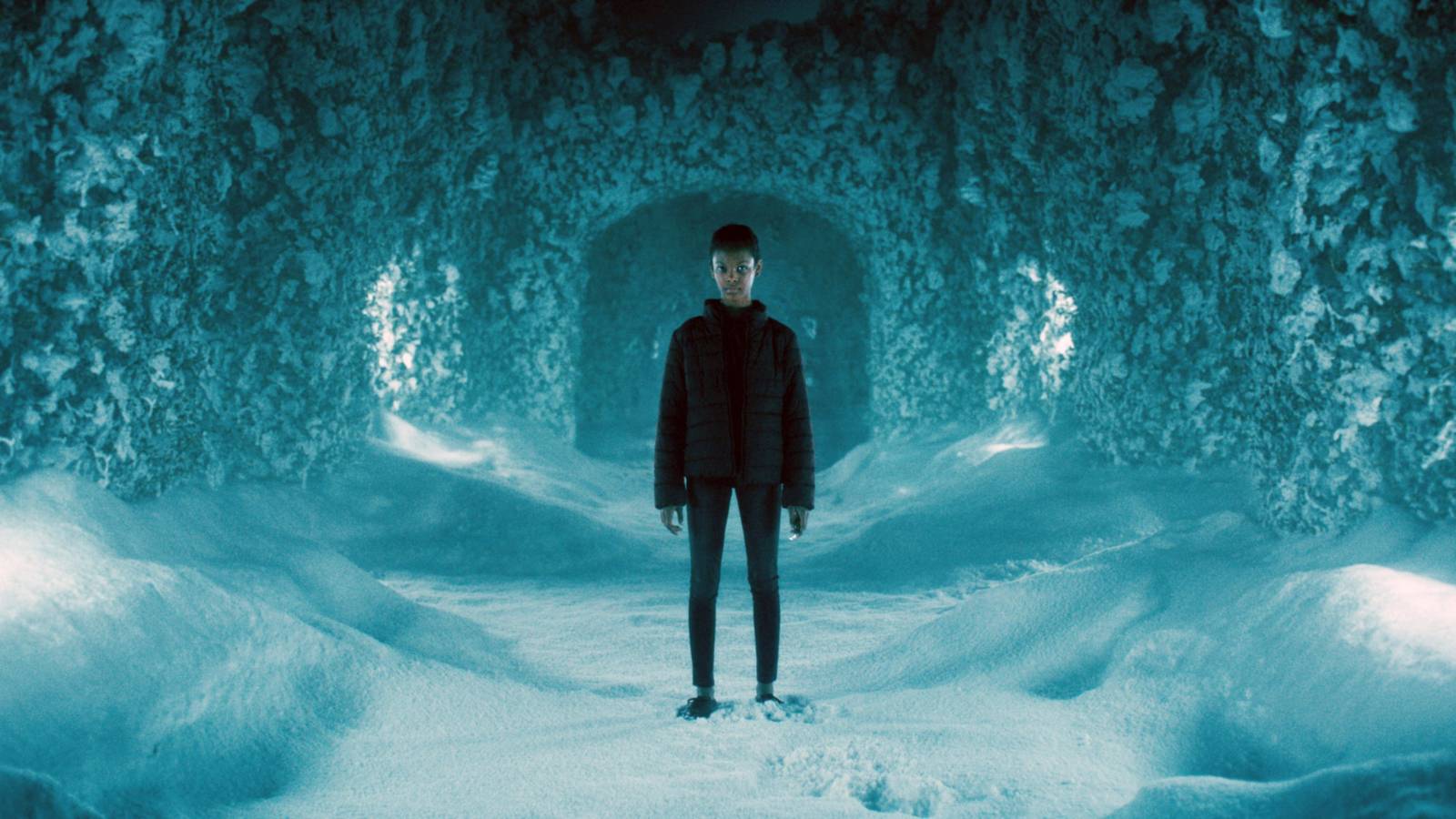
1977–1980: The Birth of a Grievance
Stephen King published The Shining drawing heavily from his own struggles with alcoholism and the isolation he felt while working at the Stanley Hotel in Colorado. When Stanley Kubrick purchased the rights, King initially held high hopes.
However, creative differences quickly soured the relationship. As detailed in the book Fright Favorites: 31 Movies to Haunt Your Halloween and Beyond, King fiercely disagreed with Kubrick’s casting choices and character arcs. He disliked Jack Nicholson as Jack Torrance, believing Nicholson’s filmography of intense, unhinged roles made the character seem unstable from the very first frame. King preferred an actor like Martin Sheen, who could convincingly portray an ordinary, approachable family man slowly driven to madness.
Furthermore, King famously lambasted the portrayal of Wendy Torrance, played by Shelley Duvall. He labeled Kubrick’s vision of Wendy as "one of the most misogynistic characters ever put on film"—an ironic critique given that King’s own early novels occasionally faced scrutiny regarding female characterizations. For decades, King publicly referred to Kubrick’s film as a "Cadillac with no engine in it"—sleek and beautiful to look at, but ultimately hollow and lacking a beating heart.
2013: The Literary Return
Thirty-six years after the original novel, King returned to the universe of the Torrance family with Doctor Sleep. Published in 2013, the book received widespread critical acclaim. Publishers Weekly praised it as a "gripping, taut read that provides a satisfying conclusion to Danny Torrance’s story."
The book centered on an adult Dan Torrance (Ewan McGregor in the film adaptation), who works as a hospice orderly in New Hampshire. Using his remaining psychic abilities ("the shine") to comfort dying patients, he earns the moniker "Doctor Sleep." His quiet routine shatters when he forms a telepathic bond with Abra Stone, a teenager possessing an extraordinarily powerful shine. They soon become targets of The True Knot, a nomadic cult led by Rose the Hat (Rebecca Ferguson) who sustain their youth and immortality by torturing and murdering psychic children.
2017–2019: Flanagan’s Pitch and Production
When Warner Bros. greenlit the film adaptation of Doctor Sleep, they handed the reins to Mike Flanagan. Knowing the historical animosity between King and the 1980 film, Flanagan knew he had to tread carefully.
During early developmental meetings, Flanagan laid his cards on the table with his childhood hero. As Flanagan recounted to Entertainment Weekly: "I said, ‘Look, I’m a King fanatic, I have been since I’m a kid, you are my hero, but when I read Doctor Sleep, all the images in my head were Kubrick’s images.’ There’s no other language to tell that story in. If you say ‘Overlook Hotel,’ I see something. It lives right up in my brain because of Stanley Kubrick. You can’t pretend that isn’t the case."

King was initially hesitant. In the novel Doctor Sleep, the Overlook Hotel had long since burned to the ground. However, Flanagan pitched a radical structural shift for the film’s climax: taking Dan Torrance back inside the standing, preserved halls of Kubrick’s Overlook Hotel. Remarkably, King signed off on the change.
Supporting Data and Box Office Realities
While Doctor Sleep was embraced by critics—holding a strong approval rating on review aggregation platforms—its commercial journey at the box office was surprisingly rocky.
- Box Office Performance: Released in November 2019 by Warner Bros., the film faced stiff competition and struggled to connect with casual moviegoers looking for standard, high-octane jumpscare horror. Despite positive word-of-mouth, it underperformed financially, grossing roughly $72 million worldwide against a production budget estimated around $45 million.
- Critical Reception: Critical consensus heavily favored the film’s atmospheric dread, emotional depth, and standout performances by Ewan McGregor and Rebecca Ferguson.
- Streaming Resurgence: Much like many of Flanagan’s subsequent television endeavors (The Haunting of Bly Manor, The Fall of the House of Usher), Doctor Sleep found its true financial and cultural footing through home video, digital sales, and subscription streaming services like Paramount Plus, where audiences continue to discover its intricate storytelling.
Official Responses and Reactions
The definitive validation of Flanagan’s project came directly from the master of horror himself. Stephen King’s public turnaround regarding The Shining remains one of the most stunning redemptive arcs in modern entertainment journalism.
In an interview with Entertainment Weekly following the release of Doctor Sleep, King offered an unconditional surrender of his long-held grudge:
"Mike took my material, he created a terrific story, people who have seen this movie flip for it, and I flipped for it, too. He managed to take my novel of Doctor Sleep, the sequel, and somehow weld it seamlessly to the Kubrick version of The Shining, the movie. So, yeah, I liked it a lot."
This public endorsement effectively closed a nearly four-decade-old wound. By treating Kubrick’s cinematic universe not as an enemy to be ignored or attacked, but as a foundational text to be respected and expanded upon, Flanagan achieved what no other filmmaker could. He validated Kubrick’s artistic choices in the eyes of the man who felt most wronged by them.
Implications for Future Stephen King Adaptations
The success of Doctor Sleep carries profound implications for how Hollywood approaches the sprawling multimedia library of Stephen King adaptations.
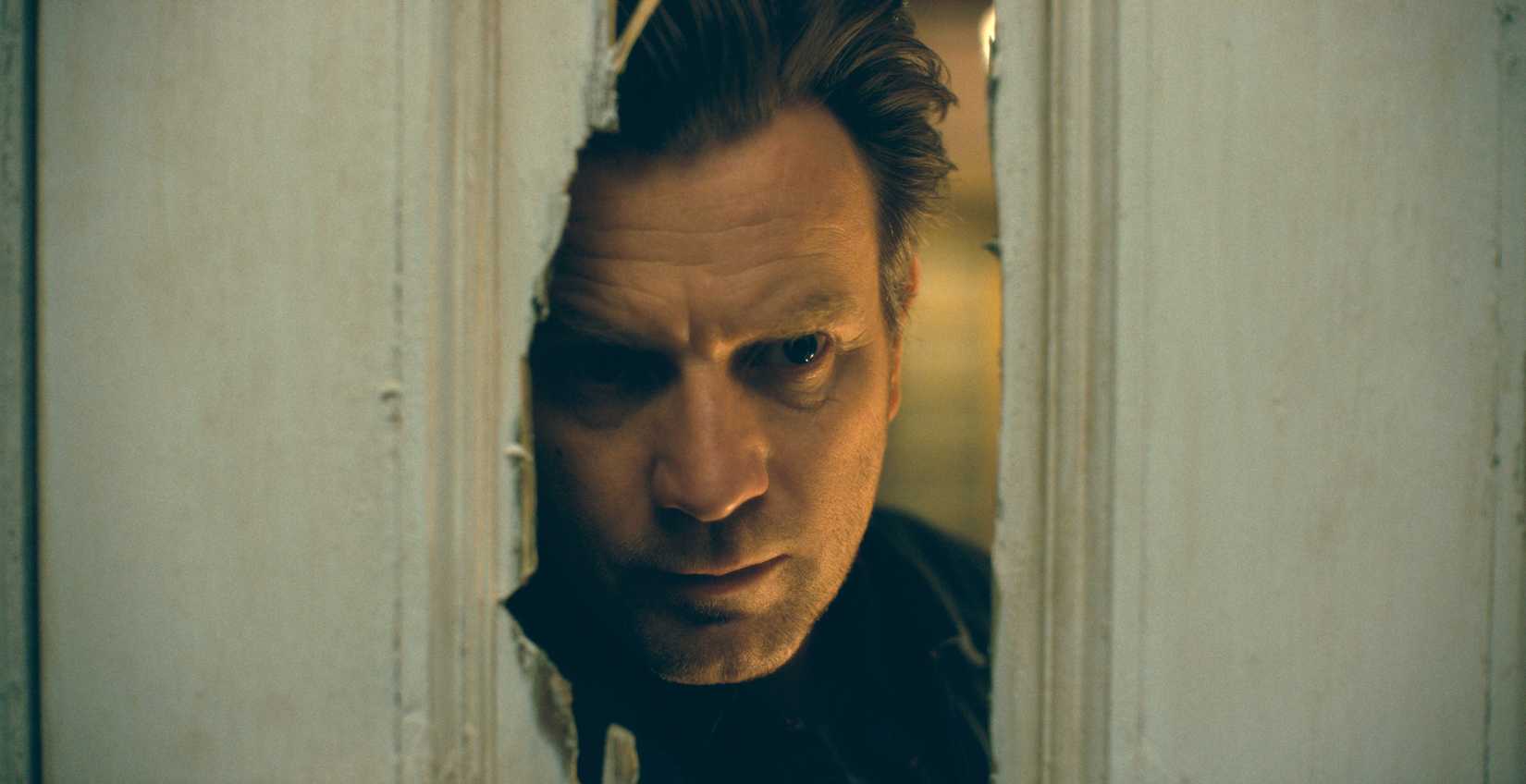
Historically, adaptations of King’s work have fallen into two rigid camps: fiercely loyal television miniseries (often sacrificing cinematic scope for narrative completeness) or standalone feature films that take radical, sometimes alienating liberties with the source material (such as Kubrick’s The Shining or various iterations of Firestarter and Children of the Corn).
Flanagan proved that a third path exists: harmonious hybrid adaptation. By respecting the cultural imprint of past cinematic interpretations while remaining faithful to the emotional core of King’s literature, creators can bridge generational divides.
Furthermore, the journey of Doctor Sleep highlights the shifting value of modern cinema. Though it underperformed in traditional box office metrics during its initial theatrical run, its endurance on streaming platforms proves that emotionally resonant, ambitious storytelling ultimately outlasts opening-weekend jitters.
It took thirty-nine years, countless public debates, and a meticulously crafted cinematic bridge built by Mike Flanagan, but The Shining finally stands tall—not as a fracture point between an author and a director, but as a unified, shared monument in horror history.
 Siti Muinah
 Pevita Pearce
